Image 1 of 17
1 / 17
Plant Reference
Cercis, Genus, canadensis, Species,
- Genus & species
redbud
Eastern North America — New Jersey to Florida, west to Nebraska and Texas; understory tree in mixed hardwood forests
Overview
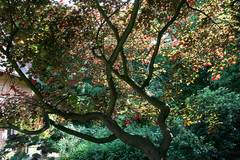
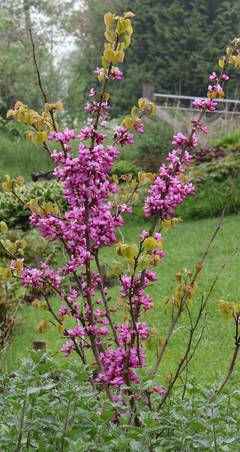
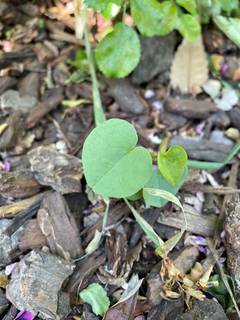
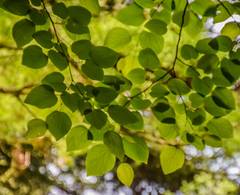
Cercis canadensis is redbud (eastern redbud), a small deciduous tree growing 20-30 feet (6-9 m) tall and 25-35 feet (7.5-10.5 m) wide with a spreading, often multi-stemmed canopy and zigzag branching. Lavender-pink pea-shaped flowers 0.5 inch (1.3 cm) in dense clusters along bare branches and on the trunk (cauliflory) in March-April — one of the first native trees to bloom in spring. Heart-shaped medium green leaves 3-5 inches (7-13 cm) wide with entire margins. Turns yellow in fall. Flat brown seed pods 2-3 inches (5-7 cm) persist through winter. In the legume family (Fabaceae) — nitrogen-fixing via root nodule symbiosis. Native to eastern North America — understory in mixed hardwood forests. Short-lived — typically 20-30 years. Canker diseases (Botryosphaeria) are the primary cause of decline, causing branch dieback and trunk lesions. Verticillium wilt also affects this species. The short lifespan and canker susceptibility are the primary limitations. Deer browse the foliage and buds. Drought-tolerant once established. Non-toxic. Zones 4-9. Full sun to partial shade. Growth rate is moderate.
Native Range
Native to eastern North America — New Jersey to Florida, west to Nebraska and Texas. Found as an understory tree in mixed hardwood forests.Suggested Uses
Grown as a specimen tree, understory tree, and in native plant gardens spaced 25-35 feet (7.5-10.5 m). Early spring bloom on bare branches. Heart-shaped foliage. Native to eastern North America. Short-lived (20-30 years). Non-toxic. Zones 4-9.How to Identify
Appearance
Size & Dimensions
Height20' - 30'
Width/Spread25' - 35'
Bloom Information
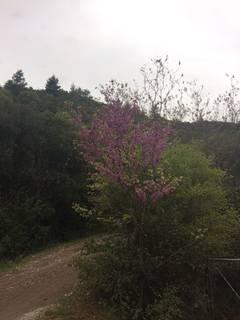
Early spring (March-April). Lavender-pink pea-shaped flowers 0.5 inch (1.3 cm) in dense clusters along bare branches and on the trunk (cauliflory). 3 weeks of bloom. Bee-, butterfly-, and hummingbird-pollinated. Flat brown seed pods 2-3 inches (5-7 cm) follow.
Detailed Descriptions
Flower Description
Lavender-pink, pea-shaped (papilionaceous), 0.5 inch (1.3 cm), in dense clusters along bare branches and even on the trunk (cauliflory)Foliage Description
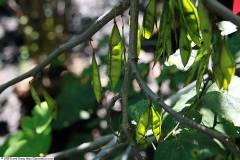
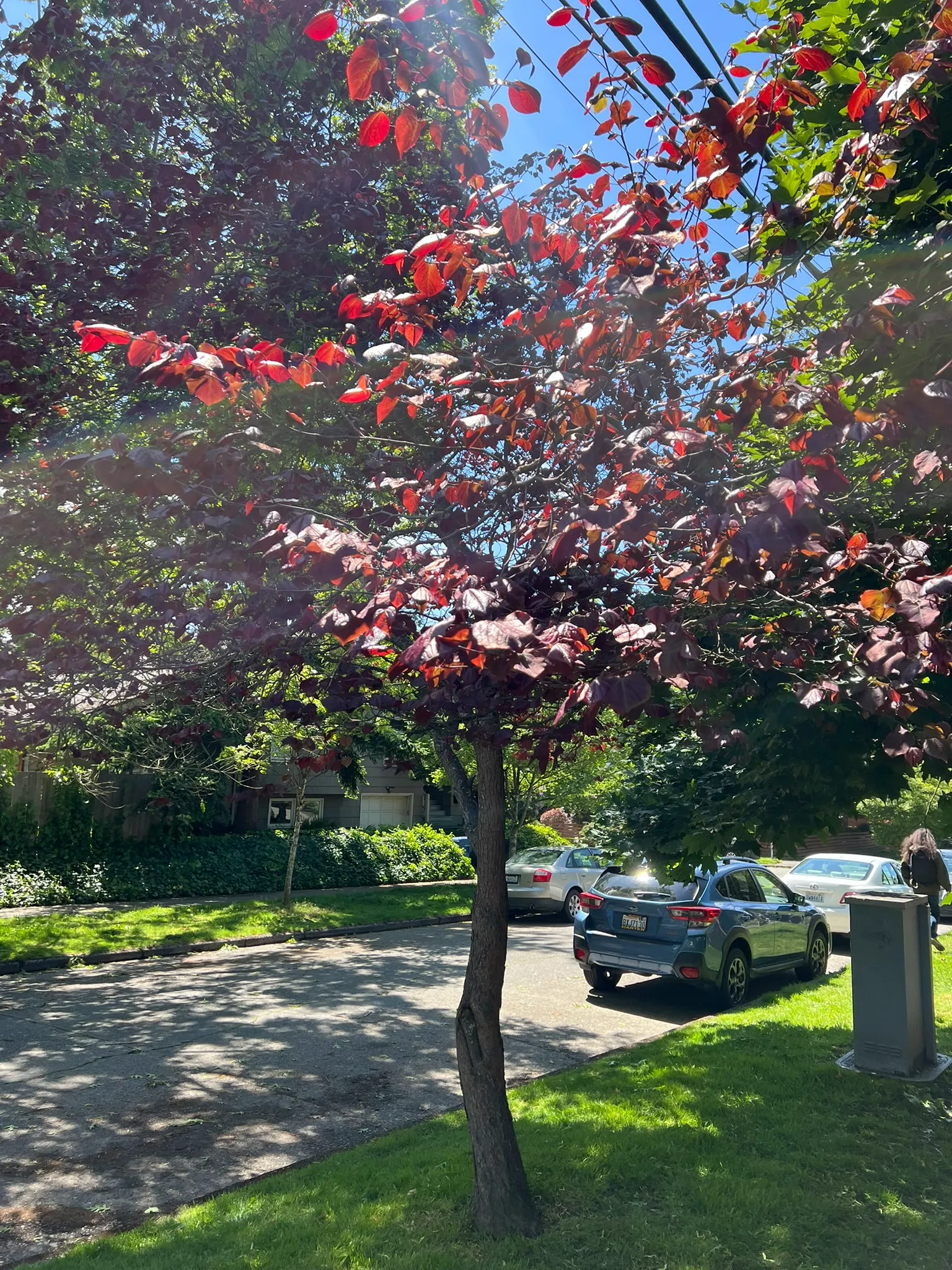
Medium green, heart-shaped, 3-5 inches (7-13 cm) wide with entire margins; turns yellow in fallGrowing Conditions
Sun Requirements
Requires 4-8 hours of direct sunlight daily
• Full Sun: 6+ hours of direct sunlight
• Partial Shade: 3-6 hours of direct sunlight
• Full Shade: Less than 3 hours of direct sunlight
Care & Maintenance
Care Guide
Full sun to partial shade (4-8 hours). Well-drained soil pH 6.0-7.5 — tolerates clay. Drought-tolerant once established. Prune immediately after flowering (May-June) — flower buds form in summer on old wood. Canker (Botryosphaeria) causes branch dieback — prune out infected wood. Short-lived (20-30 years). Deer browse foliage. Non-toxic. Zones 4-9.Pruning
Prune immediately after flowering (May-June) — flower buds for the following year form in summer on old wood. Remove dead, crossing, or canker-infected branches. Disinfect pruning tools between cuts to prevent spreading canker. The multi-stemmed spreading form is natural.Pruning Schedule
Prune: May–June
late spring