Cercis, Genus, occidentalis, Species,
- Genus & species
western redbud
California, Arizona, Nevada, and Utah
Overview
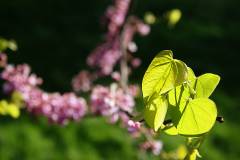
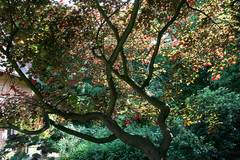
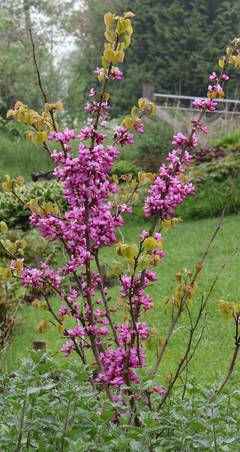
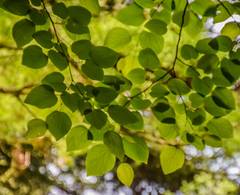
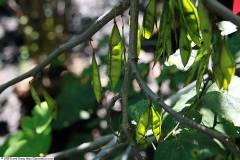
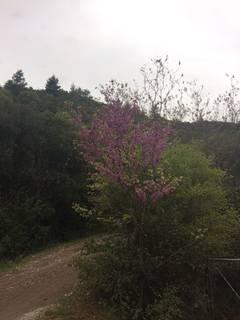
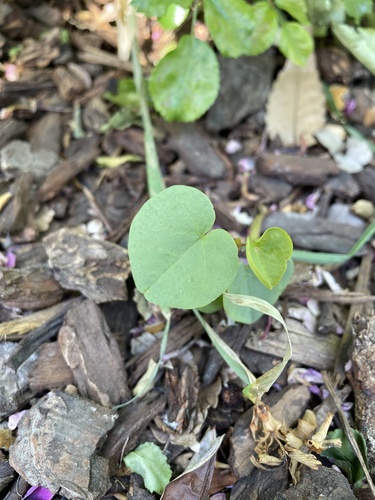
Cercis occidentalis is a compact, multi-stemmed, deciduous large shrub or small tree reaching 10–20 feet (3–6 m) tall with a spread of 10–15 feet (3–4.5 m). This western North American native produces magenta-pink, pea-like flowers 0.5 inch (1.3 cm) long in clusters directly on bare branches in March–April. The flower color is often slightly more vivid than C. canadensis. Leaves are kidney-shaped to round (reniform), 2–3.5 inches (5–9 cm) across—rounder, smaller, and thicker-textured than the heart-shaped leaves of C. canadensis. New leaves emerge with a slight blue-green to gray-green cast, maturing to medium blue-green. Fall color ranges from yellow to red-orange. The habit is naturally multi-stemmed with a rounded, bushy crown. Bark is dark reddish-brown to gray, smooth when young. Flat, reddish-purple to brown seed pods 2–3 inches (5–8 cm) long persist on the branches. Growth rate is slow to moderate at 6–12 inches (15–30 cm) per year. The species tolerates drought deeply once established, reflecting its dry California habitat; mature plants survive without supplemental water in Mediterranean climates with 10–20 inches (250–500 mm) of winter rainfall. It does not tolerate summer irrigation in the root zone; wet summer soils cause root rot and death within 1–2 seasons. The only native redbud species in western North America.
Native Range
Cercis occidentalis is native to California, Arizona, Nevada, and Utah, occurring on dry, rocky slopes, in chaparral, and along seasonal watercourses in the foothills and mountains from 500 to 4,500 feet (150–1,400 m). It is the only native redbud species in western North America.Suggested Uses
Planted as a specimen, in native plant gardens, on dry hillsides, and in Mediterranean-style gardens at 8–12 foot (2.4–3.6 m) spacing. The drought tolerance and dry-summer requirement suit this redbud to California and the Pacific Northwest west of the Cascades. Functions in chaparral restoration plantings. The multi-stemmed form and compact size suit smaller residential gardens. Paired with other California natives such as Arctostaphylos, Ceanothus, and Fremontodendron, the pink spring flowers contrast with the evergreen foliage of those companions. Irrigated landscapes, wet soils, and containers are unsuitable.How to Identify
Appearance
Size & Dimensions
Height10' - 20'
Width/Spread10' - 15'
Bloom Information
Magenta-pink, pea-like flowers 0.5 inch (1.3 cm) long emerge in dense clusters on bare branches from March through April. Bloom duration is 2–3 weeks. Reddish-purple to brown seed pods 2–3 inches (5–8 cm) long develop after flowering and persist through summer.
Detailed Descriptions
Foliage Description
Blue-green to gray-green, kidney-shaped to round, thick-texturedGrowing Conditions
Sun Requirements
Requires 6-12 hours of direct sunlight daily
• Full Sun: 6+ hours of direct sunlight
• Partial Shade: 3-6 hours of direct sunlight
• Full Shade: Less than 3 hours of direct sunlight
Care & Maintenance
Care Guide
Plant in full sun in well-drained to dry soil. Sharp drainage is the single most limiting cultural requirement. Once established (after the first year), summer irrigation in the root zone causes root rot and death within 1–2 seasons; placement away from lawn sprinklers and drip lines supports long-term survival. Lean, rocky, dry soils suit the species. The deep root system tolerates drought well. In hot, dry climates, mature plants survive on 10–20 inches (250–500 mm) of winter rainfall without supplemental summer water. No serious pest or disease problems in dry conditions.Pruning
Prune after flowering in late spring. Remove dead, damaged, and crossing branches. Thinning older stems every 3–4 years maintains an open, multi-stemmed framework. The species can be trained as a single-trunked small tree by selecting a leader in youth. The compact habit requires minimal shaping.Pruning Schedule
Prune: May
late spring