Image 1 of 17
1 / 17
Plant Reference
Cercis, Genus, canadensis, Species, 'Forest Pansy', Cultivar,
- Genus & species
- Cultivar
forest pansy redbud
Eastern North America (the species); 'Forest Pansy' introduced c. 1971 by Forest Farm Nursery, Williams, Oregon
Overview
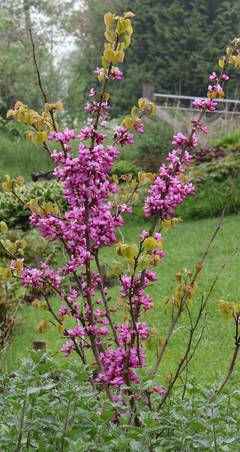
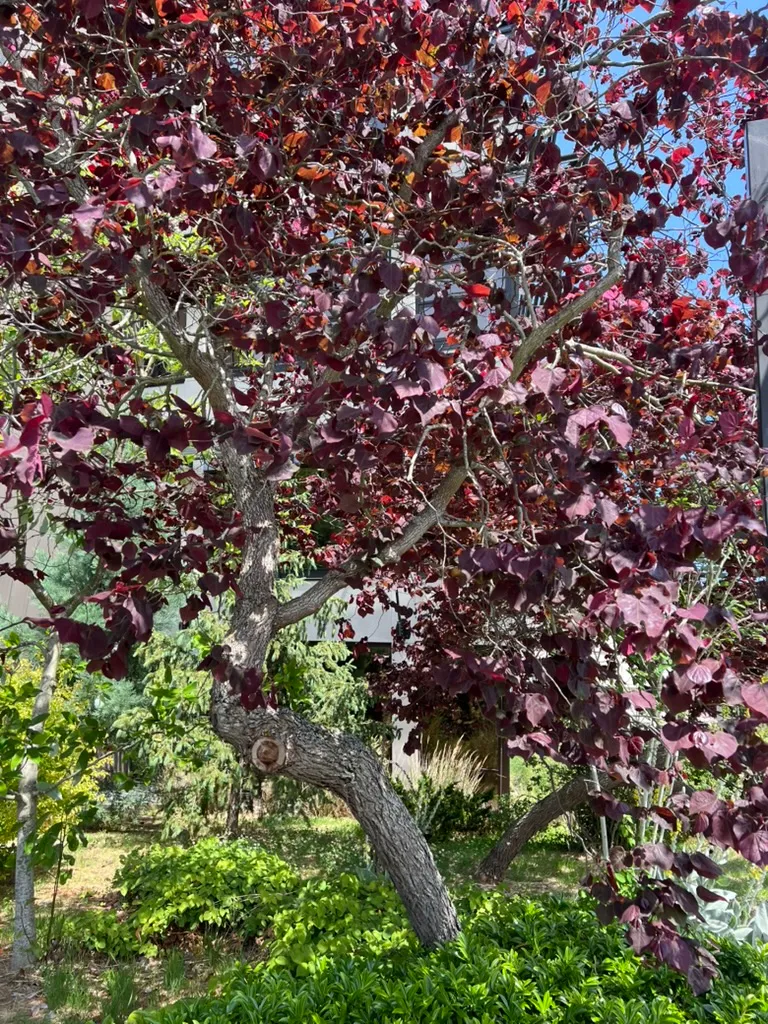
Cercis canadensis 'Forest Pansy' is Forest Pansy redbud (purple-leaved redbud), a small deciduous tree growing 15-25 feet (4.5-7.5 m) tall and 20-30 feet (6-9 m) wide — slightly smaller than the species type. Deep burgundy-purple heart-shaped leaves 3-5 inches (7-13 cm) wide emerge in spring. Lavender-pink pea-shaped flowers 0.5 inch (1.3 cm) in dense clusters along bare branches in March-April. The lavender-pink flowers against the emerging burgundy-purple foliage create a spring color combination. In the legume family (Fabaceae). The burgundy-purple foliage color fades to bronze-green by midsummer in hot climates (zones 7-9) — this color reversion in heat is the primary limitation for the cultivar. In cooler zones (5-6) the purple holds through most of summer. Falls to yellow, orange, and red in fall — more colorful fall display than the species (yellow only). Same canker susceptibility (Botryosphaeria) and short lifespan (20-30 years) as the species. Less cold-hardy than the species (zone 5 vs. zone 4). Deer browse the foliage. Drought-tolerant once established. Non-toxic. Zones 5-9. Full sun to partial shade. Growth rate is moderate.
Native Range
The species C. canadensis is native to eastern North America. 'Forest Pansy' was introduced c. 1971 by Forest Farm Nursery, Williams, Oregon.Suggested Uses
Grown as a specimen tree and understory tree in residential gardens spaced 20-30 feet (6-9 m). Purple foliage spring through summer. Lavender-pink spring bloom. Smaller than the species. Purple fades in hot climates. Short-lived. Non-toxic. Zones 5-9.How to Identify
Appearance
Size & Dimensions
Height15' - 25'
Width/Spread20' - 30'
Colors
Bloom Information
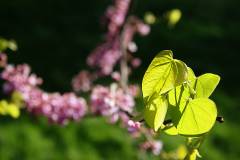
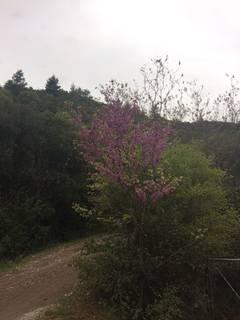
Early spring (March-April). Lavender-pink pea-shaped flowers 0.5 inch (1.3 cm) in dense clusters along bare branches and on the trunk (cauliflory). 3 weeks of bloom. Bee-, butterfly-, and hummingbird-pollinated. Flat brown seed pods follow.
Detailed Descriptions
Flower Description
Lavender-pink, pea-shaped (papilionaceous), 0.5 inch (1.3 cm), in dense clusters along bare branches and on the trunkFoliage Description
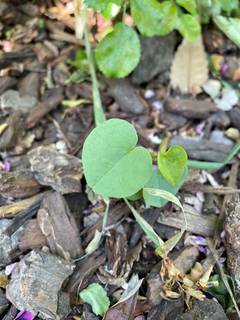
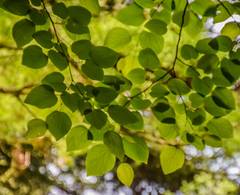
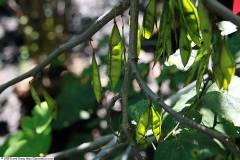
Emerges deep burgundy-purple, heart-shaped, 3-5 inches (7-13 cm) wide; the purple color fades toward bronze-green by midsummer in hot climates (zones 7-9); in cooler climates (zones 5-6) the purple holds longer; turns yellow, orange, and red in fallGrowing Conditions
Sun Requirements
Requires 4-8 hours of direct sunlight daily
• Full Sun: 6+ hours of direct sunlight
• Partial Shade: 3-6 hours of direct sunlight
• Full Shade: Less than 3 hours of direct sunlight
Care & Maintenance
Care Guide
Full sun to partial shade (4-8 hours — afternoon shade in zones 7-9 slows foliage color reversion). Well-drained soil pH 6.0-7.5. Drought-tolerant once established. Prune immediately after flowering (May-June). Canker (Botryosphaeria) causes branch dieback. Short-lived (20-30 years). Deer browse foliage. Non-toxic. Zones 5-9.Pruning
Prune immediately after flowering (May-June) — flower buds form in summer on old wood. Remove dead, crossing, or canker-infected branches. Disinfect pruning tools between cuts. The spreading multi-stemmed form is natural.Pruning Schedule
Prune: May–June
late spring