Cercis, Genus, racemosa, Species,
- Genus & species
chain-flowered redbud
Central and western China (Sichuan, Hubei, Hunan, Guizhou, Yunnan)
Overview
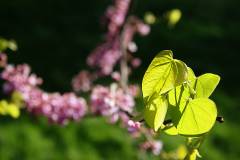
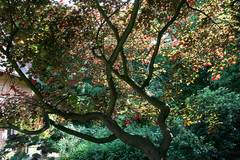
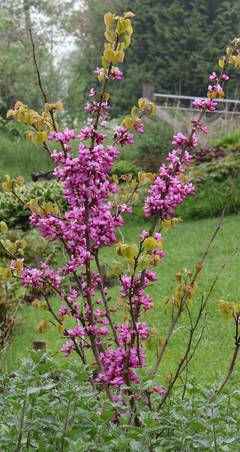
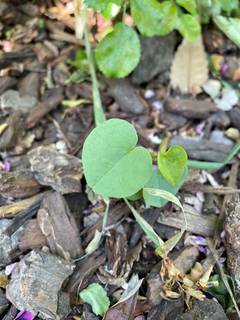
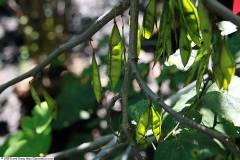
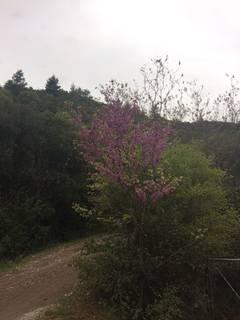
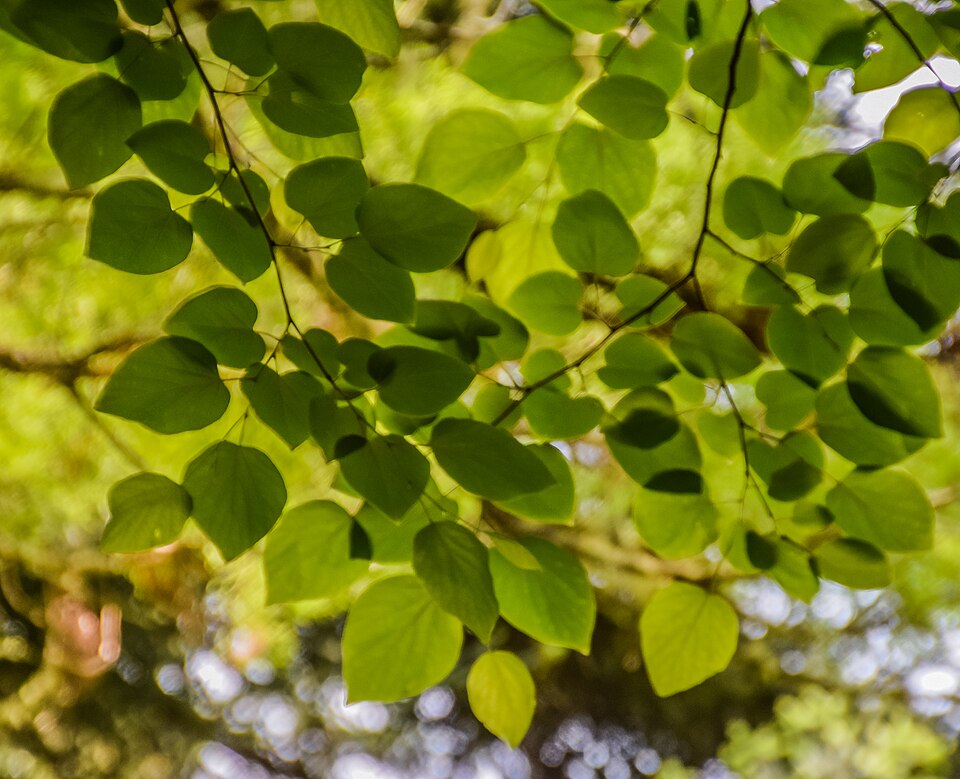
Cercis racemosa is a small to medium, deciduous tree reaching 20–35 feet (6–10.5 m) tall with a spread of 15–25 feet (4.5–7.5 m). The species bears its flowers in pendant racemes (hanging chains) 2–4 inches (5–10 cm) long rather than in tight sessile clusters on the branches—among cultivated Cercis species, only C. racemosa carries a racemose flower arrangement. The flowers are pink to rosy-pink, pea-like, 0.4–0.5 inch (1–1.3 cm) long, appearing in drooping chains from the branches and occasionally the trunk in April–May, giving a visual effect closer to Wisteria or Laburnum than to other redbuds. Leaves are heart-shaped, 3–5 inches (8–13 cm) across, medium green, with a slightly more pointed tip than C. canadensis. The crown is broadly pyramidal to rounded with a relatively upright habit. Bark is gray-brown. Flat, bean-like seed pods develop after flowering. Growth rate is moderate at 10–15 inches (25–38 cm) per year. The species is rarely cultivated outside specialty collections and arboreta in North America. Less cold-hardy than C. canadensis; sustained temperatures below 0°F (−18°C) cause damage. Difficult to source from mainstream nurseries; primarily sold through arboretum plant sales and specialty growers.
Native Range
Cercis racemosa is native to central and western China (Sichuan, Hubei, Hunan, Guizhou, Yunnan provinces), occurring in mountain woodlands and forest margins from 3,000 to 6,500 feet (900–2,000 m).Suggested Uses
Planted as a specimen tree and arboretum collection plant at 15–20 foot (4.5–6 m) spacing. The pendant flower chains display differently from all other redbuds and read most clearly at close range (within 20 feet / 6 m). Functions in woodland edges and partially shaded borders. The rarity and racemose flower arrangement make the species valued in specialist collections. Containers and exposed, cold sites are unsuitable.How to Identify
Appearance
Size & Dimensions
Height20' - 35'
Width/Spread15' - 25'
Bloom Information
Pendant racemes 2–4 inches (5–10 cm) long of pink to rosy-pink, pea-like flowers 0.4–0.5 inch (1–1.3 cm) long hang from branches and occasionally the trunk in April–May. Bloom duration is 2–3 weeks. The racemose flower arrangement distinguishes this species from all other cultivated redbuds, which bear sessile clusters.
Detailed Descriptions
Flower Description
Pink to rosy-pinkFoliage Description
Medium green, heart-shaped with pointed tipsGrowing Conditions
Sun Requirements
Requires 4-10 hours of direct sunlight daily
• Full Sun: 6+ hours of direct sunlight
• Partial Shade: 3-6 hours of direct sunlight
• Full Shade: Less than 3 hours of direct sunlight
Care & Maintenance
Care Guide
Plant in moist, well-drained soil in full sun to partial shade. Consistent moisture through the growing season is beneficial. Cold, drying winter winds cause bud kill and tip dieback in zone 7, so sheltered locations extend flower display from year to year. Less cold-hardy than C. canadensis; in zone 7, sheltered microclimates reduce winter damage. Difficult to source from nurseries; primarily available through specialty growers and arboretum sales. No serious pest or disease problems reported in cultivation. Canker may occur.Pruning
Prune in late winter to early spring. A central leader is maintained for a single-trunked tree form by removing competing vertical branches. Remove dead, damaged, and crossing branches. The pyramidal to rounded form requires minimal shaping.Pruning Schedule
Prune: February–March
winterearly spring