Cercis, Genus, canadensis, Species, 'Covey', Cultivar,
- Genus & species
- Cultivar
lavender twist weeping redbud tree
Overview
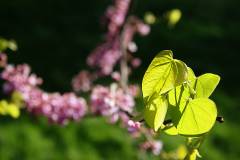
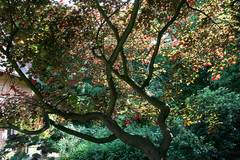
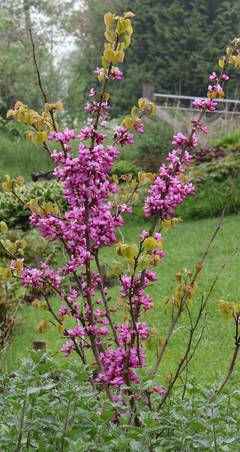
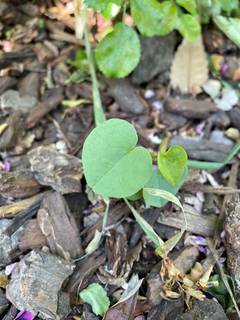
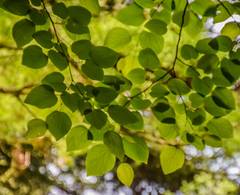
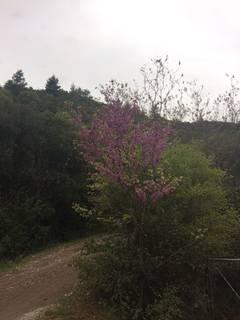
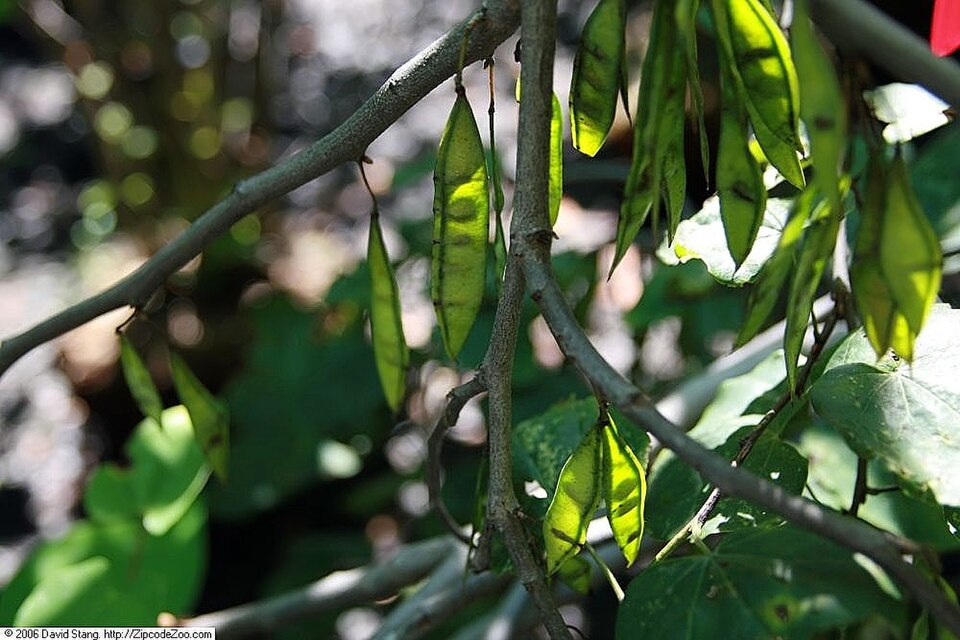
Cercis canadensis 'Covey', marketed as Lavender Twist, is a deciduous small tree with a strongly weeping habit. When grafted on a 4-5 foot (1.2-1.5 m) standard, it reaches 5-6 feet (1.5-1.8 m) tall and 6-8 feet (1.8-2.4 m) wide at maturity in 8-10 years. Branches are pendulous and twisted, cascading to ground level if not staked during establishment. Heart-shaped leaves measure 3-5 inches (8-13 cm) across, emerging bronze-tinged and maturing to medium green; foliage turns yellow before drop in October-November. Lavender-pink pea-shaped flowers, 0.5 inch (1.3 cm) long, cluster directly on bare branches and trunk in early to mid-spring before leaf emergence; bloom lasts 2-3 weeks. Flowers are followed by flat, 2-3 inch (5-8 cm) brown seed pods that persist into winter. Bark is smooth and gray-brown, becoming slightly fissured with age. Growth rate is slow, adding 6-12 inches (15-30 cm) per year. Branches are brittle and may break under heavy snow or ice. Stem cankers and Verticillium wilt occur on stressed trees, particularly in heavy clay soils. Lifespan is typically 20-30 years, shorter than that of the species.
Native Range
Cercis canadensis is native to eastern and central North America from southern Ontario south to northern Florida, west to Iowa, Nebraska, and central Texas. 'Covey' is a cultivated selection discovered as a chance seedling in Westfield, New York in the early 1980s; it does not occur in the wild.Suggested Uses
Used as a specimen in front yards and small courtyards where the cascading form is visible from multiple angles. Spaced 6-8 feet (1.8-2.4 m) from buildings or paths to allow for full lateral spread. Container grown in 25-gallon (95 L) or larger pots, with shorter expected lifespan of 8-10 years compared to in-ground plantings.How to Identify
Appearance
Size & Dimensions
Height5' - 6'
Width/Spread6' - 8'
Colors
Bloom Information
Late March through April in zones 6-7, mid-April through early May in zone 5, and February through March in zones 8-9. Bloom duration is 2-3 weeks; warm spring weather shortens flowering to 10-12 days. Flowers emerge directly from bare branches and trunk before leaves expand. Fruit pods develop by June and persist on branches into winter.
Detailed Descriptions
Foliage Description
medium green, bronze-tinged when emerging, yellow in fallGrowing Conditions
Sun Requirements
Requires 4-8 hours of direct sunlight daily
• Full Sun: 6+ hours of direct sunlight
• Partial Shade: 3-6 hours of direct sunlight
• Full Shade: Less than 3 hours of direct sunlight
Care & Maintenance
Care Guide
Water deeply once per week during the first two growing seasons; established trees tolerate 2-3 weeks without rain in zones 5-7 but show wilt and leaf scorch during summer drought in zones 8-9. Mulch with 2-3 inches (5-8 cm) of bark or wood chips kept clear of the trunk. Stake the central leader for the first 2-3 years to develop a clear standard form; without staking, the leader droops and the tree assumes a shrubby mound. Verticillium wilt and canker occur on trees in poorly drained soils. Branches are prone to ice damage in zones 5-6 and breakage occurs in heavy wet snow. Lifespan averages 20-30 years.Pruning
Prune in late winter or early spring before bud break, removing dead, crossing, or rubbing branches. The weeping habit develops naturally; major shaping is unnecessary. Cuts larger than 1 inch (2.5 cm) seal slowly in Cercis and create entry points for canker. Suckers emerging below the graft union are removed at the base whenever they appear, as they revert to the species form.Pruning Schedule
Prune: February–March
winterearly spring
Container Growing
Suitable for container growing
Minimum container size: 25 gallons