Cercis, Genus, chinensis, Species, 'Avondale', Cultivar,
- Genus & species
- Cultivar
Avondale Chinese redbud
Species native to central and southern China; cultivar selected in Auckland, New Zealand
Overview
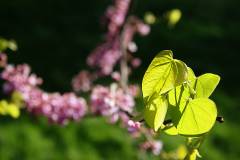
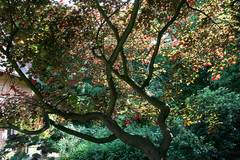
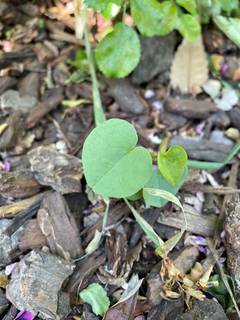
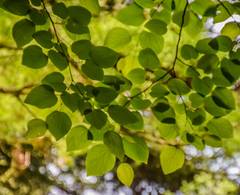
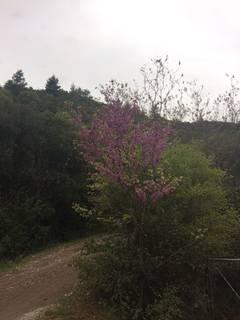
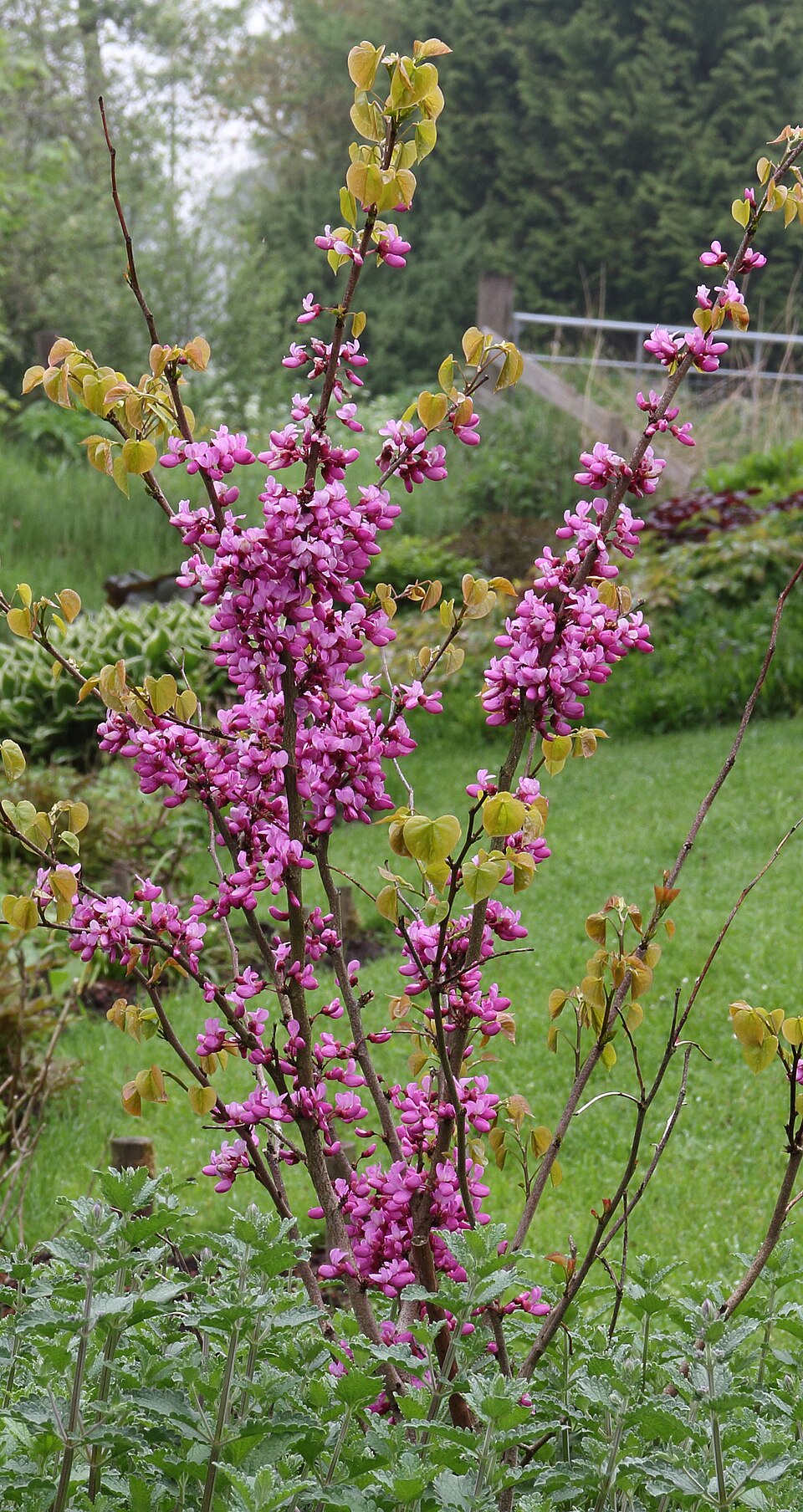
Cercis chinensis 'Avondale' is a compact, multi-stemmed, deciduous large shrub or small tree reaching 8–15 feet (2.4–4.5 m) tall with a spread of 8–12 feet (2.4–3.6 m). The cultivar carries a heavy display of deep rosy-purple, pea-like flowers 0.6 inch (1.5 cm) long that emerge in dense clusters directly on the bare branches and trunk in March–April; flower counts per linear foot of branch are noticeably higher than on C. canadensis or typical C. chinensis seedlings. The flower color is darker and more intensely pigmented than C. canadensis. Leaves are heart-shaped, 3–5 inches (8–13 cm) across, glossy dark green with a leathery texture—glossier and slightly thicker than C. canadensis. The leaves emerge after flowering. The form is upright-vase-shaped to rounded, typically multi-stemmed, more compact than C. canadensis. Bark is dark gray to black, smooth. Flat, bean-like seed pods 3–5 inches (8–13 cm) long develop in summer. Growth rate is moderate at 8–12 inches (20–30 cm) per year. 'Avondale' was selected at Avondale Nurseries, Auckland, New Zealand, for its heavy flowering and compact habit. Less cold-hardy than C. canadensis; sustained temperatures below 0°F (−18°C) cause branch dieback and reduced flowering the following spring.
Native Range
The species Cercis chinensis is native to central and southern China, occurring in open woodlands, forest margins, and hillsides from 500 to 4,500 feet (150–1,400 m). 'Avondale' was selected at Avondale Nurseries, Auckland, New Zealand, in the 1970s.Suggested Uses
Planted as a specimen, in mixed borders, or as a patio tree at 8–12 foot (2.4–3.6 m) spacing. The compact size fits smaller gardens where C. canadensis would outgrow the space. Functions in courtyard gardens, near entries, and along paths where the cauliflorous flower display is visible at close range. Grows in large containers of at least 10 gallons (38 L). Positioned against evergreen backgrounds, the deep rosy-purple flowers contrast with the dark green foliage of hollies, yews, or camellias.How to Identify
Appearance
Size & Dimensions
Height8' - 15'
Width/Spread8' - 12'
Bloom Information
Deep rosy-purple, pea-like flowers 0.6 inch (1.5 cm) long emerge in dense clusters directly on the bare branches and trunk from March through April. Bloom duration is 2–3 weeks. The flower display is denser than typical C. canadensis selections, with flowers often covering the entire length of 2–5 year-old wood. Flat, bean-like seed pods 3–5 inches (8–13 cm) develop after flowering.
Detailed Descriptions
Foliage Description
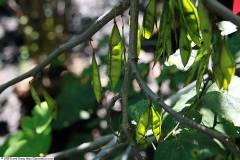
Glossy dark green, heart-shaped, leathery textureGrowing Conditions
Sun Requirements
Requires 4-10 hours of direct sunlight daily
• Full Sun: 6+ hours of direct sunlight
• Partial Shade: 3-6 hours of direct sunlight
• Full Shade: Less than 3 hours of direct sunlight
Care & Maintenance
Care Guide
Plant in moist, well-drained soil in full sun to partial shade. Full sun produces the heaviest flowering. Tolerates a range of soil types. Less cold-hardy than C. canadensis, and siting in a sheltered location in zones 6–7 reduces winter damage. Cold, drying winter winds cause bud kill and branch tip dieback; sites screened by evergreens or structures retain more flower buds. Consistent moisture is beneficial during establishment (first 2–3 years). Canker disease can cause branch dieback, particularly in poorly drained soils. The multi-stemmed habit benefits from thinning the oldest stems periodically to maintain vigor.Pruning
Prune after flowering in late spring. Remove dead, damaged, and crossing branches. Thinning older stems every 3–4 years maintains an open, multi-stemmed framework. The cultivar can be trained to a single trunk by selecting a leader and removing competing stems in youth. The compact habit requires minimal shaping.Pruning Schedule
Prune: May
late spring
Container Growing
Suitable for container growing
Minimum container size: 10 gallons