Lactuca, Genus, sativa, Species, 'Jericho', Cultivar,
- Genus & species
- Cultivar
Jericho Lettuce
Open-pollinated cultivar developed in Israel (Jericho region); the species L. sativa is native to the Mediterranean region
SunFull Sun – Part Shade
WaterMedium
Overview
Lactuca sativa 'Jericho' is Jericho lettuce (Jericho romaine), a romaine (cos-type) annual forming an upright elongated head 10-12 inches (25-30 cm) tall and 6-8 inches (15-20 cm) wide. Dark green thick-textured outer leaves with prominent white midribs and pale green hearts. Slightly savoyed leaf surface. In the daisy family (Asteraceae). Open-pollinated cultivar developed in Israel (Jericho region) — selected for heat tolerance in desert conditions. Seed can be saved. The heat-tolerant romaine: bolts later than most romaine cultivars in warm conditions — tolerates sustained temperatures above 85°F (29°C) that cause other romaines to bolt. The leaves become slightly more bitter in heat but remain edible longer than other cultivars. Romaine type: upright elongated head with crisp thick-ribbed leaves. 70-80 days to mature head, 30-35 days for baby leaf. Succession-sow every 2-3 weeks. Slugs and aphids are primary pests. Not deer-resistant. Non-toxic (edible crop). Full sun to partial shade. Annual. Growth rate is moderate.
Native Range
Open-pollinated cultivar developed in Israel (Jericho region). The species L. sativa is native to the Mediterranean region.Suggested Uses
Grown in vegetable gardens, raised beds, and containers of at least 2 gallons (8 L). Heat-tolerant romaine — for warmer climates. Open-pollinated. Succession-sow. Non-toxic. Not deer-resistant. Annual.How to Identify
Appearance
Size & Dimensions
Height10" - 1'
Width/Spread6" - 8"
Bloom Information
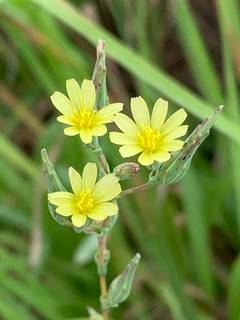
Bolts in sustained heat — yellow composite flowers (daisy family). Bolting makes leaves bitter. More bolt-resistant than most romaines in warm conditions.
Detailed Descriptions
Flower Description
Yellow, daisy-family composite — only if allowed to bolt; undesirableFoliage Description
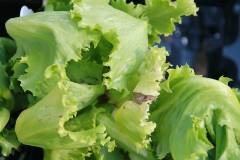
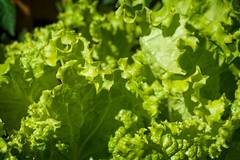
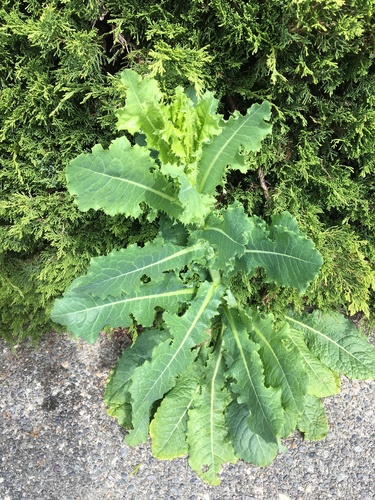
Dark green outer leaves with pale green hearts and prominent white midribs; thick textured, slightly savoyedGrowing Conditions
Sun Requirements
Requires 4-10 hours of direct sunlight daily
• Full Sun: 6+ hours of direct sunlight
• Partial Shade: 3-6 hours of direct sunlight
• Full Shade: Less than 3 hours of direct sunlight
Care & Maintenance
Care Guide
Full sun to partial shade. Rich moist soil pH 6.0-7.0. Heat-tolerant romaine — bolts later than most in warm conditions. Succession-sow every 2-3 weeks. Open-pollinated — save seeds. Slugs and aphids. Not deer-resistant. Non-toxic. Annual.Pruning
Harvest the entire head by cutting at the base, or harvest outer leaves by cut-and-come-again. Pull the plant when bolting stalk appears. Succession-sow.Container Growing
Suitable for container growing
Minimum container size: 2 gallons
Toxicity
Non-toxicPlanting Guide
Planting Methods & Timing
Planting Method
both
Indoor Start
4 weeks before last frost
Direct Sow Timing
Early spring through late summer; tolerates warmer conditions than most romaine types
Days to Maturity
70–80 days
Plant Spacing
8 inches