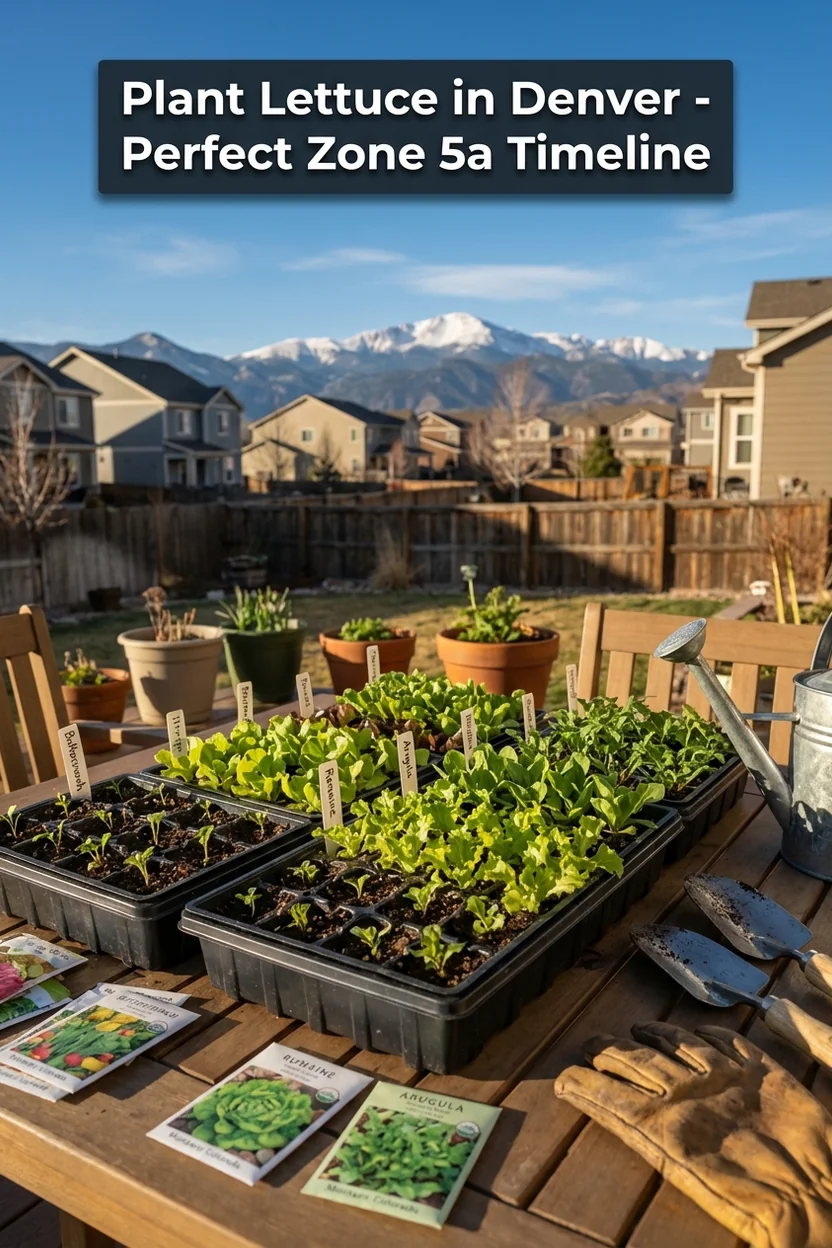
When to Plant Lettuce in Denver: Complete Guide + Best Varieties for Zone 5a
Pets & Toxicity
Recorded toxicity for plants linked in this guide. An unknown status is not a safety assessment.
No linked plant is recorded as toxicDetailsHide
Lactuca sativa var. crispa — Toxicity: Not assessed
Lactuca sativa var. crispa is non-toxic and safe for human consumption. All parts of the plant are edible, though leaves are the primary harvest. Generally safe around pets, though large quantities may cause mild digestive upset in some animals.View Lactuca sativa var. crispa plant profile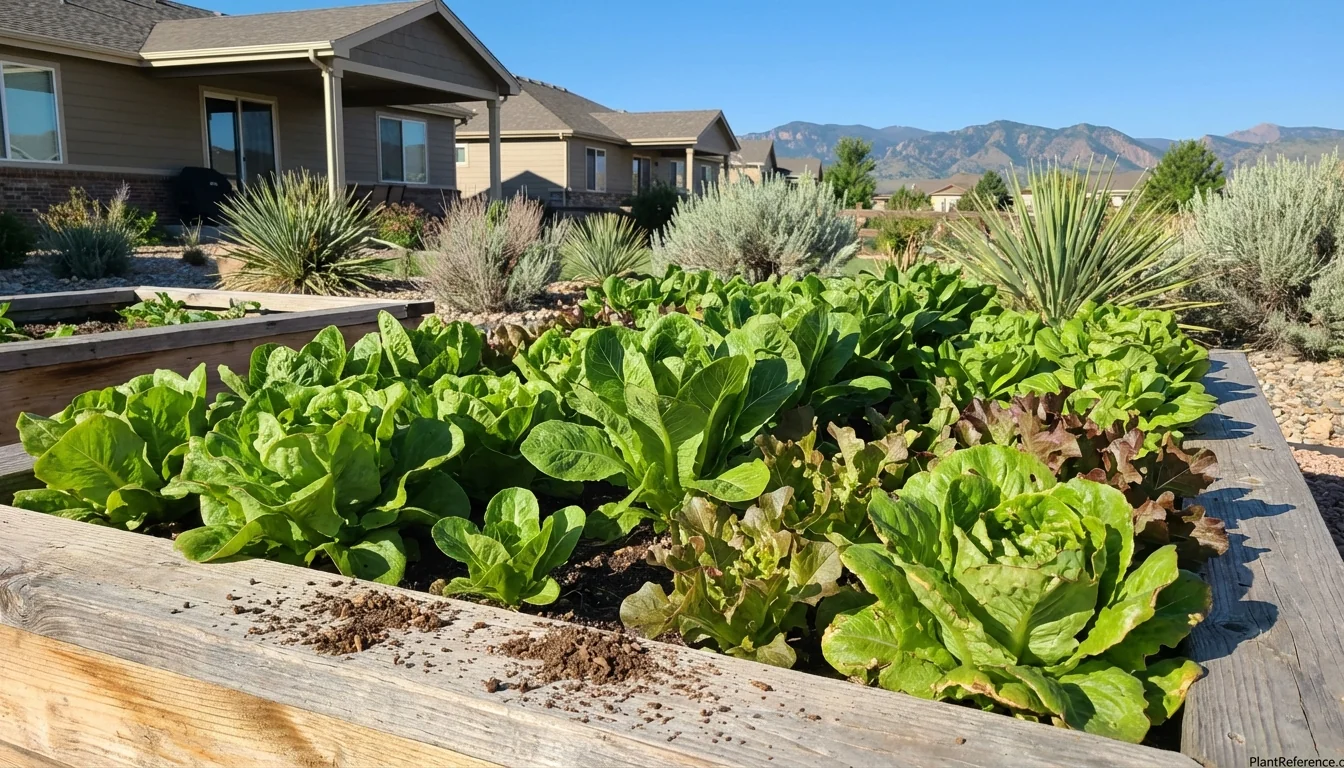
— Image © Plant Reference 2026
Growing lettuce in Denver's Zone 5a climate means working with Colorado's unique combination of intense sun, low humidity, and dramatic temperature swings. After forty years of vegetable gardening, I'll tell you exactly when to plant lettuce in Denver and which varieties thrive in our challenging conditions.
Best Lettuce Varieties for Denver's Zone 5a Climate
Denver's high altitude and intense UV radiation create unique growing conditions that favor certain lettuce varieties over others. The key is selecting cultivars that can handle temperature fluctuations while resisting bolt in our intense spring sunshine.
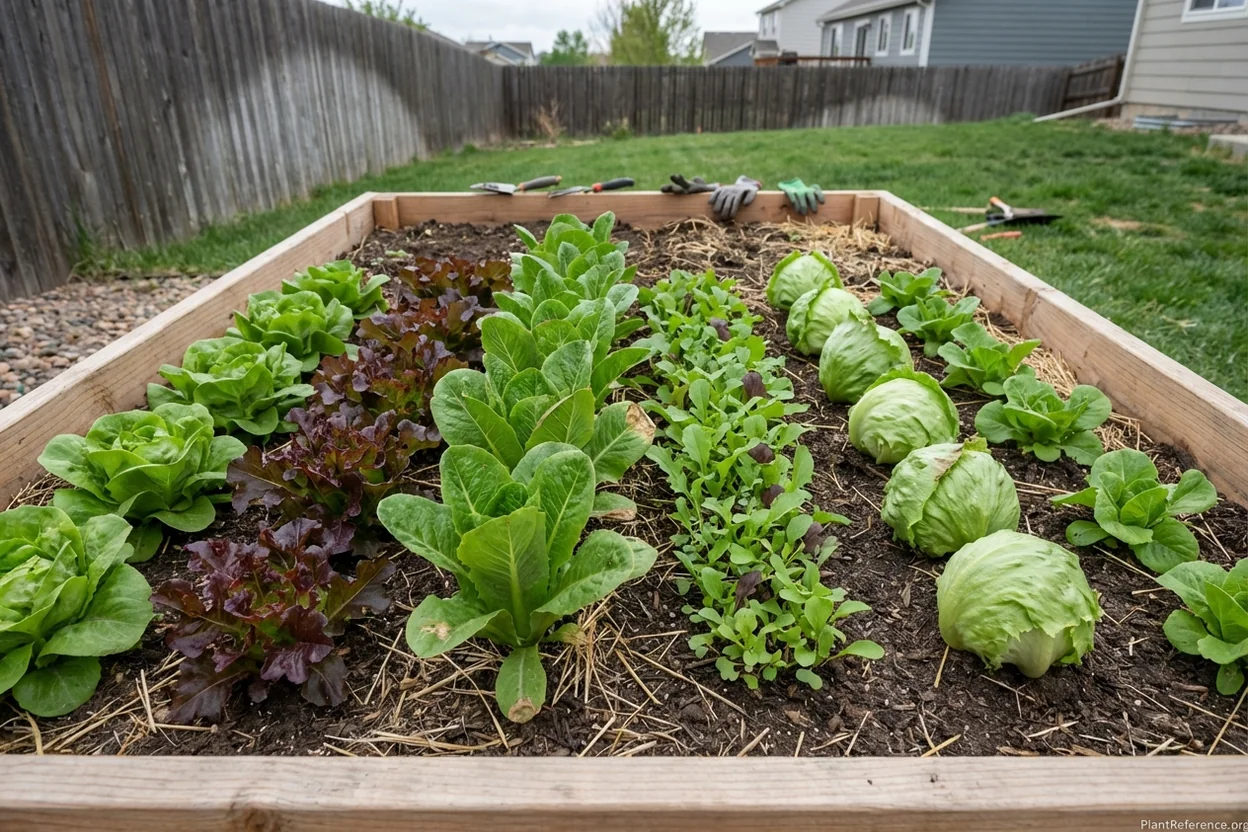
🌿Lactuca sativa 'Buttercrunch' stands out as the most reliable performer in Denver gardens. This All-America Selection winner forms compact, heat-tolerant heads that resist bolting longer than traditional butterhead types. Maturing in 55-65 days, it handles our intense spring sun better than most varieties while maintaining that signature buttery texture.
🌿Lactuca sativa 'Red Oak Leaf' brings both beauty and resilience to Denver gardens. The deeply lobed leaves with burgundy edges actually intensify in color during our cool fall nights. This looseleaf type matures quickly (45-55 days) and tolerates heat better than heading varieties, making it perfect for succession planting through Denver's growing season.
🌿Lactuca sativa 'Jericho' romaine variety was specifically bred for heat tolerance, making it one of the few romaines that can handle Denver's late spring heat waves. The upright growth habit promotes air circulation, reducing disease pressure in our occasionally humid summer afternoons.
Variety | Days to Maturity | Best For | Notes for Denver |
|---|---|---|---|
55-65 days | Spring/Fall | Excellent heat tolerance for Zone 5a | |
45-55 days | All season | Cut-and-come-again harvesting | |
70-80 days | Spring | Heat-tolerant romaine variety | |
🌿Lactuca sativa var. crispa Mesclun Mix | 30-40 days | Quick harvest | Multiple successions possible |
80-90 days | Fall only | Needs long cool season | |
55-65 days | Controlled conditions | Requires consistent moisture |
Mesclun Mix provides the fastest harvest in Denver, ready to cut in just 30-40 days. This makes it ideal for filling gaps between longer-season crops or getting greens on the table early in spring when you're eager for fresh garden produce.
🌿Lactuca sativa 'Great Lakes' iceberg lettuce can work in Denver, but only as a fall crop. The 80-90 day maturity requirement means it must be started in late July to mature before hard freeze, making timing critical.
Specific Planting Dates for Denver Gardeners
Denver's last frost date of May 9 and first fall frost on October 4 create a 148-day growing season that supports two distinct lettuce seasons. Here's exactly when to plant each variety for best results.
Spring Planting Schedule
Indoor Seed Starting: March 1-15 Start 🌿Lactuca sativa 'Jericho' romaine and 🌿Lactuca sativa 'Great Lakes' iceberg indoors 6-8 weeks before transplanting. Use a cool basement or unheated garage where temperatures stay between 60-65°F (16-18°C) during the day.
Direct Seeding: March 15-April 1 Begin with cold-hardy varieties like 🌿Lactuca sativa 'Red Oak Leaf' and mesclun mix. Denver's soil is often workable by mid-March, but use row covers if temperatures drop below 28°F (-2°C).
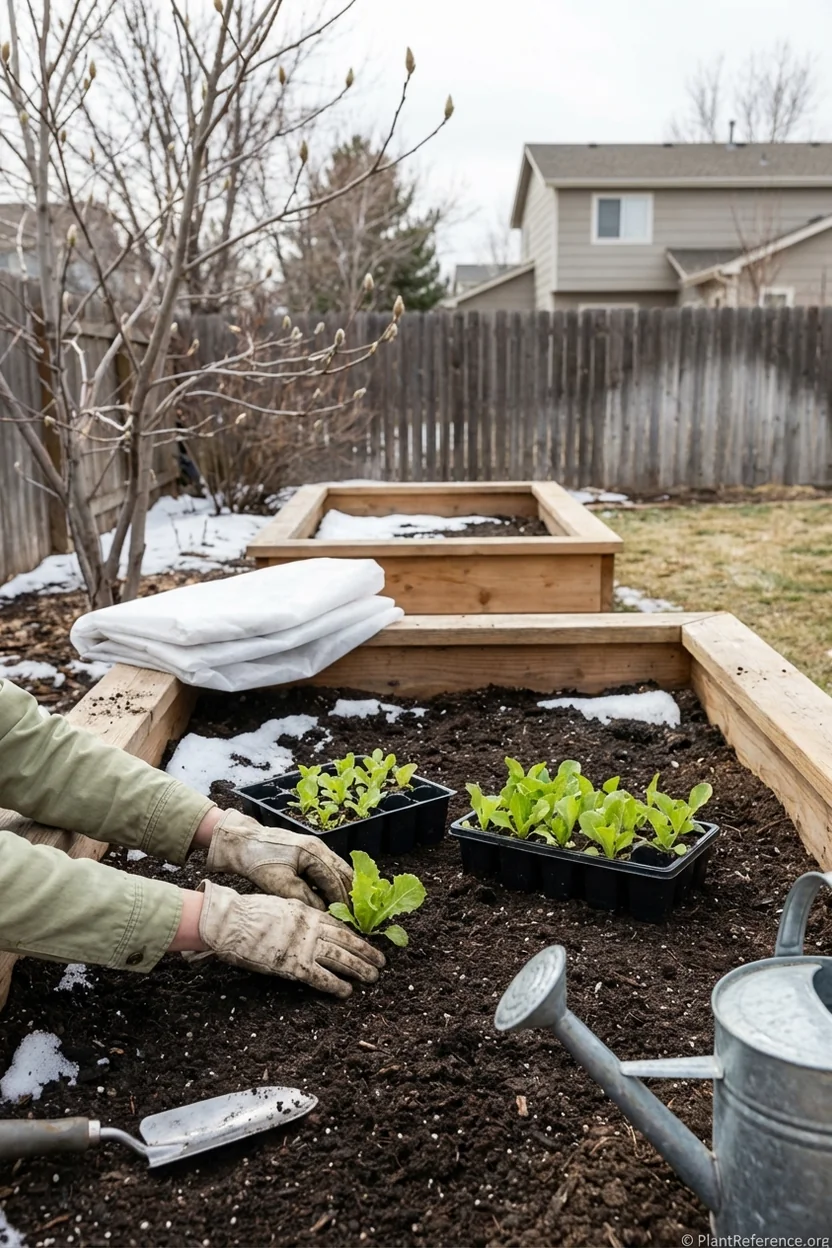
Transplanting: April 15-May 1 Move indoor-started plants outside after hardening off for one week. Plant 🌿Lactuca sativa 'Buttercrunch' and other butterheads during this window for optimal head formation.
Summer Break Strategy
From June 1 through July 31, lettuce production becomes challenging in Denver due to intense UV radiation and heat. Instead of fighting these conditions, focus on maintaining existing plants under shade cloth (30-40% shade) or move to fall preparation.
Fall Planting Schedule
Direct Seeding: August 1-15 This is Denver's prime lettuce planting window. Soil temperatures are still warm enough for germination, but plants will mature into cool autumn weather. All varieties except 🌿Lactuca sativa 'Great Lakes' iceberg can be planted during this period.
Late Fall Planting: September 1-15 Plant only quick-maturing varieties like mesclun mix and 🌿Lactuca sativa 'Red Oak Leaf' that can be harvested before the October 4 frost date.
Succession Planting Strategy
For continuous harvests, plant small amounts every 10-14 days:
Spring: March 15, April 1, April 15, May 1
Fall: August 1, August 15, September 1
This schedule ensures lettuce is always at optimal eating quality rather than having everything mature simultaneously.
Complete Growing Guide for Denver's Climate
Denver's unique high-altitude conditions require specific growing techniques that differ from sea-level gardening advice.
Soil Preparation for Colorado Conditions
Denver's clay-heavy soil and alkaline pH (typically 7.5-8.0) need amendment for successful lettuce production. Work in 2-3 inches (5-8 cm) of compost annually to improve drainage and lower pH. Lettuce prefers slightly acidic to neutral soil (6.0-7.0 pH).
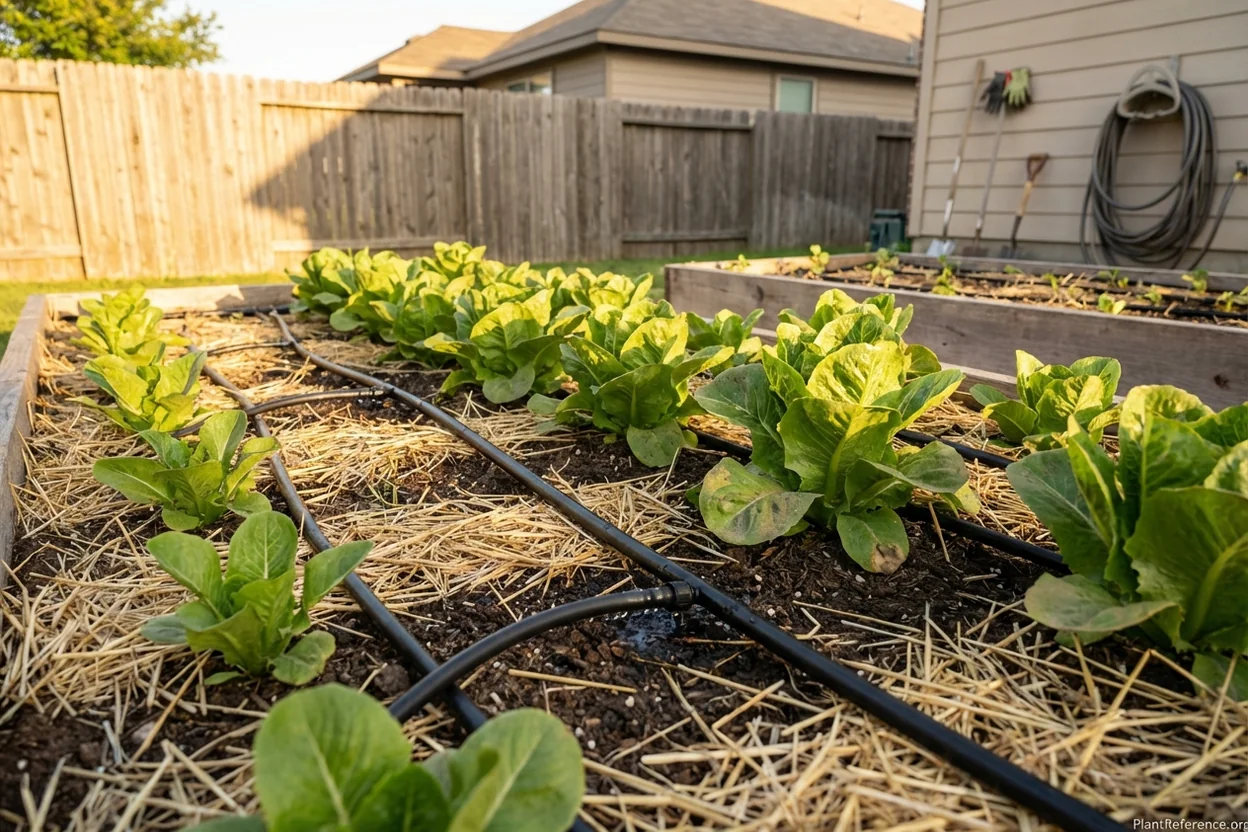
The intense Colorado sun heats soil rapidly, so mulching becomes critical. Apply 2-inch (5 cm) layer of straw mulch around plants, keeping it 1 inch (2.5 cm) away from stems to prevent slug habitat.
Water Management in Low Humidity
Denver's average humidity of 45% creates different watering needs than humid climates. Lettuce requires consistent soil moisture but excellent drainage. Water deeply 2-3 times weekly rather than daily light watering.
Morning watering is essential in Denver to reduce disease pressure and water loss to evaporation. Aim for 1-1.5 inches (2.5-4 cm) weekly, including rainfall.
Managing Denver's Temperature Swings
Denver is famous for 40°F (22°C) temperature drops in 24 hours. Protect lettuce with row covers when temperatures threaten to drop below 25°F (-4°C). However, mature lettuce can handle brief dips to 20°F (-7°C) once acclimated.
For unexpected late spring freezes, water plants in the afternoon before the freeze. Wet soil retains more heat than dry soil, providing several degrees of protection.
Altitude and UV Considerations
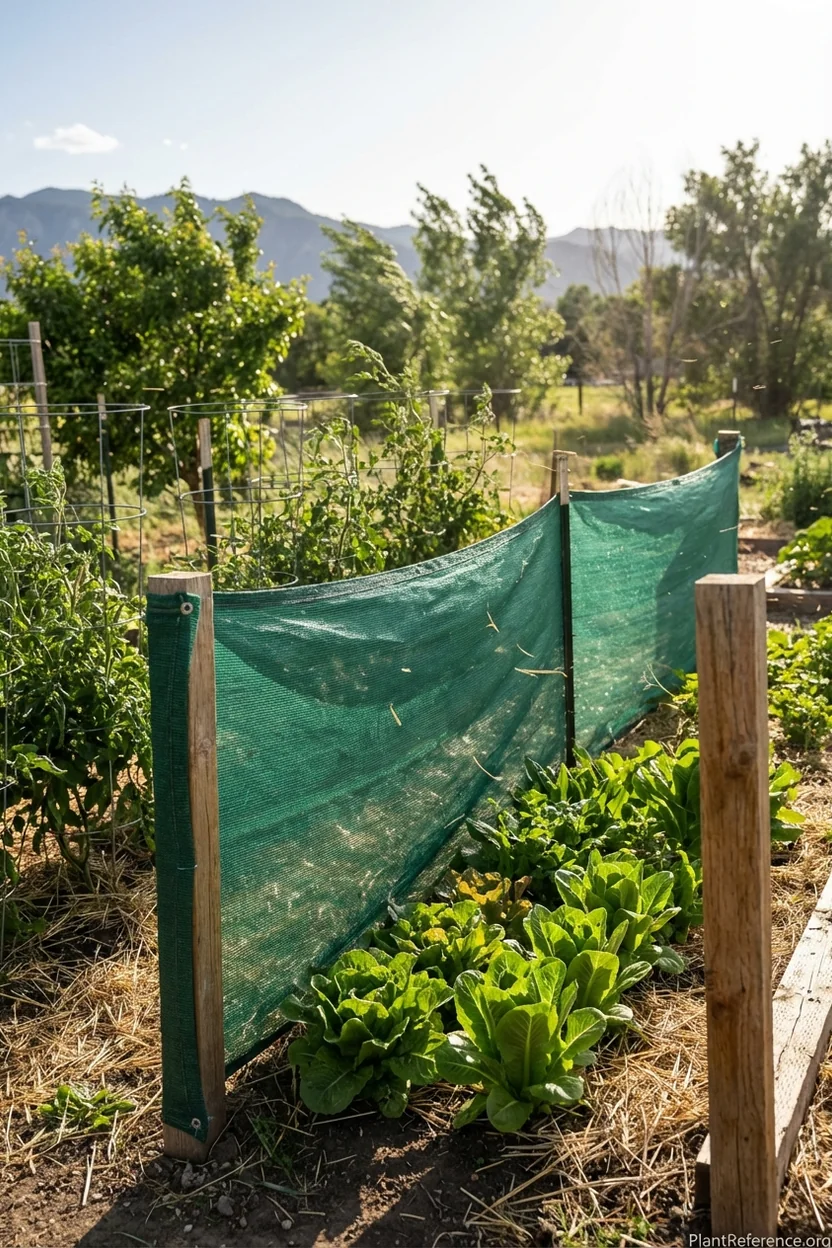
At 5,280 feet elevation, Denver receives 25% more UV radiation than sea level. This intense light can cause leaf scorch on tender varieties. Provide afternoon shade during summer months using shade cloth or companion planting with taller crops like tomatoes or beans.
The thin atmosphere also means rapid temperature changes. Monitor weather forecasts closely and be prepared to protect plants quickly.
Troubleshooting Denver-Specific Lettuce Problems
Denver's unique climate creates specific challenges that differ from typical lettuce growing problems.
Altitude Sickness in Plants
Symptoms: Stunted growth, purpling of leaves, slow development Cause: Intense UV radiation and temperature stress at elevation Solution: Use 30% shade cloth during hottest part of day (11 AM - 3 PM). Gradually acclimate transplants to full sun over 7-10 days.
Rapid Bolting in Spring
Symptoms: Plants send up flower stalks when only 4-6 inches tall Cause: Temperature swings trigger premature flowering response Solution: Select bolt-resistant varieties like 🌿Lactuca sativa 'Buttercrunch' and 🌿Lactuca sativa 'Red Sails'. Use row covers to moderate temperature swings.
Wind Damage and Dehydration
Symptoms: Torn leaves, rapid wilting, brown leaf edges Cause: Denver's frequent 25+ mph winds desiccate plants Solution: Install windbreaks using mesh fencing or plant taller companion crops. Increase watering frequency during windy periods.
Alkaline Soil Stress
Symptoms: Yellowing between leaf veins, poor root development Cause: Denver's naturally alkaline soil (pH 7.5-8.0) locks up nutrients Solution: Add sulfur to lower pH or use acidic organic matter like pine needles. Apply liquid fertilizer with chelated iron monthly.
Hail Damage Recovery
Symptoms: Shredded leaves, broken stems after hail storms Cause: Colorado's frequent severe weather Solution: Cut damaged plants to 2 inches above soil level. Most lettuce varieties will regrow from the crown within 2-3 weeks. Replant if damage occurs after August 15.
Harvest & Storage in Colorado
Denver's dry climate creates excellent conditions for post-harvest handling but requires specific techniques.
Optimal Harvest Timing
Harvest lettuce in early morning (6-8 AM) when leaves are fully hydrated. Colorado's low humidity means plants lose moisture quickly once cut.
Mesclun Mix: Cut when 3-4 inches (8-10 cm) tall 🌿Lactuca sativa 'Red Oak Leaf':** Harvest outer leaves continuously or cut entire plant 🌿Lactuca sativa 'Buttercrunch':** Harvest when heads feel firm but not tight 🌿Lactuca sativa 'Jericho' Romaine:** Cut when 8-10 inches (20-25 cm) tall
Storage in Denver's Dry Climate
Immediately submerge harvested lettuce in ice water for 10 minutes to rehydrate. Store in perforated plastic bags in refrigerator crisper drawer with humidity control set to high.
Denver-grown lettuce typically stores 7-10 days when properly handled, compared to 5-7 days for store-bought lettuce shipped from distant locations.
Frequently Asked Questions
Can I grow lettuce year-round in Denver?
Denver's Zone 5a climate allows lettuce production from March through October outdoors, with potential winter growing in cold frames or unheated greenhouses. The key is selecting appropriate varieties for each season and protecting plants from temperature extremes.
Why does my lettuce bolt so quickly in Denver?
Denver's intense sunshine and temperature fluctuations trigger bolting faster than in moderate climates. Choose bolt-resistant varieties like 🌿Lactuca sativa 'Buttercrunch' and provide afternoon shade during summer months. Consistent watering also helps prevent stress-induced bolting.
Which lettuce varieties handle Denver's hail storms best?
Looseleaf varieties like 🌿Lactuca sativa 'Red Oak Leaf' recover fastest from hail damage because they don't rely on head formation. Romaine types with thick midribs also withstand physical damage better than delicate butterhead varieties.
Should I start lettuce seeds indoors in Denver?
For spring crops, starting seeds indoors 6-8 weeks before transplanting extends your growing season and ensures transplants are ready when soil conditions are optimal. Direct seeding works well for fall crops when soil temperatures are naturally warm.
How do I prevent lettuce from turning bitter in Denver's heat?
Provide afternoon shade using 30-40% shade cloth, maintain consistent soil moisture, and harvest in early morning. Choose heat-tolerant varieties and avoid growing lettuce during peak summer (June-July) unless you can provide significant environmental modification.
Can I succession plant lettuce all season in Denver?
Succession planting works well in spring (March-May) and fall (August-September), but becomes impractical during Denver's hot summer months. Plan for a summer break and resume planting in August for fall harvests.
What's the best mulch for lettuce in Denver?
Straw mulch works best in Denver's climate, providing soil cooling while allowing good air circulation. Avoid wood chips, which can harbor slugs, and plastic mulch, which overheats soil in our intense sunshine.
Frequently Asked Questions
Reading about plants and recognising them are different skills. These three build the second.
- Daily PlantIdentify the day’s mystery plant from a close-up photograph.
- Keyed OutWork a dichotomous key, lead by lead, to name a hidden specimen.
- Name That PlantName a specimen from botanical clues dealt hardest first.
Free to play, no account needed
Dot grew up on a small farm in rural Virginia and has maintained a vegetable garden for decades. After retiring from teaching elementary school, she became a Master Gardener volunteer and spends her time mentoring new gardeners at community garden plots in Richmond. She's especially knowledgeable about heirloom varieties, seed saving, and traditional growing methods passed down from her grandmother. Dot's no-nonsense advice comes from extensive trial and error—she's seen every tomato disease, pest problem, and weather disaster imaginable. Her biggest pet peeve is gardeners who overcomplicate simple tasks. "Plants want to grow," she often says. "Your job is to not get in their way."