Lactuca, Genus, sativa, Species, 'Parris Island Cos', Cultivar,
- Genus & species
- Cultivar
Parris Island Cos Lettuce
Open-pollinated cultivar (1952 AAS winner from USDA Vegetable Breeding Lab, Charleston, SC; named for nearby Parris Island); the species L. sativa is native to the Mediterranean region
Overview
Lactuca sativa 'Parris Island Cos' is a romaine (cos-type) annual lettuce in the family Asteraceae forming an upright elongated head 10-12 inches (25-30 cm) tall and 6-8 inches (15-20 cm) wide. The cultivar produces dark green thick crisp outer leaves with prominent white midribs and lighter green hearts. Open-pollinated and an All-America Selections winner in 1952. Developed at the USDA Vegetable Breeding Lab in Charleston, South Carolina, and named for nearby Parris Island. Seeds can be saved. Romaine type produces an upright elongated head with thick crisp-ribbed leaves. Mosaic virus tolerant. The cultivar has served as a benchmark romaine in the seed trade since its 1952 release and remains widely grown for home and commercial production. Bolts in sustained heat above 80°F (27°C), the primary growing limitation. Maturity is 75-85 days from seed for a mature head, 30-35 days for baby leaf. Succession-sown every 2-3 weeks. Slugs and aphids are the primary pests. Not deer-resistant. Non-toxic edible crop. Annual with moderate growth rate.
Native Range
Lactuca sativa 'Parris Island Cos' is an open-pollinated cultivar; an All-America Selections winner in 1952. Developed at the USDA Vegetable Breeding Lab in Charleston, South Carolina, and named for nearby Parris Island. The species L. sativa is native to the Mediterranean region.Suggested Uses
Grown in vegetable gardens, raised beds, and containers of at least 2 gallons (8 L) for culinary use: Caesar salads, sandwich layering, wraps, and grilling. Romaine lettuce with thick crisp ribs and dark green leaves. 1952 USDA Charleston release named for Parris Island. Mosaic virus tolerant. Open-pollinated and suitable for seed saving. Succession-sown for continuous harvest. Non-toxic. Not deer-resistant. Annual. Not suited to warm summer climates without afternoon shade.How to Identify
Appearance
Size & Dimensions
Height10" - 1'
Width/Spread6" - 8"
Bloom Information
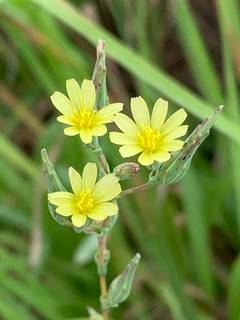
Bolts in sustained heat. Small yellow composite flowers (daisy family) on bolting stalks. Bolting makes leaves bitter and plants are pulled when the bolting stalk appears.
Detailed Descriptions
Flower Description
Small yellow; daisy-family composite; on bolting stalks onlyFoliage Description
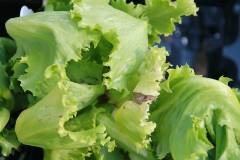
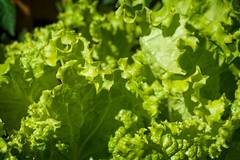
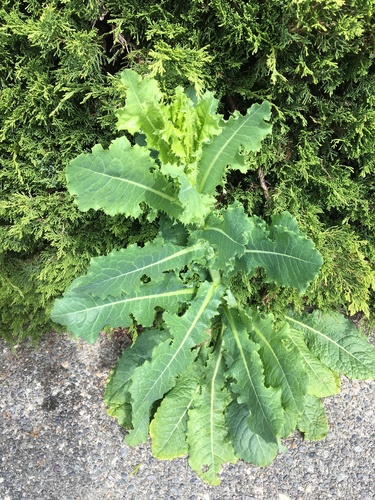
Dark green outer leaves with prominent white midribs; lighter green hearts; thick crisp ribs; deciduousGrowing Conditions
Sun Requirements
Requires 4-10 hours of direct sunlight daily
• Full Sun: 6+ hours of direct sunlight
• Partial Shade: 3-6 hours of direct sunlight
• Full Shade: Less than 3 hours of direct sunlight
Care & Maintenance
Care Guide
Full sun to partial shade. Rich moist soil at pH 6.0-7.0. Cool-season crop; bolts above 80°F (27°C). Mosaic virus tolerant. Succession-sown every 2-3 weeks. Open-pollinated and seeds can be saved (AAS 1952). Slugs and aphids are the primary pests. Not deer-resistant. Non-toxic. Annual.Pruning
Harvest takes the entire head by cutting at the base, or harvests outer leaves through cut-and-come-again. Plants are pulled when the bolting stalk appears. Succession-sown.Container Growing
Suitable for container growing
Minimum container size: 2 gallons
Toxicity
Non-toxicPlanting Guide
Planting Methods & Timing
Planting Method
both
Indoor Start
4 weeks before last frost
Direct Sow Timing
Early spring 2-4 weeks before last frost; again in late summer for fall harvest
Days to Maturity
75–85 days
Plant Spacing
8 inches