Lactuca, Genus, floridana, Species,
- Genus & species
woodland lettuce
SunFull Sun – Part Shade
WaterMedium
Overview
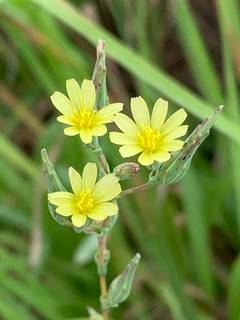
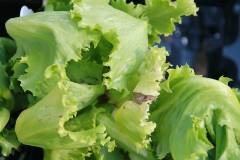
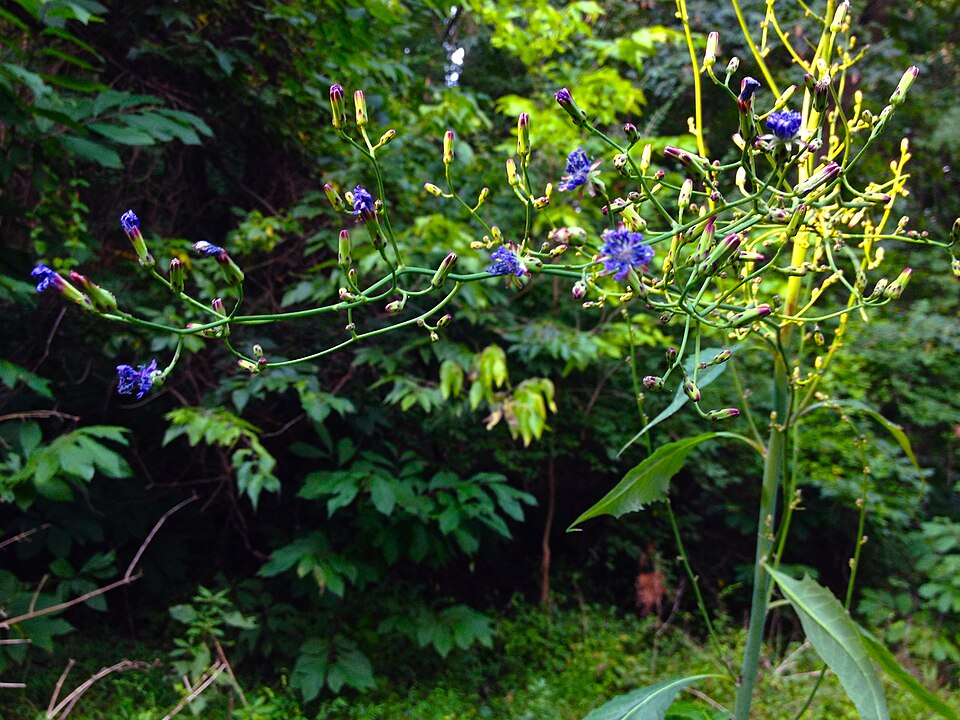
Lactuca floridana is a tall annual or biennial in the daisy family, native to eastern North America, reaching 3-7 feet (0.9-2.1 m) tall on a single erect, leafy stem that exudes milky sap when cut. The lower leaves are large, 4-12 inches (10-30 cm) long, deeply lobed and somewhat triangular, becoming smaller and less lobed upward. In late summer and fall, an open, branched panicle carries many small daisy-like heads about 0.5 inch (1.3 cm) across, each with 11 to 27 pale blue to bluish-white ray florets and no separate disk. The heads close by midday. Each floret produces a flat seed tipped with a tuft of white hairs that carries it on the wind. It grows in moist woods, thickets, floodplains, and clearings, often where soil has been disturbed. It is hardy in USDA zones 4-9 and behaves as a short-lived pioneer, dying after it sets seed. The tall, lax stems can flop without support.
Native Range
Lactuca floridana is native to eastern and central North America, from Ontario and New York west to Minnesota and south to Florida and Texas. It grows in moist deciduous woods, woodland edges, thickets, floodplains, and disturbed clearings.Suggested Uses
Used in native woodland and pollinator plantings, naturalized shade gardens, and moist restoration areas. The late-season flowers feed small bees and the seeds draw goldfinches and other birds.How to Identify
Appearance
Size & Dimensions
Height3' - 7'
Width/Spread1' - 2'
Bloom Information
Flowering runs from July through October. Open, airy clusters of small pale-blue heads open at the top of the stem, each lasting a day and closing by midday. Bees and other small insects work the flowers, and wind-borne seed follows within a few weeks.
Detailed Descriptions
Foliage Description
greenGrowing Conditions
Sun Requirements
Requires 4-8 hours of direct sunlight daily
• Full Sun: 6+ hours of direct sunlight
• Partial Shade: 3-6 hours of direct sunlight
• Full Shade: Less than 3 hours of direct sunlight
Water & Climate
Water Needs
Care & Maintenance
Care Guide
Grows in part shade to full sun on moist, fertile, well-drained woodland soils and tolerates clay and disturbed ground. A soil pH of 5.5-7.0 suits the species, which favors steady moisture. As a short-lived annual or biennial, it grows fast and relies on self-sown seed to persist. The tall stems can lean in wind or rich soil and may need support or a sheltered spot. It self-sows freely in open, moist ground. No feeding is needed on average woodland soil.Pruning
No formal pruning is needed for this short-lived plant. Cutting the stalk before seed ripens limits self-sowing, while leaving it lets the plant reseed. Spent stems can be pulled once they dry at the end of the season.Toxicity
Non-toxicPlanting Guide
Planting Methods & Timing
Planting Method
direct sow