When to Plant Lettuce in Indianapolis: Complete Guide + Best Varieties for Zone 5b
Pets & Toxicity
Recorded toxicity for plants linked in this guide. An unknown status is not a safety assessment.
No linked plant is recorded as toxicDetailsHide
Lactuca sativa var. crispa — Toxicity: Not assessed
Lactuca sativa var. crispa is non-toxic and safe for human consumption. All parts of the plant are edible, though leaves are the primary harvest. Generally safe around pets, though large quantities may cause mild digestive upset in some animals.View Lactuca sativa var. crispa plant profile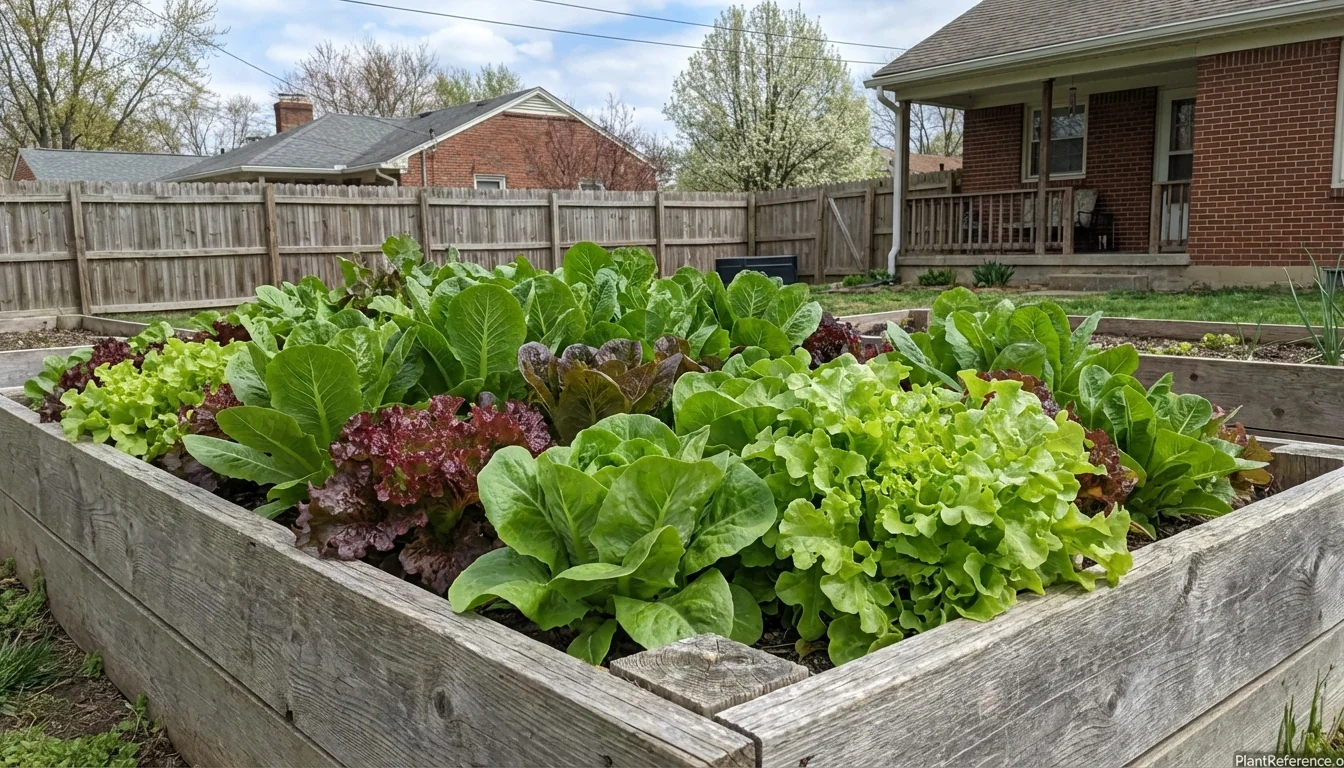
— Image © Plant Reference 2026
Indianapolis sits at the heart of Indiana's agricultural belt, and that farming heritage translates into excellent home lettuce production. The 158-day frost-free season from early May through mid-October provides a moderate Midwest framework, but lettuce's cold tolerance to 28°F (-2°C) extends the effective growing window from early April through late October—nearly seven months of production. Indianapolis's flat terrain and deep, fertile Midwest soils create ideal conditions for the raised bed growing that lettuce favors. The continental climate delivers distinct spring and fall windows with a manageable summer gap of 7-8 weeks when temperatures exceed 80°F and trigger the bolting response that ends productive leaf growth. Unlike Great Lakes cities where lake moderation creates microclimate complexity, Indianapolis's flat central Indiana landscape produces relatively uniform growing conditions across the entire metro area—a garden in Broad Ripple on the north side experiences essentially the same timing as one in Greenwood to the south or Carmel to the north. This predictability simplifies planning for lettuce gardeners considerably because a single set of planting dates works reliably across the entire metropolitan area without the neighborhood-by-neighborhood adjustments that hilly or coastal cities require. The fall window is outstanding—Indiana's gradual cooling through September and October produces frost-sweetened lettuce that ranks among the best in the Midwest. Indianapolis's food culture has expanded significantly, with the City Market, Broad Ripple Farmers Market, and the farm-to-table restaurant scene along Mass Avenue and Fountain Square creating genuine demand for fresh, locally grown greens. The Crossroads of America's gardening community is growing rapidly, with community gardens from Garfield Park to Crown Hill and backyard raised bed gardens across the suburban north side and south side neighborhoods all producing lettuce that outperforms anything the grocery store can deliver for freshness and flavor. When to Plant Tomatoes in Indianapolis: Complete Guide + Best Varieties for Zone 5b
Best Lettuce Varieties for Indianapolis's Climate
Indianapolis sits in USDA Zone 5b with a May 5 last frost and October 10 first frost—158 frost-free days. Lettuce tolerates 28°F (-2°C) once established, extending the effective season from early April through late October. Indianapolis's moderate continental climate with fertile soils supports all lettuce types during the spring and fall windows.
Variety | Type | Days to Harvest | Heat Tolerance | Best For |
|---|---|---|---|---|
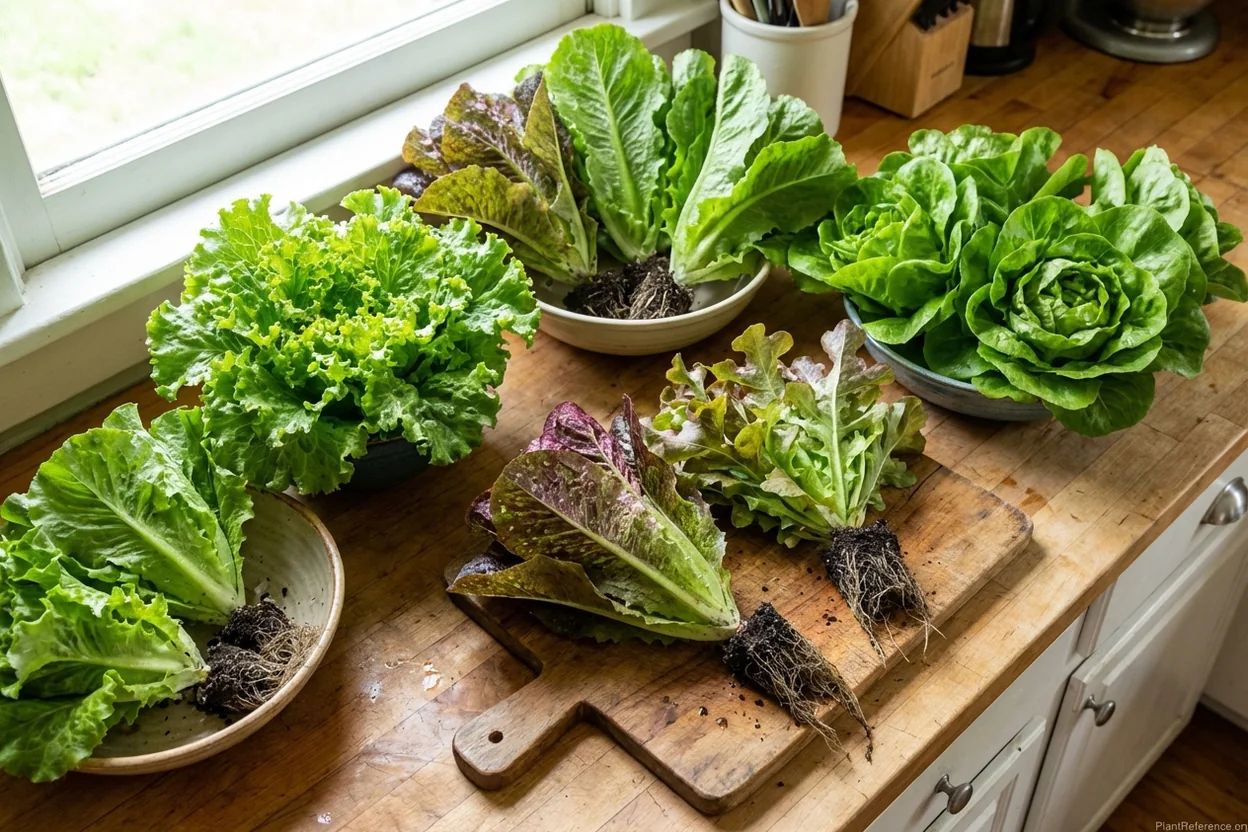
Butterhead | 55-65 days | High (for type) | Best all-around for Indy | |
🌿Lactuca sativa var. crispa (Red Oak Leaf) | Looseleaf | 45-55 days | Moderate-High | Cut-and-come-again |
Mesclun Mix | Seedling mix | 30-40 days | Variable | Fastest harvest, succession |
🌿Lactuca sativa var. longifolia (Romaine) | Cos | 70-80 days | Moderate | Premium fall crop |
Butterhead | 55-65 days | Low | Delicate spring crop | |
🌿Lactuca sativa var. capitata (Iceberg) | Crisphead | 80-90 days | Low | Fall crop only |
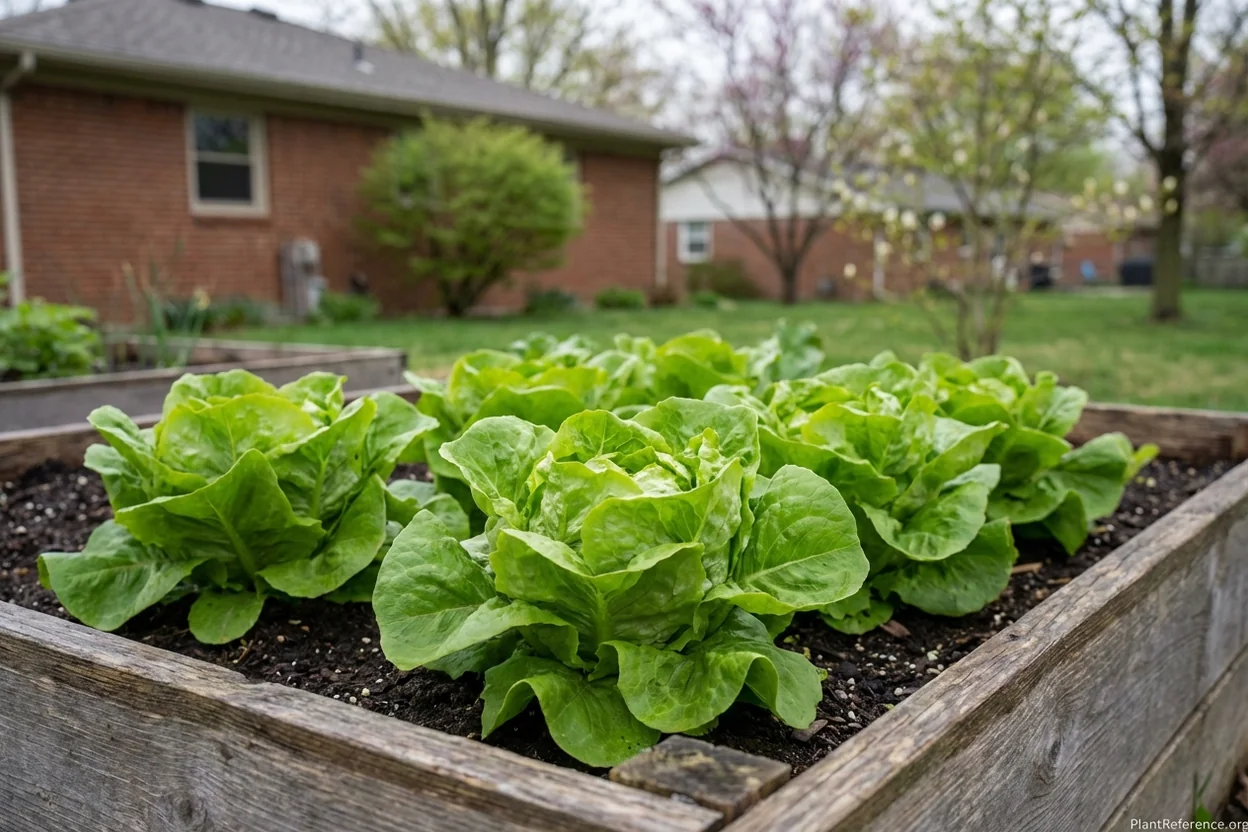
🌿Lactuca sativa 'Buttercrunch' leads for Indianapolis because its bolt resistance extends the spring window 2-3 weeks past traditional butterheads. In Indianapolis's sometimes-rapid spring-to-summer transition, these extra weeks represent the difference between full heads and bitter, bolted plants. Buttercrunch's compact rosette form allows 8-inch spacing for intensive raised bed production, and its thick, blistered leaves handle the occasional late-spring thunderstorm that can shred more delicate varieties.
🌿Lactuca sativa var. crispa (Red Oak Leaf) at 45-55 days provides fast production with cut-and-come-again harvesting extending each planting through 4-6 weeks. The burgundy-tipped leaves develop their most vivid coloration during Indiana's cool October nights when anthocyanin production peaks. Red Oak Leaf's open rosette eliminates the tipburn risk that heading types face during Indianapolis's humid spring conditions.
Mesclun Mix at 30-40 days is essential for Zone 5b's compressed timing. Plant in early April and harvest baby greens by mid-May—the fastest path from seed to salad. The rapid cycle means mesclun is harvested before bolting, bitterness, or tipburn can develop.
🌿Lactuca sativa var. longifolia (Romaine) at 70-80 days excels as Indianapolis's premium fall crop. Start indoors in July for late August transplanting—maturation through October's declining temperatures produces dense, sweet hearts. Romaine tolerates frost to 20°F (-7°C), extending harvest past the October 10 first frost.
🌿Lactuca sativa 'Bibb' produces the most delicate Indianapolis lettuce. Restrict to earliest spring and late fall because Bibb bolts rapidly above 85°F.
🌿Lactuca sativa var. capitata (Iceberg) at 80-90 days works only as a fall crop—the long maturation and tipburn susceptibility make spring timing too risky in Zone 5b. When to Plant Peppers in Indianapolis: Complete Guide + Best Varieties for Zone 5b
Specific Planting Dates for Indianapolis Gardens
Indianapolis's Zone 5b provides a moderate Midwest lettuce calendar. The flat terrain creates uniform conditions across the metro—one planting schedule works from Broad Ripple to Greenwood.
Indoor Seed Starting (Spring): March 20-April 1 (4-6 weeks before transplanting). Start at 60-70°F (15-21°C). Lettuce germinates in 5-10 days. Seeds need light—press onto surface. Indoor starting gains 2-3 weeks over direct sowing.
Direct Sow (Spring): April 5-20. Indianapolis soil reaches 40°F by early April. Succession sow every 10-14 days through mid-May.
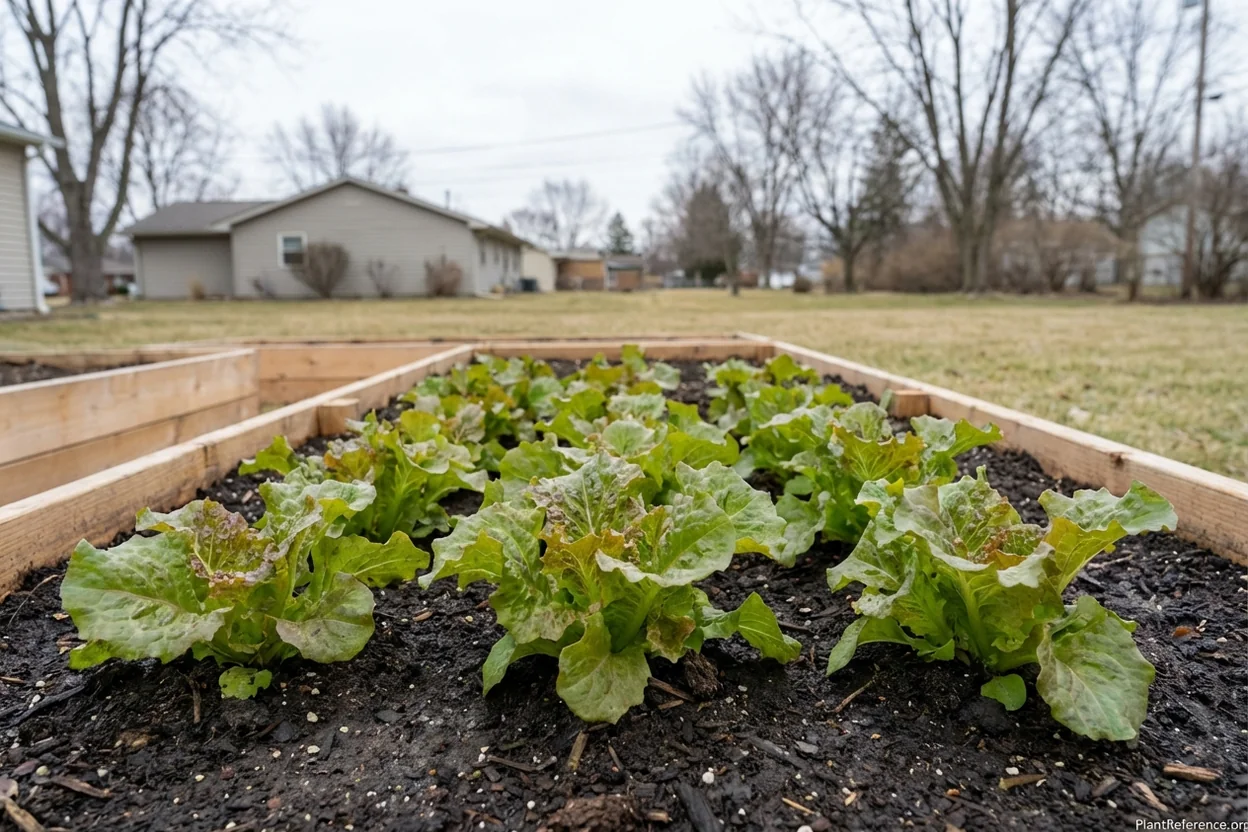
Transplant Outdoors (Spring): April 20-May 5. Hardened transplants tolerate frost to 28°F. Row covers provide insurance during Indiana's volatile April weather.
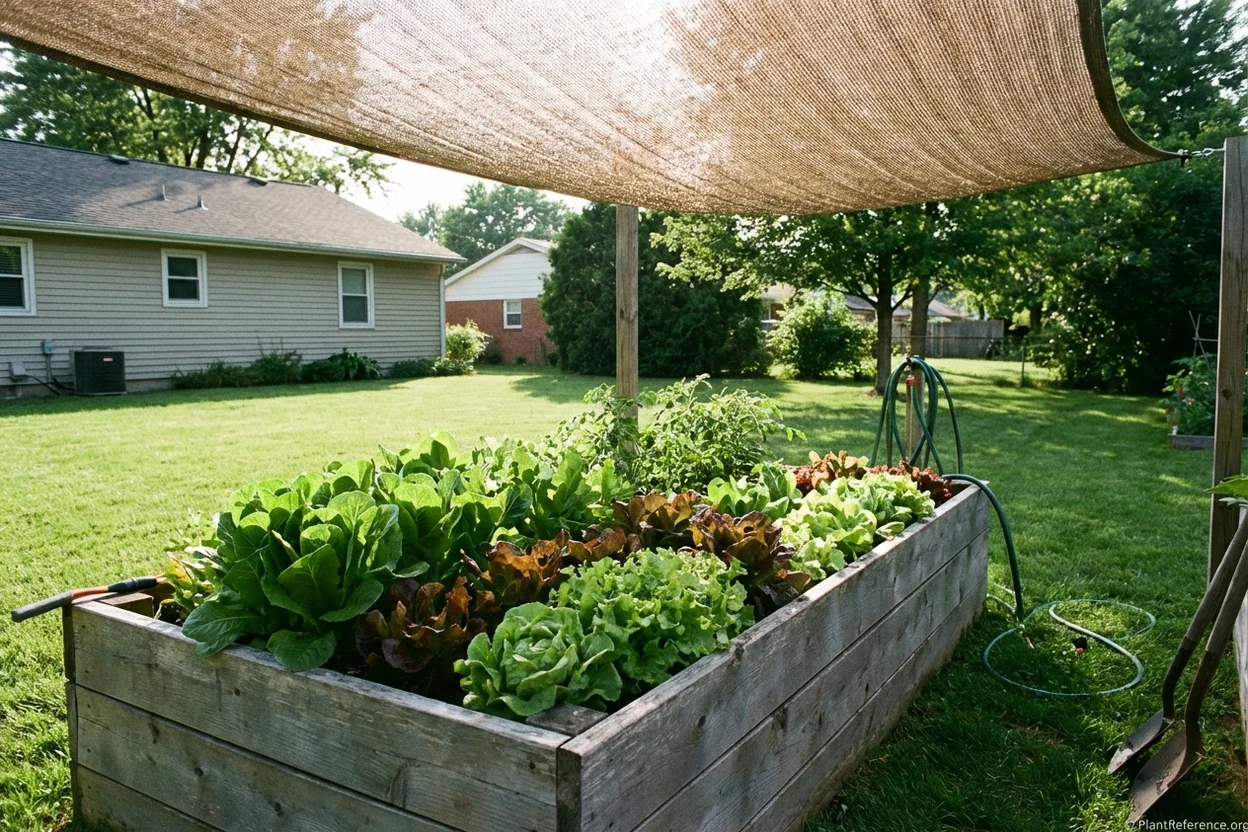
Summer Gap (Mid-June through Early August): Indianapolis's gap runs 7-8 weeks when temperatures consistently exceed 80°F. With 30-50% shade cloth and 🌿Lactuca sativa 'Buttercrunch', production extends into late June. The flat terrain offers no natural cooling microclimates—shade cloth is the primary tool for bridging the gap.
Fall Sowing: August 1-10. Start seeds indoors to bypass thermoinhibition from hot August soil. Transplant outdoors by late August. Succession sow through August 20.
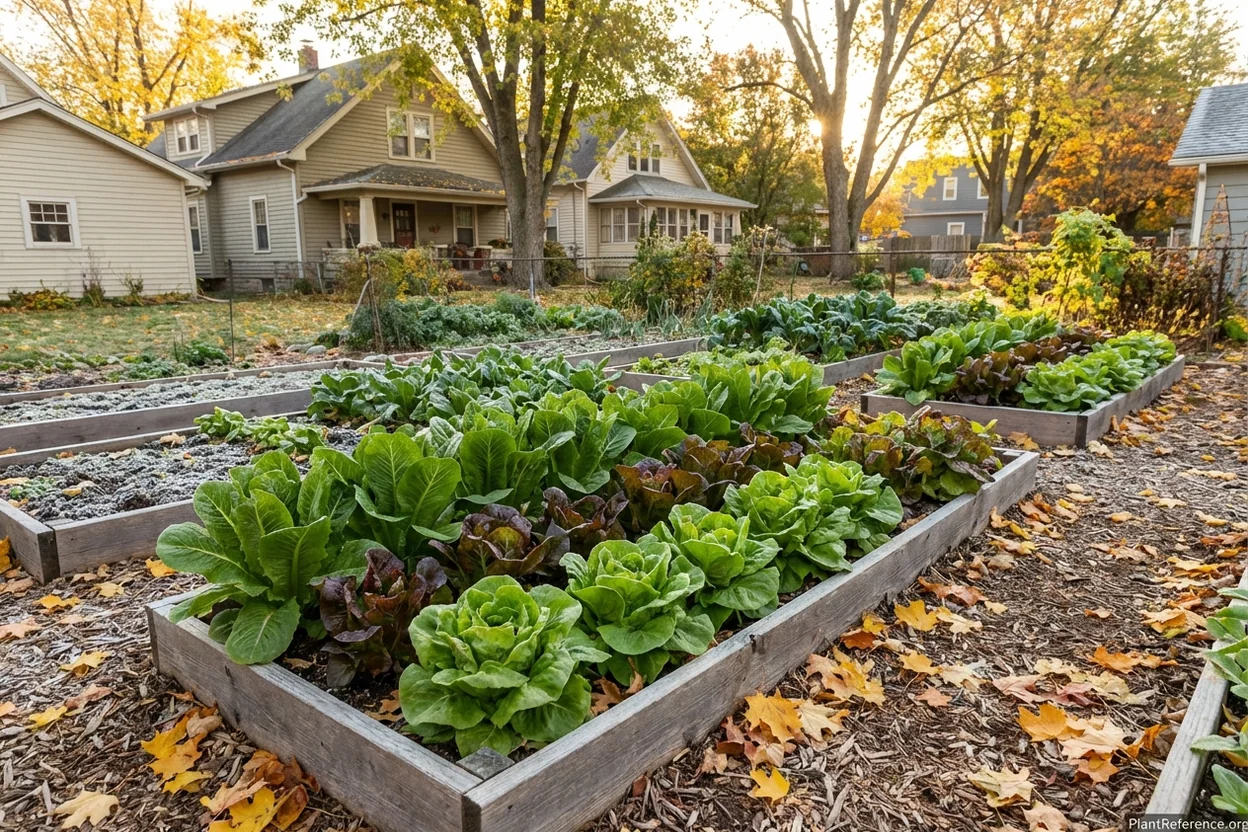
Fall Production Window: September through October (into November with protection). Indianapolis's premium lettuce season—Indiana's cooling nights and October frost produce outstanding frost-sweetened lettuce.
Final Sowing Deadline: August 20. A 30-day mesclun sown August 20 matures by late September with 2-3 weeks before hard freeze. Cold frames extend into November. Raised Bed Vegetable Garden Layout: Planning for Maximum Production
Complete Growing Guide for Indianapolis
Rich Midwest Soil
Indianapolis sits on some of the finest agricultural soil in America. The central Indiana glacial till creates deep, fertile loam that lettuce thrives in with minimal amendment. Most Indianapolis soils test pH 6.0-7.0—within lettuce's preferred range. Work 2-3 inches (5-8 cm) of compost into the top 8 inches (20 cm) to improve structure and moisture retention. The flat terrain means drainage is generally adequate without the slope-related challenges that hilly cities face. Raised beds warm faster in spring, gaining 1-2 weeks that matter in Zone 5b. Space heading types 8-12 inches (20-30 cm) and looseleaf 4-6 inches (10-15 cm). How to Build a Raised Garden Bed: Step-by-Step Construction Guide
Watering
Indianapolis receives about 42 inches (107 cm) of annual rainfall—well distributed and generally adequate for lettuce. Supplement during dry stretches with 1-1.5 inches (2.5-4 cm) per week. Consistent moisture prevents the growth surges that trigger tipburn in heading types. Morning watering reduces downy mildew risk during Indiana's humid spring and fall. Drip irrigation maintains even moisture without wetting foliage—critical for heading types where trapped moisture promotes basal rot. Mulch 1-2 inches (2.5-5 cm) with straw to cool roots during the spring-to-summer transition. 5 Best Drip Irrigation Kits for Raised Beds (Tested for Easy Installation)
Shade Cloth for Summer Bridge
Shade cloth (30-50%) extends Indianapolis's spring window by 2-3 weeks and enables earlier fall starts. Install by late May over raised beds. Indianapolis's flat, open terrain means full sun exposure without natural shade from terrain features—making shade cloth more important here than in hilly or urban cities where buildings and topography provide partial cooling. 🌿Lactuca sativa 'Buttercrunch' under shade cloth produces into late June in most years. When to Plant Squash in Indianapolis: Complete Guide + Best Varieties for Zone 5b
Succession Planting
Plant small batches every 10-14 days from early April through mid-May and again from August through late August. Indianapolis's climate supports 6-8 total succession plantings across both windows. Stagger varieties by maturity: mesclun (30 days), Red Oak Leaf (50 days), Buttercrunch (60 days), and Romaine (75 days) planted simultaneously produce sequential harvests that maximize the productive window. When to Plant Cucumbers in Indianapolis: Zone 5b Dates + Best Varieties
Feeding
Light feeder—fish emulsion every 3-4 weeks sustains production. Indianapolis's naturally fertile glacial soils provide excellent baseline nutrition that many cities lack entirely. The deep, rich loam that made central Indiana one of America's agricultural heartlands delivers the same benefits to home lettuce gardens. Compost amendment delivers adequate supplementation for most lettuce crops without additional fertilizer. Avoid excess nitrogen that increases tipburn risk in heading types and attracts aphids during the humid growing windows. When to Plant Kale in Indianapolis: Complete Guide + Best Varieties for Zone 5b
Season Extension for Zone 5b
Cold frames and row covers transform Indianapolis lettuce production significantly. A simple cold frame extends fall harvest from October into December. Row covers enable earlier spring sowing by protecting seedlings from late-April frost events that Indiana's continental climate delivers unpredictably. The investment in season extension pays off more in Zone 5b than in warmer zones because each additional week represents a larger percentage of the total growing window.
Troubleshooting Indianapolis-Specific Problems
Bolting from Summer Heat
Indianapolis's primary lettuce challenge from mid-June through early August. Indiana's continental summer delivers sustained 85-90°F temperatures that trigger bolting, stem elongation, and bitterness. Prevention: harvest before bolting, bolt-resistant varieties (🌿Lactuca sativa 'Buttercrunch', Red Oak Leaf), 30-50% shade cloth, and root cooling with mulch. Indianapolis's flat terrain offers no valley cooling or lake moderation—accept the 7-8 week gap and plan with the two-season approach. Raised Bed Too Hot in Summer: Protecting Plants from Heat Stress
Thermoinhibition for Fall Starts
Indianapolis August soil temperatures routinely exceed 80°F, triggering lettuce seed dormancy during the critical fall planting window. Prevention: start seeds indoors under AC, refrigerator-prime seeds on damp paper towels for 2 days, cover outdoor seedbeds with boards to shade and cool soil, or water seedbeds with cool water and sow in the evening when soil temperature drops below the threshold. Raised Bed Pest Problems: Identification and Organic Control Methods
Slugs in Humid Indiana Conditions
Indianapolis's humid spring and fall with adequate rainfall create good slug habitat. Prevention: water in the morning so soil surface dries by nightfall, remove daytime hiding spots, iron phosphate bait (Sluggo) is safe for pets and effective. Copper strips around raised bed edges provide additional deterrence.
Late Spring Frost Events
Indiana's continental climate produces unpredictable late frost through early May. Prevention: row covers for early plantings, container mobility during frost forecasts. Established lettuce tolerates frost to 28°F, but young seedlings newly transplanted in April are more vulnerable to severe cold snaps than established plantings. Best Soil Mix for Raised Beds: Creating the Perfect Growing Medium
Harvest & Storage
Harvest looseleaf types using cut-and-come-again—cut outer leaves 1 inch above the crown for 3-4 regrowth cycles over 4-6 weeks. Harvest heading types by cutting entire heads at the base when firm. Morning harvest before 10 AM produces the crispest, least-bitter leaves.
Indianapolis fall lettuce benefits from light frost exposure—temperatures in the 28-32°F range trigger starch-to-sugar conversion that noticeably sweetens the leaves. Indiana's gradual cooling through September and October produces this cryoprotectant response reliably. Don't rush to cover lettuce at the first frost forecast—established plants improve from cold exposure and tolerate temperatures well below freezing.
Store harvested lettuce refrigerated in damp paper towels inside a loose bag—keeps 7-10 days. Plan harvests to match consumption because lettuce doesn't preserve for long-term storage through freezing or drying like herbs and fruiting vegetables. Indianapolis's seven-month effective lettuce window (April-October, extended with cold frames into December) provides fresh salad greens through most of the year without needing preservation strategies. The city's expanding food culture—from the historic City Market to Broad Ripple's Saturday farmers market to the restaurant scene along Mass Avenue and Fountain Square—values locally grown freshness, and homegrown lettuce harvested minutes before serving delivers quality no market can match. The Complete Guide to Raised Bed Gardening for Beginners (2025)
Frequently Asked Questions
Reading about plants and recognising them are different skills. These three build the second.
- Daily PlantIdentify the day’s mystery plant from a close-up photograph.
- Keyed OutWork a dichotomous key, lead by lead, to name a hidden specimen.
- Name That PlantName a specimen from botanical clues dealt hardest first.
Free to play, no account needed
Tagged with
Priya is a soil scientist at an agricultural extension office who gardens on a quarter-acre suburban lot in Indianapolis. Her professional work focuses on soil health and nutrient management, which gives her a perspective most gardening writers don't have—she thinks about what's happening underground before worrying about what's happening above it. Priya maintains a large pollinator garden, grows herbs and vegetables, and is slowly converting her conventional lawn to a mix of native grasses and low-growing groundcovers. She writes about soil health, composting, fertilizer use, and building the kind of foundation that makes plants thrive without constant intervention.