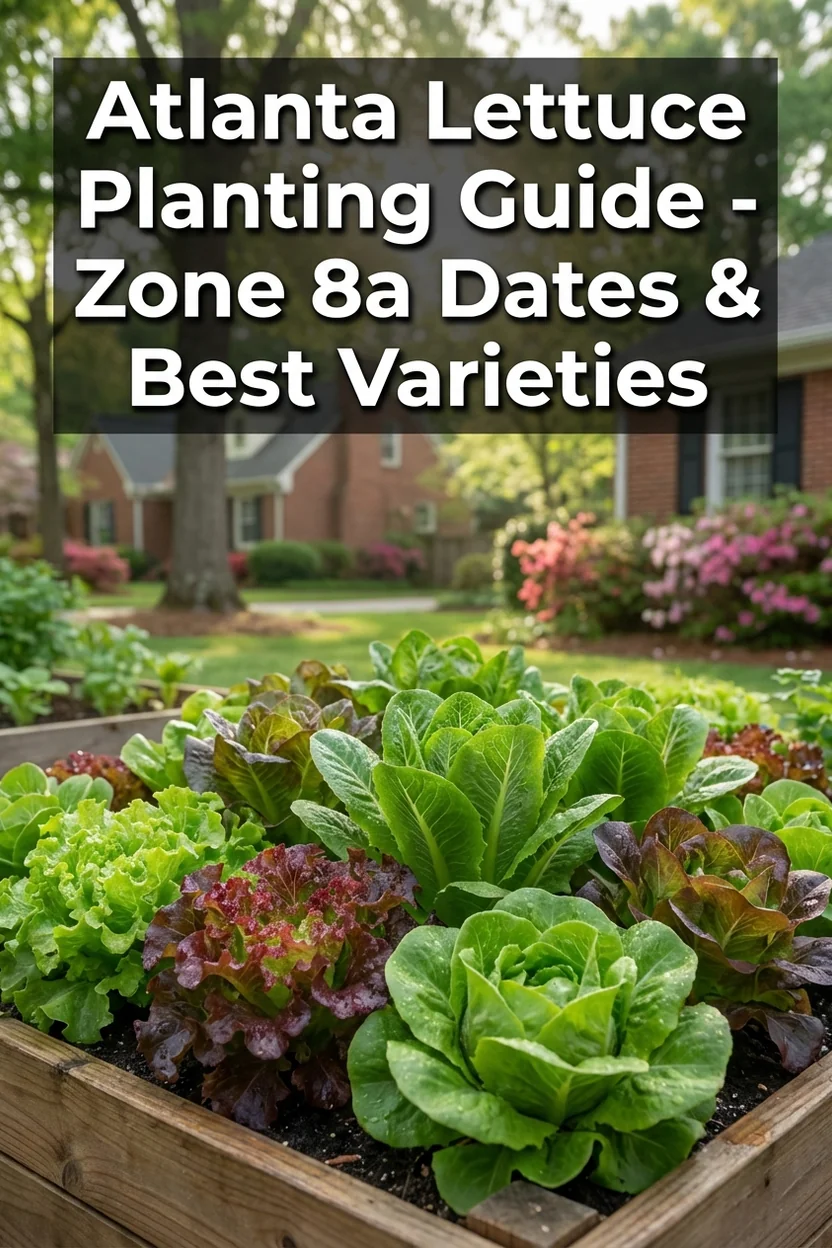
When to Plant Lettuce in Atlanta: Complete Guide + Best Varieties for Zone 8a
Pets & Toxicity
Recorded toxicity for plants linked in this guide. An unknown status is not a safety assessment.
No linked plant is recorded as toxicDetailsHide
Lactuca sativa var. crispa — Toxicity: Not assessed
Lactuca sativa var. crispa is non-toxic and safe for human consumption. All parts of the plant are edible, though leaves are the primary harvest. Generally safe around pets, though large quantities may cause mild digestive upset in some animals.View Lactuca sativa var. crispa plant profile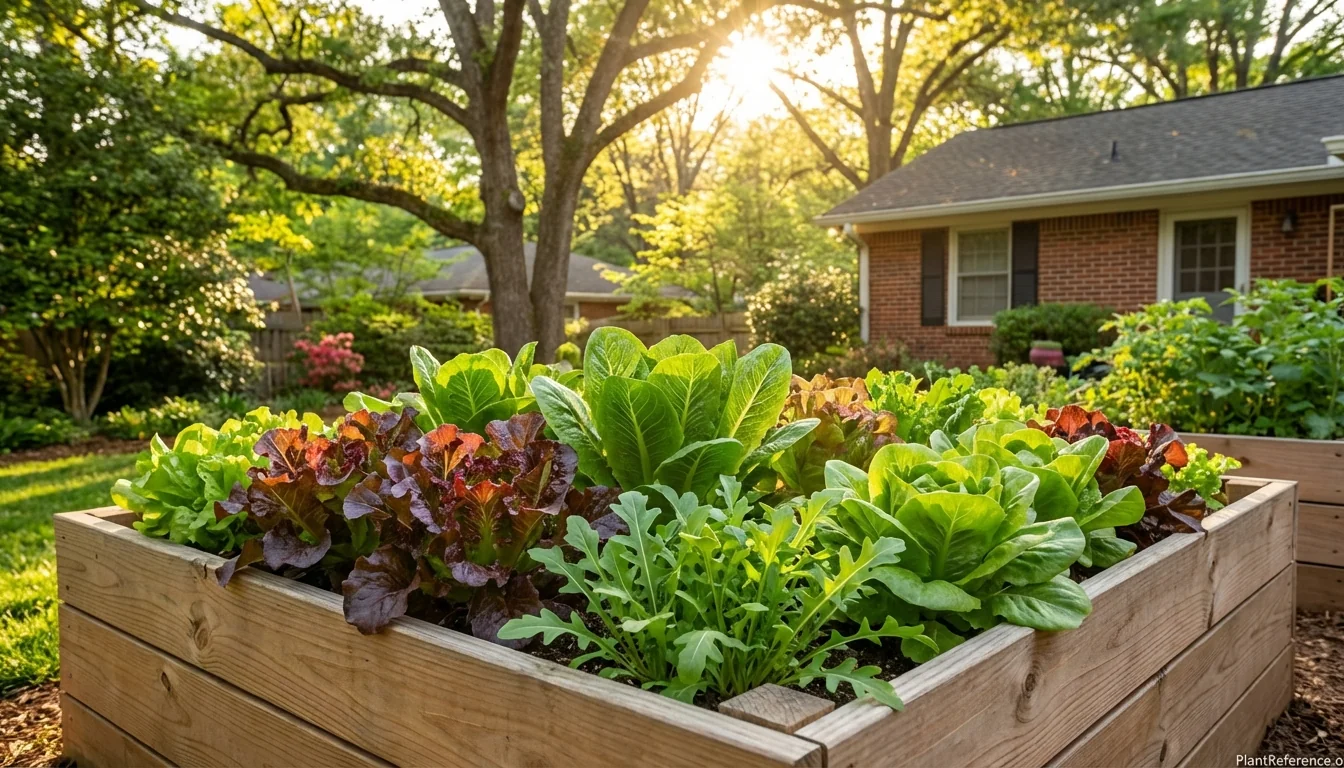
— Image © Plant Reference 2026
Atlanta marks the transition where lettuce shifts from a spring-and-fall crop to something closer to a cool-season specialty. The 230-day frost-free season from late March through mid-November sounds generous, but for lettuce it's actually a challenge because all those warm days create the longest summer gap in this guide series so far—roughly 10-12 weeks from mid-May through early August when Atlanta's 90°F+ temperatures with high humidity make 🌿Lactuca sativa 'Romaine' production essentially impossible without extraordinary measures. This is fundamentally different from Midwest and Northeast cities where the gap runs 6-8 weeks. Atlanta gardeners must accept this longer interruption and focus on maximizing the two productive windows that bracket it. The spring window from mid-February through mid-May is compressed but productive—Atlanta's early warm-up means lettuce goes in the ground weeks before Northern cities, giving Georgia gardeners a head start that partially compensates for the earlier heat shutdown. The fall window from early September through late November is outstanding—Atlanta's gradual cooling through the mild Southern autumn produces some of the best lettuce of any city because the extended decline gives each head more time to mature in ideal conditions. Georgia's mild winters even allow limited winter production under simple row covers in Atlanta's Zone 8a climate where hard freezes are infrequent. The city's food culture—from the Peachtree Road Farmers Market to Ponce City Market to the farm-to-table restaurant scene across Inman Park, Decatur, and Buckhead—creates genuine demand for fresh, locally grown lettuce. When to Plant Tomatoes in Atlanta: Complete Guide + Best Varieties for Zone 8a
Best Lettuce Varieties for Atlanta's Climate
Atlanta sits in USDA Zone 8a with a March 25 last frost and November 10 first frost—230 frost-free days. But for lettuce, what matters is the heat threshold: Atlanta consistently exceeds 85°F from mid-May through September, creating the long summer gap. Variety selection emphasizes bolt resistance for spring and heat-tolerant types that extend production into late May.
Variety | Type | Days to Harvest | Heat Tolerance | Best For |
|---|---|---|---|---|
Butterhead | 55-65 days | High (for type) | Best all-around for Atlanta | |
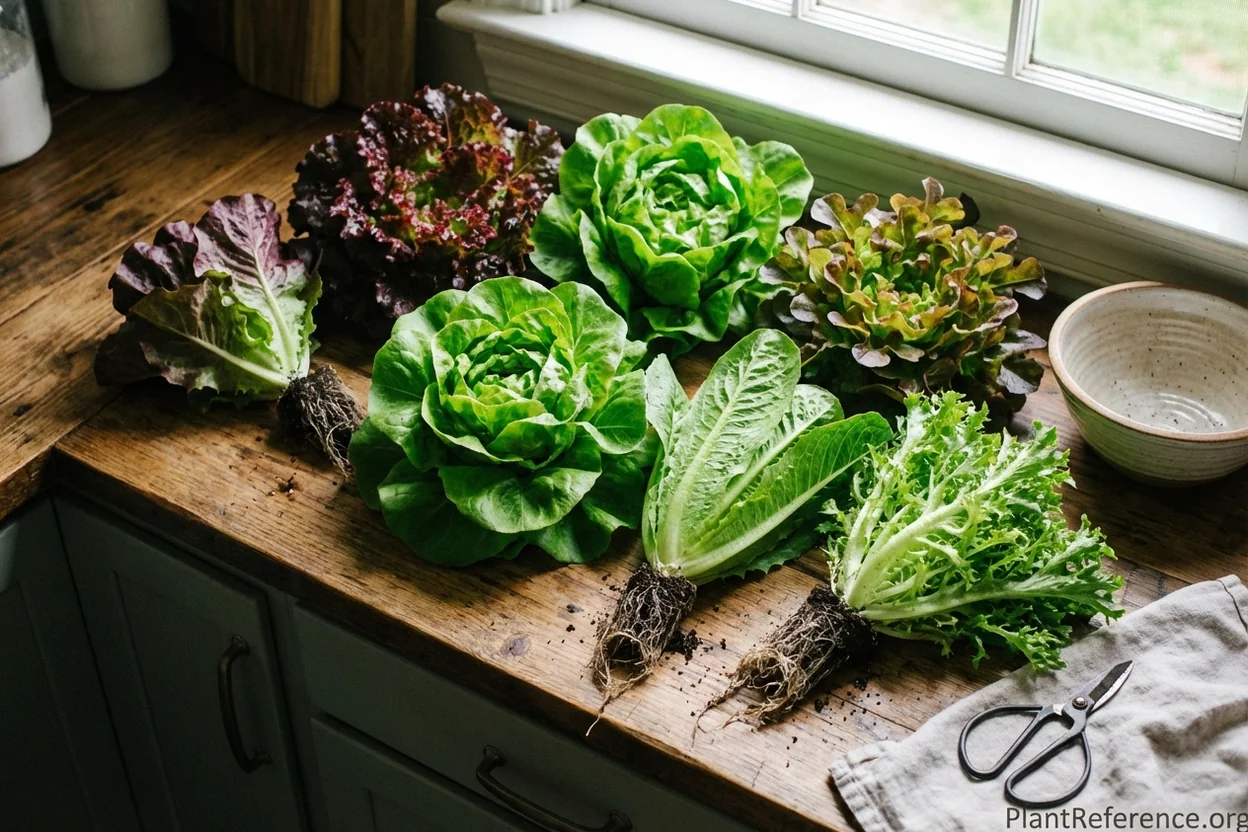
🌿Lactuca sativa var. crispa (Red Oak Leaf) | Looseleaf | 45-55 days | Moderate-High | Cut-and-come-again, spring |
Mesclun Mix | Seedling mix | 30-40 days | Variable | Fastest harvest, essential for spring |
🌿Lactuca sativa var. longifolia (Romaine) | Cos | 70-80 days | Moderate | Fall crop (timing too tight for spring) |
Butterhead | 55-65 days | Low | Late fall/winter only | |
🌿Lactuca sativa var. capitata (Iceberg) | Crisphead | 80-90 days | Low | Fall only, high-risk |
🌿Lactuca sativa 'Buttercrunch' leads for Atlanta because its bolt resistance stretches the spring window 2-3 weeks past traditional butterheads—critical time when every week counts before Georgia's summer heat arrives. Buttercrunch's thick, blistered leaves resist the occasional April thunderstorm better than delicate types, and the compact rosettes produce well in Atlanta's warm spring conditions that would bolt lesser varieties.
🌿Lactuca sativa var. crispa (Red Oak Leaf) at 45-55 days provides the best spring timing for Atlanta—fast enough to produce full heads before mid-May heat. Cut-and-come-again harvesting extends each planting through 3-4 weeks of cuts before heat forces removal. The open rosette form eliminates tipburn risk during Atlanta's humid spring conditions.
Mesclun Mix at 30-40 days is essential for Atlanta's compressed spring window. The fastest path from seed to salad means mesclun is harvested before heat becomes a factor. Sow in mid-February and harvest by late March—multiple successions are possible before the gap arrives.
🌿Lactuca sativa var. longifolia (Romaine) at 70-80 days is too slow for Atlanta's spring window—by the time it matures, heat has arrived. Reserve Romaine for fall planting when its long maturation aligns with cooling October-November temperatures. Fall Romaine in Atlanta produces dense, sweet hearts rivaling any city.
🌿Lactuca sativa 'Bibb' is Atlanta's most delicate lettuce—restrict to the latest fall weeks and winter when temperatures stay below 75°F consistently. Bibb bolts within days of 85°F exposure.
🌿Lactuca sativa var. capitata (Iceberg) at 80-90 days works only as a fall crop—even fall timing is tight in Atlanta where heat lingers into October in many years. When to Plant Peppers in Atlanta: Complete Guide + Best Varieties for Zone 8a
Specific Planting Dates for Atlanta Gardens
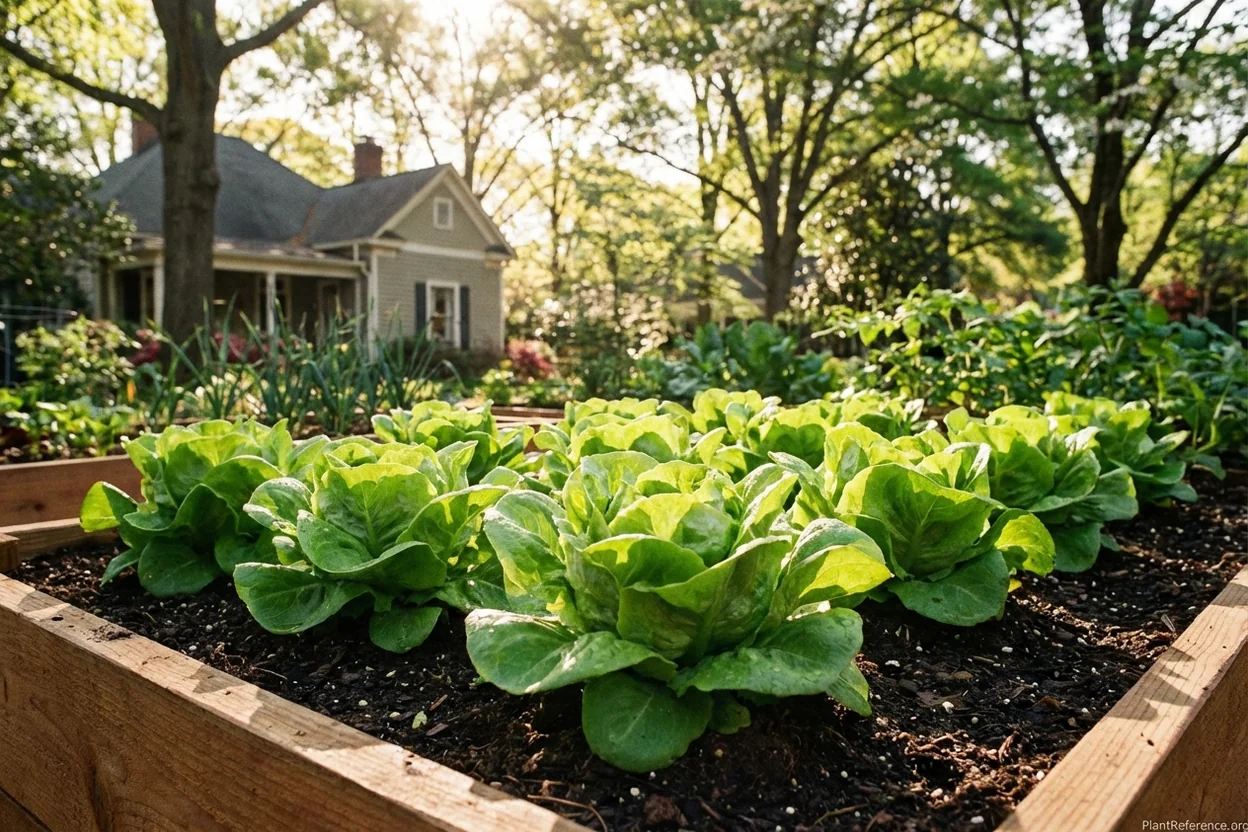
Atlanta's lettuce calendar revolves around the early heat arrival. Spring timing is aggressive—get lettuce in early because the window closes faster than Northern gardeners expect.
Indoor Seed Starting (Spring): February 1-15 (4-6 weeks before transplanting). Start at 60-70°F (15-21°C). Lettuce germinates in 5-10 days. Indoor starting is more important in Atlanta than cooler cities because it maximizes the compressed spring window.
Direct Sow (Spring): February 15-March 1. Atlanta soil reaches 40°F by mid-February—much earlier than Midwest and Northeast cities. Succession sow every 10-14 days through early April only. Stop new sowings by April 10 because any lettuce sown after that won't mature before mid-May heat.
Transplant Outdoors (Spring): March 1-15. Hardened transplants tolerate Atlanta's rare late frost. The warm Georgia spring means rapid establishment and fast growth toward harvest.
Summer Gap (Mid-May through Early August): Atlanta's defining lettuce reality—10-12 weeks when temperatures exceed 90°F with 70-80% humidity. Even shade cloth barely helps because nighttime temperatures remain above 70°F, sustaining the bolting response 24 hours a day. Accept this gap completely. No lettuce variety produces meaningfully during Atlanta's summer.
Fall Sowing: August 15-September 1. Start seeds indoors under AC to bypass thermoinhibition from hot August soil (Atlanta soil exceeds 80°F through most of August). Transplant outdoors by mid-September under shade cloth for establishment.
Fall Production Window: Late September through November. Atlanta's premium lettuce season—the longest and best-quality window. Declining temperatures, manageable humidity, and occasional frost produce outstanding lettuce through Thanksgiving.
Winter Growing (Zone 8a Advantage): Simple row covers extend harvest into January. Atlanta's mild Zone 8a winters (average lows 33-38°F) support cold-hardy varieties like 🌿Lactuca sativa var. longifolia (Romaine) with minimal protection. Raised Bed Vegetable Garden Layout: Planning for Maximum Production
Complete Growing Guide for Atlanta
Georgia Red Clay Soil
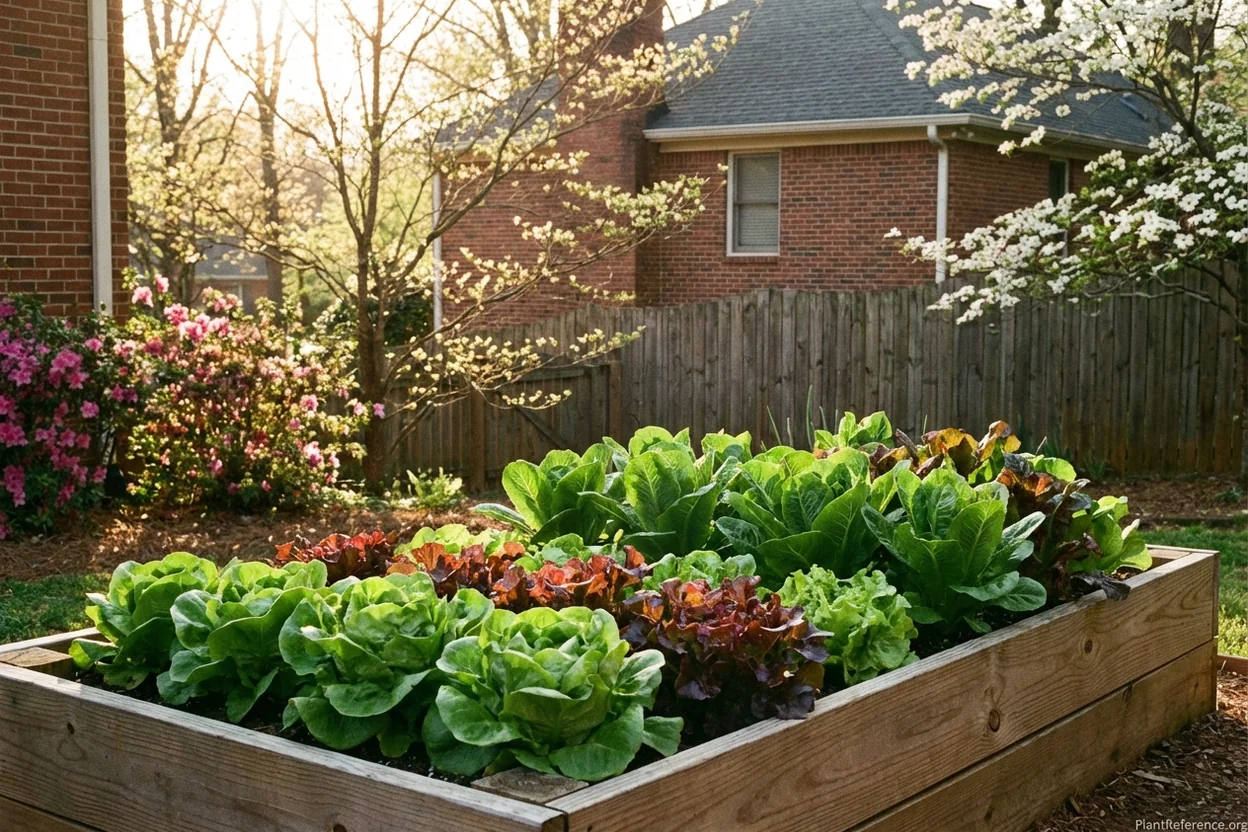
Atlanta's notorious red clay (Piedmont clay) is among the most challenging soils for lettuce in any major US city. The heavy, poorly draining clay compacts when wet and cracks when dry—both conditions stress lettuce's shallow root system. Raised beds are effectively mandatory in Atlanta because native clay rarely supports productive lettuce growing even with heavy amendment. Fill raised beds with 50% topsoil, 30% compost, and 20% perlite for the drainage lettuce demands. Georgia's Piedmont soils test acidic (pH 5.0-6.0)—add lime if testing below 6.0 to reach lettuce's preferred 6.0-7.0 range. Space heading types 8-12 inches (20-30 cm) and looseleaf 4-6 inches (10-15 cm). How to Build a Raised Garden Bed: Step-by-Step Construction Guide
Shade Cloth: Essential for Spring Extension
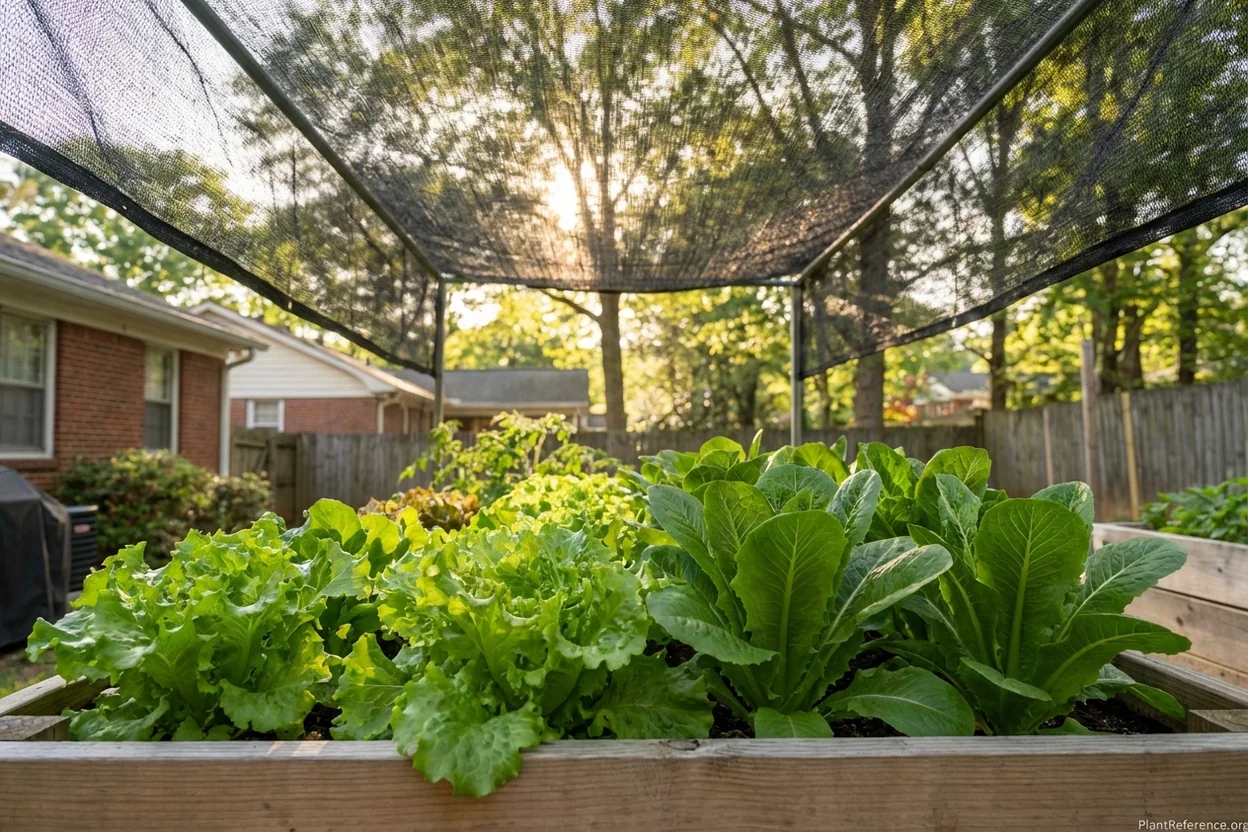
Shade cloth (40-50%) is more critical in Atlanta than in cooler cities because it extends the spring window by 2-3 weeks into late May—valuable time in a city where the gap arrives so early. Install by late April over lettuce beds. The shade cloth also enables earlier fall establishment by reducing soil temperatures in late August when thermoinhibition would otherwise prevent germination. Atlanta gardeners should plan for shade cloth as standard equipment rather than optional. 5 Best Drip Irrigation Kits for Raised Beds (Tested for Easy Installation)
Watering in Atlanta's Humid Climate
Atlanta receives about 50 inches (127 cm) of annual rainfall—generous but delivered unevenly as intense thunderstorms with dry stretches between. Supplement with 1-1.5 inches (2.5-4 cm) per week during dry periods. Morning watering is essential because overnight moisture on foliage in Atlanta's 70-80% humidity promotes downy mildew and other fungal diseases more aggressively than in drier climates. Drip irrigation delivers water without wetting leaves—critical for heading types in Atlanta's humid conditions. When to Plant Squash in Atlanta: Complete Guide + Best Varieties for Zone 8a
Succession Planting in a Compressed Window
Atlanta's spring window is too short for the 8-10 successions that cooler cities achieve. Plan for 3-4 spring successions from mid-February through early April and 4-5 fall successions from late August through October. Stagger varieties by maturity: mesclun (30 days) and Red Oak Leaf (50 days) for spring, adding Buttercrunch (60 days) and Romaine (75 days) for fall when the longer window accommodates slower varieties.
Feeding
Light feeder—fish emulsion every 3-4 weeks. Atlanta's acidic Piedmont soils may need lime amendment to reach lettuce's preferred pH. Compost provides adequate baseline nutrition in raised beds. Avoid excess nitrogen that attracts aphids and increases downy mildew susceptibility in Atlanta's humid growing conditions. When to Plant Cucumbers in Atlanta: Zone 8a Dates + Best Varieties
Atlanta's Microclimate Variation
Atlanta's significant elevation variation—from 700 feet in the river valleys to 1,050 feet in Buckhead and the northern suburbs—creates meaningful microclimate differences. Higher-elevation gardens (Buckhead, Sandy Springs, Roswell) cool faster in fall and stay cooler in spring, extending both lettuce windows slightly. Lower-elevation gardens along the Chattahoochee and in south Atlanta heat up faster, shortening the spring window. The tree canopy across Atlanta's neighborhoods provides natural afternoon shade that extends lettuce production in gardens with partial shade from mature oaks and pines. When to Plant Kale in Atlanta: Complete Guide + Best Varieties for Zone 8a
Troubleshooting Atlanta-Specific Problems
Extended Summer Gap (10-12 Weeks)
Atlanta's defining lettuce challenge—the longest summer gap of any city covered so far in this guide. Georgia's 90°F+ heat combined with 70-80% humidity and warm nighttime temperatures (above 70°F) sustain the bolting response around the clock. Prevention: accept the gap completely. No amount of shade cloth, variety selection, or watering strategy produces meaningful lettuce in Atlanta from mid-May through early August. Focus energy on maximizing the excellent fall window instead. Raised Bed Too Hot in Summer: Protecting Plants from Heat Stress
Thermoinhibition for Fall Starts
Atlanta's August soil temperatures routinely exceed 85°F—well above the 80°F germination threshold. Prevention: mandatory indoor starting under AC for fall lettuce (this is not optional in Atlanta like it is in cooler cities), refrigerator-prime seeds before sowing, and shade cloth over seedbeds to reduce soil temperatures. Wait until mid-to-late August for outdoor transplanting when shade cloth can bring root-zone temperatures into range. Raised Bed Pest Problems: Identification and Organic Control Methods
Downy Mildew in Humid Conditions
Atlanta's humidity promotes downy mildew more aggressively than drier Southern cities like Dallas. Yellow angular patches on leaf surfaces with gray-white fuzz underneath spread rapidly during humid spring and fall conditions. Prevention: morning watering only, adequate spacing (12 inches for heading types), drip irrigation keeping foliage dry, and immediate removal of infected leaves. 🌿Lactuca sativa var. crispa (Red Oak Leaf) and looseleaf types resist downy mildew better than heading types.
Georgia Red Clay Drainage Failure
Atlanta's Piedmont clay becomes waterlogged after thunderstorms, suffocating lettuce roots. Prevention: raised beds are mandatory—not recommended but genuinely necessary for productive lettuce growing in Atlanta's native clay. Excellent drainage mix with perlite. Monitor for standing water after heavy rain events. Best Soil Mix for Raised Beds: Creating the Perfect Growing Medium
Harvest & Storage
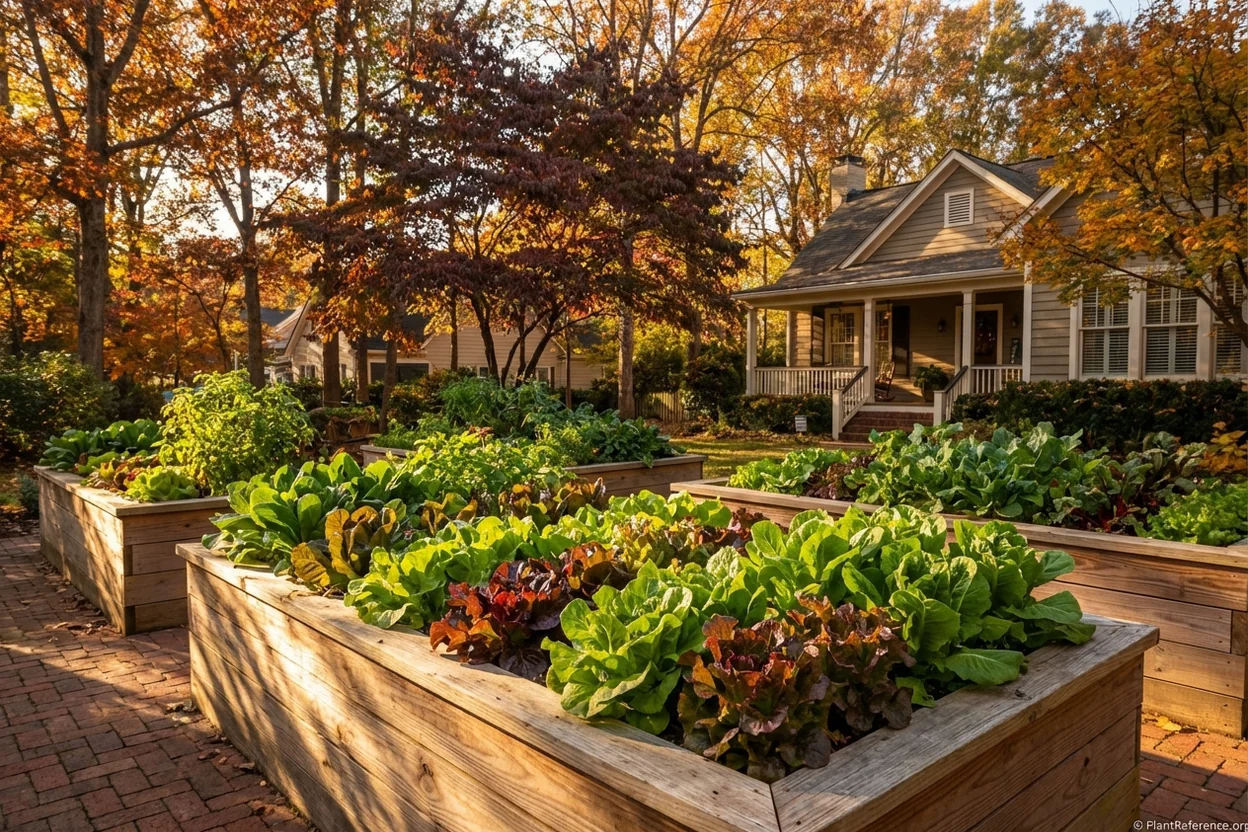
Harvest looseleaf types using cut-and-come-again—cut outer leaves 1 inch above the crown for 3-4 regrowth cycles. In Atlanta's warm conditions, each cycle is shorter than Northern cities (2-3 weeks between cuts rather than 4-6 weeks) because growth is faster. Harvest heading types by cutting entire heads at the base when firm. Morning harvest before 9 AM is critical in Atlanta because heat builds rapidly after sunrise, increasing bitterness faster than in cooler climates.
Atlanta's fall lettuce benefits from light frost exposure—temperatures in the 28-32°F range trigger starch-to-sugar conversion. Georgia's gradual fall cooling produces frost-sweetened lettuce through November that rivals any Northern city's quality. Zone 8a's mild winters mean frost events are gentle rather than killing, providing the sweetening benefit without destroying the crop.
Store harvested lettuce refrigerated in damp paper towels inside a loose bag—keeps 7-10 days. Atlanta's approximately seven-month effective lettuce window (February-May plus September-January with protection) provides fresh lettuce for most of the year when the summer gap is accepted and planned around. The city's food culture—from the Peachtree Road Farmers Market to Ponce City Market to Decatur's farm-to-table scene—values the freshness that homegrown lettuce delivers, and Atlanta's early spring starts and extended fall production make the growing investment genuinely worthwhile despite the long summer interruption. The Complete Guide to Raised Bed Gardening for Beginners (2025)
Frequently Asked Questions
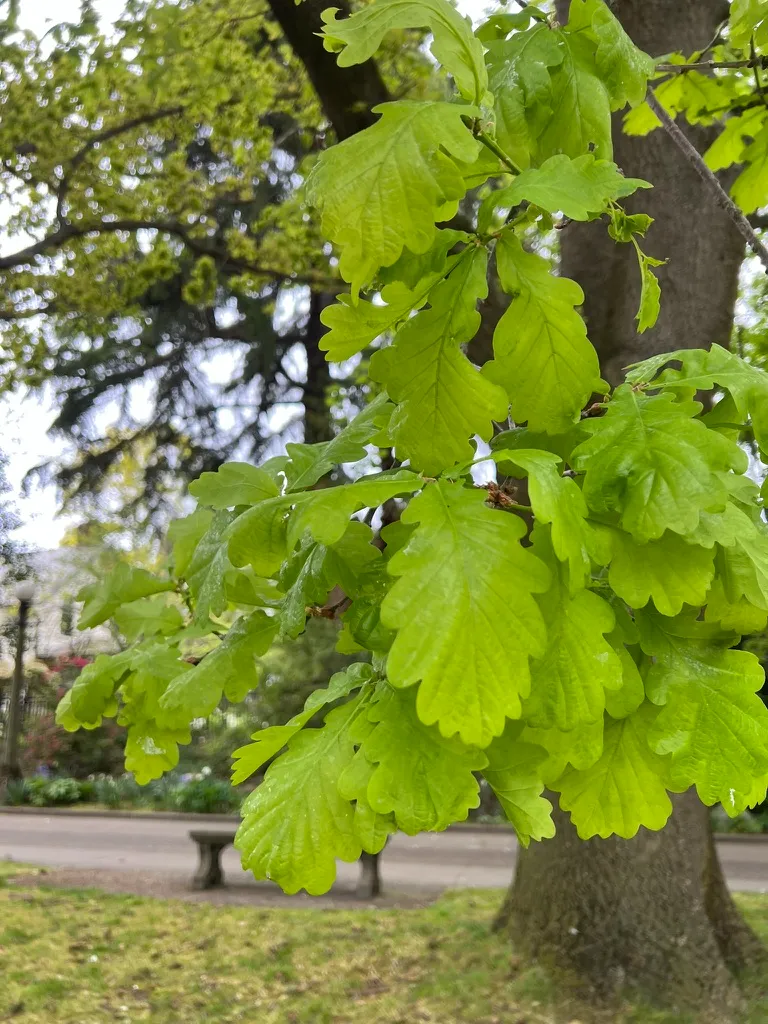
Reading about plants and recognising them are different skills. These three build the second.
- Daily PlantIdentify the day’s mystery plant from a close-up photograph.
- Keyed OutWork a dichotomous key, lead by lead, to name a hidden specimen.
- Name That PlantName a specimen from botanical clues dealt hardest first.
Free to play, no account needed
Tagged with
Grace is a community garden organizer in Atlanta who manages three neighborhood garden plots across the city. She came to gardening through food justice work—she saw how many Atlanta neighborhoods lacked access to fresh produce and decided to do something about it. Grace has a background in public health and brings that lens to everything she writes about food growing, soil safety in urban settings, and making gardens work for the communities they serve. She grows a wide range of vegetables, with a focus on crops that produce heavily in Atlanta's long growing season. Grace is practical and community-minded—she thinks about gardens as shared spaces, not just personal projects.