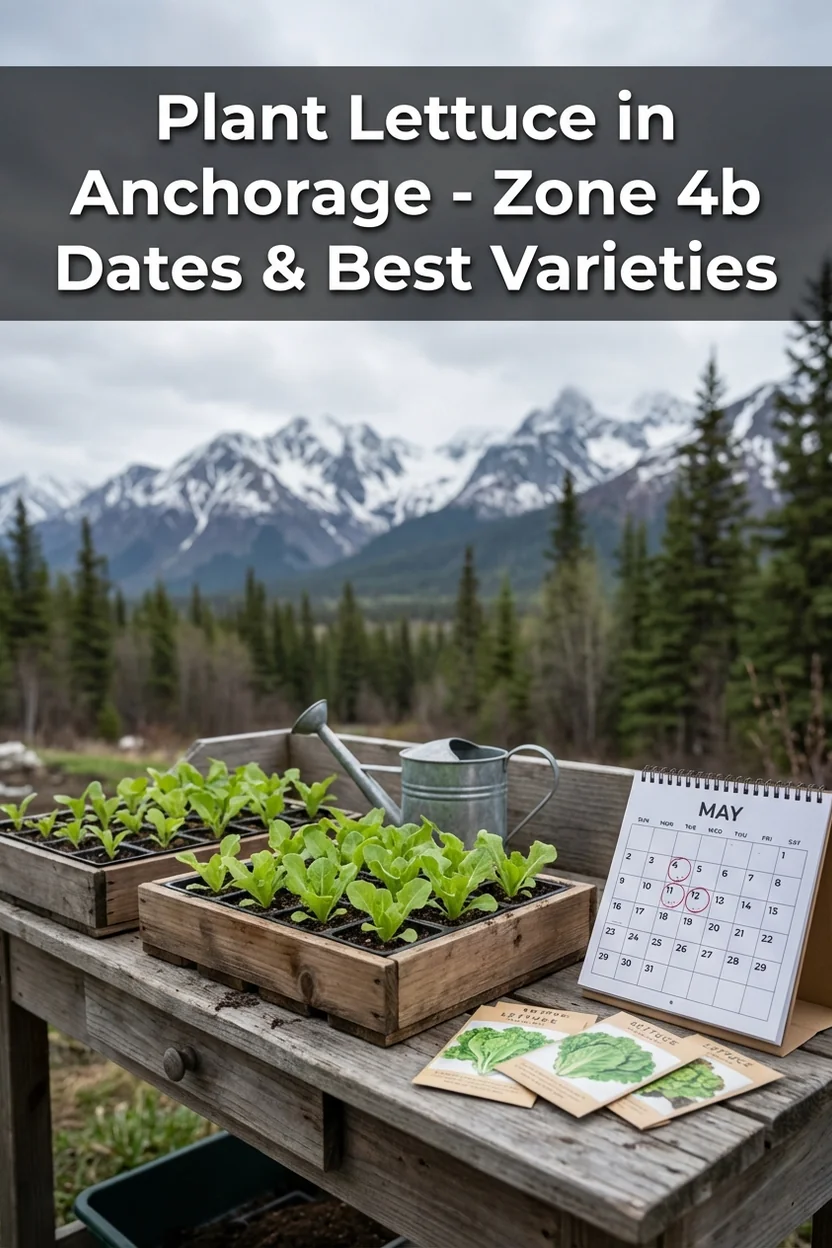
When to Plant Lettuce in Anchorage: Complete Guide + Best Varieties for Zone 4b
Pets & Toxicity
Recorded toxicity for plants linked in this guide. An unknown status is not a safety assessment.
No linked plant is recorded as toxicDetailsHide
Lactuca sativa 'Black Seeded Simpson' — Toxicity
Non-toxicView Lactuca sativa 'Black Seeded Simpson' plant profileLactuca sativa 'Winter Density' — Toxicity
Non-toxicView Lactuca sativa 'Winter Density' plant profile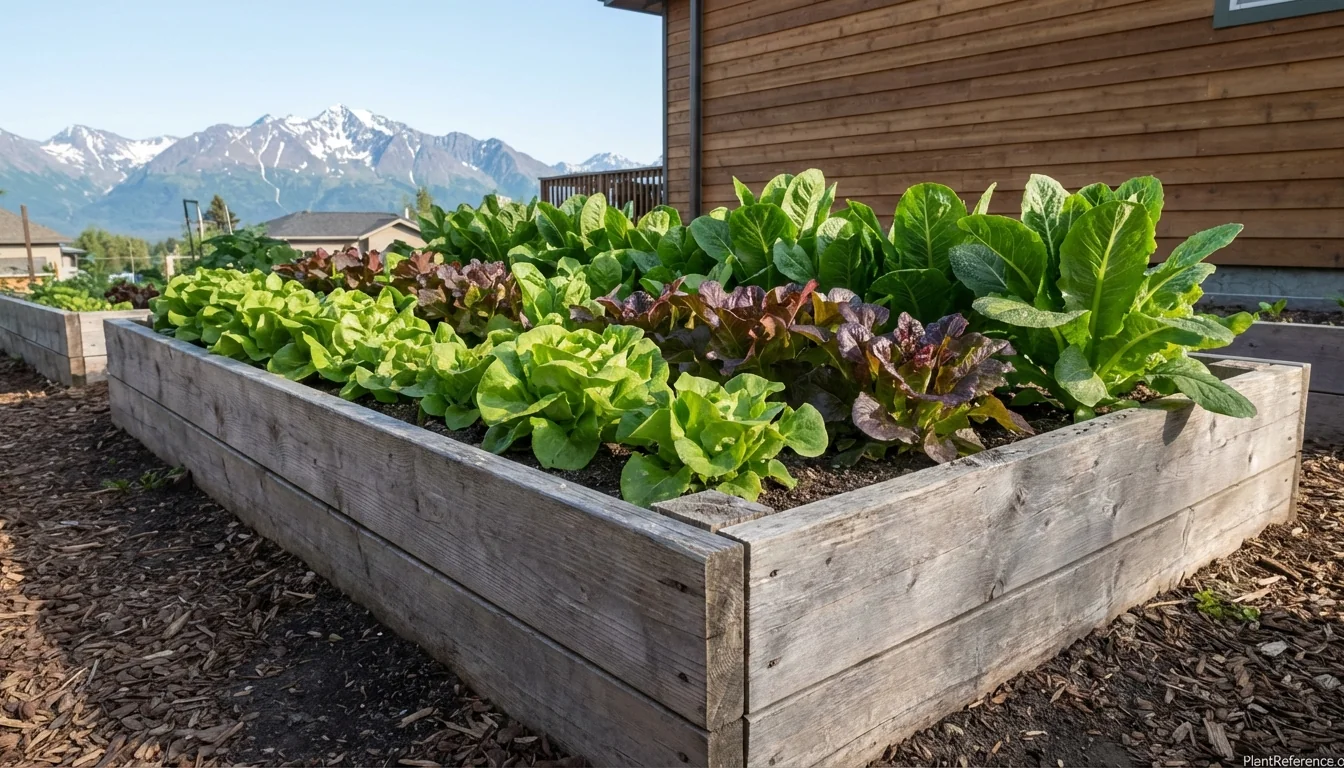
— Image © Plant Reference 2026
I've been helping Alaska gardeners grow lettuce for thirty years, and I'll tell you straight—Anchorage's Zone 4b climate is challenging but absolutely workable for lettuce. The key is understanding that your 118-day growing season from May 19 to September 14 is actually perfect for this cool-season crop, as long as you choose the right varieties and time everything precisely.
Best Lettuce Varieties for Anchorage's Climate
Alaska's unique growing conditions require specific variety selection. Your short, cool summer is actually ideal for lettuce—no summer heat stress means better quality leaves and extended harvest windows. However, you need varieties that mature quickly and handle temperature fluctuations.
Variety | Days to Maturity | Best For | Notes for Anchorage |
|---|---|---|---|
45-55 days | Cut-and-come-again harvest | Excellent cold tolerance, handles Alaska's cool nights | |
55-65 days | Reliable heads | Proven performer in short seasons, bolt-resistant | |
40-50 days | Quick loose leaf | Fastest option, perfect for Alaska's tight timeline | |
60-70 days | Cold hardiness | Bred specifically for northern climates | |
50-60 days | Fall growing | Survives light frosts, extends season | |
30-40 days | Succession planting | Multiple harvests from one planting |
Heat-Tolerant Varieties (Less Critical in Anchorage)
While most locations worry about summer heat, Anchorage's cool summers mean heat tolerance isn't your primary concern. Your average July high of 65°F (18°C) is actually perfect for lettuce. Instead, focus on cold hardiness and quick maturation.
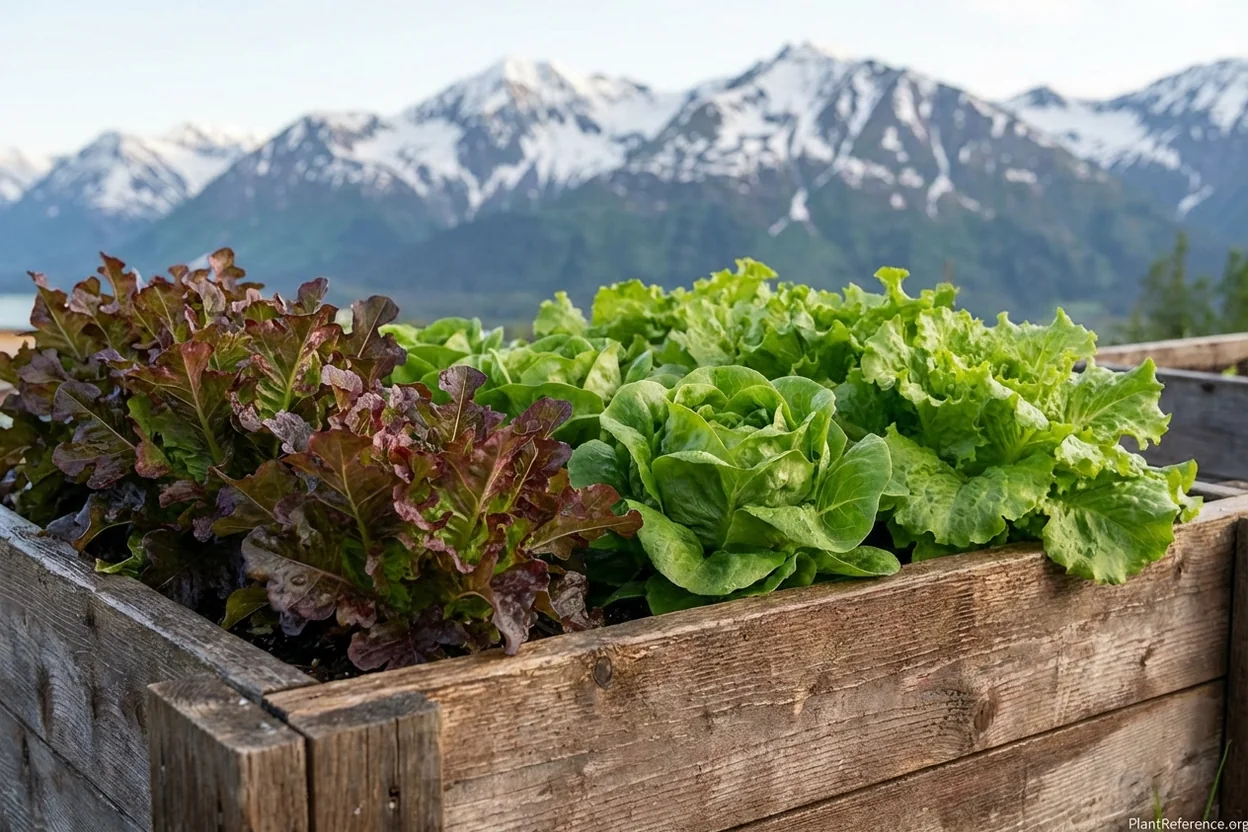
🌿Lactuca sativa 'Red Oak Leaf' is my top recommendation for Alaska. This looseleaf variety handles your cool nights beautifully, and the red pigmentation actually intensifies in cooler weather, giving you stunning color. It's also forgiving if you're new to timing transplants.
Quick-Maturing Options
For succession planting throughout your short season, rely on the fastest varieties. 🌿Lactuca sativa 'Black Seeded Simpson' matures in just 40-50 days, allowing multiple harvests. 🌿Lactuca sativa 'Mesclun Mix' can be harvested in 30 days, perfect for those 10-day succession plantings I recommend for continuous harvest.
Specific Planting Dates for Anchorage
Your last frost date of May 19 and first frost of September 14 create a 118-day window that's actually longer than many people realize. The trick is maximizing this period with proper indoor starting and season extension.
Indoor Seed Starting Schedule
April 1-7: Start slow-maturing varieties indoors
🌿Lactuca sativa 'Buttercrunch' (65 days) + 7 days hardening = harvest by August 12
🌿Lactuca sativa 'Winter Density' (60 days) for fall harvest
🌿Lactuca sativa 'Arctic King' (70 days) - only if started by April 1
April 15-22: Start quick varieties indoors
🌿Lactuca sativa 'Red Oak Leaf' (50 days) for early summer harvest
🌿Lactuca sativa 'Black Seeded Simpson' (45 days) for multiple successions
Transplant Schedule
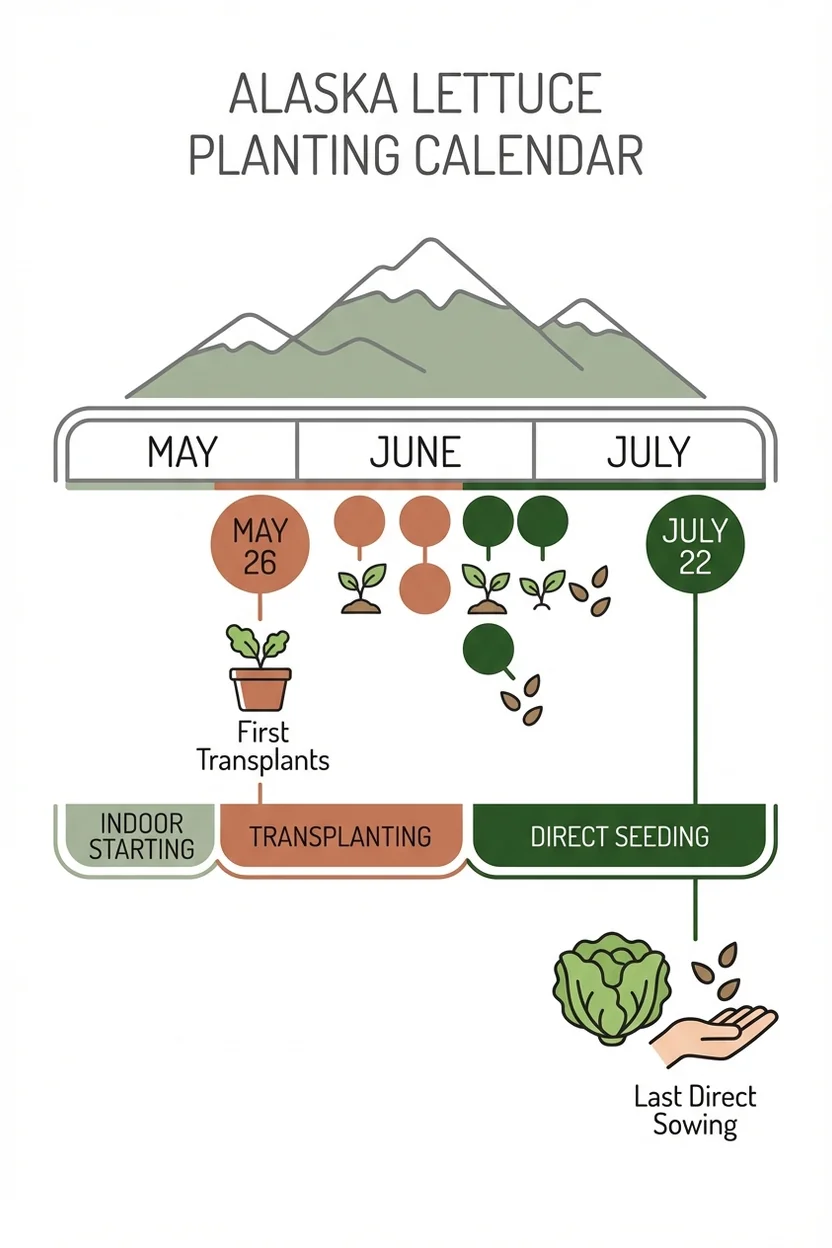
May 26 - June 2: First transplants (one week after last frost) This timing ensures soil has warmed adequately while providing maximum growing time. Anchorage soil temperatures typically reach 45°F (7°C) by late May, perfect for lettuce root establishment.
June 10 - June 17: Second wave transplants Plant varieties started April 15 for continuous harvest. This spacing prevents overwhelming harvest periods.
Direct Seeding Windows
June 1-15: Direct sow quick varieties
🌿Lactuca sativa 'Mesclun Mix' every 10 days through July 1
🌿Lactuca sativa 'Red Oak Leaf' for cut-and-come-again harvest
July 15-22: Fall planting window This is your last chance for fall harvest before September 14 frost. Plant only varieties that mature in 55 days or less.
Complete Growing Guide for Anchorage
Alaska's unique conditions require modifications to standard lettuce growing advice. Your cool summers eliminate bolting concerns but create other challenges around soil warming and season length.
Soil Preparation for Alaska Conditions
Anchorage's shorter season demands raised beds to warm soil faster. Build beds 8-12 inches (20-30 cm) tall and orient them east-west to maximize sun exposure. Your soil likely needs organic matter—work in 2-3 inches (5-7.5 cm) of compost annually.
Test soil pH in early April. Lettuce prefers 6.0-7.0 pH, and Alaska soils tend toward acidity. Add lime in fall if needed, as it takes months to adjust pH effectively.
Indoor Starting Techniques
Given your short outdoor season, indoor starting is crucial. Use a cool basement or garage—lettuce seeds germinate poorly above 75°F (24°C). I recommend starting seeds at 65-70°F (18-21°C) for best results.
Harden transplants gradually over 7-10 days. Alaska's temperature swings require thorough acclimation. Start by placing seedlings outside for 2 hours, increasing daily until they're out all day and night.
Watering Strategy
Alaska's cool, often cloudy conditions mean different watering needs than warmer climates. Water deeply but less frequently—every 3-4 days typically suffices. Check soil moisture at 2 inches (5 cm) depth; it should be moist but not soggy.
Morning watering is critical in Alaska's humid conditions. This allows foliage to dry before evening, reducing disease pressure from your abundant moisture.
Season Extension Methods
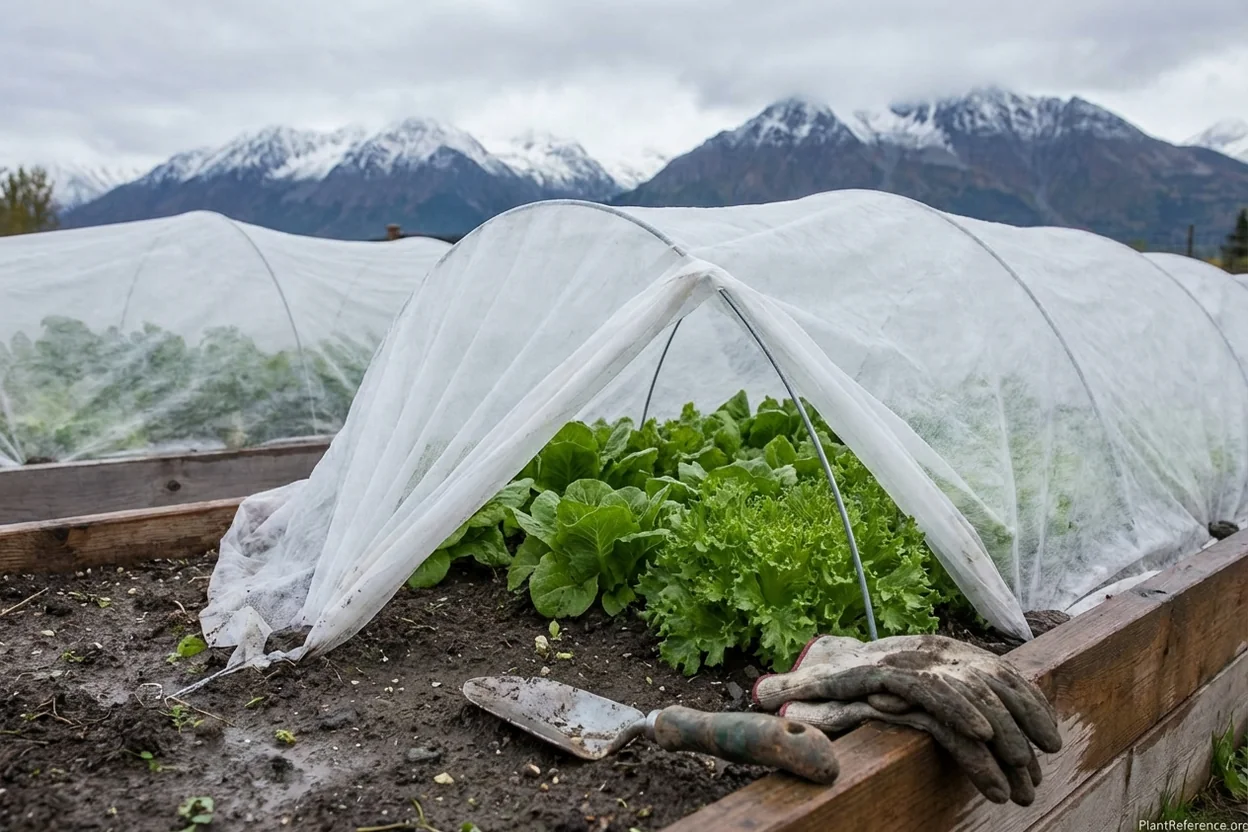
Your September 14 first frost doesn't have to end your harvest. 🌿Lactuca sativa 'Winter Density' and 🌿Lactuca sativa 'Arctic King' survive light frosts down to 28°F (-2°C). Row covers can extend harvest 2-3 weeks into October.
Cold frames work exceptionally well in Alaska. The structure protects from wind while capturing available solar energy. Position cold frames facing south-southeast for maximum light capture during shortened fall days.
Companion Planting in Short Seasons
In Alaska's compact growing season, every square foot counts. Plant lettuce alongside quick-growing radishes, which mature in 25-30 days and are harvested before lettuce needs the space. Green onions work well too, as their vertical growth doesn't compete.
Avoid planting lettuce near tall crops that might shade it. Your already-limited sunlight is too precious to waste on poor placement decisions.
Troubleshooting Anchorage-Specific Problems
Alaska presents unique challenges different from typical lettuce growing regions. Your cool, moist climate creates specific issues that require targeted solutions.
Slugs in Moist Conditions
Alaska's abundant moisture creates perfect slug habitat. These pests can devastate young lettuce transplants overnight. I've seen entire beds destroyed in a single evening.
Morning watering helps—wet evening conditions encourage slug activity. Apply iron phosphate baits (Sluggo) in late May when you first transplant. Reapply after heavy rains, which are common in Anchorage summers.
Create barriers using copper tape around bed edges. The electrical reaction with slug slime provides effective deterrence without ongoing chemical applications.
Slow Growth in Cool Soils
Even in June, Anchorage soils may remain cooler than ideal. Lettuce grows slowly in soil below 50°F (10°C), extending your already-tight timeline.
Black plastic mulch warms soil effectively but requires careful moisture monitoring. Clear plastic works better for lettuce, warming soil while allowing rain penetration. Remove plastic once plants are established and soil temperatures stabilize above 55°F (13°C).
Wind Damage
Alaska's weather can be unpredictable, with strong winds damaging delicate lettuce leaves. Young transplants are particularly vulnerable to wind desiccation.
Windbreaks are essential—even temporary ones using fabric or boards help transplants establish. Once plants reach 4 inches (10 cm) tall, they better withstand Alaska's variable weather.
Short Daylight Hours
While summer daylight hours are long in Alaska, spring and fall present challenges with limited light for transplant establishment and season extension.
Supplemental lighting helps spring seedlings indoors. A simple fluorescent shop light provides adequate illumination for healthy transplant growth. In fall, maximize natural light by keeping cold frames clean and positioning for optimal sun exposure.
Late Spring Soil Conditions
Alaska soils often remain frozen or waterlogged later than calendar dates suggest. Don't rush outdoor planting based solely on average frost dates—check actual soil conditions.
Soil should be workable and not muddy when squeezed. If water drains from clenched soil, wait another week. Planting in soggy soil leads to root rot and transplant failure.
Harvest & Storage
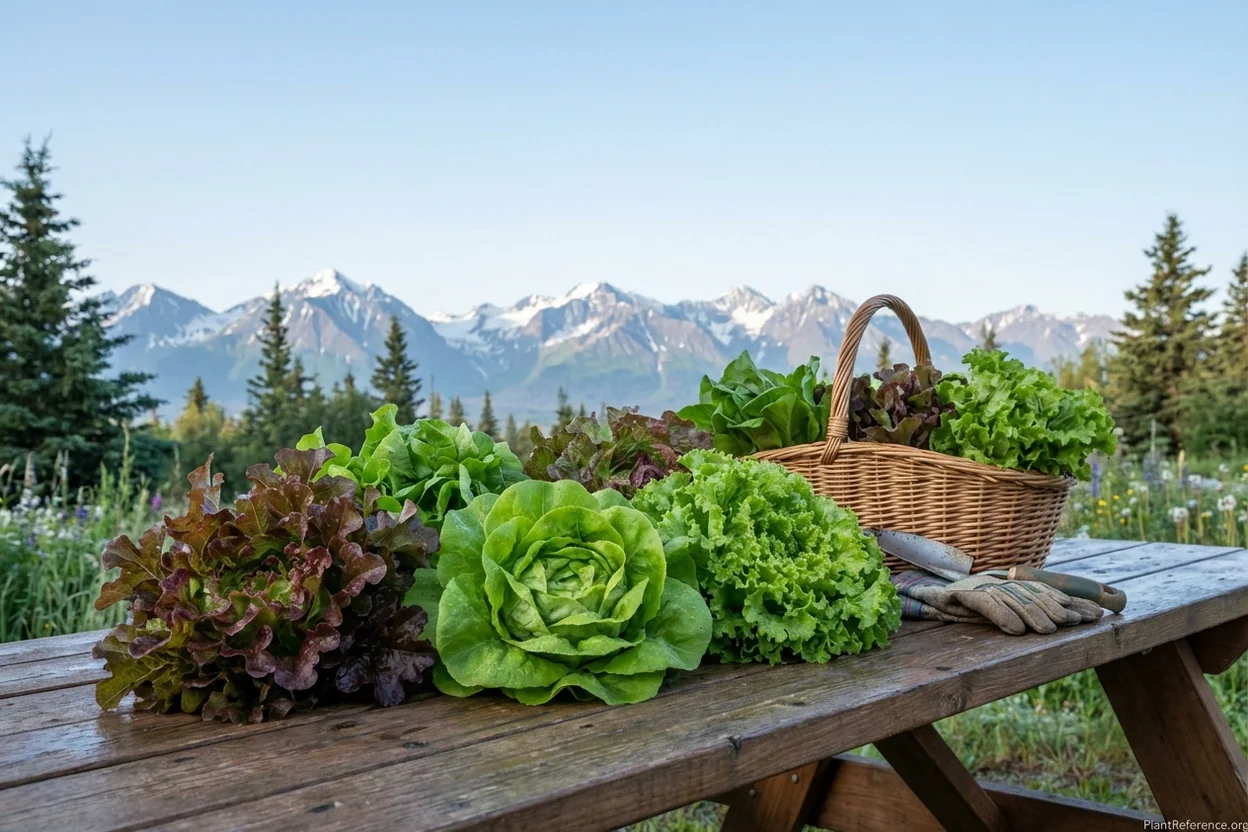
Alaska's cool climate produces exceptionally high-quality lettuce with extended harvest windows. Your lack of heat stress means leaves stay tender and sweet longer than in warmer regions.
Optimal Harvest Timing
Begin harvesting outer leaves when 🌿Lactuca sativa 'Red Oak Leaf' and other looseleaf varieties reach 4-6 inches (10-15 cm) tall. This cut-and-come-again method extends productivity throughout your growing season.
Heading varieties like 🌿Lactuca sativa 'Buttercrunch' should be harvested when heads feel firm but before centers begin elongating (bolting). In Alaska's cool conditions, you have a longer harvest window than warmer climates.
Early morning harvest provides crispest leaves. Alaska's cool nights naturally crisp lettuce, making morning the ideal harvest time. Avoid harvesting during or immediately after rain—excess moisture reduces storage life.
Storage Methods
Alaska's cool conditions are perfect for lettuce storage. Freshly harvested lettuce keeps 7-10 days refrigerated, compared to 3-5 days in warmer climates.
Wash and thoroughly dry leaves before storage. Use a salad spinner or clean towels to remove all moisture. Store in perforated plastic bags in the refrigerator crisper drawer.
For bulk harvests near first frost, lettuce can be blanched and frozen for cooking use, though texture changes prevent fresh consumption. This method preserves nutrition when season-ending weather threatens mature plants.
Frequently Asked Questions
Reading about plants and recognising them are different skills. These three build the second.
- Daily PlantIdentify the day’s mystery plant from a close-up photograph.
- Keyed OutWork a dichotomous key, lead by lead, to name a hidden specimen.
- Name That PlantName a specimen from botanical clues dealt hardest first.
Free to play, no account needed
Dot grew up on a small farm in rural Virginia and has maintained a vegetable garden for decades. After retiring from teaching elementary school, she became a Master Gardener volunteer and spends her time mentoring new gardeners at community garden plots in Richmond. She's especially knowledgeable about heirloom varieties, seed saving, and traditional growing methods passed down from her grandmother. Dot's no-nonsense advice comes from extensive trial and error—she's seen every tomato disease, pest problem, and weather disaster imaginable. Her biggest pet peeve is gardeners who overcomplicate simple tasks. "Plants want to grow," she often says. "Your job is to not get in their way."