When to Plant Lettuce in Boise: Complete Guide + Best Varieties for Zone 6a
Pets & Toxicity
Recorded toxicity for plants linked in this guide. An unknown status is not a safety assessment.
No linked plant is recorded as toxicDetailsHide
Lactuca sativa 'Winter Density' — Toxicity
Non-toxicView Lactuca sativa 'Winter Density' plant profile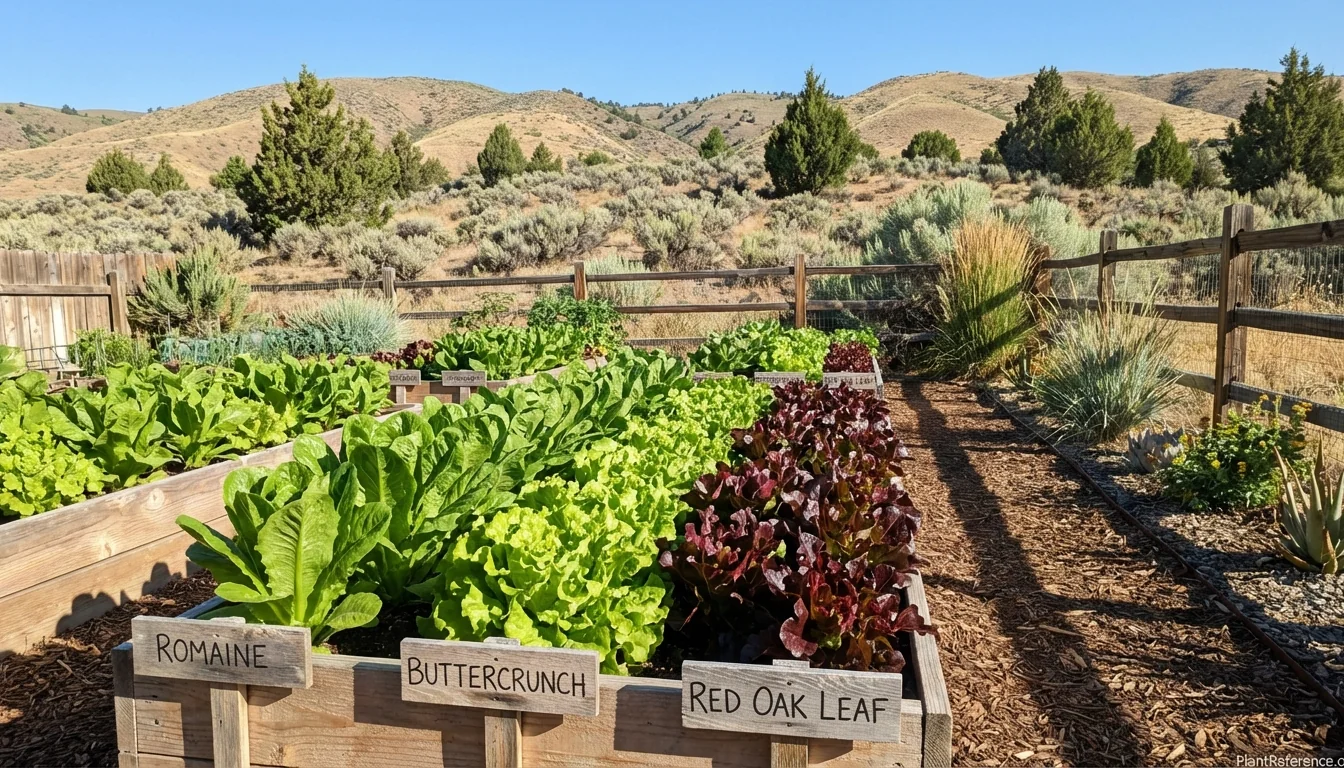
— Image © Plant Reference 2026
I've been helping folks grow lettuce in the Mountain West for decades, and let me tell you—Boise's Zone 6a climate is actually perfect for lettuce if you time it right. The key is working with Idaho's distinct seasons instead of fighting them.
Best Lettuce Varieties for Boise's Climate
Boise's high desert climate with its 158-day growing season presents unique challenges that not all lettuce varieties can handle. After years of testing, I've found six varieties that consistently perform well in our Zone 6a conditions.
The secret is choosing varieties that can handle Idaho's temperature swings—we can see 70°F days followed by 40°F nights in spring, and our dry air means rapid moisture loss. These varieties have proven themselves worthy:
Variety | Days to Maturity | Best For Boise | Notes for Zone 6a |
|---|---|---|---|
55-65 days | Spring & Fall | Superior heat tolerance, handles temperature swings | |
45-55 days | All season | Cold hardy, drought tolerant, great for beginners | |
Lactuca sativa 'Jericho Romaine' | 70-80 days | Fall harvest | Exceptional bolt resistance, sweet flavor |
30-40 days | Spring succession | Quick harvest before heat, perfect for Boise springs | |
60-70 days | Fall/winter | Overwinters with protection in mild years | |
Lactuca sativa 'Simpson Elite' | 50-60 days | Heat tolerance | Black-seeded variety, handles summer better |
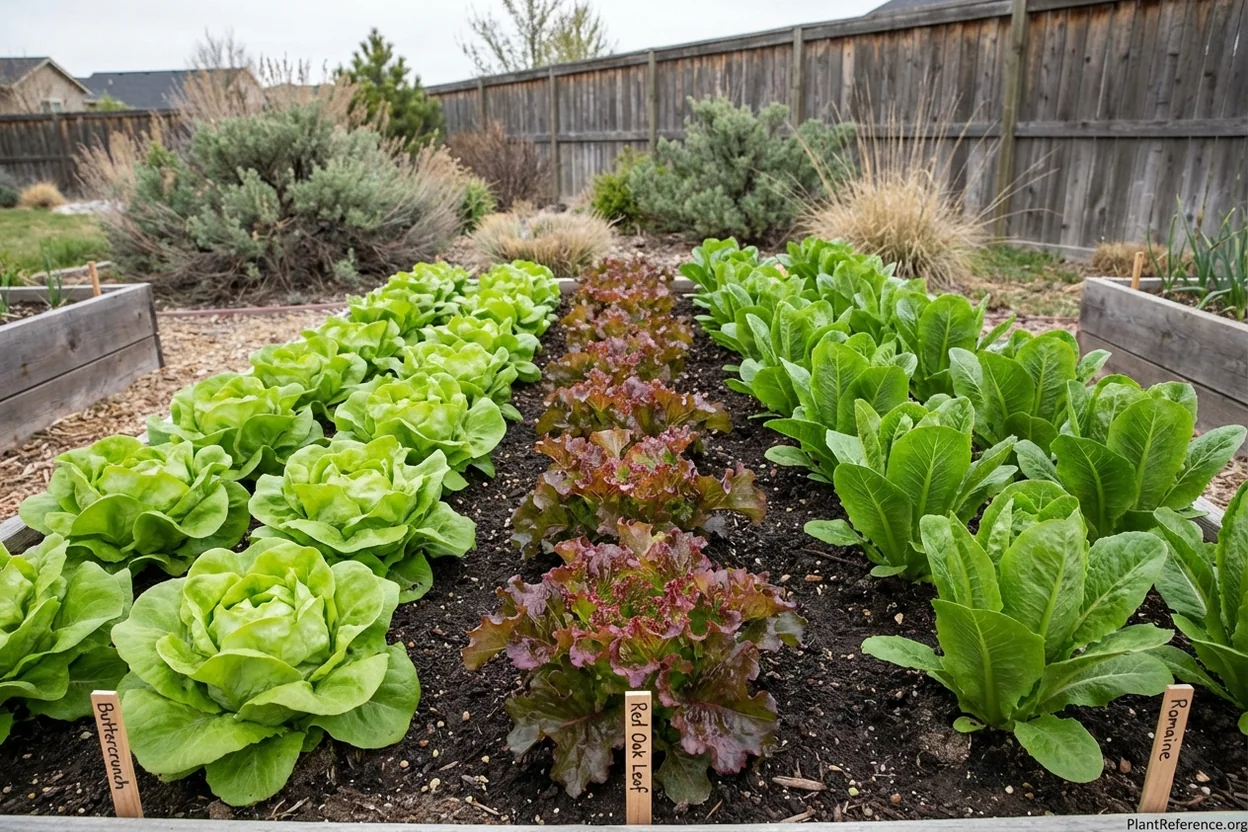
🌿Lactuca sativa 'Buttercrunch' stands out as my top recommendation for Boise gardeners. This variety was bred at Cornell specifically for temperature tolerance, and it shows. I've watched it handle April temperature drops to 28°F without missing a beat, then continue growing when temps hit 80°F in May.
🌿Lactuca sativa 'Red Oak Leaf' varieties earn their place through sheer toughness. The deep root system handles our dry conditions better than most lettuces, and the red pigmentation actually increases with cool fall temperatures—giving you the prettiest salads you'll ever grow.
For fall planting, Lactuca sativa 'Jericho Romaine' is unbeatable. This variety was developed for bolt resistance, meaning it won't go to seed at the first sign of stress. In Boise's fall climate, it produces dense, sweet heads that improve with each cool night.
Specific Planting Dates for Boise
Here's where most gardening advice falls short—it gives you general guidelines instead of specific dates. In Boise, timing is everything because our growing season has distinct windows that you need to hit precisely.
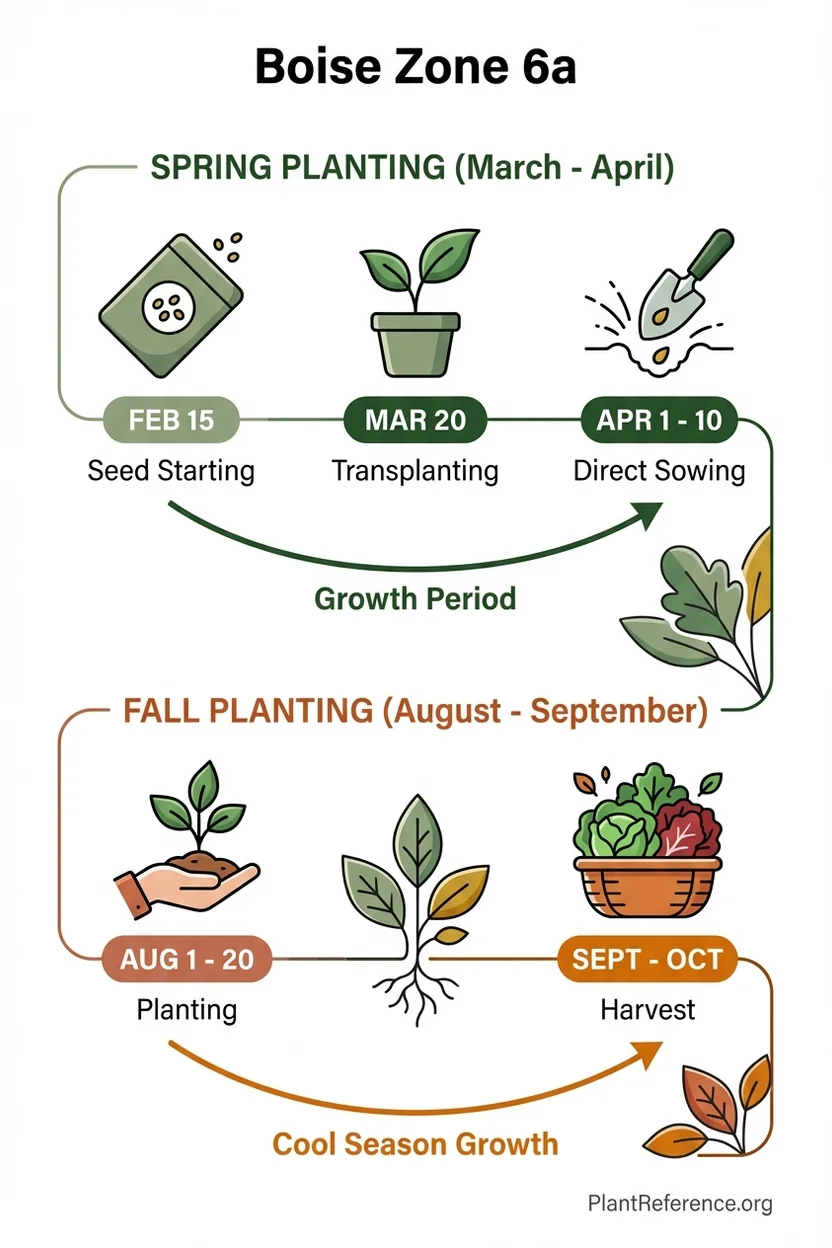
Spring Planting Window: March 20 - April 15
With our last frost date of May 4, you can start transplanting hardier varieties like 🌿Lactuca sativa 'Buttercrunch' and 🌿Lactuca sativa 'Red Oak Leaf' outdoors on March 20. These varieties handle light frosts down to 28°F without damage.
For direct seeding, wait until soil temperature reaches 40°F consistently—typically April 1-10 in Boise. I check soil temperature at 2-inch depth using a soil thermometer. Cold soil below 40°F will either prevent germination entirely or result in spotty, weak stands.
Indoor Seed Starting: February 15 - March 1
Start seeds indoors 6-8 weeks before transplanting. For spring transplants going out March 20, start seeds February 15. Use a cool location (60-65°F) for germination—lettuce seeds won't germinate in warm conditions above 80°F.
Summer Gap: May 15 - July 31
Don't waste time trying to grow lettuce during Boise's summer heat. Temperatures consistently above 85°F will cause immediate bolting and bitter, inedible leaves. Use this time to prepare for your fall crop.
Fall Planting Window: August 1 - August 25
This is when Boise really shines for lettuce growing. Plant fall crops August 1-20 for harvest beginning in September. Fall-grown lettuce is superior—sweeter, more tender, and with better color development as cool nights trigger sugar accumulation.
Calculate backwards from our October 9 first frost date:
🌿Lactuca sativa 'Mesclun Mix': Plant August 20 for September 20 harvest
🌿Lactuca sativa 'Buttercrunch': Plant August 1 for October 1 harvest
Lactuca sativa 'Jericho Romaine': Plant July 25 for October 5 harvest
Late Fall/Winter: September 1 - 15
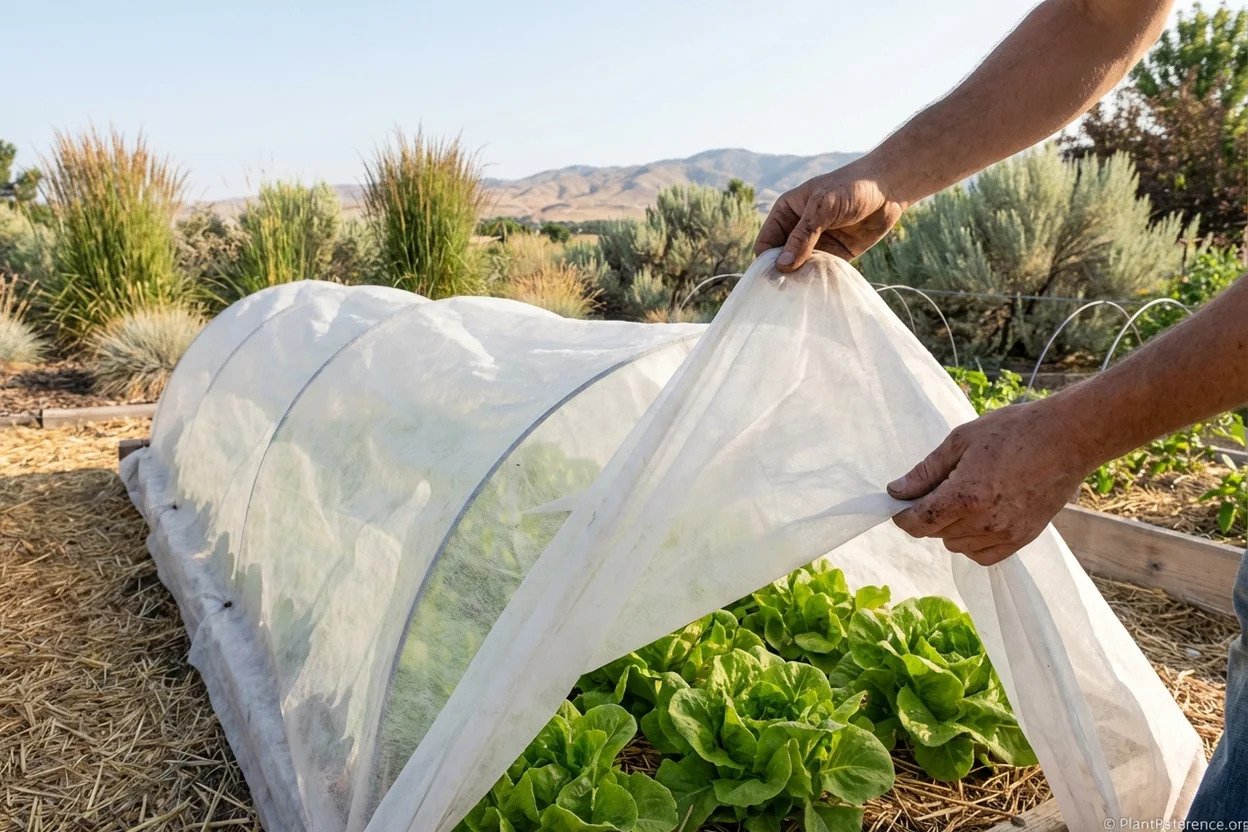
Plant cold-hardy varieties like 🌿Lactuca sativa 'Winter Density' and 🌿Lactuca sativa 'Red Oak Leaf' for harvest into November and December. Use row covers or low tunnels for protection during hard freezes.
Complete Growing Guide for Boise
Growing lettuce successfully in Boise requires understanding our unique combination of high altitude (2,700 feet), low humidity, and alkaline soil. Here's what works:
Soil Preparation
Boise's native soil is alkaline clay that lettuce won't tolerate. I always amend with 2-3 inches of compost worked into the top 8 inches of soil. This lowers pH from our typical 7.8-8.2 down to lettuce's preferred 6.0-7.0 range.
Add organic matter every season. Our dry climate breaks down organic material quickly, so what worked last year won't be sufficient this year. I use aged chicken manure, leaf compost, or well-rotted steer manure.
Water Management in Boise's Dry Climate
This is critical. Boise receives only 12 inches of annual rainfall, and most of that falls outside the growing season. Lettuce needs consistent moisture—the soil should feel like a wrung-out sponge at all times.
I water deeply twice weekly rather than daily shallow watering. Deep watering encourages roots to grow down into cooler, more stable soil layers. Shallow daily watering keeps roots near the surface where they're vulnerable to heat stress.
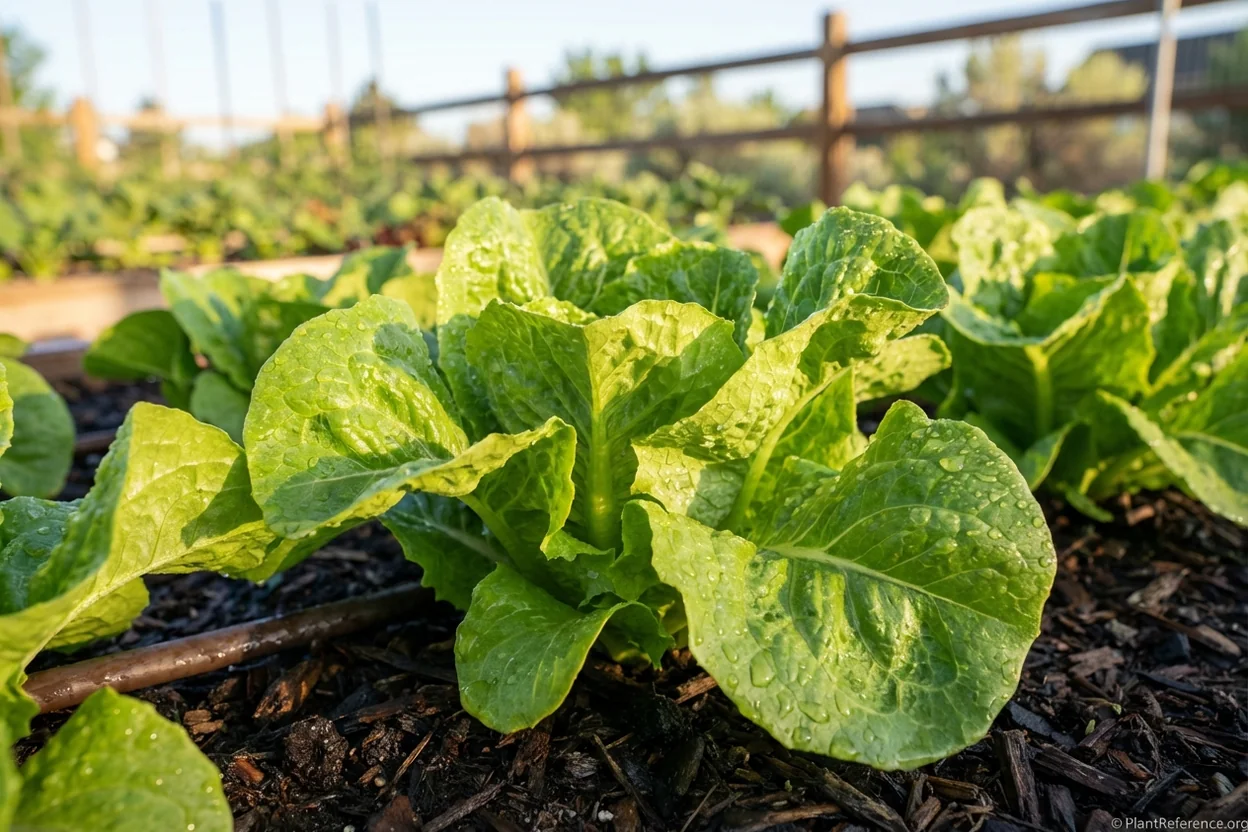
Mulch is mandatory. I use 2-3 inches of straw mulch around plants to conserve moisture and moderate soil temperature. In Boise's intense sunlight, unmulched soil can heat to over 100°F—lethal to lettuce roots.
Timing Succession Plantings
For continuous harvest, plant new rows every 2 weeks during optimal windows. In spring, plant 🌿Lactuca sativa 'Mesclun Mix' every 2 weeks from April 1-30. The short 30-day maturity means you'll have fresh lettuce from early May through June.
For fall, I stagger plantings of different varieties rather than successive plantings of the same variety. Plant Lactuca sativa 'Jericho Romaine' July 25, 🌿Lactuca sativa 'Buttercrunch' August 1, and 🌿Lactuca sativa 'Red Oak Leaf' August 15. This gives you a naturally staggered harvest from September through November.
Protection Strategies
Spring: Use row covers during cold snaps. Boise can see surprise late frosts even into mid-May. I keep lightweight row cover handy and deploy it when temperatures are forecast below 32°F.
Summer: If you must grow lettuce in summer, provide afternoon shade. I use 50% shade cloth on a simple frame, or plant lettuce on the east side of tall plants like tomatoes where they receive morning sun but afternoon shade.
Fall: Row covers extend the season significantly. 🌿Lactuca sativa 'Winter Density' under row cover will produce harvestable leaves well into December in most years.
Troubleshooting Boise-Specific Problems
After decades of growing lettuce in Idaho's unique climate, I've seen these problems repeatedly. Here's how to solve them:
Bolting in Spring Heat
Problem: Lettuce goes to seed when Boise temperatures jump from 60°F to 85°F overnight in May.
Solution: Choose bolt-resistant varieties like Lactuca sativa 'Simpson Elite' or 🌿Lactuca sativa 'Buttercrunch'. Provide afternoon shade during heat waves. Water deeply to keep soil cool—hot, dry soil triggers bolting faster than air temperature alone.
Poor Germination in Alkaline Soil
Problem: Seeds germinate poorly or not at all in Boise's naturally alkaline soil.
Solution: Lower soil pH with sulfur or peat moss amendments. Test soil pH annually—it should be 6.0-7.0 for lettuce. I add 1 pound of elemental sulfur per 100 square feet to lower pH by one point.
Tipburn in Dry Climate
Problem: Leaf edges turn brown and crispy despite adequate watering.
Solution: This is calcium deficiency caused by inconsistent moisture. Maintain steady soil moisture with drip irrigation or soaker hoses. Avoid overhead watering which can cause rapid moisture fluctuations. Mulch heavily to moderate soil moisture levels.
Aphid Infestations
Problem: Green aphids cluster on leaf undersides, especially in fall.
Solution: Aphids love the tender growth of fall lettuce. Spray off with strong water stream weekly. Encourage beneficial insects with diverse plantings. Lady beetles and lacewing larvae will control aphid populations naturally.
Winter Kill
Problem: Fall-planted lettuce dies during first hard freeze.
Solution: Use proper varieties and protection. 🌿Lactuca sativa 'Winter Density' and 🌿Lactuca sativa 'Red Oak Leaf' survive to 20°F with row cover protection. Plant in cold frames or against south-facing walls for additional warmth.
Irregular Water Stress
Problem: Lettuce develops bitter taste and tough texture.
Solution: Boise's low humidity means plants lose water rapidly. Water early morning to reduce evaporation. Check soil moisture at 2-inch depth—should never be dry. Inconsistent watering causes more problems than any other factor.
Harvest & Storage
Harvest timing in Boise's climate requires attention to both maturity and weather conditions. Here's when and how to harvest each variety:
Harvest Timing by Variety
🌿Lactuca sativa 'Mesclun Mix': Harvest at 3-4 inches tall, approximately 30-35 days after planting. Cut 1 inch above soil level for regrowth—you'll get 2-3 cuttings from one planting.
🌿Lactuca sativa 'Red Oak Leaf': Begin harvesting outer leaves when plants reach 6 inches across. This "cut and come again" method extends harvest for 4-6 weeks per planting.
🌿Lactuca sativa 'Buttercrunch': Harvest whole heads when hearts feel firm but leaves still have give when gently squeezed. Typically 55-65 days in Boise conditions.
Lactuca sativa 'Jericho Romaine': Harvest when heads reach 8-10 inches tall and feel dense. Fall-grown romaine in Boise develops exceptional sweetness—often the best lettuce you'll taste all year.
Best Harvest Conditions
Harvest in early morning when plants are fully hydrated from overnight moisture recovery. Boise's low humidity means plants lose turgor pressure rapidly during the day.
Never harvest wet lettuce. Our high altitude means intense solar radiation that quickly heats wet leaves, causing rapid deterioration. Wait until dew evaporates but before heat builds.
Storage in Low Humidity
Boise's dry air presents storage challenges. Wrap harvested lettuce loosely in damp paper towels, then place in perforated plastic bags in the refrigerator. This maintains humidity around the leaves while allowing air circulation.
For mesclun and oak leaf varieties, store unwashed in sealed containers with paper towel layers to absorb excess moisture while maintaining adequate humidity.
Properly stored lettuce from Boise gardens typically lasts 7-10 days—longer than store-bought because you control harvest timing and handling.
Frequently Asked Questions
Reading about plants and recognising them are different skills. These three build the second.
- Daily PlantIdentify the day’s mystery plant from a close-up photograph.
- Keyed OutWork a dichotomous key, lead by lead, to name a hidden specimen.
- Name That PlantName a specimen from botanical clues dealt hardest first.
Free to play, no account needed
Dot grew up on a small farm in rural Virginia and has maintained a vegetable garden for decades. After retiring from teaching elementary school, she became a Master Gardener volunteer and spends her time mentoring new gardeners at community garden plots in Richmond. She's especially knowledgeable about heirloom varieties, seed saving, and traditional growing methods passed down from her grandmother. Dot's no-nonsense advice comes from extensive trial and error—she's seen every tomato disease, pest problem, and weather disaster imaginable. Her biggest pet peeve is gardeners who overcomplicate simple tasks. "Plants want to grow," she often says. "Your job is to not get in their way."