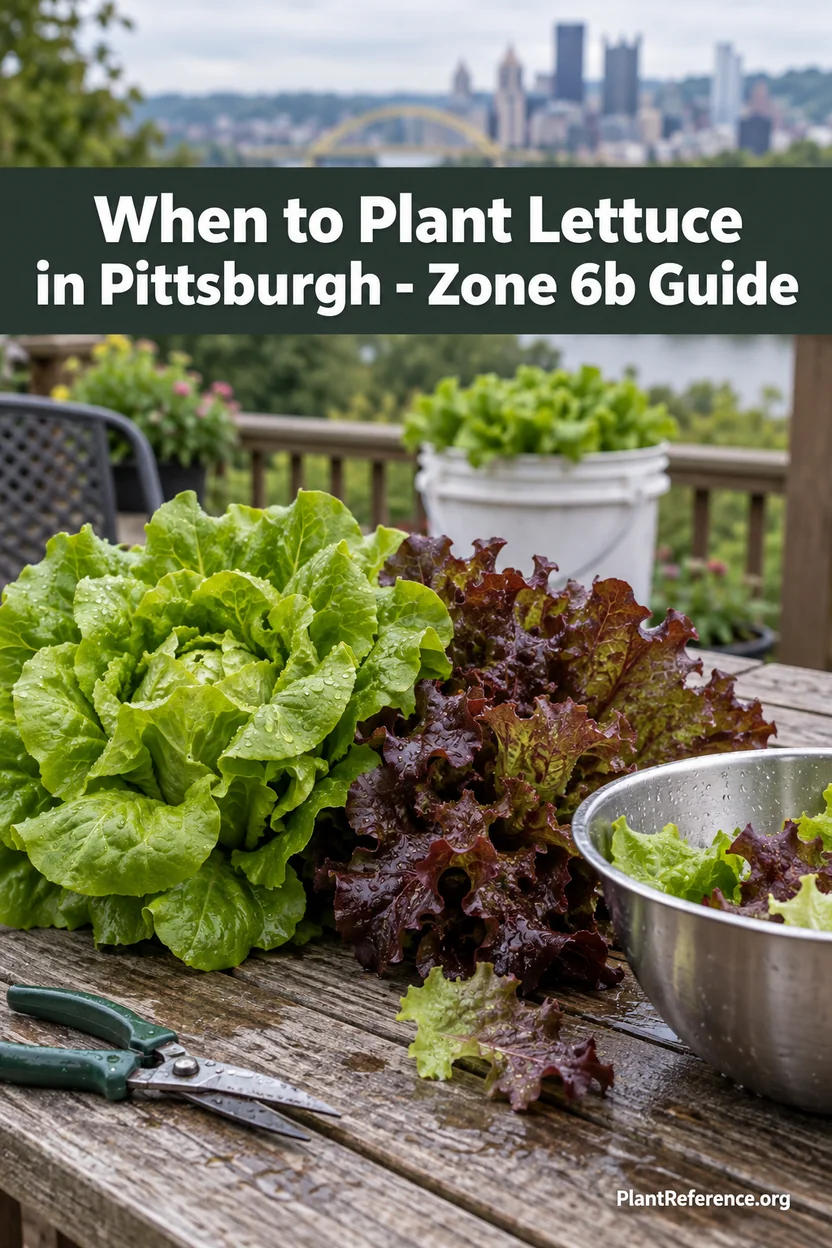
When to Plant Lettuce in Pittsburgh: Zone 6b Dates
Pets & Toxicity
Recorded toxicity for plants linked in this guide. An unknown status is not a safety assessment.
Lactuca sativa 'Parris Island Cos' — Toxicity
Non-toxicView Lactuca sativa 'Parris Island Cos' plant profile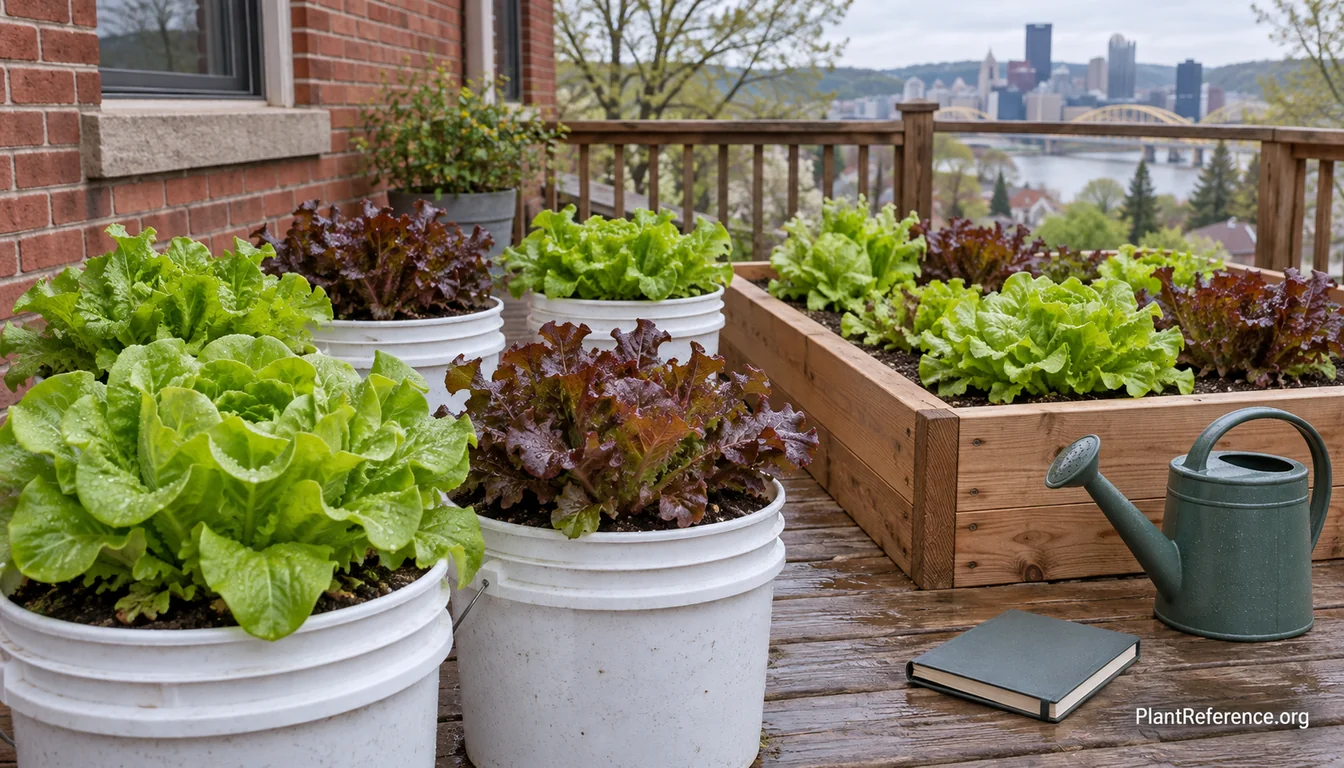
— Image © PlantReference.org 2026
After years of testing crops on my patio, I can tell you lettuce is the one I recommend to every new Pittsburgh grower, whether you've got a raised bed or just a few buckets on a balcony. Knowing when to plant lettuce in Pittsburgh is mostly about timing the cool weather right. Lettuce, Lactuca sativa (luh-TOO-kuh sah-TY-vuh), is a cool-season crop that grows best between 60°F and 65°F (15-18°C), so in our Zone 6b climate it shines in spring and fall and sulks in July. Plant early, keep sowing small batches, and come back for a fall crop, and you'll have salad for months.
Best Lettuce Varieties for Pittsburgh's Zone 6b Climate
I track every variety I grow in a spreadsheet—yield, bolt date, flavor—and lettuce is where variety choice pays off most. Pittsburgh's spring can swing from frost to an 80°F afternoon in a week, so the lettuce that earns space here resists bolting and handles our damp, mildew-friendly air. These are the types that keep performing for me season after season.
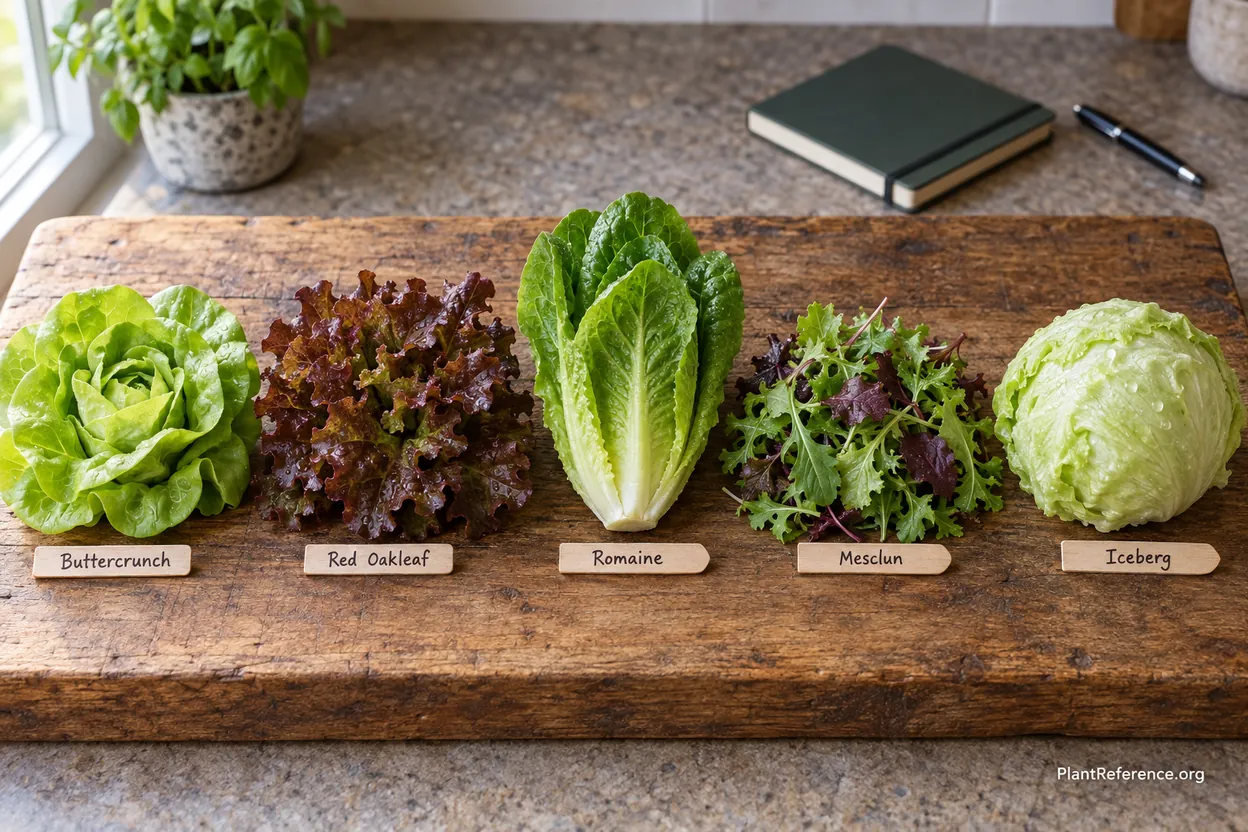
🌿Lactuca sativa 'Buttercrunch' (luh-TOO-kuh sah-TY-vuh) is my number-one pick for Pittsburgh beds and containers alike. Developed at Cornell and an All-America Selection winner in 1963, it forms a tidy butterhead rosette and stays sweet long after other types turn bitter. Its bolt resistance is excellent, which is exactly what you want when a warm snap hits in late May. At about 4-5 inches (10-13 cm) across, 🌿Lactuca sativa 'Buttercrunch' also fits beautifully in a 5-gallon bucket, two plants to a pot.
For speed, 🌿Lactuca sativa 'Red Oak Leaf' matures in just 45-55 days as a looseleaf type with deeply lobed bronze-red leaves. The color deepens in cool weather, so the fall crop is gorgeous. It's a cut-and-come-again variety—snip the outer leaves and the center keeps growing—and it carries solid intermediate resistance to downy mildew and tipburn, both of which matter in humid Pittsburgh.
If you want crisp upright heads, 🌿Lactuca sativa 'Parris Island Cos' is a reliable romaine at 70-80 days. Its tall, open habit keeps air moving through the plant, which helps in our muggy stretches, though the heart still needs steady water to dodge tipburn. 🌿Lactuca sativa 'Mesclun Mix' isn't one variety but a fast baby-leaf blend you cut in 30-40 days—the speed is the point, since you harvest it before heat or bolting can ruin it. That makes it my go-to for tight container succession plantings. For a crisphead, Lactuca sativa 'Ithaca' is an iceberg type that does far better here as a fall crop, needing 80-90 cool days to head up without tipburn.
Variety | Days to Maturity | Best For | Notes for Pittsburgh |
|---|---|---|---|
55-65 days | Beds & 5-gallon containers | Excellent bolt resistance; compact and reliable | |
45-55 days | Cut-and-come-again leaf | Color deepens in fall; mildew and tipburn tolerant | |
70-80 days | Crisp romaine heads | Upright habit aids airflow; water steadily | |
30-40 days | Fast container succession | Harvested before heat or bolting can set in | |
Lactuca sativa 'Ithaca' | 80-90 days | Iceberg crisphead | Best as a fall crop into cooling weather |
Specific Planting Dates for Pittsburgh
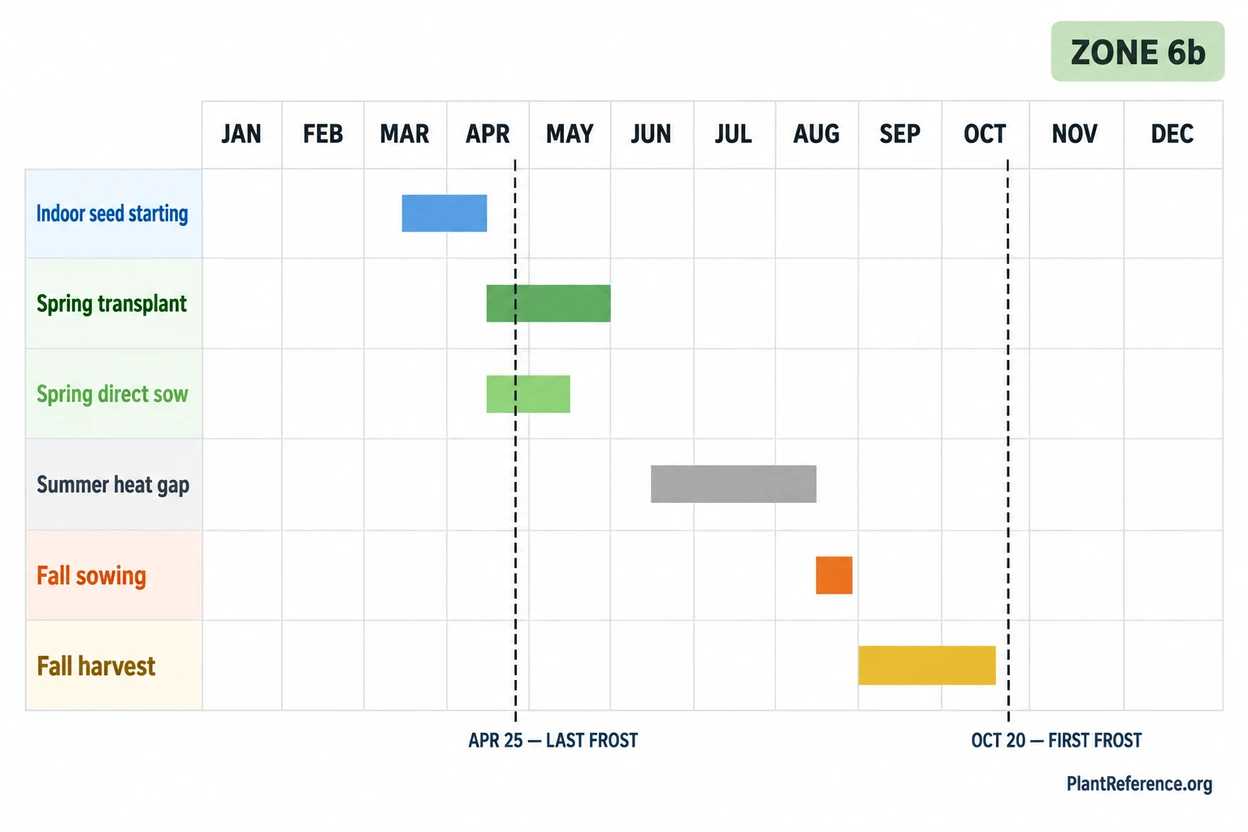
Pittsburgh's average last frost lands around April 25 and the first fall frost around October 20, giving roughly 178 frost-free days. But lettuce timing runs on temperature, not the frost-free count—hardened seedlings shrug off light frost down to about 28°F (-2°C), so you plant ahead of the last-frost date, not after it.
Indoor Seed Starting
Start seeds indoors in mid-March (March 10-17), about five to six weeks before transplanting. Lettuce germinates well at normal room temperature—40°F to 80°F (4-27°C), ideal around 75°F (24°C)—so skip the heat mat. Surface-sow and barely cover the seed, since lettuce needs light to sprout. Once up, give seedlings 12-14 hours of bright light and keep them cool so they stay compact instead of stretching leggy on a windowsill.
Transplanting Outdoors
Set hardened seedlings out mid-April (April 15-22), a week or two before the last frost. Harden them off over a week first by easing them into outdoor conditions. Because lettuce takes light frost in stride, this early move gives you weeks of prime cool growing before summer heat arrives—and containers can be nudged against a warm brick wall on the coldest nights. How to Build a Raised Garden Bed: Step-by-Step Construction Guide
Direct Sowing
Direct sow from mid-April through May once the soil or potting mix is workable, dropping a fresh short row or a new bucket every 10-14 days. Sow 1/4 inch (6 mm) deep, thinning leaf types to 6-8 inches (15-20 cm) and heading types to 10-12 inches (25-30 cm) apart. Your last dependable spring sowing is around mid-May (May 15); later than that risks bolting in June heat. When to Plant Carrots in Pittsburgh: Zone 6b Dates + Best Varieties
The Summer Gap and Fall Crop
From mid-June through mid-August, Pittsburgh regularly tops 85°F, and lettuce answers by bolting and turning bitter. Don't fight it—give the space to beans, cucumbers, or basil and take a lettuce break. When to Plant Green Beans in Pittsburgh: Complete Guide + Best Varieties for Zone 6b
Then comes the crop worth waiting for. Start fall seeds indoors in early August where it's cooler, or direct sow under light shade in mid-to-late August. Heads mature into falling temperatures, which shuts down bolting and sweetens the leaves—a light October frost actually improves flavor as the plant turns starches into sugars. Containers have an edge here: you can wheel them onto a sheltered porch when a hard freeze threatens. When to Plant Kale in Pittsburgh: Complete Guide + Best Varieties for Zone 6b
Key Date Summary
Indoor seed start (spring): March 10-17
Spring transplant: April 15-22 (tolerates light frost)
Spring direct sow: mid-April through mid-May, every 10-14 days
Summer pause: mid-June through mid-August
Fall sowing: early August (indoors) or mid-to-late August (direct)
Fall harvest: September through October
Complete Growing Guide for Pittsburgh
Site, Soil, and Containers
Lettuce wants full sun in spring and fall but welcomes afternoon shade as the season warms. On a Pittsburgh patio or in a yard, a spot with morning sun and some afternoon relief is ideal. In the ground, aim for soil rich in organic matter at pH 6.0-6.8; in containers, use a quality potting mix, never garden soil, which compacts and drains poorly in a pot. 6 Best Potting Soils for Container Tomatoes (Tested for Drainage and Nutrients)
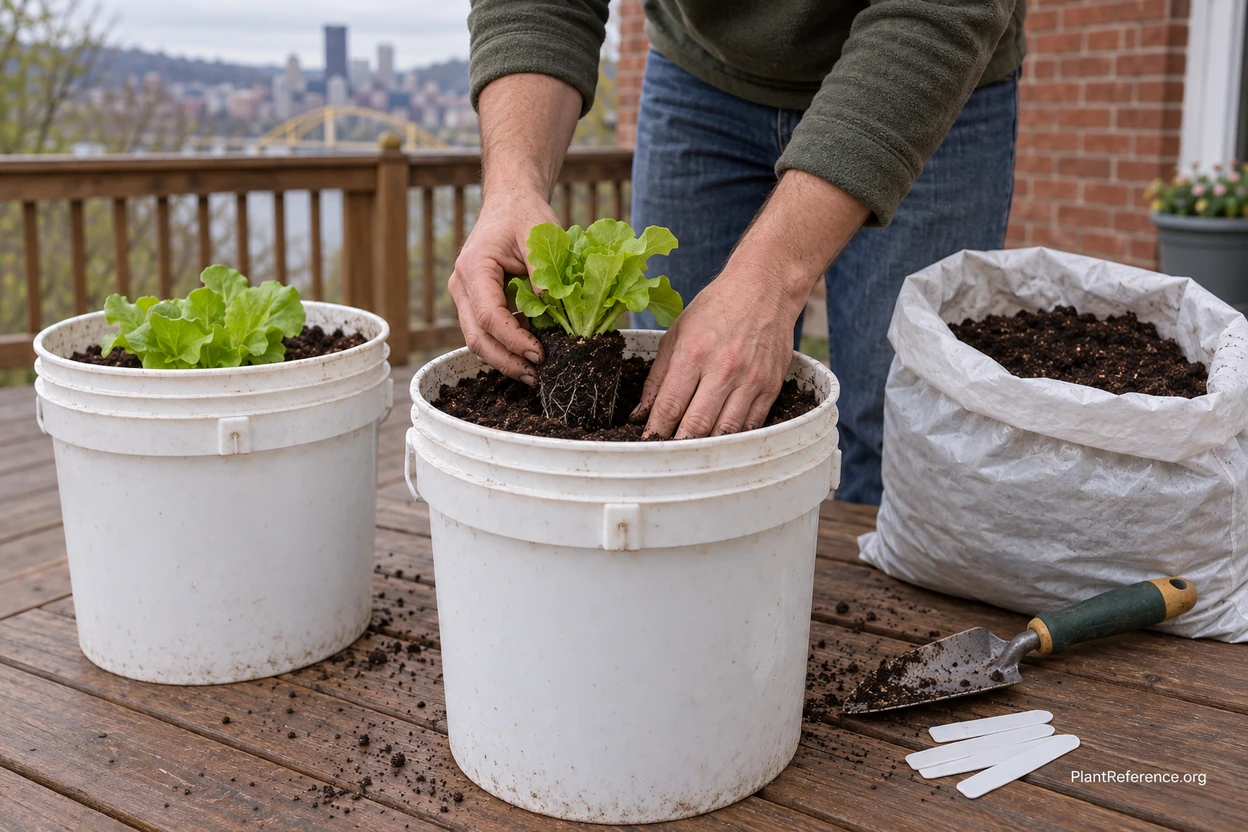
Lettuce has shallow, fibrous roots, which is exactly why it thrives in containers—it doesn't need depth, just steady moisture in the top few inches. A 5-gallon bucket holds two butterheads or a thick stand of cut-and-come-again leaf lettuce. Work 2-3 inches (5-8 cm) of compost into beds before planting, and add a handful to each container for slow nutrition. Container Tomato Soil: Creating the Perfect Growing Mix for Maximum Yields
Watering for Steady Growth
Consistent moisture is everything with lettuce, and containers dry out faster than beds, so check them daily once the weather warms. Beds want about 1 inch (2.5 cm) of water a week; buckets may need a drink every day in late spring. Water in the morning at the soil line so the leaves dry by evening—wet foliage overnight is an open invitation to downy mildew and slugs. Any stall in growth from dry soil shows up later as bitterness and tipburn. Raised Bed Vegetable Garden Layout: Planning for Maximum Production
Feeding
Lettuce is a leafy crop that likes nitrogen but doesn't need much. A compost-amended bed often needs nothing more, while containers benefit from a diluted liquid feed every two weeks since frequent watering flushes nutrients out. I make my own from kitchen scraps, but any balanced organic fertilizer works. Go easy—too much nitrogen pushes soft, fast growth that's actually more prone to tipburn.
Shade and Succession for a Long Harvest
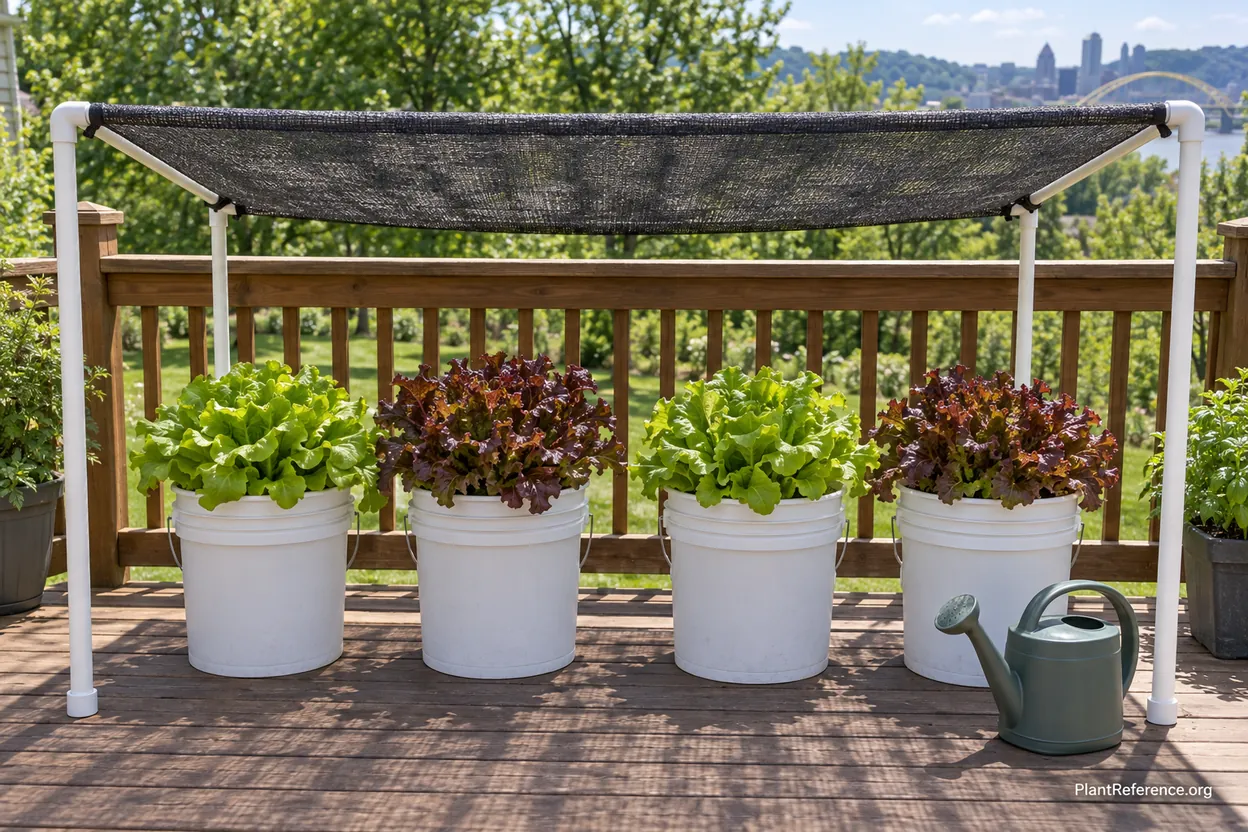
The secret to lettuce from April into June is small, frequent sowings plus a little shade. Sow a new short row or bucket every 10-14 days so heads finish in a steady trickle instead of all at once. As May warms, stretch 30-40% shade cloth over beds or move containers into afternoon shade to cool the canopy and buy 🌿Lactuca sativa 'Buttercrunch' and 🌿Lactuca sativa 'Parris Island Cos' an extra couple of weeks before they bolt. Best Raised Bed Vegetables for Beginners: Top 10 Easy-Growing Crops
Troubleshooting Pittsburgh-Specific Problems
Bolting in the Heat
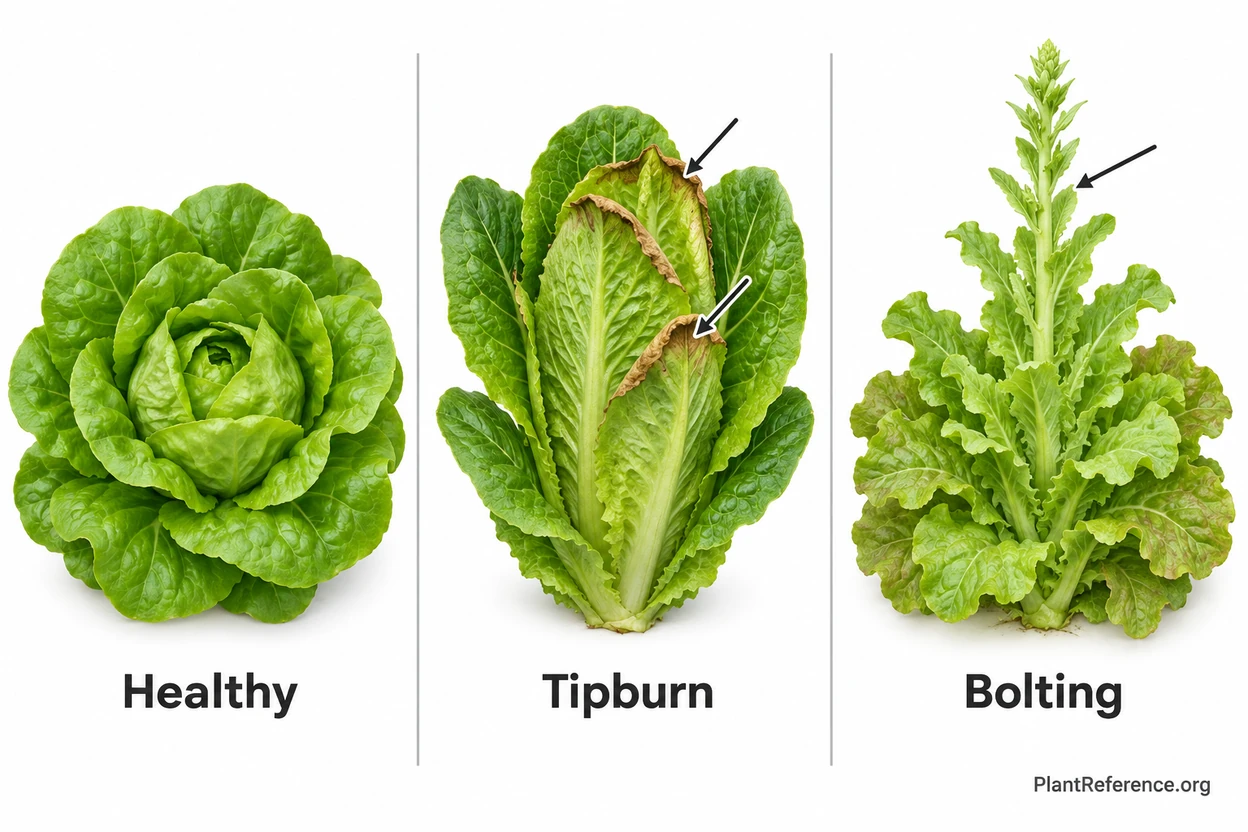
When Pittsburgh holds above 80°F, lettuce quits making leaves and shoots up a flower stalk, and the leaves turn bitter from sesquiterpene lactones. You can't stop summer, but you can stall bolting: grow bolt-resistant types like 🌿Lactuca sativa 'Buttercrunch', mulch or shade to cool the roots, and water steadily. The big advantage of container lettuce here is mobility—slide the pots into shade during a heat wave. Once a plant bolts, pull it; the bitterness won't reverse.
Tipburn
Tipburn appears as brown, dead margins on the inner leaves of heading types like Lactuca sativa 'Ithaca' and romaine. It's not a soil deficiency but a calcium-transport failure when growth outruns the plant's ability to move calcium to fast-expanding leaves. Steady moisture is the fix—especially in containers, where uneven watering is the usual culprit. Skip nitrogen surges, and don't bother with calcium sprays; they can't reach the enclosed heart.
Slugs
Pittsburgh's damp springs make slugs a real headache, and lettuce is their favorite. They feed at night and hide by day. Water in the morning so the surface dries by dusk, clear debris from around stems, and set iron phosphate baits, which are safe around pets. Containers up on a deck see far fewer slugs than ground beds—one quiet perk of growing in buckets. A copper ring around a pot rim stops them cold. Raised Bed Pest Problems: Identification and Organic Control Methods
Downy Mildew
Humid Pittsburgh air brings downy mildew, showing as pale yellow patches on upper leaves with grayish fuzz underneath. There's no cure once it sets in, so prevention is the whole job: space plants for airflow, water at the soil line in the morning, and favor resistant looseleaf types like 🌿Lactuca sativa 'Red Oak Leaf'. Pull and toss infected leaves right away. When to Plant Basil in Pittsburgh: Complete Guide + Best Varieties for Zone 6b
Harvest & Storage
The beauty of lettuce is you don't wait for a finished head to start eating. With looseleaf types like 🌿Lactuca sativa 'Red Oak Leaf' and 🌿Lactuca sativa 'Mesclun Mix', harvest cut-and-come-again: take the outer leaves at 4-6 inches (10-15 cm) and let the center keep producing. A single bucket can feed you salads for weeks this way.
For butterheads like 🌿Lactuca sativa 'Buttercrunch' and romaine like 🌿Lactuca sativa 'Parris Island Cos', cut the whole head at the base once it feels full and firm, ideally in the cool morning when the leaves are crisp and full of water. If a warm spell is coming and the heads are close, harvest early rather than risk a bolt. When to Plant Cucumbers in Pittsburgh: Complete Guide + Best Varieties for Zone 6b
Store unwashed lettuce loosely wrapped in a damp towel in the fridge crisper, where it keeps 7-10 days. Wash right before using. Keep it away from apples, bananas, and tomatoes—their ethylene gas browns lettuce leaves fast.
Frequently Asked Questions
Reading about plants and recognising them are different skills. These three build the second.
- Daily PlantIdentify the day’s mystery plant from a close-up photograph.
- Keyed OutWork a dichotomous key, lead by lead, to name a hidden specimen.
- Name That PlantName a specimen from botanical clues dealt hardest first.
Free to play, no account needed
Tagged with
Linda's been growing tomatoes in containers on her suburban Pittsburgh balcony—ever since her kids grew up and she finally had time for hobbies again. She's a medical billing specialist by day and a tomato enthusiast by night and weekend. Linda started documenting her container growing experiments on a simple blog and discovered other renters and condo dwellers were desperate for practical advice. She tests different varieties every season, tracking yields, disease resistance, and flavor in a detailed spreadsheet. Linda's approach is practical and budget-conscious—she saves seeds, reuses containers, and makes her own fertilizer from kitchen scraps. Her specialty is maximizing production in small spaces, and she's perfected the art of growing full-size tomatoes in 5-gallon buckets. She's a Pennsylvania Master Gardener and teaches container growing workshops at her local library.