Lactuca, Genus, sativa, Species, 'Mesclun Mix', Cultivar,
- Genus & species
- Cultivar
Mesclun Mix Lettuce
Mesclun is a French Provencal culinary tradition combining young greens for fresh salads; the parent species L. sativa has been cultivated for thousands of years across the Mediterranean and western Asian regions where wild Lactuca species are native.
SunFull Sun – Part Shade
WaterMedium to High
Overview
Lactuca sativa Mesclun Mix is a seed-mix annual in the daisy family (Asteraceae) producing a diverse collection of young tender salad greens harvested from a single planting. The mesclun (from the Provencal mesclar, to mix) tradition combines multiple lettuce cultivars with varying leaf shape, leaf color, and texture in one seed packet, sometimes augmented with non-lettuce greens like arugula (Eruca sativa), endive (Cichorium endivia), and mache (Valerianella locusta), so the harvested mix at maturity carries 4-8 different leaf forms in a single salad. The plants form loose rosettes 4-8 inches (10-20 cm) tall and 6-10 inches (15-25 cm) wide, harvested at 2-4 inches (5-10 cm) leaf length using cut-and-come-again harvest of the outer leaves, leaving the central growing point intact for continued production over 4-6 weeks per planting. Leaves range across green, red, bronze, and purple tones depending on the cultivars in the mix, with smooth, ruffled, and deeply lobed leaf shapes appearing together within the same row. Cool-season physiology determines the harvest window: production peaks at 50-65°F (10-18°C) during spring and fall, declines as temperatures climb above 75°F (24°C) in summer, and resumes when fall temperatures return to the cool range. The summer heat-stress response is bolting (rapid stem elongation followed by composite-flower production), and once bolting begins the leaves turn bitter from sesquiterpene lactone accumulation that ends the leaf-harvest window for that planting. Succession-sowing every 2-3 weeks across the cool-season windows produces continuous harvest. In Pacific Northwest lowland gardens, the cool maritime climate west of the Cascades extends the leaf-harvest window further than inland or southern climates, with overwintering cold-frame production possible on sheltered sites. Non-toxic.
Native Range
Lactuca sativa is descended from wild Lactuca serriola (prickly lettuce), native to the Mediterranean and western Asian regions where the genus has been cultivated for thousands of years, with archaeological evidence of cultivated lettuce in Egyptian tomb paintings from approximately 2,500 BCE. The mesclun-mix tradition itself is a French Provencal culinary practice rather than a botanical entity, combining various young greens (mesclar in Provencal means to mix or stir) for fresh salads, with the modern packaged seed mixes following the regional tradition of harvesting young lettuce, arugula, endive, mache, and chervil together at baby-leaf stage.Suggested Uses
Grown in kitchen gardens, raised beds, containers (1 gallon / 4 liters or larger), and window boxes for fresh salad harvest. Succession-sowing every 2-3 weeks across the cool-season windows extends production through the spring and fall harvest periods. The compact 4-8 inch (10-20 cm) size and 21-45 day harvest window suit the species to small-space gardening, urban containers, and cold frame production through winter on sheltered sites. The mixed coloration and varied leaf shapes from a single seed packet produce salad mixes that match the visual quality of farmer-market mesclun blends with one planting decision and one row of garden space.How to Identify
Appearance
Size & Dimensions
Height3" - 8"
Width/Spread6" - 10"
Bloom Information
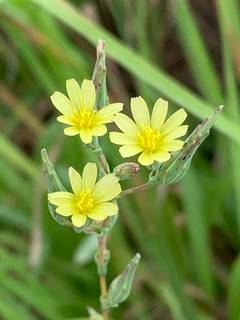
Bloom is undesirable in a leaf-harvest crop because bolting marks the end of the leaf-harvest window and the leaves turn bitter from sesquiterpene lactone accumulation. Plants bolt (produce tall stems with yellow composite flower heads) in sustained heat above 75°F (24°C) and on long summer days, with the hot-weather bolting trigger as the structural feature that limits each planting to a 4-6 week harvest window in the cool-season schedule. Bolted plants are pulled and replaced with a fresh sowing.
Detailed Descriptions
Flower Description
Yellow; small composite heads on tall bolted stems if plants are not harvested before bolting; flowering is a sign that the leaf-harvest window has closed and the leaves have turned bitterFoliage Description
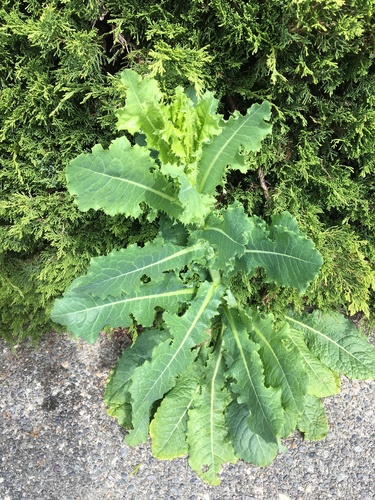
Mixed green, red, bronze, and purple tones across the seed-mix component cultivars; smooth, ruffled, and deeply lobed leaf shapes appear together within a single planting depending on the specific cultivars in the seed mixGrowing Conditions
Sun Requirements
Requires 4-8 hours of direct sunlight daily
• Full Sun: 6+ hours of direct sunlight
• Partial Shade: 3-6 hours of direct sunlight
• Full Shade: Less than 3 hours of direct sunlight
Water & Climate
Water Needs
Frost Tolerance
Care & Maintenance
Care Guide
Plants require consistent moisture and cool growing conditions for full leaf production. Watering is regular through the harvest window because lettuce has a shallow root system and dries out quickly, and drought stress accelerates bolting. Soil should be evenly moist but not waterlogged, and a balanced water-soluble fertilizer applied every 2-3 weeks or compost incorporated before planting carries the nutrient demand. Afternoon shade in hot climates extends the leaf-harvest window and reduces bolting pressure, particularly on inland summer-hot sites. Succession-sowing every 2-3 weeks across the spring-through-fall cool-season windows maintains continuous harvest. In Pacific Northwest lowland gardens, the cool maritime climate supports leaf-harvest from March through June in the spring window and from September through November in the fall window, with cold-frame and floating row cover extending the season into the winter months on sheltered sites. Pest pressures include slugs (heaviest in damp Pacific Northwest conditions) and aphids on tender new leaves.Pruning
Cut-and-come-again harvest of the outer leaves is the standard harvest approach: cut leaves at 2-4 inch (5-10 cm) length with clean scissors or garden shears about 1 inch (2.5 cm) above the soil line, leaving the central growing point intact for continued production. Regular harvest every 7-10 days encourages continued leaf production from the rosette center. Whole-rosette harvest cuts the entire plant at the base for a single uniform salad blend, which ends production for that planting. Plants are pulled and replaced when bolting begins to free the row for a fresh succession sowing.Container Growing
Suitable for container growing
Minimum container size: 1 gallons
Toxicity
Non-toxicPlanting Guide
Planting Methods & Timing
Planting Method
both
Indoor Start
4 weeks before last frost
Direct Sow Timing
Direct-sow early spring through late summer for cool-season harvest. In Pacific Northwest lowland gardens, sow March through May and again August through September. Succession-sow every 2-3 weeks across the cool-season window for continuous baby-leaf harvest. Surface-sow because lettuce seed needs light to germinate.
Days to Maturity
21–45 days
Plant Spacing
4 inches