When to Plant Cucumbers in Pittsburgh: Complete Guide + Best Varieties for Zone 6b
Pets & Toxicity
Recorded toxicity for plants linked in this guide. An unknown status is not a safety assessment.
No linked plant is recorded as toxic (5 linked plants checked)DetailsHide
Cucumis sativus 'Marketmore 76' — Toxicity
Non-toxicView Cucumis sativus 'Marketmore 76' plant profileCucumis sativus 'Boston Pickling' — Toxicity
Non-toxicView Cucumis sativus 'Boston Pickling' plant profileCucumis sativus 'Straight Eight' — Toxicity
Non-toxicView Cucumis sativus 'Straight Eight' plant profile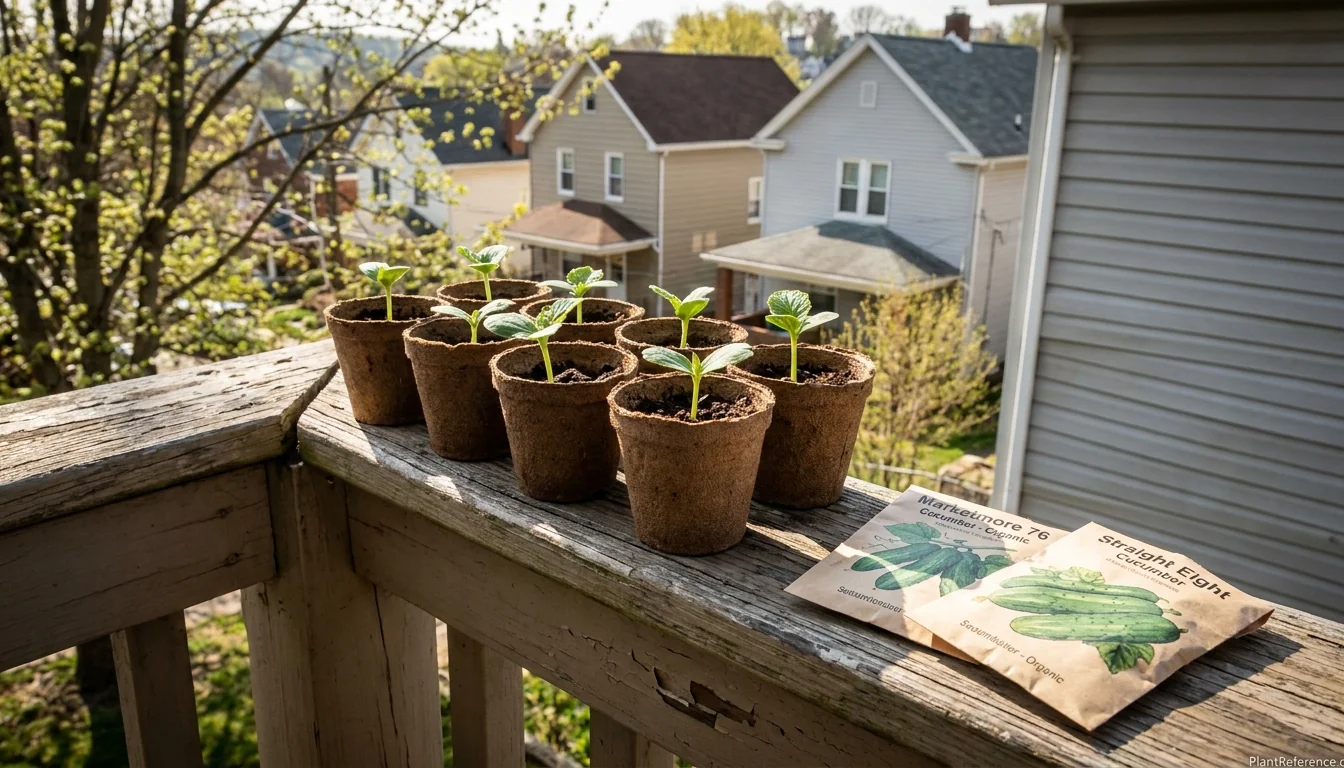
— Image © PlantReference.org 2026
I grow most of my vegetables in containers on my balcony here in suburban Pittsburgh, and cucumbers are one of the most rewarding warm-season crops for our Zone 6b climate—if you time them right. Our growing season is shorter than gardeners in Philadelphia or the mid-Atlantic realize. We lose two weeks on the front end with a later last frost and gain nothing on the back end with an earlier fall. That means transplants aren't optional here—they're essential for getting a full harvest before October frost shuts everything down. I've tracked my yields in a spreadsheet for eight seasons now, and the data is clear: transplanted cucumbers outproduce direct-sown by three to four weeks of harvest time. When to Plant Tomatoes in Pittsburgh: Complete Zone 6b Guide
Best Cucumber Varieties for Pittsburgh's Climate
Pittsburgh sits in USDA Zone 6b with a last frost around April 25 and first frost near October 20, giving you 178 growing days. That's enough for most cucumber varieties, but shorter-season types give you more margin for late springs and early falls—both common in western Pennsylvania. Disease resistance matters here too. Our river valley humidity drives Downy Mildew (Pseudoperonospora cubensis) and Powdery Mildew through July and August, and varieties without resistance genes fade fast once disease arrives.
Variety | Type | Days to Harvest | Disease Resistance | Best For |
|---|---|---|---|---|
Slicing | 65 days | High (Scab, CMV, moderate DM/PM) | Best overall for Pittsburgh humidity | |
Pickling | 55 days | Low-Moderate | Quick harvests, succession planting | |
🌿Cucumis sativus 'Persian' (Beit Alpha) | Specialty | 55 days | Moderate (PM) | Containers, balconies, small spaces |
Slicing | 63 days | Low (CMV tolerance only) | Early season before disease pressure | |
Specialty | 65 days | Moderate (Rust resistant) | Novelty, kids' gardens, drought tolerance | |
🌿Cucumis sativus 'Marketmore 76' (succession) | Slicing | 65 days | High | Mid-summer replanting |
🌿Cucumis sativus 'Marketmore 76' is my number one recommendation for Pittsburgh. It was developed at Cornell for exactly the kind of humid, disease-prone conditions we deal with in the Ohio River valley. The resistance package—Scab, Cucumber Mosaic Virus, plus intermediate Downy and Powdery Mildew resistance—means this variety keeps producing through August when susceptible types have already died back. Its "stay-green" gene prevents the yellowing that plagues other slicers during our July heat waves.
🌿Cucumis sativus 'Boston Pickling' at 55 days is the fast-maturing variety every Pittsburgh gardener should plant. It's my insurance policy against our shorter season—even a late May sowing matures well before October 20 frost. The cooler nights of September Pittsburgh actually improve this variety's flavor and crispness for pickling. I always have at least one succession of 🌿Cucumis sativus 'Boston Pickling' going alongside my slicers.
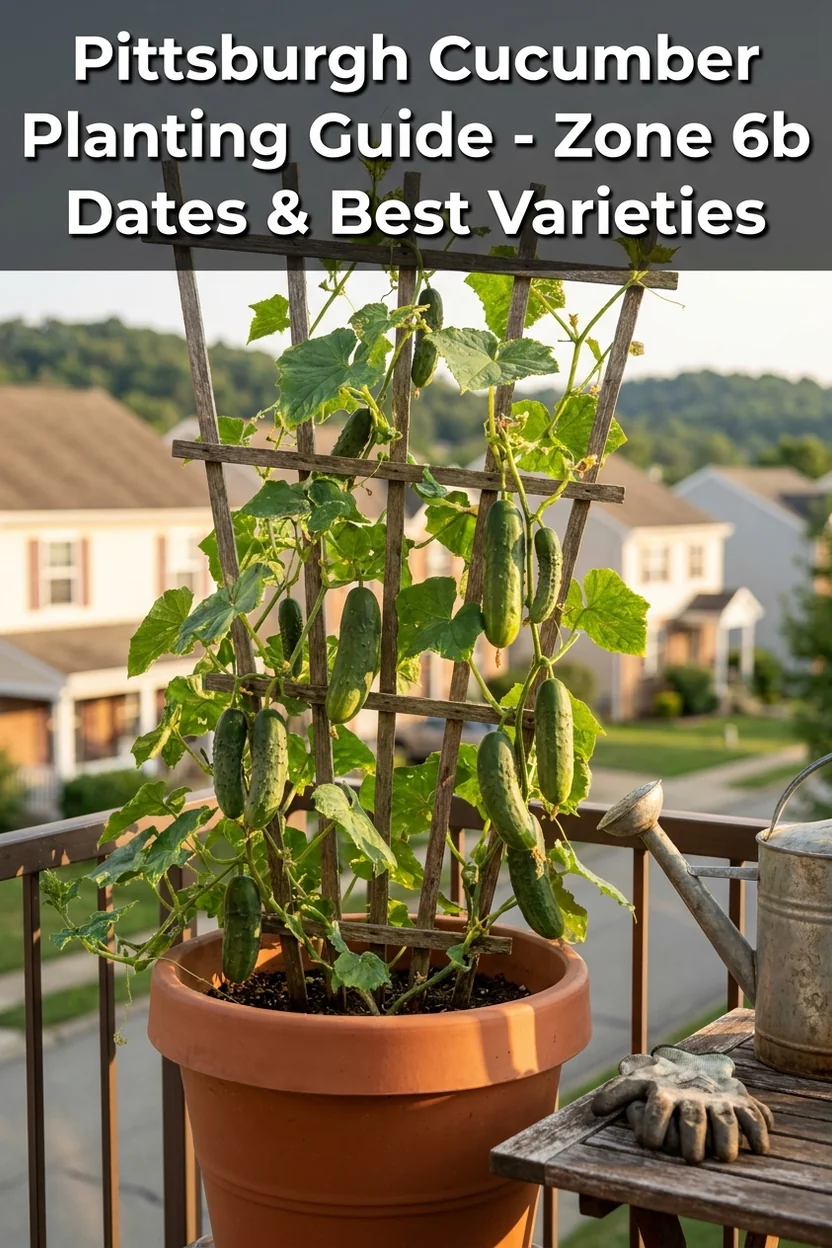
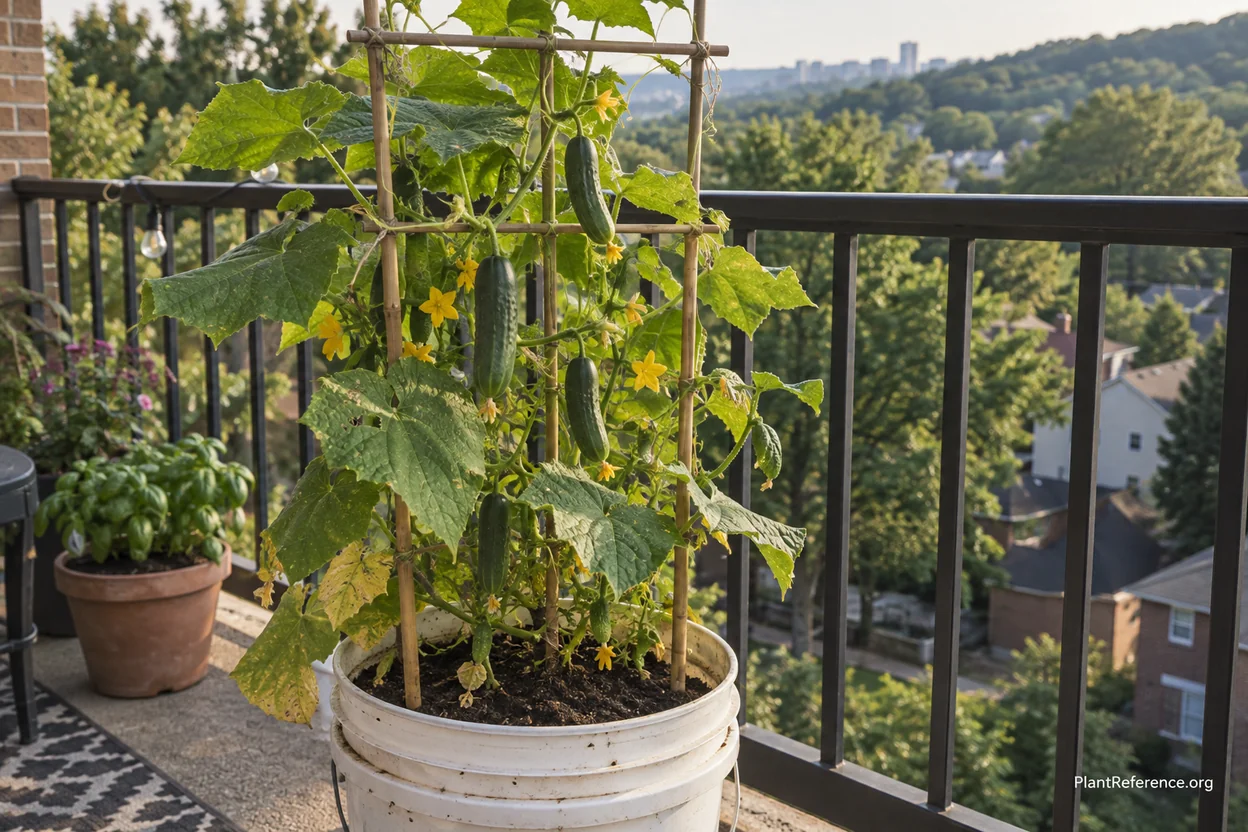
🌿Cucumis sativus 'Persian' types are what I grow on my balcony. These compact Beit Alpha strains produce heavily in 5-gallon (19 L) containers with a small trellis, and they don't need peeling. The parthenocarpic trait means fruit sets without pollinators—a real advantage when you're growing three stories up where bees don't always visit.
🌿Cucumis sativus 'Straight Eight' is fine for early-season planting in Pittsburgh but don't rely on it as your main crop. It typically succumbs to Downy Mildew by mid-August here, and it's prone to bitterness during our July heat waves when temperatures spike above 90°F (32°C). Use it for the first harvest and have 🌿Cucumis sativus 'Marketmore 76' ready to take over. When to Plant Peppers in Pittsburgh: Complete Guide + Best Varieties for Zone 6b
Specific Planting Dates for Pittsburgh Gardens
Pittsburgh's April 25 average last frost and October 20 first frost create a 178-day window. That sounds generous, but western Pennsylvania's spring is unpredictable—I've seen frost as late as May 10 and snow in April more times than I'd like. Transplants give you the safety margin this climate demands.
Indoor Seed Starting: April 1-8 (3-4 weeks before last frost). Use biodegradable pots—cucumber roots hate being disturbed at transplant. I start mine on a heat mat set to 75°F (24°C) in a south-facing window. Germination takes 3-7 days at this temperature. Without a heat mat, germination can stretch to 10-14 days in a cool Pittsburgh spring house.
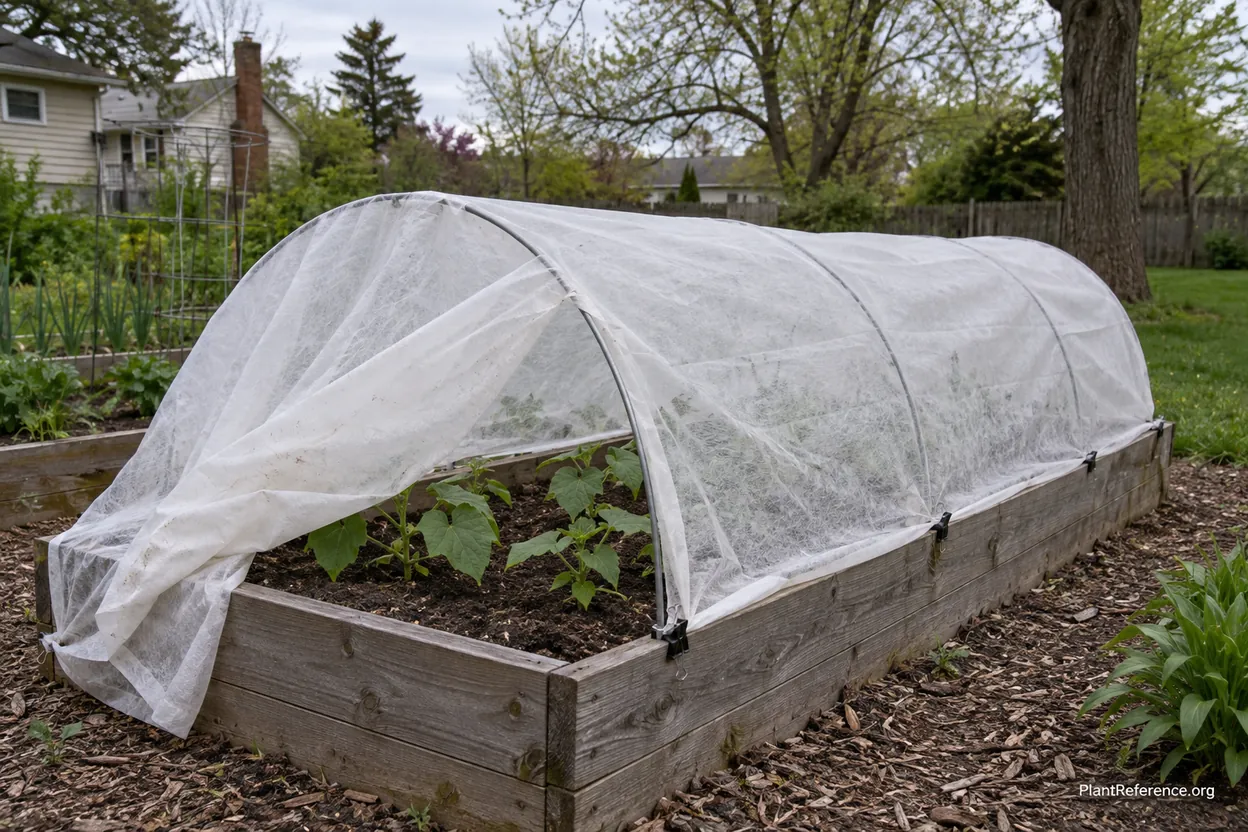
Transplant Outdoors: May 2-10 (one week after last frost, soil at 60°F/16°C). Harden off seedlings for 5-7 days before planting out. Pittsburgh's May weather can still deliver 40°F (4°C) nights—don't rush transplants outside until overnight lows are consistently above 50°F (10°C). I keep floating row covers ready through mid-May just in case.
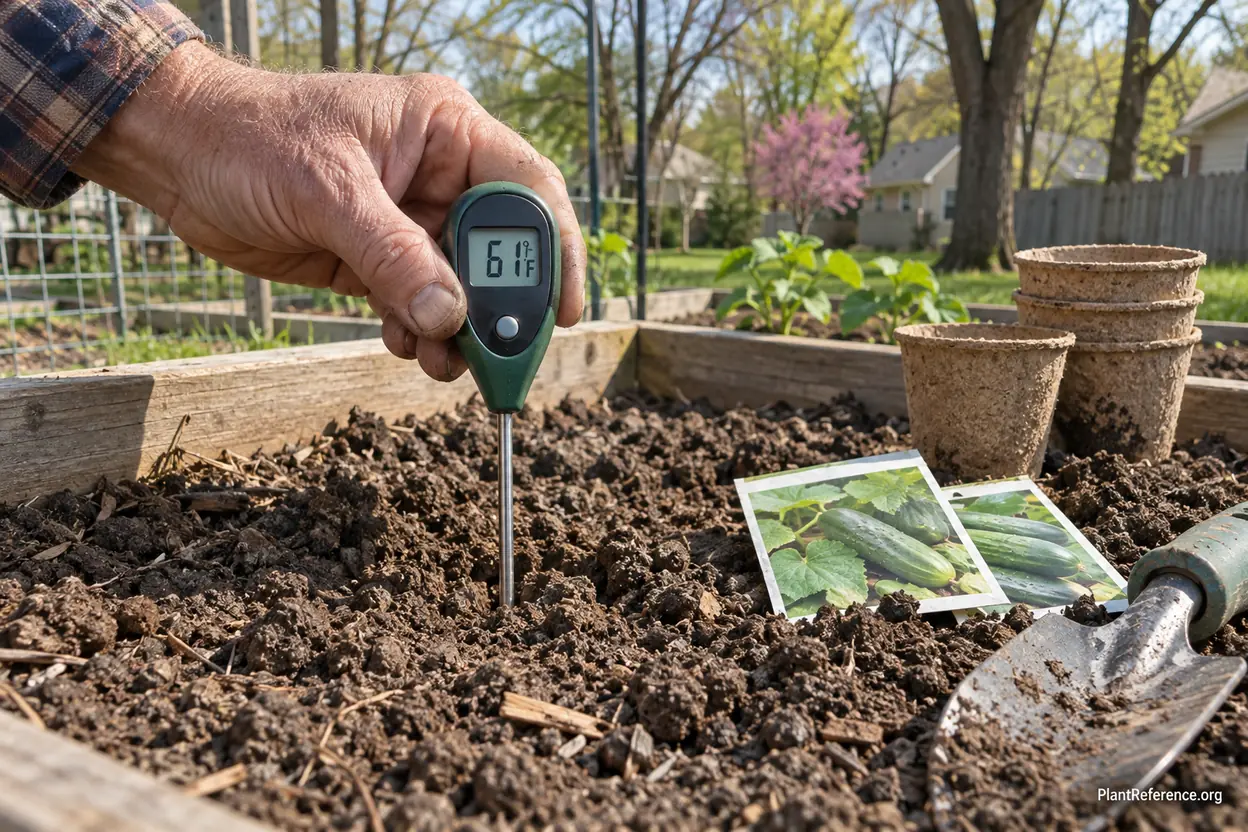
Direct Sow (first planting): May 5-15. Wait for soil thermometer to read 60°F (16°C) at 4 inches (10 cm) deep. Pittsburgh's clay soils stay cold and wet longer than you'd expect in spring. South-facing raised beds warm a full 2-3 weeks ahead of in-ground clay plots.
Succession Plantings: Every 3 weeks from first sowing through late June. Pittsburgh's season supports 2-3 succession plantings—fewer than Philadelphia's 4-5, so make each one count.
Final Sowing Deadline: June 25. With only 178 growing days, late plantings need to be quick-maturing varieties. 🌿Cucumis sativus 'Boston Pickling' (55 days) and 🌿Cucumis sativus 'Persian' (55 days) from a June 25 sowing mature around August 19—well before frost but with declining day length and cooling nights that slow vine growth. Direct sowing after July 1 is a gamble in Zone 6b. Raised Bed Vegetable Garden Layout: Planning for Maximum Production
Complete Growing Guide for Pittsburgh
Site Selection and Soil
Full sun—minimum 8 hours—is non-negotiable for cucumbers. Pittsburgh's hilly terrain creates shade pockets that gardeners in flatter cities don't deal with. Map your sun exposure before planting. South-facing slopes and walls are prime real estate for heat-loving crops. Pittsburgh's native soils are predominantly clay-based, heavy, and slow to drain. Raised beds filled with a mix of 60% topsoil, 30% compost, and 10% perlite are the most reliable growing method in our region. For in-ground plots, work 3-4 inches (8-10 cm) of compost into the top 12 inches (30 cm) and target pH 6.0-6.8. Penn State Extension's soil testing service costs under $15 and tells you exactly what your soil needs. How to Build a Raised Garden Bed: Step-by-Step Construction Guide
Mulch 2-3 inches (5-8 cm) after transplanting. Black plastic mulch on early-season plantings warms soil faster—critical for our cold spring clay. Switch to straw or shredded leaf mulch for summer when heat retention becomes a liability rather than an asset.
Trellising
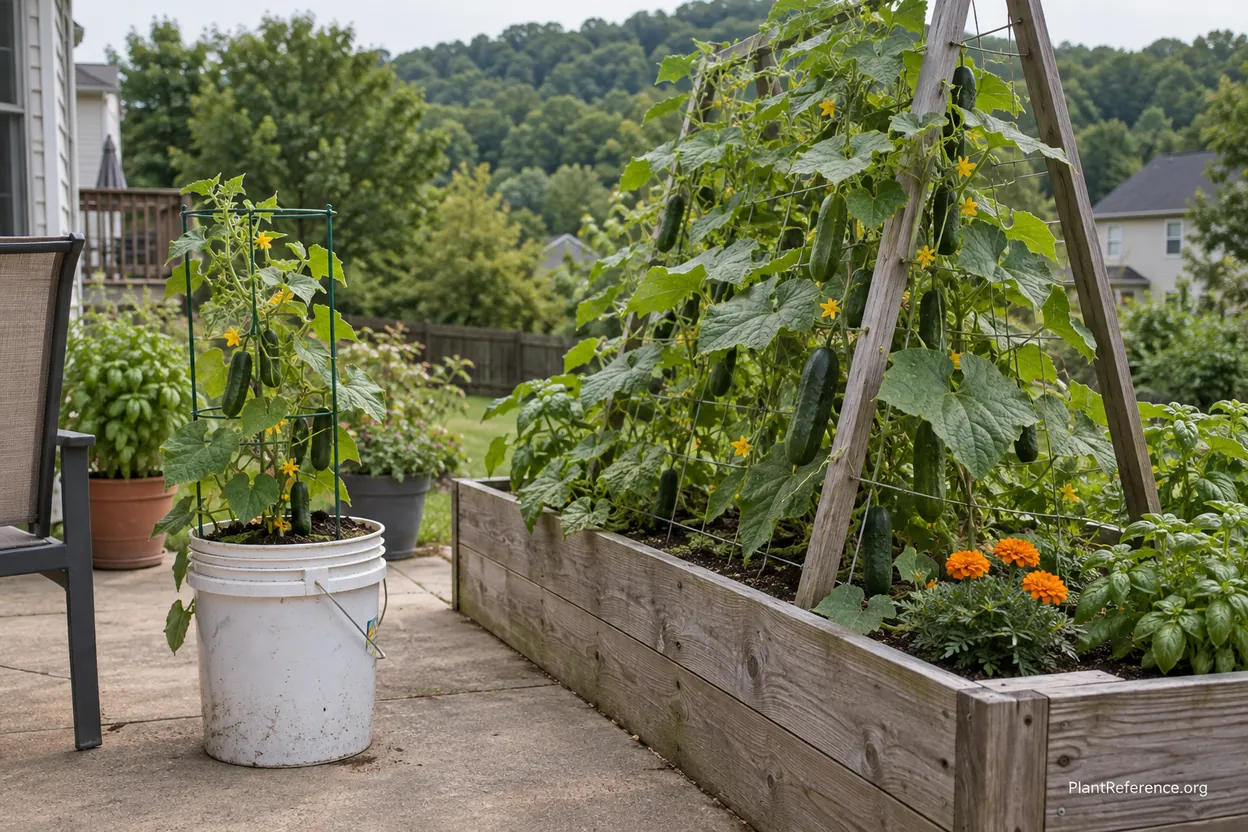
Grow cucumbers vertically in Pittsburgh. Our river valley humidity is intense in July and August, and air circulation around foliage is the single most effective cultural practice for reducing disease pressure. A 6-foot (1.8 m) A-frame trellis, cattle panel arch, or simple string trellis works for vining varieties. For container growing, a tomato cage or small bamboo teepee supports compact varieties like 🌿Cucumis sativus 'Persian' perfectly. 5 Best Drip Irrigation Kits for Raised Beds (Tested for Easy Installation)
Watering and Feeding
Cucumbers need 1 to 1.5 inches (2.5-4 cm) of water weekly, delivered consistently at the base. Drip irrigation is ideal—it keeps foliage dry, which matters enormously for disease management in our humid summers. Pittsburgh gets plenty of summer rain, but it's inconsistent—feast or famine patterns that stress cucumbers. A soaker hose on a timer takes the guesswork out.
Feed when vines start flowering and again at first fruit set. I use compost tea made from kitchen scraps—free, effective, and it feeds the soil biology along with the plants. Balanced granular fertilizer works too. Avoid heavy nitrogen once flowering starts; you want fruit, not more vine.
Container Growing
Pittsburgh has a lot of renters and condo gardeners—I'm one of them. Cucumbers grow surprisingly well in containers if you choose the right varieties and containers. Minimum 5-gallon (19 L) pots with drainage holes for 🌿Cucumis sativus 'Persian' types. Use quality potting mix, not garden soil, which compacts in containers and suffocates roots. Add a small trellis or cage for support. Water daily in summer—containers dry out fast on sunny balconies. A self-watering container or wicking system helps if you can't water every day. One 🌿Cucumis sativus 'Persian' plant in a 5-gallon bucket produces 15-20 snack cucumbers in a season. That's a solid return for a $3 pot and $4 bag of potting mix.
Pollination
Standard varieties like 🌿Cucumis sativus 'Marketmore 76' and 🌿Cucumis sativus 'Straight Eight' need pollinator visits for fruit set. Male flowers appear first—don't worry when you see blooms but no fruit for the first week. Female flowers have a tiny cucumber swelling at the base. If bees aren't visiting—common on upper-floor balconies and in dense neighborhoods—hand-pollinate with a small brush in the morning. 🌿Cucumis sativus 'Persian' types set fruit without pollination, which is why I recommend them for container and balcony gardens.
Troubleshooting Pittsburgh-Specific Problems
Downy Mildew
Pittsburgh's position in the Ohio River valley means high summer humidity and significant Downy Mildew pressure from late July through September. Angular yellow spots on upper leaf surfaces are the telltale sign. Prevention: 🌿Cucumis sativus 'Marketmore 76' for resistance, vertical trellising for air circulation, drip irrigation to keep foliage dry, and prompt removal of infected leaves. Organic copper sprays slow spread but won't cure established infections. Succession planting provides fresh, healthy vines when disease takes down earlier plantings. Raised Bed Pest Problems: Identification and Organic Control Methods
Cucumber Beetles
Striped and spotted cucumber beetles appear in late May in Pittsburgh, vectoring bacterial wilt and feeding on foliage and fruit. Row covers over transplants are the most effective early defense—remove at flowering for pollinator access. In my container garden, I simply hand-pick beetles in the morning when they're sluggish. For larger gardens, trap cropping with Blue Hubbard squash concentrates beetles for targeted removal.
Late Spring Cold Snaps
Western Pennsylvania delivers late cold snaps more reliably than warm springs. I've lost transplants to unexpected May frost more than once. Keep floating row covers or even old bedsheets ready through May 15. Cold-stunted cucumbers recover slowly—you're better off waiting a few extra days to transplant than gambling on an early warm spell that reverses into frost.
Powdery Mildew
White patches on older leaves typically appear in August. Less destructive than Downy Mildew but it weakens vines during the critical late-season harvest window. Space plants 18 inches (46 cm) apart for airflow. Neem oil every 7-10 days starting in July helps prevent establishment. For container plants, ensure pots aren't crowded together—I space mine at least 2 feet (60 cm) apart on the balcony railing for air movement. Raised Bed Too Hot in Summer: Protecting Plants from Heat Stress
Harvest & Storage
Begin harvesting slicing cucumbers at 6-8 inches (15-20 cm) and pickling types at 2-4 inches (5-10 cm). Check vines daily during peak production—Pittsburgh's warm, humid July and August drive rapid fruit growth and a perfect cucumber becomes overgrown in 48 hours. Leaving overripe fruit on the vine tells the plant to stop producing, so harvest everything. I keep a small bucket on my balcony for daily picking.
Cut fruit from the vine with clean pruners rather than pulling. Harvest in the morning when fruit is firmest and coolest. A single healthy 🌿Cucumis sativus 'Marketmore 76' vine produces 10-15 slicing cucumbers over the season with consistent picking.
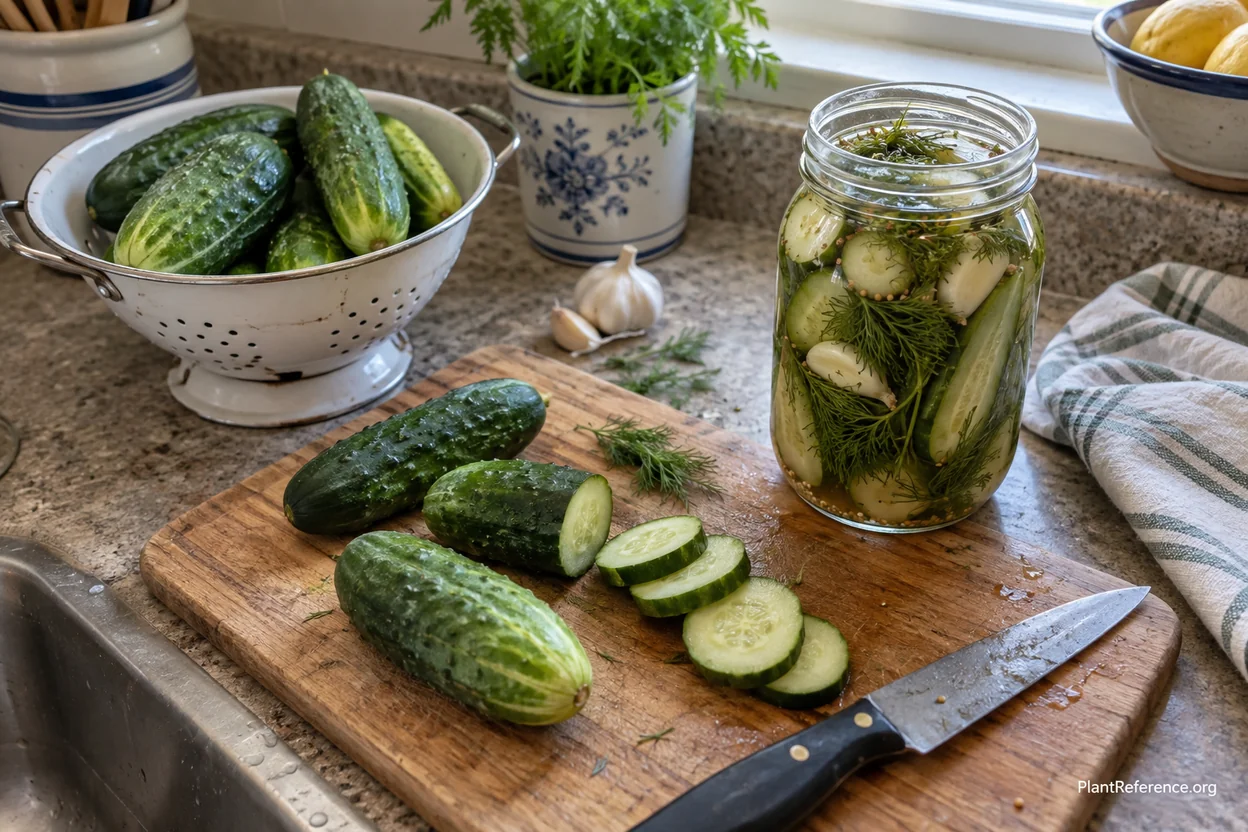
Fresh cucumbers store 7-10 days refrigerated, wrapped in a towel inside a loose bag. 🌿Cucumis sativus 'Boston Pickling' should be processed within 24 hours for the crispest pickles. Refrigerator pickles require zero canning equipment—just vinegar, salt, garlic, and dill in a jar. Pittsburgh's fall pickling crop from June sowings matures into cooler September nights that produce the crunchiest cucumbers of the whole season. The Complete Guide to Raised Bed Gardening for Beginners (2025)
Frequently Asked Questions
Reading about plants and recognising them are different skills. These three build the second.
- Daily PlantIdentify the day’s mystery plant from a close-up photograph.
- Keyed OutWork a dichotomous key, lead by lead, to name a hidden specimen.
- Name That PlantName a specimen from botanical clues dealt hardest first.
Free to play, no account needed
Tagged with
Linda's been growing tomatoes in containers on her suburban Pittsburgh balcony—ever since her kids grew up and she finally had time for hobbies again. She's a medical billing specialist by day and a tomato enthusiast by night and weekend. Linda started documenting her container growing experiments on a simple blog and discovered other renters and condo dwellers were desperate for practical advice. She tests different varieties every season, tracking yields, disease resistance, and flavor in a detailed spreadsheet. Linda's approach is practical and budget-conscious—she saves seeds, reuses containers, and makes her own fertilizer from kitchen scraps. Her specialty is maximizing production in small spaces, and she's perfected the art of growing full-size tomatoes in 5-gallon buckets. She's a Pennsylvania Master Gardener and teaches container growing workshops at her local library.