When to Plant Cucumbers in Milwaukee: Complete Guide + Best Varieties for Zone 5b
Pets & Toxicity
Recorded toxicity for plants linked in this guide. An unknown status is not a safety assessment.
No linked plant is recorded as toxic (5 linked plants checked)DetailsHide
Cucumis sativus 'Boston Pickling' — Toxicity
Non-toxicView Cucumis sativus 'Boston Pickling' plant profileCucumis sativus 'Marketmore 76' — Toxicity
Non-toxicView Cucumis sativus 'Marketmore 76' plant profileCucumis sativus 'Straight Eight' — Toxicity
Non-toxicView Cucumis sativus 'Straight Eight' plant profile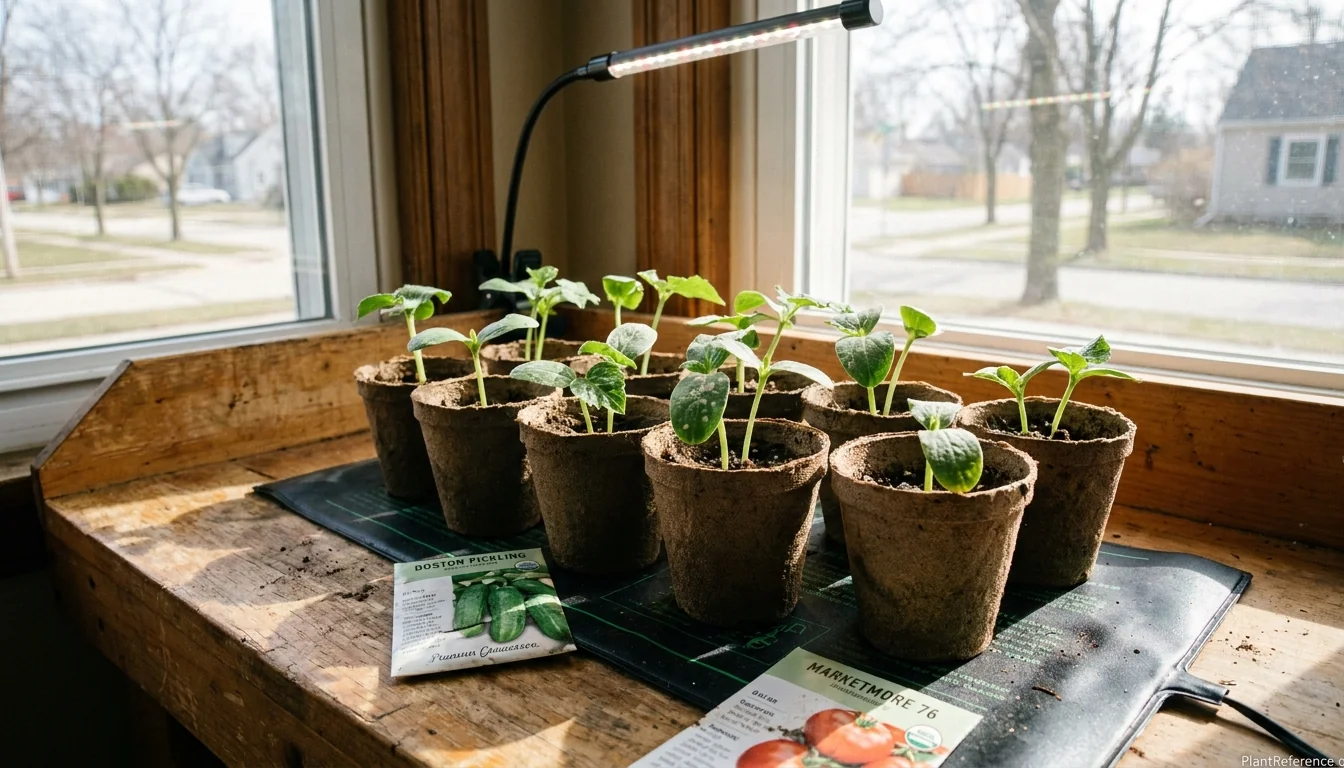
— Image © PlantReference.org 2026
Growing cucumbers in Milwaukee takes patience and planning. I've gardened in this city for over thirty years, and I've learned the hard way that our 139-day growing season doesn't forgive late starts or poor variety choices. Cucumbers are heat-loving tropical plants trying to survive in a climate that doesn't fully warm up until June and starts cooling down by mid-September. But here's the thing—once our summer hits, it hits hard. July and August in Milwaukee are hot and humid enough to push cucumbers into peak production. The trick is getting them established early enough to take advantage of that window. Transplants aren't optional here. They're the difference between a solid harvest and watching your vines get killed by frost just as they're finally producing. When to Plant Tomatoes in Milwaukee: Complete Guide + Best Varieties for Zone 5b
Best Cucumber Varieties for Milwaukee's Climate
Milwaukee sits in USDA Zone 5b with a last frost around May 15 and first frost near October 1. That 139-day window means variety selection matters more here than in warmer zones. Every day to maturity counts. Fast-maturing varieties give you insurance against our unpredictable spring and early fall, while disease resistance keeps vines producing through our humid Great Lakes summers instead of dying back in August when you need them most.
Variety | Type | Days to Harvest | Disease Resistance | Best For |
|---|---|---|---|---|
Pickling | 55 days | Low-Moderate | Fastest harvest, pickling, succession | |
Slicing | 65 days | High (Scab, CMV, moderate DM/PM) | Best disease resistance for humid summers | |
🌿Cucumis sativus 'Persian' (Beit Alpha) | Specialty | 55 days | Moderate (PM) | Containers, quick harvest, compact spaces |
Slicing | 63 days | Low (CMV tolerance only) | Traditional slicer, early season | |
Specialty | 65 days | Moderate (Rust resistant) | Novelty, kids' gardens | |
🌿Cucumis sativus 'Marketmore 76' (succession) | Slicing | 65 days | High | Second planting to extend season |
I list 🌿Cucumis sativus 'Boston Pickling' first for Milwaukee because speed matters here. At 55 days to harvest, transplants set out May 22 produce fruit by mid-July—giving you the longest possible harvest window before October 1 frost. It's a heavy producer of crisp, flavorful pickling cucumbers, and those cooler September nights actually improve its texture and flavor. I grow a row of these every year specifically for refrigerator pickles.
🌿Cucumis sativus 'Marketmore 76' is the best slicing variety for Milwaukee despite its longer 65-day maturity. The disease resistance package is worth the extra days—Scab, Cucumber Mosaic Virus, and intermediate Downy and Powdery Mildew resistance keep vines healthy through our humid July and August. Without resistance, a slicer variety will die back to Downy Mildew just when production should be peaking. The "stay-green" gene prevents yellowing during heat stress, producing dark green 8-inch (20 cm) fruit reliably.
🌿Cucumis sativus 'Persian' types mature in 55 days on compact vines—ideal for Milwaukee gardeners with limited space. These Beit Alpha strains produce thin-skinned snacking cucumbers that don't need peeling. The parthenocarpic trait means fruit sets without pollinator visits, which solves the pollination problem during cool, rainy June stretches when bees stay home.
🌿Cucumis sativus 'Straight Eight' is a fine early-season slicer, but I always warn Milwaukee gardeners not to depend on it as their only variety. It succumbs to Downy Mildew in our humid late summers and produces bitter fruit under heat stress. Plant it for early eating and have 🌿Cucumis sativus 'Marketmore 76' producing behind it. When to Plant Squash in Milwaukee: Complete Guide + Best Varieties for Zone 5b
Specific Planting Dates for Milwaukee Gardens
Milwaukee's May 15 average last frost is late by most standards, and our October 1 first frost comes early. That 139-day window is the reality we work with. I've gardened long enough to know that rushing the season almost always backfires—a cold snap in late May can kill unprotected transplants and set you back further than if you'd just waited.
Indoor Seed Starting: April 17-24 (3-4 weeks before last frost). Start in biodegradable pots on a seedling heat mat set to 75°F (24°C). Milwaukee houses in April are cool, and cucumber seeds need 70-80°F (21-27°C) soil to germinate in the 3-7 day window. Without bottom heat, germination stretches to two weeks or more—time you can't afford to lose.
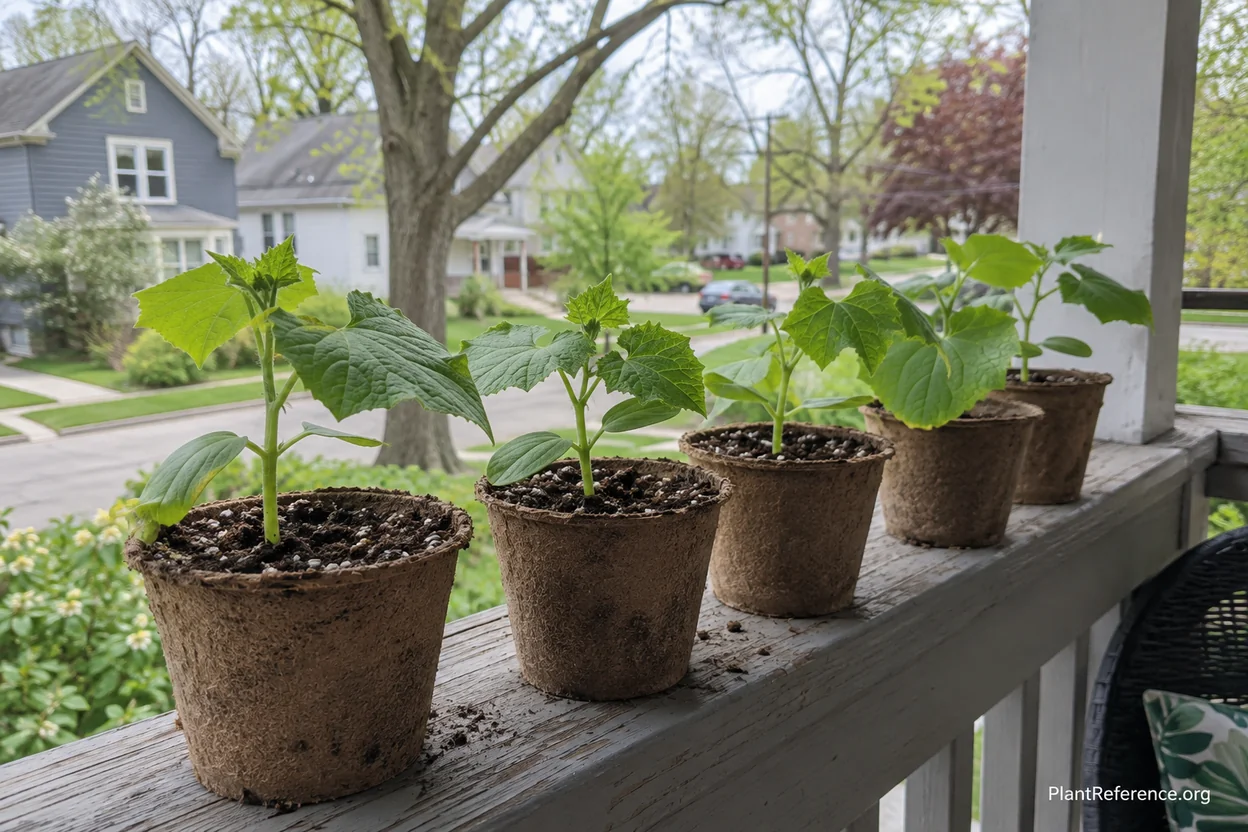
Transplant Outdoors: May 22-30 (one week after last frost, soil at 60°F/16°C). I know it's tempting to plant sooner, but I've lost too many transplants to late May cold snaps to take that chance anymore. Harden off seedlings for 5-7 days. Keep row covers ready—Milwaukee can drop into the low 40s even in late May.
Direct Sow (if you must): May 25-June 5. Wait for the soil thermometer to read 60°F (16°C) at 4 inches (10 cm) deep. Direct sowing costs you 2-3 weeks compared to transplants, which means 2-3 fewer weeks of harvest before frost. In a 139-day season, that's significant. I only direct sow as a backup if transplants fail.
Succession Planting: One succession at most, planted by June 10. Unlike gardeners in longer-season zones who can make 4-5 succession plantings, Milwaukee's window supports the initial transplant plus one follow-up. Choose 🌿Cucumis sativus 'Boston Pickling' (55 days) or 🌿Cucumis sativus 'Persian' (55 days) for the succession—65-day varieties planted in mid-June are cutting it close to October 1.
Final Sowing Deadline: June 10. This is a firm cutoff for Milwaukee. A June 10 sowing of 55-day 🌿Cucumis sativus 'Boston Pickling' matures around August 4, giving you nearly two months of harvest before frost. Anything planted later risks immature vines when cold nights arrive in late September. Raised Bed Vegetable Garden Layout: Planning for Maximum Production
Complete Growing Guide for Milwaukee
Site Selection and Soil Preparation
Every hour of sun counts in Milwaukee. Choose the warmest, most sheltered spot you have—south-facing walls and fences create microclimates that can add a week to your effective season on each end. Raised beds are practically mandatory here because they warm faster than in-ground plots. Milwaukee's clay and lake-deposited soils hold water and stay cold well into May. A raised bed filled with 60% topsoil, 30% compost, and 10% perlite drains properly and warms 2-3 weeks earlier than native ground.
For in-ground plots, work 3-4 inches (8-10 cm) of compost into the top 12 inches (30 cm). Target pH 6.0-6.8. The University of Wisconsin Extension offers soil testing for under $20—worth every penny when you're trying to maximize production in a short season. How to Build a Raised Garden Bed: Step-by-Step Construction Guide
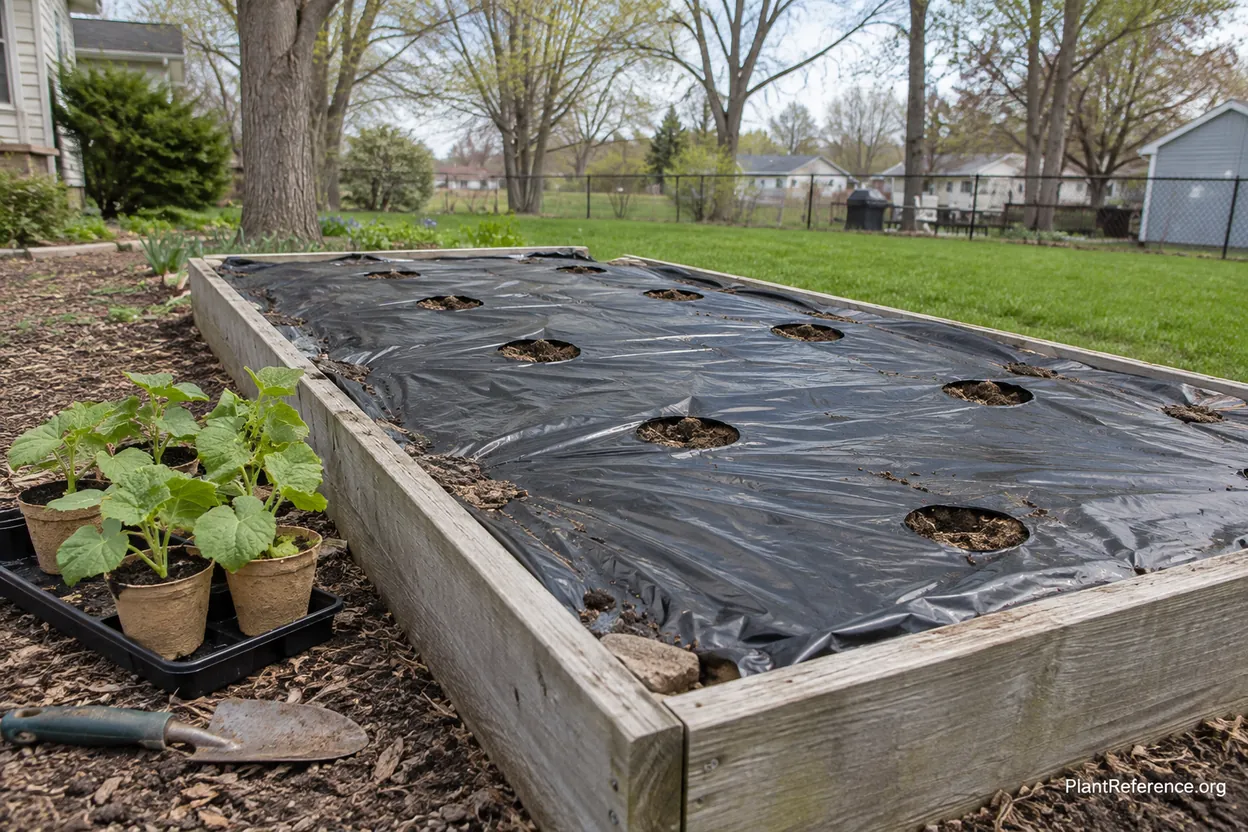
Black plastic mulch is essential for the first planting in Milwaukee. It warms soil 5-10°F above ambient, effectively extending your season by absorbing solar radiation during our cool May and June days. I lay black plastic two weeks before transplanting to pre-warm the bed. After mid-July when soil is warm, switch to straw mulch to retain moisture and keep roots cool during August heat.
Trellising
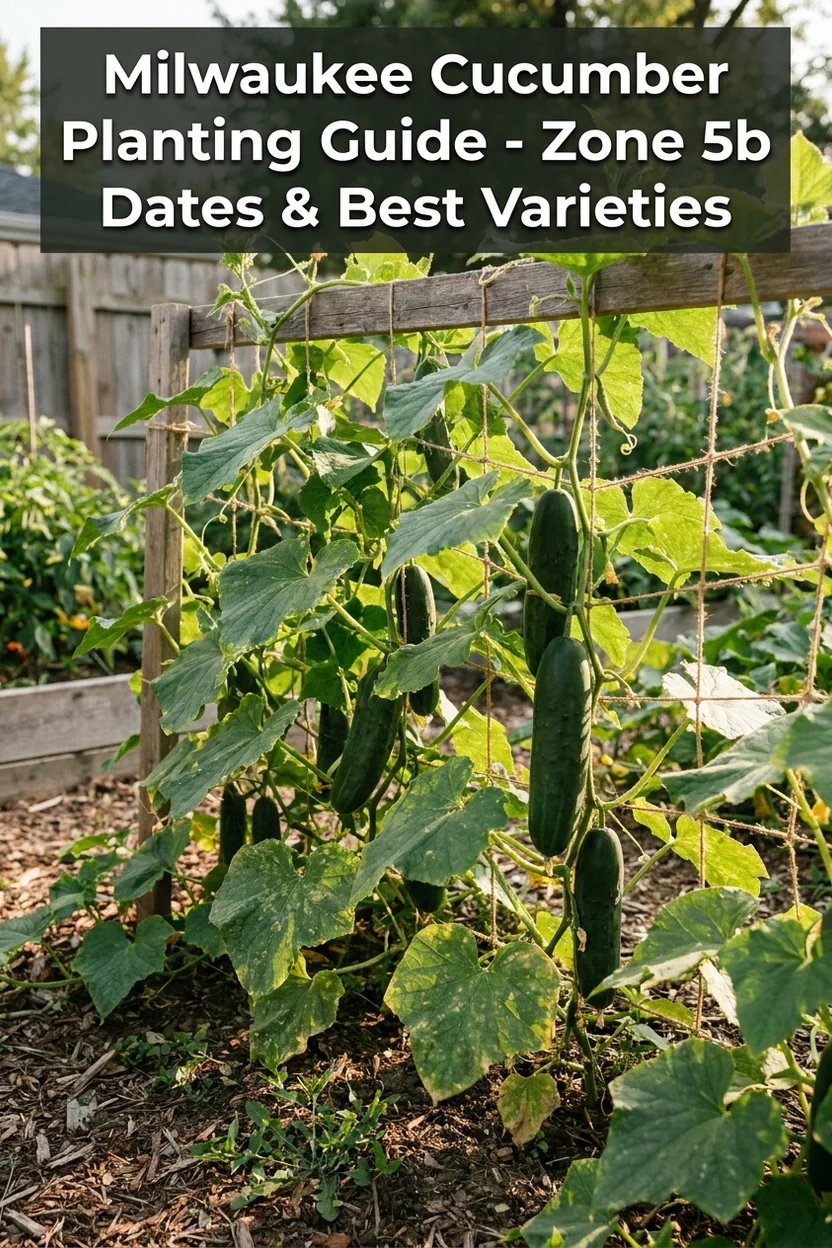
Vertical growing serves two purposes in Milwaukee: disease management and space efficiency. Our Great Lakes humidity drives Downy and Powdery Mildew through July and August, and keeping foliage off the ground improves air circulation dramatically. A 6-foot (1.8 m) trellis—A-frame, cattle panel, or string—supports vining varieties. Trellised cucumbers also warm faster in morning sun since they're elevated above the cool ground layer. 5 Best Drip Irrigation Kits for Raised Beds (Tested for Easy Installation)
Watering and Feeding
Cucumbers need 1 to 1.5 inches (2.5-4 cm) of water per week. Milwaukee's summer rainfall is erratic—some weeks we get 2 inches, other weeks nothing. Drip irrigation on a timer provides the consistency cucumbers demand and keeps foliage dry for disease prevention. Water in the morning if you use overhead methods so leaves dry before evening humidity builds.
Side-dress with balanced fertilizer when flowering begins and again at first fruit set. Compost tea or fish emulsion every two weeks during peak production keeps vines vigorous through our compressed harvest window. Don't skimp on feeding—in 139 days, plants need to grow fast and produce hard.
Season Extension Tools
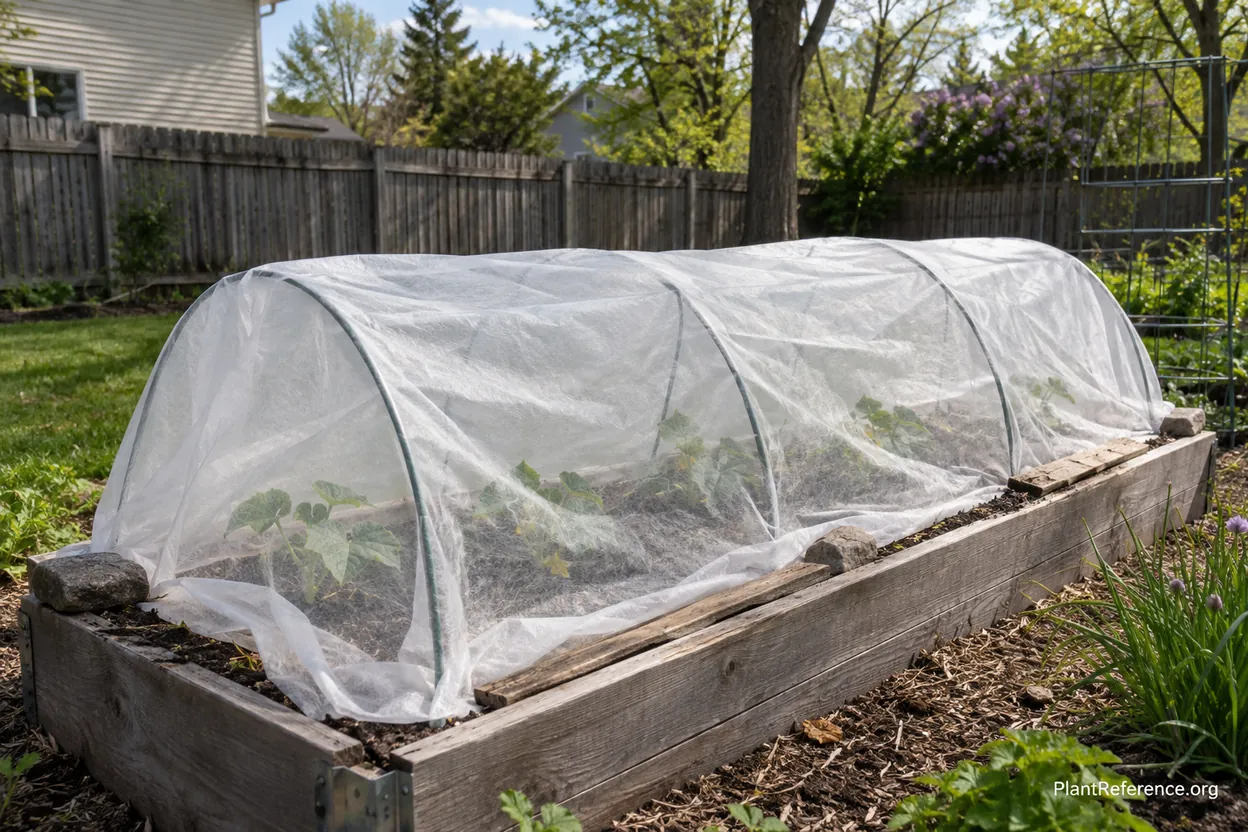
Season extension is standard practice for serious Milwaukee vegetable gardeners, not a luxury. Wall-o-Water or similar water-filled plant protectors around transplants absorb daytime heat and release it overnight, protecting cucumbers from late May cold snaps down to 28°F (-2°C). I've gained a full two weeks of growing time using these on my earliest transplants. Floating row covers provide 2-4°F of frost protection and double as cucumber beetle exclusion. In fall, row covers over late-season vines push harvest past the October 1 average frost into mid-October in most years. When to Plant Green Beans in Milwaukee: Complete Guide + Best Varieties for Zone 5b
Pollination
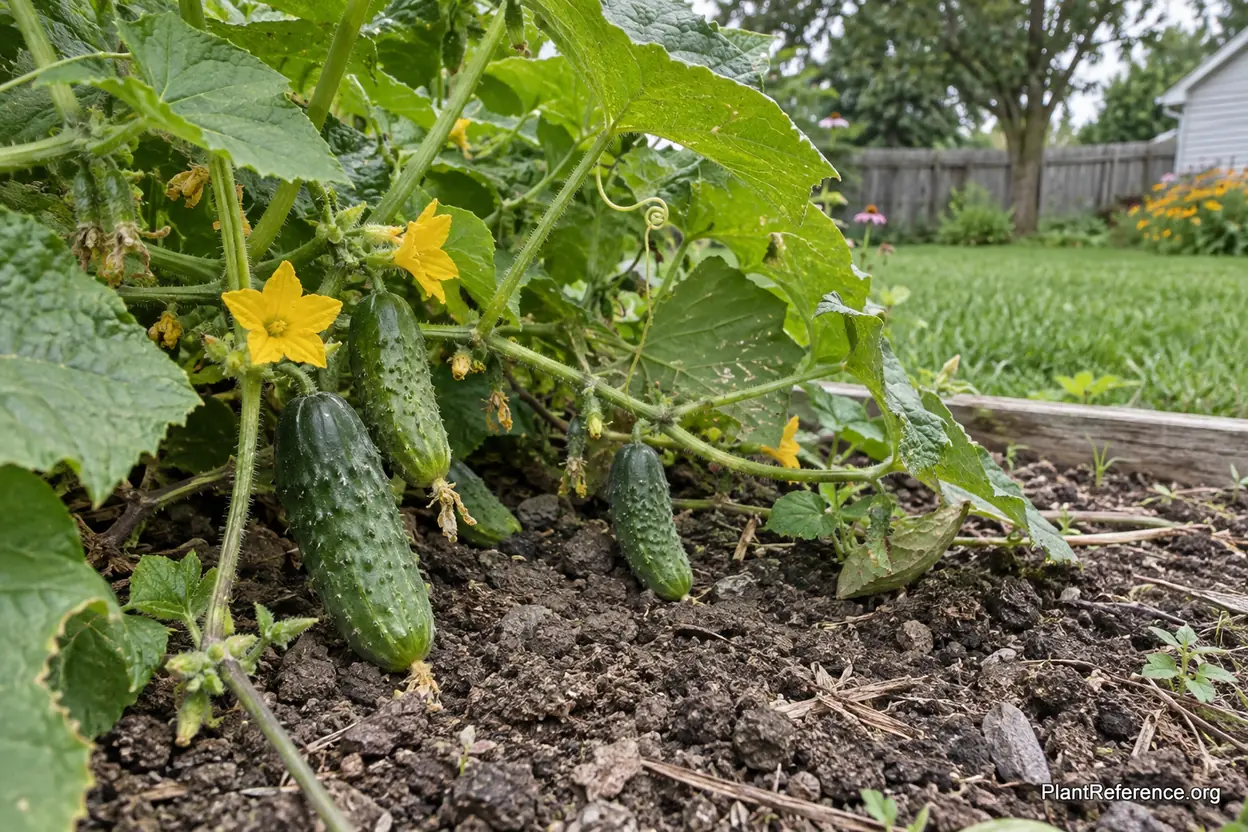
🌿Cucumis sativus 'Marketmore 76', 🌿Cucumis sativus 'Straight Eight', and 🌿Cucumis sativus 'Boston Pickling' are monoecious and need pollinators. Milwaukee's cool, rainy June stretches can keep bees inactive for days—problematic when your window is already tight. If early flowers aren't setting fruit, hand-pollinate with a small brush. Transfer pollen from male flowers (no swelling at base) to female flowers (miniature cucumber at base) in the morning. 🌿Cucumis sativus 'Persian' types set fruit without pollination—a significant advantage in our unpredictable early-summer weather.
Troubleshooting Milwaukee-Specific Problems
Late Spring Cold Snaps
This is the number one threat to Milwaukee cucumbers. Our May 15 average last frost is just that—an average. I've seen frost on May 25. Keep row covers, old bedsheets, or Wall-o-Water protectors available through the end of May. Cold-stunted cucumber transplants recover very slowly, and in a 139-day season you simply cannot afford a two-week setback. When in doubt, wait. Patience pays off here more than anywhere.
Downy Mildew
Downy Mildew reaches Milwaukee later than the East Coast—typically August—but when it arrives, it moves fast. Angular yellow spots on upper leaf surfaces that turn brown are the signature. Plant 🌿Cucumis sativus 'Marketmore 76' for resistance, trellis for airflow, and water at the base. Our shorter season means Downy Mildew has less time to build compared to southern zones, but it can still end your harvest 2-3 weeks early if you're growing susceptible varieties. Raised Bed Pest Problems: Identification and Organic Control Methods
Cucumber Beetles
Striped cucumber beetles emerge in late May in Milwaukee—right when your transplants are most vulnerable. Row covers are the best defense during establishment. Remove covers when flowering begins for pollinator access, then switch to kaolin clay spray or hand-picking. Trap cropping with Blue Hubbard squash works well in larger Milwaukee gardens.
Cool, Wet June Weather
Lake Michigan's influence keeps Milwaukee cooler and wetter in June than inland Wisconsin. Cucumber growth stalls below 60°F (16°C), and wet foliage invites disease. Black plastic mulch and raised beds counteract cool soil. Avoid overhead watering entirely during cool stretches. If growth seems stalled, be patient—once July heat arrives, Milwaukee cucumbers grow explosively. Raised Bed Too Hot in Summer: Protecting Plants from Heat Stress
Harvest & Storage
Harvest slicing cucumbers at 6-8 inches (15-20 cm) and pickling types at 2-4 inches (5-10 cm). Once July production kicks in, check vines daily—Milwaukee's humid summer heat drives rapid growth and cucumbers double in size in 48 hours. Every overripe fruit left on the vine signals the plant to stop producing, and you cannot waste production days in a 139-day season. Pick everything.
Cut fruit from the vine with pruners rather than pulling. Harvest in the morning when fruit is firmest. A healthy 🌿Cucumis sativus 'Marketmore 76' plant yields 10-15 slicing cucumbers; 🌿Cucumis sativus 'Boston Pickling' produces 15-20 smaller fruits per plant with consistent picking.
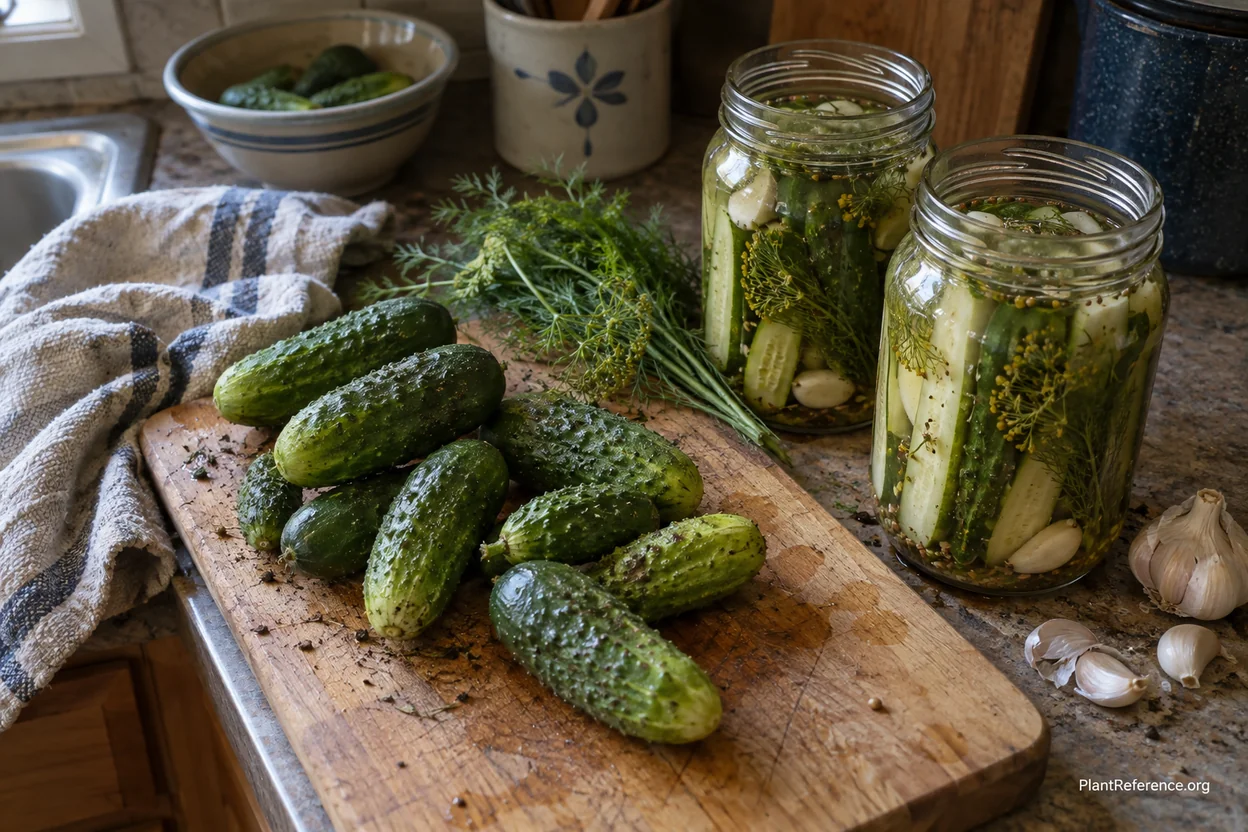
Fresh cucumbers store 7-10 days refrigerated in a towel inside a loose bag. Process 🌿Cucumis sativus 'Boston Pickling' within 24 hours of harvest for the crispest pickles. Refrigerator pickles are the simplest preservation—vinegar, salt, garlic, dill, and a jar. September's cooling nights produce the crunchiest pickling cucumbers of the season, and those last-of-year pickles are always the best in my pantry. The Complete Guide to Raised Bed Gardening for Beginners (2025)
Frequently Asked Questions
Reading about plants and recognising them are different skills. These three build the second.
- Daily PlantIdentify the day’s mystery plant from a close-up photograph.
- Keyed OutWork a dichotomous key, lead by lead, to name a hidden specimen.
- Name That PlantName a specimen from botanical clues dealt hardest first.
Free to play, no account needed
Tagged with
Pat has been gardening in Milwaukee for over thirty years, through every kind of Wisconsin weather. She worked as a school librarian and started gardening seriously when her kids were small—she wanted them to know where food came from. Now retired, she's a certified Master Gardener and runs the plant sale at her local garden club every spring. She specializes in cold-hardy perennials, native wildflower meadows, and the art of getting a vegetable garden producing in Wisconsin's short but intense growing season. Pat is practical and patient—she's seen enough Wisconsin winters to know that gardening here is a long game, and she writes with the steady confidence of someone who's been doing this a long time.