Image 1 of 9
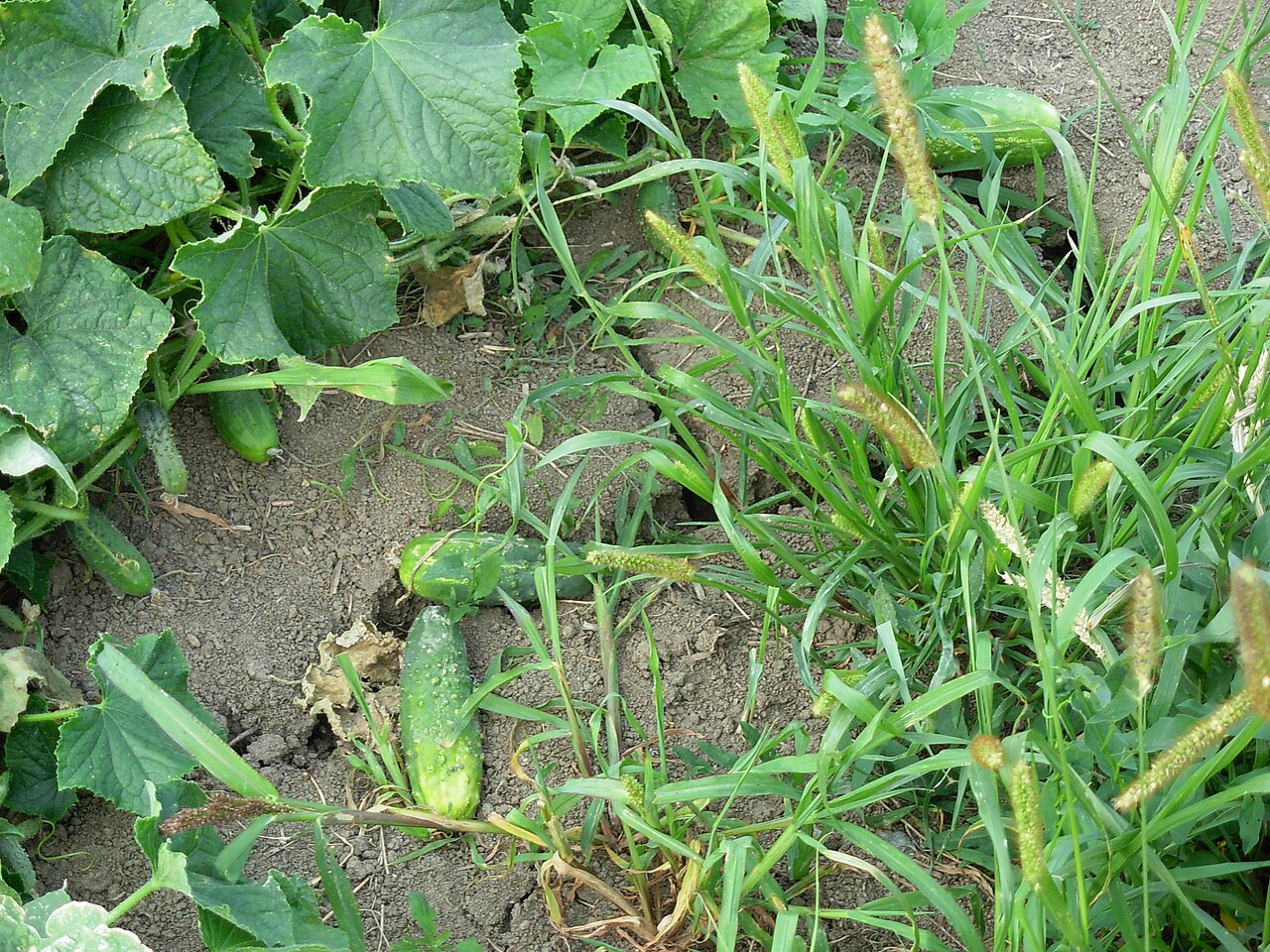
Species photo — your cultivar may vary
© myself ( User:Piotrus ), some rights reserved (CC-BY-SA) · Wikimedia Commons
1 / 9
Cucumis, Genus, sativus, Species, 'Boston Pickling', Cultivar,
- Genus & species
- Cultivar
Boston Pickling Cucumber
Overview
Cucumis sativus 'Boston Pickling' is an open-pollinated, monoecious pickling cucumber cultivar in the Cucurbitaceae family, producing vining plants 4–6 feet (1.2–1.8 m) long. An heirloom cultivar introduced in 1880 by Rawson & Co. of Boston, Massachusetts. Fruit are cylindrical, 3–6 inches (8–15 cm) long and 1.5–2 inches (4–5 cm) in diameter at pickling stage, dark green with paler green stripes near the blossom end, covered with small white spines (white-spined type). Flesh is crisp, firm, and dense with a small seed cavity — the texture that makes a good pickling cucumber, as the flesh holds up in brine without becoming soft. For fresh eating, harvest at 6–7 inches (15–18 cm); for pickling, harvest at 2–4 inches (5–10 cm) for cornichons or 4–6 inches (10–15 cm) for dill-size pickles. Days to maturity: 52–58 from direct sowing. Vining habit requires a trellis, fence, or ground space. Monoecious — produces both male and female flowers on the same plant. Male flowers appear first, followed by female flowers 7–10 days later. Susceptible to cucumber beetle, powdery mildew, and bacterial wilt. Open-pollinated; seed can be saved.
Native Range
Cucumis sativus is native to India, where it has been cultivated for over 3,000 years. 'Boston Pickling' was introduced in the United States in 1880.Suggested Uses
Grown for pickling — the firm, dense flesh and small seed cavity produce crisp pickles in dill, bread-and-butter, and cornichon preparations. Also eaten fresh when harvested at 6–7 inches (15–18 cm). In the Pacific Northwest, direct sow late May to early June for a July–September harvest. Trellising improves air circulation and reduces disease in the humid PNW climate.How to Identify
Appearance
Size & Dimensions
Height4' - 6'
Width/Spread1' - 2'
Bloom Information
Yellow, five-petalled flowers 1–1.5 inches (2.5–4 cm) across from June through September. Male flowers appear first on slender stems; female flowers have a miniature fruit behind the petals. Pollinated by bees. Fruit develops rapidly — harvestable 7–10 days after pollination.
Detailed Descriptions
Foliage Description
Medium greenGrowing Conditions
Sun Requirements
Requires 6-10 hours of direct sunlight daily
• Full Sun: 6+ hours of direct sunlight
• Partial Shade: 3-6 hours of direct sunlight
• Full Shade: Less than 3 hours of direct sunlight
Care & Maintenance
Care Guide
Direct sow seed 1 inch (2.5 cm) deep after last frost when soil reaches 65°F (18°C). Space 12 inches (30 cm) apart on a trellis or 36 inches (90 cm) apart in hills of 3–4 seeds. Full sun, fertile well-drained soil, pH 6.0–7.0. Water 1–1.5 inches (2.5–4 cm) per week — consistent moisture prevents bitter fruit. Mulch with straw to maintain soil moisture and prevent soil-splash diseases. Feed with balanced fertiliser at planting; side-dress with compost when vines begin to run. Harvest every 1–2 days at peak production — overripe fruit signal the plant to stop producing. Scout for cucumber beetles early — they vector bacterial wilt.Pruning
No pruning required for ground culture. On a trellis, pinch lateral branches after the first fruit set on each branch to direct energy to fruit production. Remove yellowing lower leaves to improve air circulation.Toxicity
Non-toxicPlanting Guide
Planting Methods & Timing
Planting Method
direct sow
Indoor Start
3 weeks before last frost
Direct Sow Timing
After last frost when soil reaches 65°F (18°C)
Days to Maturity
52–58 days
Plant Spacing
12 inches