Image 1 of 9
1 / 9
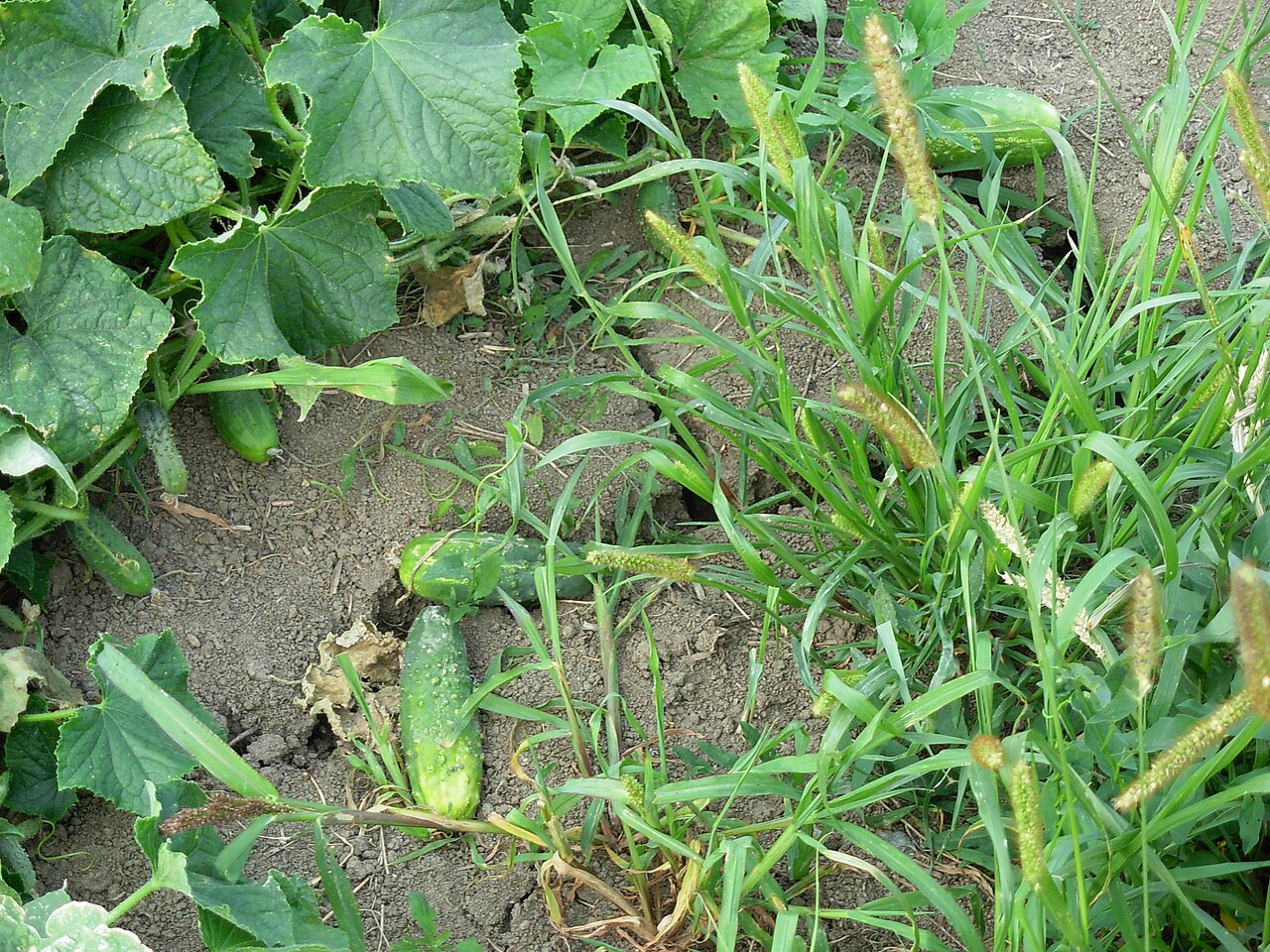
Species photo — your cultivar may vary
© myself ( User:Piotrus ), some rights reserved (CC-BY-SA) · Wikimedia Commons
Cucumis, Genus, sativus, Species, 'Lemon', Cultivar,
- Genus & species
- Cultivar
Lemon Cucumber
Heirloom cultivar introduced to the United States in the late 1800s; parent species native to South Asia
Overview
Cucumis sativus 'Lemon' is the lemon cucumber, a vining annual growing 72–96 inches (180–240 cm / 6–8 feet) on a trellis or cage. Plants carry round to oval pale yellow fruit 2–3 inches (5–7 cm) in diameter that resembles a lemon in shape and color — the fruit tastes like a mild cucumber, not a lemon. The round shape and pale yellow color separate this cultivar from all standard green slicing cucumbers. The cultivar is open-pollinated (not a modern F1 hybrid), introduced to the United States in the late 1800s. Fruit matures in 60–70 days from direct seed. Plants are monoecious and require bee pollination. Fruit is harvested at the pale yellow lemon-sized stage; if left on the vine to deep yellow, the fruit becomes seedy and thick-skinned. The cultivar carries less bitterness than standard green cucumbers (lower cucurbitacin content). A single vine can produce 30–50+ fruit per season. Cucumber beetles (Diabrotica and Acalymma species) transmit bacterial wilt and are the primary pest concern. Consistent moisture reduces shape irregularities. Seed is direct-sown after last frost once soil temperature reaches 60°F (16°C). Not deer-resistant. Non-toxic (edible crop). Full sun. Tender annual. Growth rate is fast. Family Cucurbitaceae.
Native Range
'Lemon' is an open-pollinated heirloom cultivar introduced to the United States in the late 1800s. The parent species Cucumis sativus is native to South Asia (India).Suggested Uses
Grown in vegetable gardens, raised beds, and containers of 5 gallons (19 L) or larger with a trellis. The round pale yellow fruit and the lower cucurbitacin content (less bitterness than standard green cucumbers) suit fresh eating and small-scale home pickling. As an open-pollinated cultivar, seed saved from the ripe fruit grows true to type and supports home seed-saving. Cucumber beetles and bacterial wilt remain the primary pest and disease concerns. Non-toxic. Tender annual.How to Identify
Appearance
Size & Dimensions
Height6' - 8'
Width/Spread2' - 3'
Bloom Information
Flowers from June through September. Bright yellow monoecious flowers (separate male and female flowers on the same plant) open continuously; bee pollination transfers pollen from male to female flowers. Fruit matures 60–70 days from seed, and a single vine can produce 30–50+ fruit across the season.
Detailed Descriptions
Flower Description
Bright yellow; 5-petaled; monoecious (separate male and female flowers on the same plant)Foliage Description
Medium to dark green; large palmate; rough-texturedGrowing Conditions
Sun Requirements
Requires 6-10 hours of direct sunlight daily
• Full Sun: 6+ hours of direct sunlight
• Partial Shade: 3-6 hours of direct sunlight
• Full Shade: Less than 3 hours of direct sunlight
Care & Maintenance
Care Guide
Plant in full sun (6+ hours direct sunlight) in rich moist loamy soil at pH 6.0–7.0. Seed is direct-sown after all frost risk has passed and soil temperatures reach 60°F (16°C). Consistent soil moisture through the growing season reduces fruit shape irregularities and bitterness. A trellis or cage keeps the vining stems off the soil for cleaner fruit and easier harvest. Bee pollination is required for fruit set, so gardens that use broad-spectrum insecticides early in the day will set fewer fruits. Row cover protects young plants from cucumber beetles (Diabrotica and Acalymma species), which transmit bacterial wilt — the primary pest problem. Fruit is harvested at the pale yellow lemon-sized stage; deep yellow overripe fruit becomes seedy and thick-skinned. Tender annual — the plant is killed by the first frost.Pruning
Vines are trained onto a trellis or cage as they extend, which keeps fruit off the soil and simplifies harvest. Fruit is harvested regularly at the pale yellow stage; overripe deep yellow fruit is removed promptly because it redirects energy from new fruit set. No other pruning is used.Pruning Schedule
Prune: July–August
summer
Container Growing
Suitable for container growing
Minimum container size: 5 gallons
Toxicity
Non-toxicPlanting Guide
Planting Methods & Timing
Planting Method
both
Indoor Start
3 weeks before last frost
Direct Sow Timing
After last frost when soil temperature reaches 60 degrees F (16 degrees C)+
Days to Maturity
60–70 days
Plant Spacing
12 inches
Companion Planting
Good Companions
Avoid Planting With