Image 1 of 5
1 / 5
Plant Reference
Ilex, Genus, crenata, Species,
- Genus & species
Japanese holly
Eastern Asia — Japan, Korea, eastern China, and Taiwan; understory of deciduous and mixed forests at low to middle elevations
Overview
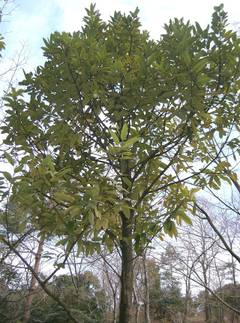
Ilex crenata is a mounding broadleaf evergreen shrub in the family Aquifoliaceae growing 3–10 feet (90–300 cm) tall and 3–8 feet (90–240 cm) wide from a multi-stemmed base that produces a dense rounded canopy with small leaves held closely along the twigs. The specific epithet crenata is from the Latin crena meaning notch or rounded tooth and refers to the shallow rounded teeth along the leaf margins (the crenate margin pattern), which contrasts with the sharp marginal spines of the related English holly I. aquifolium and which gives the species its boxwood-like foliage character. Leaves are glossy dark green, small, oval to elliptic, 0.5–1.2 inches (1.3–3 cm) long, and densely arranged along the twigs — the small spineless crenate leaves resemble those of boxwood (Buxus sempervirens) more than typical spiny holly, and the boxwood-like texture has made the species the standard substitute for boxwood in formal hedging applications across regions where boxwood blight (Calonectria pseudonaviculata) has compromised Buxus sempervirens in the landscape — I. crenata is not susceptible to boxwood blight because the pathogen is host-specific to Buxus species. White tiny 4-petaled flowers 0.2 inch (5 mm) across open in axillary clusters in June across a 1–2 week bloom period, and the species is dioecious with male and female flowers on separate plants. Glossy black berries 0.2 inch (5 mm) develop on female plants in fall and persist into winter, and the black berry color is a reliable field character that separates I. crenata from the red-berried English holly I. aquifolium and from the blue holly hybrid I. × meserveae (also red-berried). Limitation: the species is not drought-tolerant and develops leaf drop in dry conditions — consistent moisture through the growing season is a cultural requirement that limits the species' use in dry-summer regions without irrigation. Black root rot (Thielaviopsis basicola) is a serious soil-borne fungal disease that produces wilting, leaf drop, and plant death and is the primary disease pressure on the species in cultivation; the disease is most severe in heavy poorly drained soils and at high soil temperatures. Spider mites colonize the foliage in hot dry conditions and produce stippling damage on the leaf surfaces. The species calls for strictly acidic soil with a pH of 5.0–6.5 and develops chlorosis at higher pH levels. All parts contain saponins and are toxic to humans, cats, and dogs if ingested. Native to eastern Asia (Japan, Korea, eastern China, and Taiwan). Deer-resistant.
Native Range
Native to eastern Asia — Japan, Korea, eastern China, and Taiwan — growing in the understory of deciduous and mixed forests at low to middle elevations on acidic forest soils. The species was introduced to western horticulture in the 19th century as an ornamental evergreen with the boxwood-like foliage texture and the tolerance of formal shearing, and the species has subsequently become the standard substitute for Buxus sempervirens (common boxwood) in formal hedging across regions where boxwood blight has compromised the use of true boxwood in the landscape.Suggested Uses
Used as a boxwood alternative for clipped formal hedges, topiary, knot gardens, low foundation plantings, and container specimens in containers of at least 5 gallons (19 L) at 18–48 inch (45–120 cm) spacing depending on the designed hedge or topiary scale in USDA zones 5 through 8. The boxwood-like small-leaved glossy evergreen foliage texture and the tolerance of repeated shearing combine to make the species the standard substitute for Buxus sempervirens in regions where boxwood blight (Calonectria pseudonaviculata) has compromised the use of true boxwood in the landscape — I. crenata is not susceptible to boxwood blight because the pathogen is host-specific to Buxus. Alkaline soil positions, dry-summer regions without irrigation, and heavy poorly drained soils where black root rot pressure is active are unsuitable because of the strict acid soil requirement, the moisture requirement, and the soil-borne disease pressure of the species. Cultivars include 'Compacta' (dwarf rounded form), 'Helleri' (dwarf flat-topped form), and 'Sky Pencil' (narrow columnar form for tight vertical positions).How to Identify
Appearance
Size & Dimensions
Height3' - 10'
Width/Spread3' - 8'
Bloom Information
White tiny 4-petaled flowers 0.2 inch (5 mm) across open in axillary clusters in June across a 1–2 week bloom period. The species is dioecious — male and female flowers are carried on separate individuals — and successful berry production on female plants requires a male I. crenata pollinator within reasonable bee-flight range. Honeybees work the flowers for nectar during the early summer bloom. Glossy black berries 0.2 inch (5 mm) across develop on female plants in fall and persist into winter — the black berry color separates I. crenata from the red-berried English holly and blue holly cultivars.
Detailed Descriptions
Flower Description
white tiny 4-petaled flowers 0.2 inch (5 mm) across in axillary clusters in June; the species is dioecious — male and female flowers are carried on separate individuals — and female plants produce glossy black berries 0.2 inch (5 mm) in fall (a key character separating I. crenata from the red-berried English holly I. aquifolium)Foliage Description
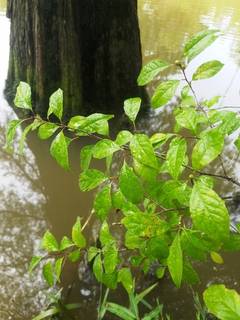
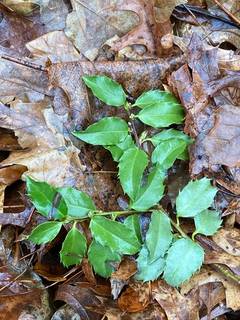
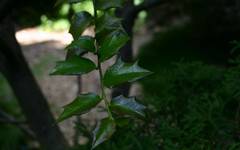
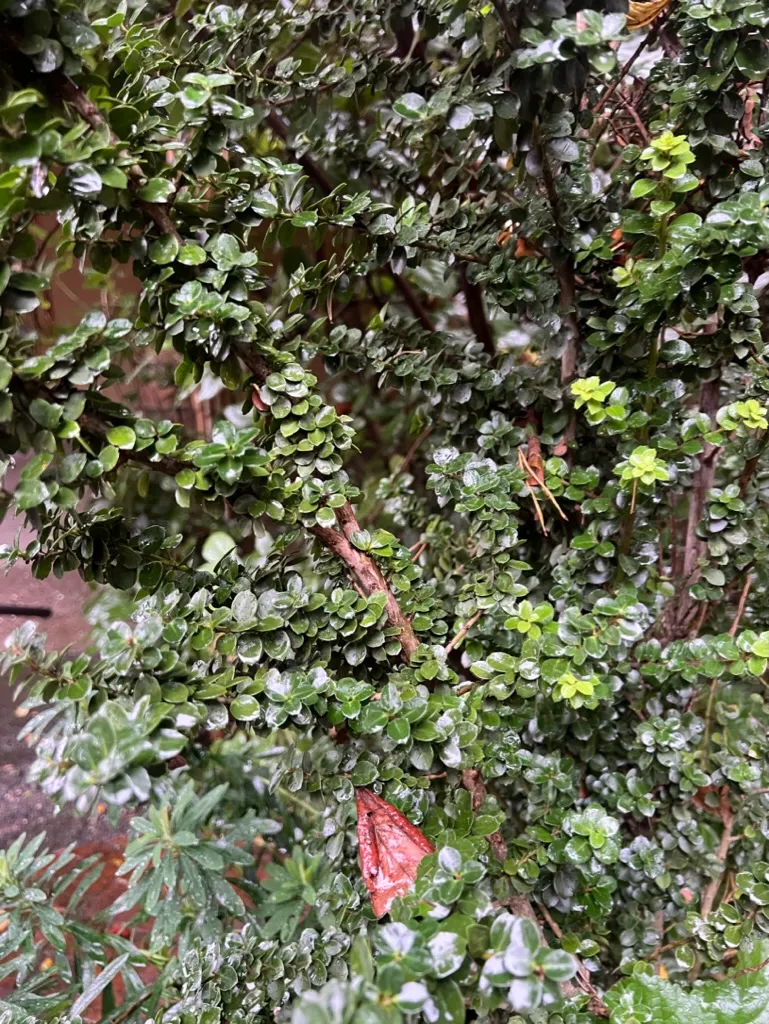
glossy dark green small oval to elliptic leaves 0.5-1.2 inches (1.3-3 cm) long with crenate margins (rounded shallow teeth along the leaf edges and no spines); the small spineless crenate leaves resemble boxwood (Buxus sempervirens) more than typical spiny holly, and the boxwood-like foliage texture is the basis for the species' wide use as a substitute for boxwood in formal hedging applicationsGrowing Conditions
Sun Requirements
Requires 3-8 hours of direct sunlight daily
• Full Sun: 6+ hours of direct sunlight
• Partial Shade: 3-6 hours of direct sunlight
• Full Shade: Less than 3 hours of direct sunlight
Care & Maintenance
Care Guide
Site in part sun to full sun with 3–8 hours of direct sun per day in well-drained soil with a strictly acidic pH of 5.0–6.5 — the species develops chlorosis at higher pH levels and should not be planted in alkaline soils without acidification amendment. The species is not drought-tolerant and develops leaf drop in dry conditions, so consistent moisture through the growing season is a cultural requirement. Black root rot (Thielaviopsis basicola) is a serious soil-borne fungal disease most severe in heavy poorly drained soils and at high soil temperatures — drainage amendment and avoidance of repeated planting in soils where the disease has previously occurred support disease management. Spider mites colonize the foliage in hot dry conditions and produce stippling damage; supplemental water and overhead spray during dry summer spells reduces mite pressure. The species is dioecious — for berry production on female plants, a male I. crenata pollinator is needed within bee-flight range. All parts contain saponins and are toxic to humans, cats, and dogs if ingested. Deer-resistant. Hardy in USDA zones 5–8.Pruning
The species tolerates repeated shearing for formal hedging, topiary, and clipped foundation planting applications, and 2–3 light shearings per growing season (typically May, June, and July) maintain a dense formal surface. Hard renovation pruning back to the woody framework is tolerated and produces reliable regrowth from latent buds within 1–2 growing seasons. Late-summer and fall pruning is avoided because late-season cuts stimulate tender new growth that is vulnerable to winter cold damage in zones 5 and 6.Pruning Schedule
Prune: May–July
late springsummer
Container Growing
Suitable for container growing
Minimum container size: 5 gallons