Ilex, Genus, verticillata, Species,
- Genus & species
common winterberry
Eastern North America — from Nova Scotia to Minnesota, south to Florida and Texas; swamps, bogs, wet meadows, and stream margins
Overview
Ilex verticillata is common winterberry (winterberry holly), a mounding deciduous shrub growing 6-10 feet (1.8-3 m) tall and 6-10 feet (1.8-3 m) wide. A deciduous holly — drops its leaves in fall, revealing bright red berries 0.25 inch (6 mm) densely clustered along the bare stems. Berries persist from October into January-February until birds consume them. Dark green elliptic to obovate finely serrated leaves 1.5-3 inches (4-7 cm). Tiny inconspicuous creamy-white flowers in May-June. Dioecious — both female and male plants required for berry production (one male pollinates 6-10 females within 40 feet / 12 m). In Aquifoliaceae. Native to eastern North America. Requires acidic wet to consistently moist soil (pH 4.5-6.0). This wet-acidic-soil requirement is the primary limitation. Not drought-tolerant. Female cultivars: 'Winter Red', 'Red Sprite'. Male pollinators: 'Jim Dandy', 'Southern Gentleman'. Match bloom times. Berries mildly toxic to humans. Deer browse. Zones 3-9. Full sun to partial shade. Growth rate is moderate.
Native Range
Native to eastern North America — from Nova Scotia to Minnesota, south to Florida and Texas. Found in swamps, bogs, wet meadows, and stream margins.Suggested Uses
Grown in wet sites, rain gardens, stream margins, and bog gardens spaced 6-10 feet (1.8-3 m). Winter berry display on bare stems. Requires acidic wet soil. Plant male and female. Cut branches for winter arrangements (harvest before birds consume berries). Native to North America. Toxic. Zones 3-9.How to Identify
Appearance
Size & Dimensions
Height6' - 10'
Width/Spread6' - 10'
Bloom Information
Late spring (May-June). Creamy-white tiny flowers 0.2-0.3 inch (5-8 mm) in small axillary clusters. 4 weeks of bloom. Bee-pollinated. Dioecious — male pollinator required. Bright red berries visible October-February.
Detailed Descriptions
Flower Description
Creamy-white, tiny, 0.2-0.3 inch (5-8 mm), in small axillary clusters; inconspicuousFoliage Description
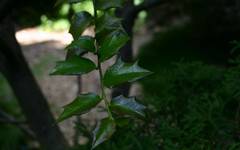
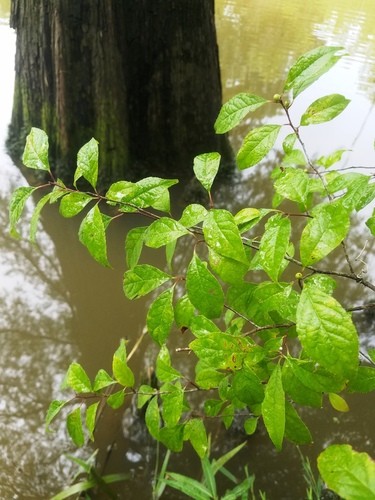
Dark green, alternate, elliptic to obovate, finely serrated, 1.5-3 inches (4-7 cm) long, somewhat hairy; drops in fall without significant color changeGrowing Conditions
Sun Requirements
Requires 4-12 hours of direct sunlight daily
• Full Sun: 6+ hours of direct sunlight
• Partial Shade: 3-6 hours of direct sunlight
• Full Shade: Less than 3 hours of direct sunlight
Care & Maintenance
Care Guide
Full sun to partial shade (4-12 hours — full sun for heaviest berry set). Acidic wet to consistently moist soil pH 4.5-6.0. Tolerates standing water and clay. Not drought-tolerant. Plant at least one compatible male within 40 feet (12 m) of females. Prune in late winter (February-March). Deer browse. Toxic (berries). Zones 3-9.Pruning
Prune in late winter (February-March) after the berries have been consumed or have dropped. Remove dead, crossing, or oldest stems at the base. Suckers from the roots — remove unwanted suckers to maintain clump size.Pruning Schedule
Prune: February–March
early spring