Ilex, Genus, pernyi, Species,
- Genus & species
Perny holly
Central and western China (Hubei, Sichuan, Gansu provinces; mountain forests 3000-8000 feet / 900-2400 m elevation)
Overview
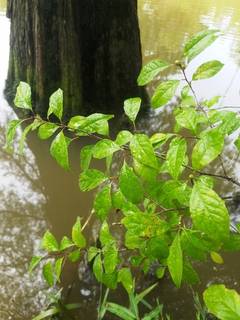
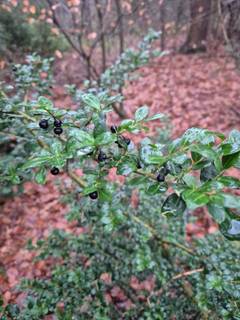
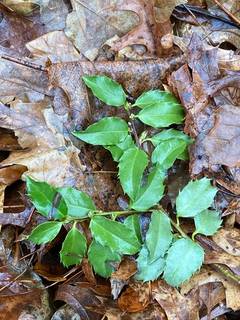
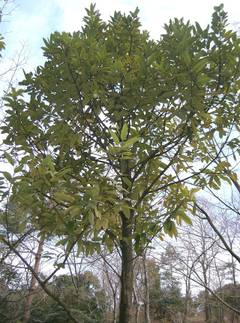
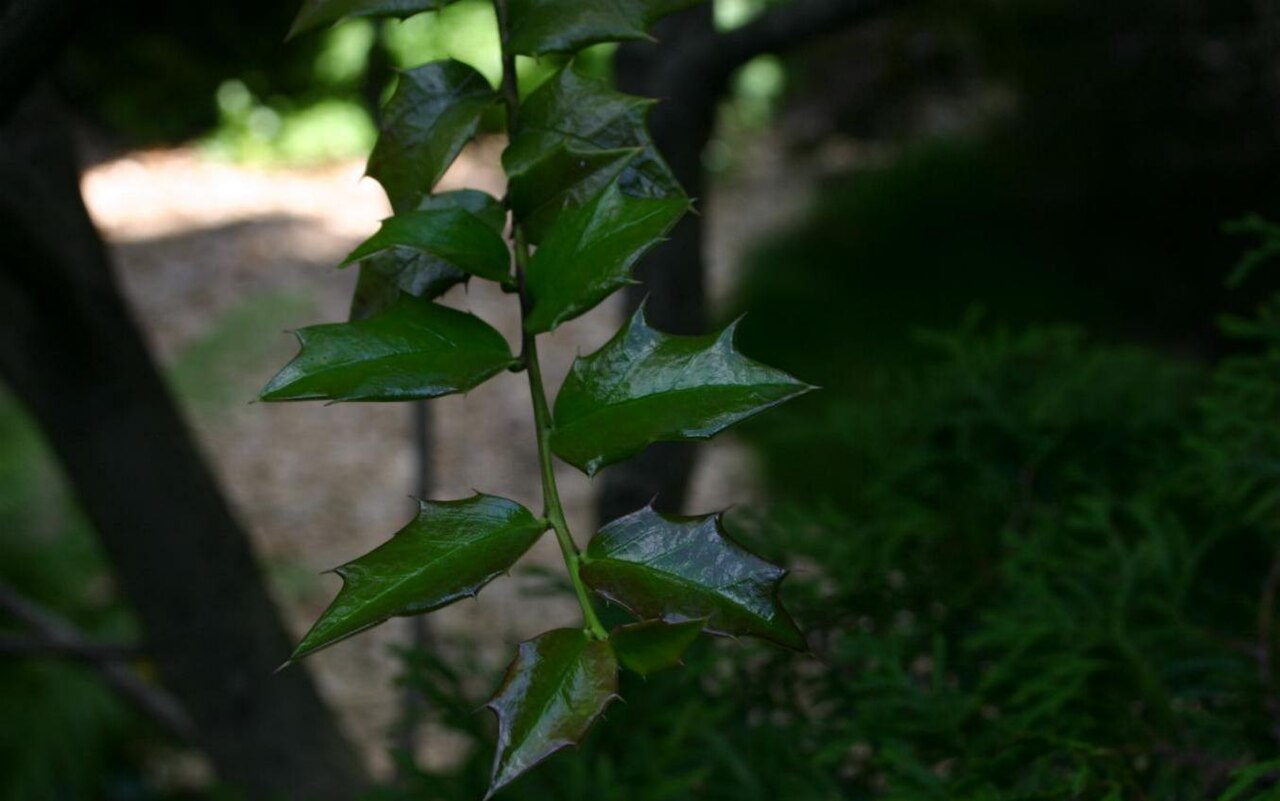
Ilex pernyi is a dense narrowly pyramidal evergreen shrub or small tree in the holly family (Aquifoliaceae) reaching 10–20 feet (3–6 m) tall with a spread of 6–10 feet (1.8–3 m). This Chinese species carries an atypical leaf shape among hollies: small diamond-shaped (rhombic) to rectangular leaves 0.5–1.5 inches (1.3–4 cm) long with typically 3 prominent spines — one spine at the leaf apex and one spine on each side of the upper half of the leaf margin. The angular geometric silhouette of each leaf sits apart from the rounded or elliptic outlines that the rest of the holly genus carries across commercial cultivation. Leaves run glossy, dark green, and closely spaced along the stems, which builds a dense textural foliage mass. The species is dioecious — female plants carry small red berries 0.25 inches (6 mm) in diameter in pairs along the stems when pollinated. Named for Paul Perny, a French Catholic missionary who collected plants in China during the 19th century. I. pernyi is one parent of the garden hybrids I. × aquipernyi. Growth rate runs slow. Hardy to zone 6.
Native Range
Ilex pernyi is native to central and western China, where wild populations grow across Hubei, Sichuan, and Gansu provinces. The species grows in mountain forest habitats at elevations between 3,000 and 8,000 feet (900–2,400 m).Suggested Uses
Grown as a specimen shrub, narrow screen, or collector's holly at 6–10 foot (1.8–3 m) spacing. The diamond-shaped leaves read as a close-range curiosity — siting the specimen in a location where garden traffic passes close enough to observe the geometric leaf shape takes the foliage character into account. The species is one parent of the commercially widespread I. × aquipernyi hybrid group and carries historical breeding significance. Slow growth rate means patience is required to reach mature display size. Commercial nursery availability runs lower than English or Meserve holly availability in most retail markets. Wet soils, alkaline soil conditions, and exposed windy sites are all unsuitable given the cultural profile.How to Identify
Appearance
Size & Dimensions
Height10' - 20'
Width/Spread6' - 10'
Bloom Information
Small yellow-green flowers open during May and June along the stems. The species is dioecious — female plants carry small red berries 0.25 inches (6 mm) in diameter in pairs along the stems when pollinated by a male plant within range. Berries ripen in autumn and persist into winter. Flowers themselves run inconspicuous and carry no significant ornamental value.
Detailed Descriptions
Flower Description
Small yellow-green flowers; dioecious; small red berries 0.25 inches in pairs along stems on female plantsFoliage Description
Glossy dark green diamond-shaped rhombic 0.5-1.5 inches long with 3 prominent spines in angular geometric arrangementGrowing Conditions
Sun Requirements
Requires 4-8 hours of direct sunlight daily
• Full Sun: 6+ hours of direct sunlight
• Partial Shade: 3-6 hours of direct sunlight
• Full Shade: Less than 3 hours of direct sunlight
Care & Maintenance
Care Guide
Grows in full sun to partial shade in moist well-drained slightly acidic soil at pH 5.0–6.5, tolerating loam. Hardy to zone 6. The dense narrow pyramidal habit suits tight garden spaces where the slow growth rate holds the plant at target dimensions with minimal intervention. Winter sun and wind exposure in the coldest part of zone 6 can cause foliage damage, and siting with a windbreak or under light high shade in exposed positions reduces the winter-damage risk.Pruning
Pruning runs minimal across the life of the plant. The dense narrow pyramidal form develops naturally from the branching pattern without shaping intervention. Light shape correction in late winter works if needed, but the slow growth rate means pruning cuts are slow to fill back in and over-pruning creates long-lasting gaps in the canopy.Pruning Schedule
Prune: February
winter