Image 1 of 8
1 / 8
Plant Reference
Ilex, Genus, aquifolium, Species, 'Ferox Argentea', Cultivar,
- Genus & species
- Cultivar
variegated porcupine holly
Species native to western and southern Europe, northwestern Africa, and western Asia; the cultivar 'Ferox Argentea' is of garden origin and has been documented in cultivation since the 17th century
Overview
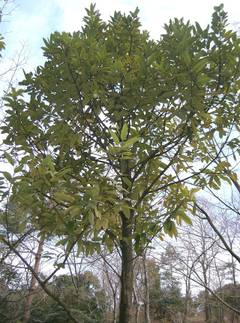
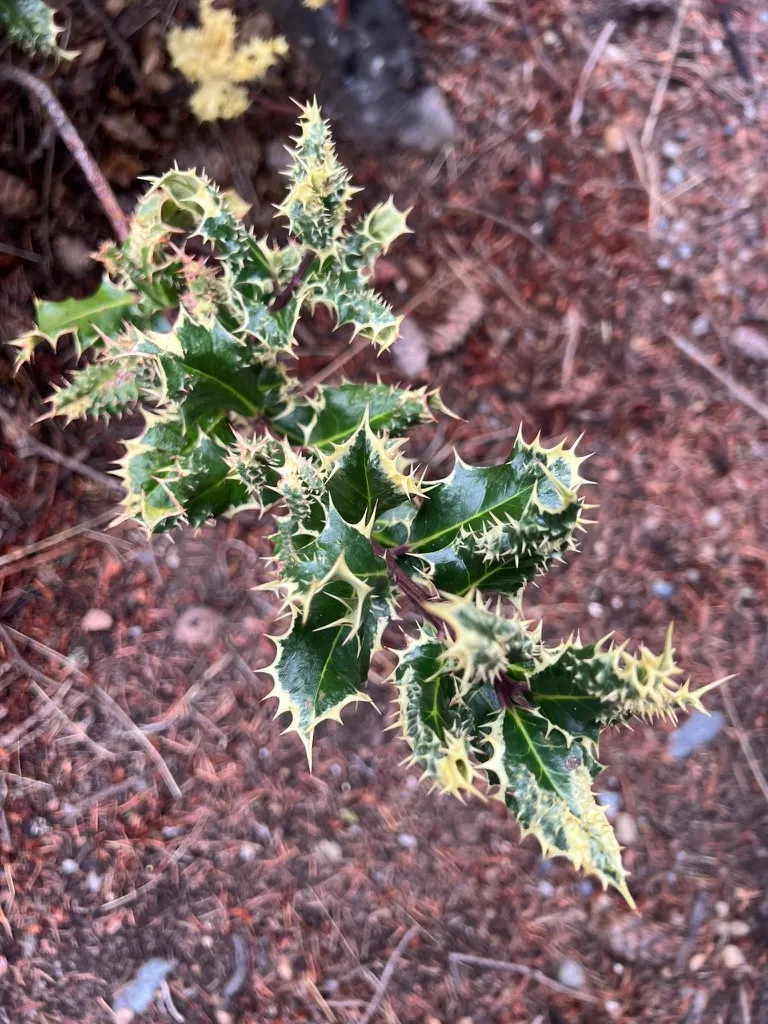
Ilex aquifolium 'Ferox Argentea' is an upright variegated broadleaf evergreen cultivar in the family Aquifoliaceae growing 10–20 feet (3–6 m) tall and 8–12 feet (2.4–3.6 m) wide at maturity from a multi-stemmed base that develops a dense rounded canopy. The cultivar is one of the oldest documented English holly cultivars in continuous cultivation — written records of 'Ferox Argentea' date from the 17th century, and the cultivar has been propagated by cuttings since that period to maintain the surface-spine trait and the variegated foliage character that have made it a long-recognized specimen plant in European and North American gardens. The cultivar epithet combines two Latin descriptive terms: 'Ferox' meaning fierce or savage refers to the surface spines that appear on the upper leaf face, and 'Argentea' meaning silvery refers to the cream-white to silver-white leaf margins that frame the gray-green to dark green leaf center. Leaves are gray-green to dark green at the leaf center with cream-white to silver-white margins, oval, leathery, and 1.5–3 inches (4–7 cm) long, and the spines occur not only on the leaf margins (where holly spines typically appear in the genus Ilex) but also on the upper leaf surface itself — the porcupine or hedgehog effect that is not matched by any other holly cultivar in cultivation and that is the primary identifying character of 'Ferox Argentea'. White tiny 4-petaled flowers 0.2 inch (5 mm) across open in axillary clusters in May and June across a 2–3 week bloom period, and the cultivar is a male clone with sterile flowers that produce no berries — the pollen is often non-viable as well, so the cultivar is not used as a pollinator for female holly cultivars and serves a strictly ornamental role in the garden. Limitation: growth rate is very slow at typically 4–6 inches (10–15 cm) per year, and full mature size is reached only after 15–25 years from a young plant — this slow growth rate combined with the cultivar's specimen role calls for patience and a long planting horizon. Holly leaf miner (Phytomyza ilicis) and scale insects are common pests as for the species type. All parts contain saponins and ilicin and are toxic to humans, cats, and dogs if ingested. Thick leather gloves and long sleeves are warranted during any handling or pruning operation because the surface spines and margin spines combine to make the foliage particularly hazardous to bare skin. Hardy to approximately 0 °F (−18 °C). Drought-tolerant once established. Deer-resistant. The species type is native to western and southern Europe, northwestern Africa, and western Asia.
Native Range
The species type Ilex aquifolium is native to western and southern Europe, northwestern Africa, and western Asia, ranging from Norway and the British Isles south to the Mediterranean and east to Turkey, growing in mixed deciduous and coniferous woodlands, hedgerows, and scrubland. The cultivar 'Ferox Argentea' is of garden origin and has been documented in cultivation since the 17th century — written references in 17th-century European gardening literature describe the same combination of surface-spined leaves and silver-margined variegation that defines the cultivar today, and the cultivar has been propagated by cuttings continuously through the intervening centuries to maintain these distinguishing traits.Suggested Uses
Used as a variegated specimen shrub, accent shrub in mixed borders, slow-growing topiary or formal specimen, and container specimen in containers of at least 15 gallons (57 L) at 8–12 foot (2.4–3.6 m) spacing between plants in USDA zones 6 through 9. The year-round variegated cream-margined foliage and the surface-spined porcupine texture combine for a specimen plant with a foliage character not matched by any other holly cultivar, and the male sterility (no berry production) avoids the bird-dispersed seed concern that applies to the female-flowered species type in regions where I. aquifolium is classified as invasive. The very slow growth rate (4–6 inches per year, 15–25 years to mature size) calls for patience and a long planting horizon. Gardens with active children, pets, or pedestrian traffic close to the planting position are unsuitable because the surface spines and margin spines combine to make accidental contact with the foliage particularly hazardous, and gardens where children, cats, or dogs may access the foliage should account for the saponin and ilicin toxicity.How to Identify
Appearance
Size & Dimensions
Height10' - 20'
Width/Spread8' - 12'
Bloom Information
White tiny 4-petaled flowers 0.2 inch (5 mm) across open in axillary clusters in May and June across a 2–3 week bloom period. The cultivar is a male clone with sterile flowers that produce no berries, and the pollen is often non-viable so the cultivar is not used as a pollinator for female holly cultivars. The flowers are not the primary ornamental feature — the year-round variegated surface-spined evergreen foliage is the reason for growing the cultivar.
Detailed Descriptions
Flower Description
white tiny 4-petaled flowers 0.2 inch (5 mm) across in axillary clusters in May and June; the cultivar is a male clone — the flowers are sterile and produce no berries, and the pollen is often non-viable so the cultivar is not used as a pollinator for female holly cultivarsFoliage Description
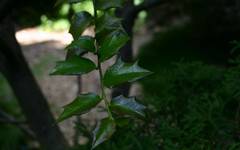
gray-green to dark green at the leaf center with cream-white to silver-white margins; oval leathery leaves 1.5-3 inches (4-7 cm) long; spines occur not only on the leaf margins but also on the upper leaf SURFACE — the porcupine or hedgehog effect that is not matched by any other holly cultivar in cultivation and that gives the cultivar both its common name and the cultivar epithet 'Ferox' (Latin for fierce); evergreen year-roundGrowing Conditions
Sun Requirements
Requires 3-8 hours of direct sunlight daily
• Full Sun: 6+ hours of direct sunlight
• Partial Shade: 3-6 hours of direct sunlight
• Full Shade: Less than 3 hours of direct sunlight
Care & Maintenance
Care Guide
Site in part sun to full sun with 3–8 hours of direct sun per day in well-drained soil with a pH of 5.0–7.0. Drought tolerance develops once the root system is established. Growth rate is very slow at typically 4–6 inches (10–15 cm) per year — patience and a long planting horizon are required. Holly leaf miner (Phytomyza ilicis) and scale insects are common pests as for the species type, and dormant-season horticultural oil supports control of overwintering scale populations. Thick leather gloves and long sleeves are warranted during any handling or pruning operation because the surface spines on the upper leaf face and the margin spines along the leaf edges combine to make the foliage particularly hazardous to bare skin. All parts contain saponins and ilicin and are toxic to humans, cats, and dogs if ingested. Deer-resistant. Hardy in USDA zones 6–9.Pruning
Pruning is done in late winter (February or March) to maintain shape and remove dead, damaged, or crossing branches. The cultivar tolerates hard renovation pruning when needed but recovers very slowly from heavy cutback because of the very slow underlying growth rate at 4–6 inches (10–15 cm) per year — bare gaps in the canopy after hard pruning can take 5–8 years to refill. Thick leather gloves and long sleeves are warranted during any pruning operation because the upper-surface spines and the margin spines combine to make the foliage particularly hazardous to bare skin during handling.Pruning Schedule
Prune: February–March
early spring
Container Growing
Suitable for container growing
Minimum container size: 15 gallons