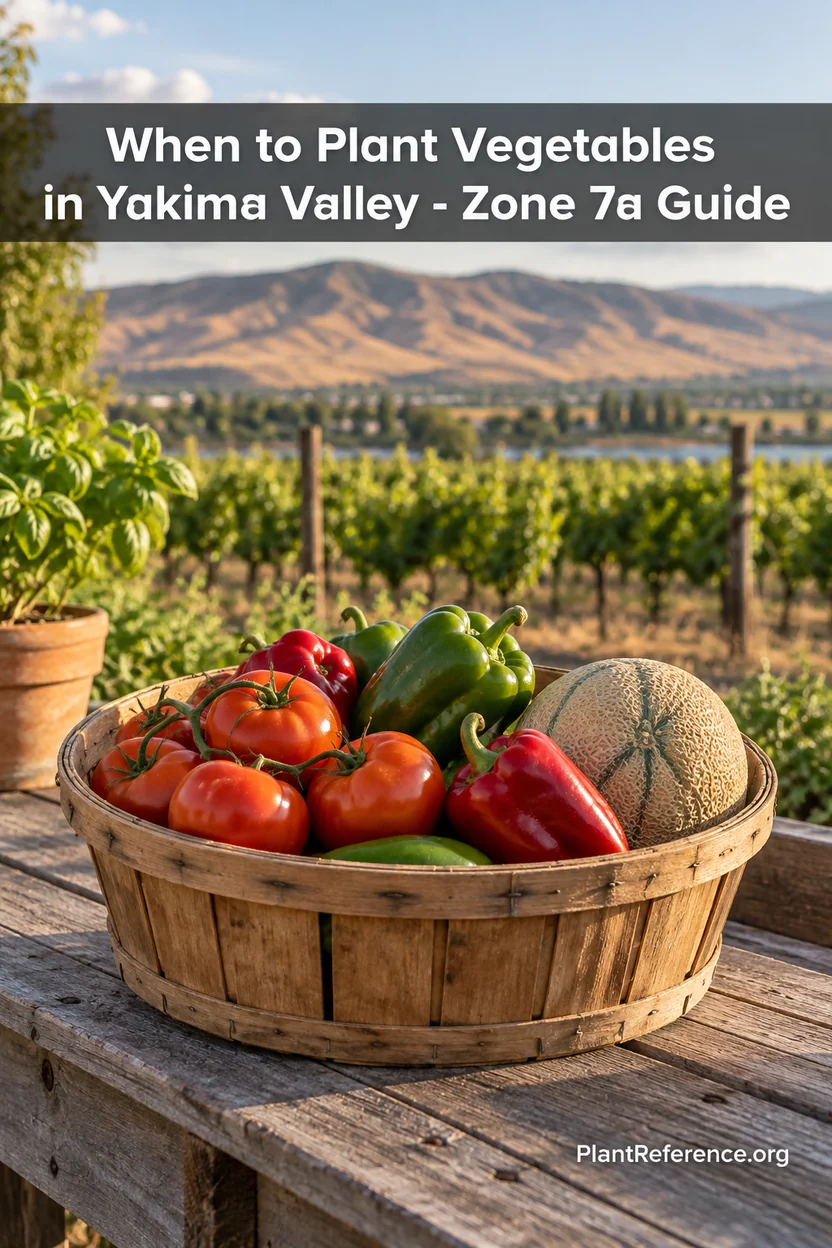
When to Plant Vegetables in Yakima Valley
Pets & Toxicity
Recorded toxicity for plants linked in this guide. An unknown status is not a safety assessment.
Toxic to pets: early girl tomato, cherokee purple tomato, Roma tomato and 2 moreDetailsHide
Solanum lycopersicum 'Early Girl' — Toxicity Warning
Toxic to petsView Solanum lycopersicum 'Early Girl' plant profileSolanum lycopersicum 'Cherokee Purple' — Toxicity Warning
Toxic to petsView Solanum lycopersicum 'Cherokee Purple' plant profileSolanum lycopersicum 'Roma' — Toxicity Warning
Toxic to petsView Solanum lycopersicum 'Roma' plant profileCapsicum annuum 'Jalapeño' — Toxicity: Not assessed
Capsaicin in fruit causes burning sensations in mouth and on skin. Fruit and handling oils are irritating to eyes and mucous membranes but are not toxic in the usual sense. Gloves are used during harvesting and processing; hands are washed thoroughly before touching face. Small amounts are generally safe for pets but can cause digestive upset.View Capsicum annuum 'Jalapeño' plant profileSolanum melongena 'Ichiban' — Toxicity Warning
Toxic to petsView Solanum melongena 'Ichiban' plant profileSolanum melongena 'Black Beauty' — Toxicity Warning
Toxic to petsView Solanum melongena 'Black Beauty' plant profile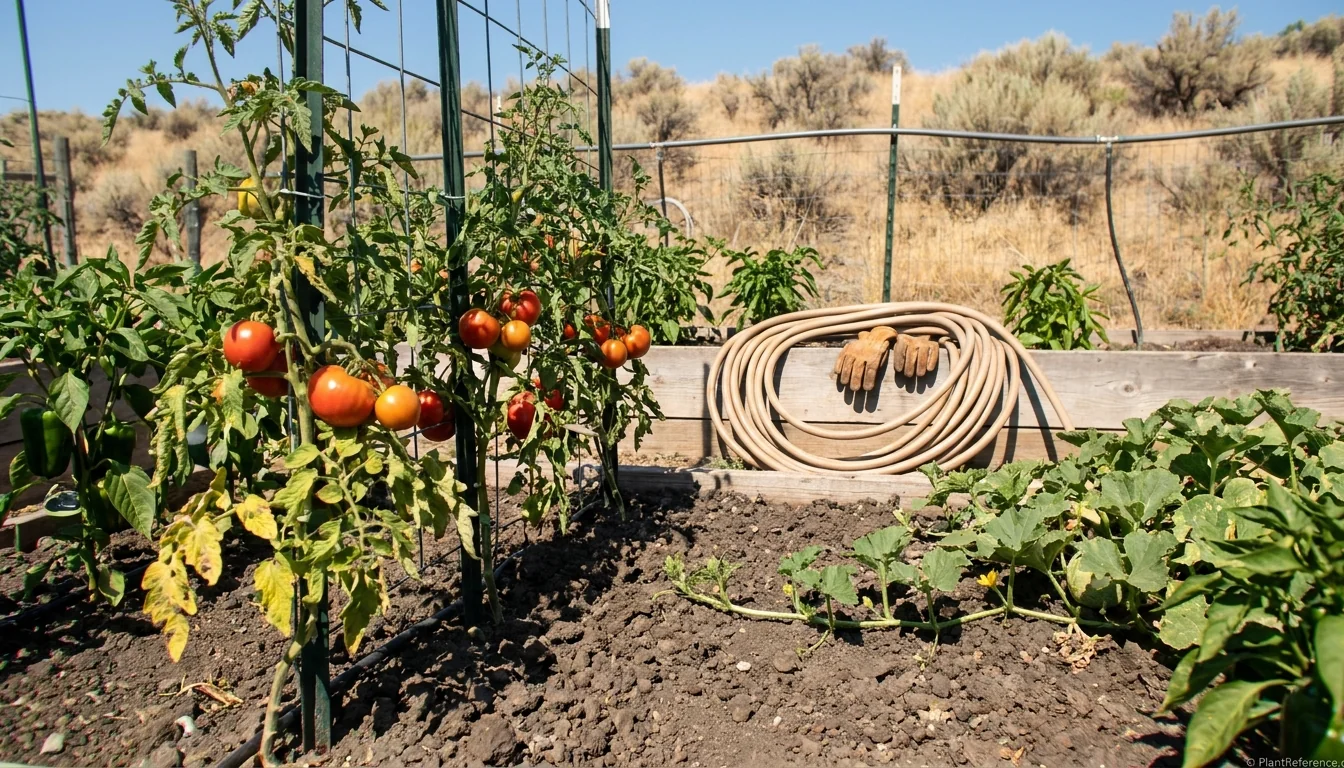
— Image © Plant Reference 2026
Gardening in the Yakima Valley means working with a climate most of the Pacific Northwest envies. While Seattle and Portland gardeners fight cool, cloudy summers, the valley's position east of the Cascades delivers hot days, abundant sun, and the accumulated heat units that genuinely ripen melons, eggplant, and full-season peppers. The trade-off is a shorter, sharper season—spring and fall frosts that vary across the valley and from year to year. Plan around your local frost risk and you can grow warm-season crops that are harder to finish in cooler sites west of the mountains.
Best Heat-Loving Vegetable Varieties for Yakima Valley's Climate
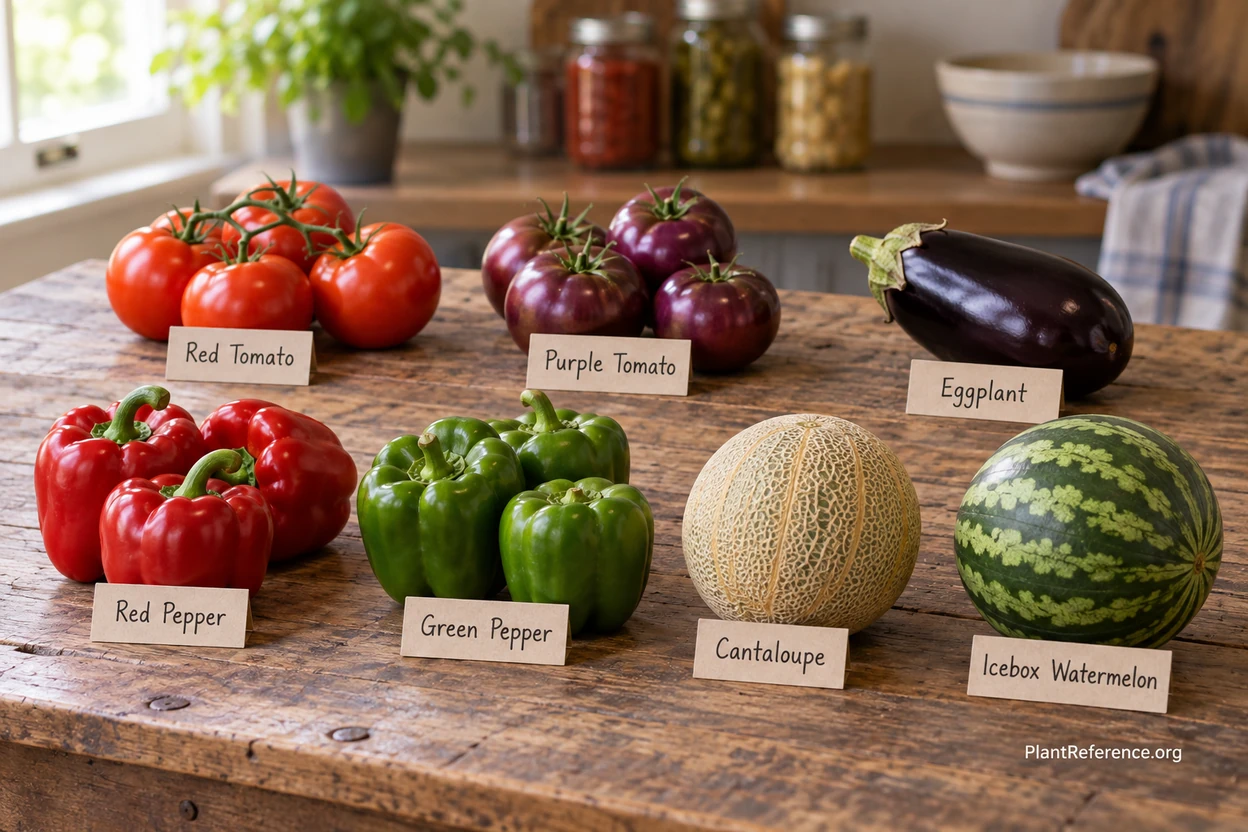
The Yakima Valley is the rare corner of Washington where heat-demanding crops have a summer advantage. Long, sunny days and warm nights push tomatoes, peppers, eggplant, and even melons toward full ripeness. Pair that heat with varieties that fit your local growing season, leaving a margin against early fall frost. Tomato, pepper and eggplant maturity counts usually start at transplanting; melon counts may start at sowing. Check the seed packet.
For tomatoes, Solanum lycopersicum (so-LAH-num ly-co-PER-si-cum) gives you room to be ambitious. 🌿Solanum lycopersicum 'Early Girl' delivers slicers in about 57 days and acts as your insurance crop. For flavor, 🌿Solanum lycopersicum 'Cherokee Purple' rewards the valley's heat with rich, full-season fruit, while Solanum lycopersicum 'Sun Gold' produces sweet cherry tomatoes by the hundreds. Canners should grow 🌿Solanum lycopersicum 'Roma' for a concentrated paste harvest.
Peppers benefit from more summer heat here than on the coast. Capsicum annuum (KAP-si-kum AN-yoo-um) benefits from warm conditions, though cold nights or excessive heat can interrupt fruit set. Capsicum annuum 'Yankee Bell' ripens to red early, 🌿Capsicum annuum 'Sweet Banana' produces heavily, and 🌿Capsicum annuum 'Jalapeño' gives reliable heat for salsa.
Eggplant is the clearest example of the valley's edge. Solanum melongena (so-LAH-num mel-on-JEE-na) demands sustained warmth, and 🌿Solanum melongena 'Ichiban' produces slender fruit in roughly 60 days, with 🌿Solanum melongena 'Black Beauty' following for classic globe types.
Melons are the showpiece. Cucumis melo (KYOO-ku-mis MEL-oh) can ripen here with enough warmth and growing time—Cucumis melo 'Hales Best Jumbo' for cantaloupe and Cucumis melo 'Minnesota Midget' for compact early fruit. For watermelon, Citrullus lanatus (si-TRUL-us la-NAY-tus) has a better chance of finishing if you choose short-season types like 🌿Citrullus lanatus 'Sugar Baby' or Citrullus lanatus 'Blacktail Mountain', the latter bred specifically for cold-night interior climates.
Crop / Variety | Days to Maturity | Best For | Notes for Yakima Valley |
|---|---|---|---|
57 days | Early slicing | Reliable insurance crop against short seasons | |
80 days | Flavor / slicing | Uses full valley heat; start indoors early | |
Capsicum annuum 'Yankee Bell' | About 60 days green; 80 days red, from transplanting | Sweet bell pepper | Ripens to red before fall frost |
60 days | Asian eggplant | Loves valley heat; needs warm soil | |
Cucumis melo 'Hales Best Jumbo' | 80-85 days | Cantaloupe | Plant through black plastic for early heat |
75-80 days | Icebox watermelon | Short-season type suited to the valley’s warm growing season |
Specific Planting Dates for Yakima Valley
Local last-frost averages are planning tools, not guarantees; as elsewhere, cold air drains downhill at night and pools in low spots, so a clear night in mid-May can still drop a frost pocket below freezing after the average date. Build a buffer into every warm-season planting.
Indoor Seed Starting
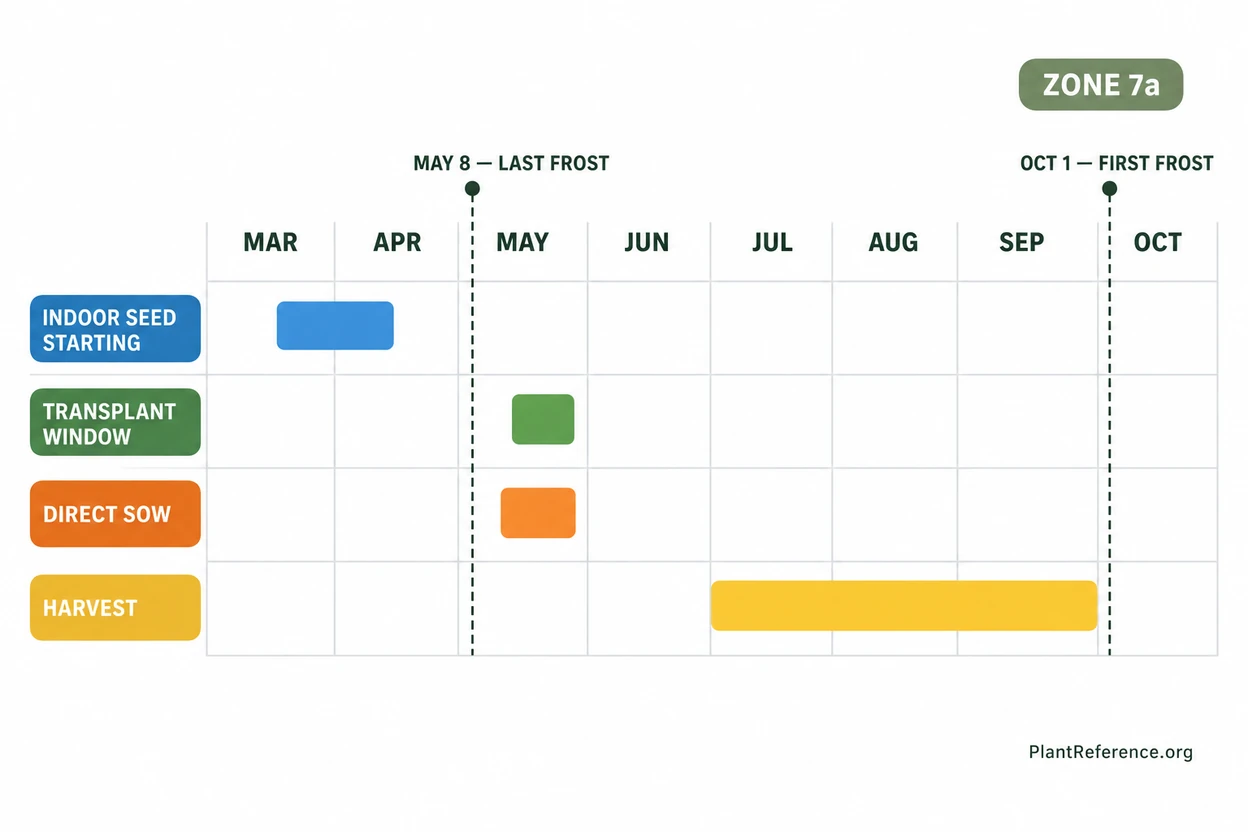
For a mid-to-late May planting, start tomatoes, peppers, and eggplant indoors around late March to early April, adjusting to the seed packet's recommended indoor growing time; slower peppers and eggplant may need an earlier start. Peppers and eggplant germinate slowly and want soil at 75-85°F (24-29°C), so a heat mat earns its keep. Keep seedlings under grow lights 14-16 hours a day once they emerge. Start melons later—late April—for a warm late-May planting, in biodegradable pots, since their roots resent disturbance and they need only three to four weeks indoors.
Transplanting Outdoors
Aim to move hardened-off transplants out mid-to-late May or later, after local frost risk has passed and soil temperature holds at least 60°F (16°C) at a 4-inch (10 cm) depth. Check nighttime forecasts too; a warm afternoon alone is not enough. Eggplant and melons prefer 65-70°F (18-21°C) and respond dramatically to pre-warmed soil. Harden every transplant over seven days, lengthening outdoor exposure gradually so the valley's intense sun and wind do not scorch tender leaves.
Direct Sowing
Direct sow warm-season crops like corn, beans, and squash mid-to-late May or later after frost risk has passed and soil is warm enough for the variety; 60°F (16°C) is a starting point, but untreated sweet-corn seed needs at least 65°F (18°C). Sweet corn such as Zea mays (ZEE-uh mayz) needs a block of at least four short rows for good pollination. Cool-season crops—lettuce, peas, spinach, radishes—go in much earlier, late March to mid-April, and again in August for fall harvests, adjusting sowing to each crop's maturity time and germination temperature. Hot soil can delay lettuce and spinach germination.
Key Date Summary
Indoor start, tomatoes/peppers/eggplant: late March - early April for a May planting; count back using the seed packet
Indoor start, melons: late April for a warm late-May garden (biodegradable pots)
Transplant warm-season crops: mid-to-late May or later, after frost risk and with warm soil (at least 60°F/16°C; warmer for eggplant and melons)
Direct sow corn, beans, squash: mid-to-late May or later; check variety soil-temperature needs
Cool-season spring sowing: late March - mid-April
Fall cool-season sowing: August, adjusted for crop maturity and soil temperature
Tender-crop season ends at the first damaging frost; check local forecasts
Complete Growing Guide for Yakima Valley
I build gardens the way I build raised beds—solve the problems before they start, and buy quality once instead of fixing it every year. In the Yakima Valley, that means planning for two realities at the same time: intense summer heat and a short shoulder season where a single cold night can end the show.
Site Selection and Soil Preparation
Pick the sunniest, most open spot you have, ideally with a gentle slope so cold air drains away instead of pooling. Avoid the low corner of the yard for tender crops. On former orchard land, follow Washington Ecology's map and lead/arsenic testing guidance before digging or growing food; ordinary nutrient tests miss these contaminants. Yakima Valley soils are often productive but can run low in organic matter, so work 2-3 inches (5-7.5 cm) of compost into the top 8 inches (20 cm) before planting. The Complete Guide to Raised Bed Gardening for Beginners (2025) Raised beds warm faster in spring and drain well, which matters because pre-warmed soil is what lets melons and eggplant get moving. Best Soil for Raised Beds: 6 Commercial Mixes Tested and Compared
Unlike the acidic maritime side of the state, interior valley soils often trend neutral to slightly alkaline. Test before you amend—you may not need lime at all, and heavy applications can push pH in the wrong direction. Raised Bed Soil pH Problems: Testing, Adjusting, and Maintaining Balance
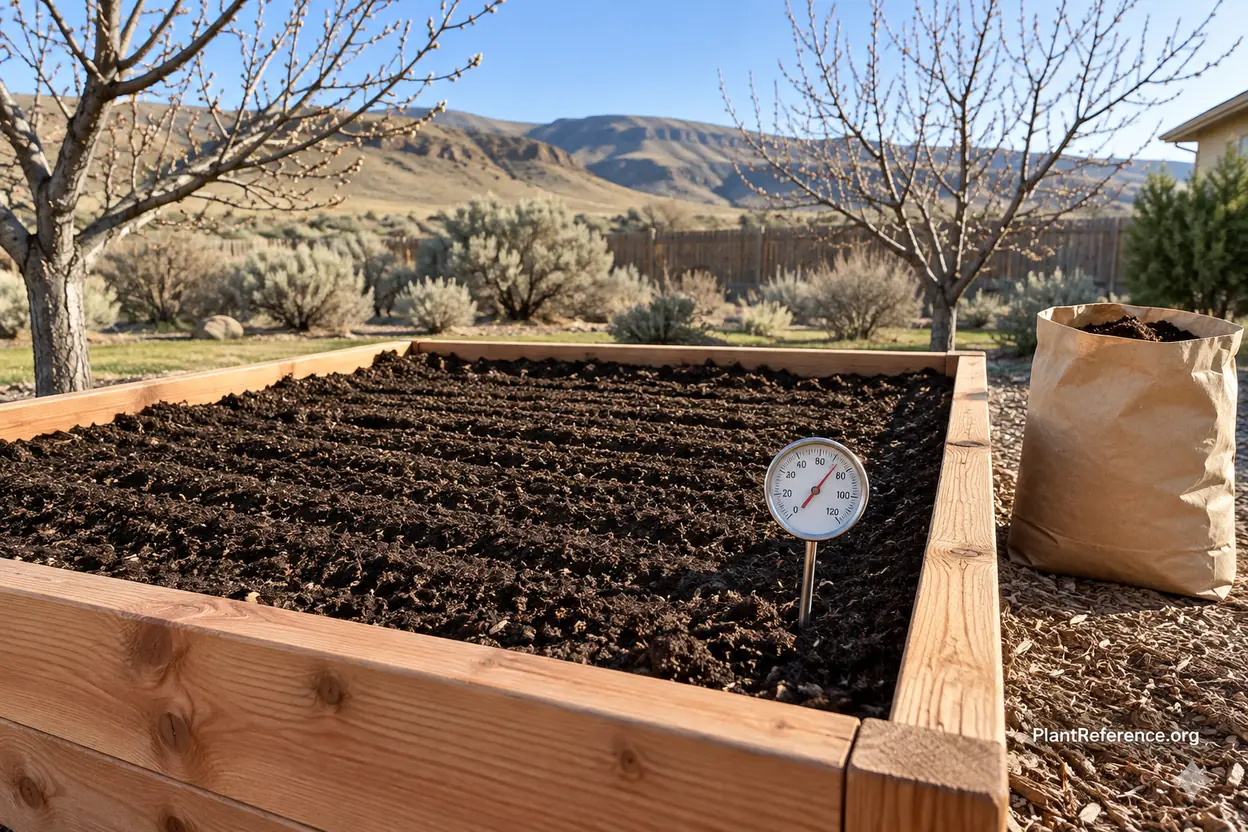
Black Plastic Mulch and Season Extension
Black plastic mulch is the valley gardener's secret weapon for melons and eggplant. Laid over beds two to three weeks before transplanting, it can raise soil temperature about 3-5°F (2-3°C) at 2-4 inches (5-10 cm) deep versus bare soil, depending on weather and soil contact. Cut X-shaped slits for transplants and run drip line underneath. Floating row covers and cloches give varying overnight protection; AG-19 is rated for about 2-4°F (1-2°C). Sealed covers keep flea beetles off young eggplant. Vent before overheating; uncover melons and squash at flowering for pollination. Raised Bed Too Hot in Summer: Protecting Plants from Heat Stress
Watering in a Dry Climate
The Yakima Valley is semi-arid—summer rain is scarce and the air is dry, so irrigation is not optional. Most vegetables need 1-1.5 inches (2.5-3.8 cm) of water per week, and during July and August heat that can climb higher. Deliver it deeply and infrequently through drip irrigation or soaker hoses to push roots down into cooler, moister soil. Raised Bed Irrigation Systems: Watering Solutions for Consistent Growth Water in the early morning, and mulch with 2-3 inches (5-7.5 cm) of straw or wood chips around heat-loving crops once soil has warmed to reduce evaporation. Consistent moisture also helps reduce blossom-end rot in tomatoes and peppers, which dry-cycle swings make worse.
Feeding and Support
Tomatoes and peppers are heavy feeders. Side-dress when plants begin setting fruit if needed, using soil-test results and fertilizer label rates to choose the nutrients; add extra potassium only if needed. Cage or stake tomatoes early—valley afternoon winds can snap an unsupported plant loaded with fruit. When to Plant Tomatoes in Seattle: Complete Guide + Best Varieties for Zone 8b Give melons and squash room to run, or train smaller melons up a sturdy trellis with fabric slings under the fruit. Raised Bed Vegetable Garden Layout: Planning for Maximum Production
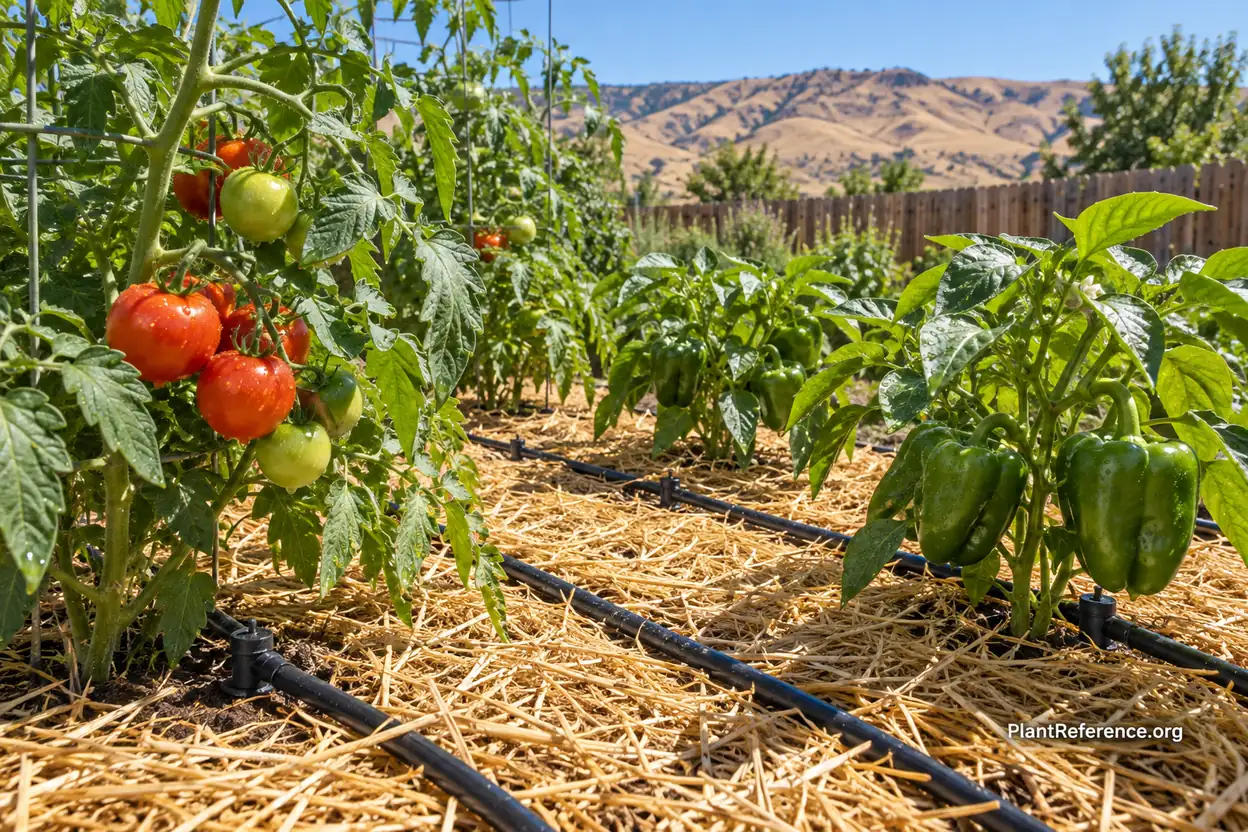
Troubleshooting Yakima Valley-Specific Problems
Late-Spring and Early-Fall Frosts
The valley's biggest risk is not summer—it is the shoulders. Cold air pooling in low spots can bring a freeze after the local average last frost or before the average first fall frost, and orchardists across the region know how a single late freeze ruins fruit-tree blossoms. Keep row covers and cloches within reach through late May, and watch the forecast for clear, calm nights. In fall, a covered bed can sometimes buy extra time for a melon to finish, depending on the freeze and the cover. Pacific Northwest Gardening Guide: Climate, Soil & Plant Selection
Heat Stress and Blossom Drop
When valley temperatures push past 90-95°F (32-35°C), tomatoes and peppers can lose blossoms as heat disrupts pollination and flower development. You cannot stop a heat wave, but 30-40% shade cloth over the bed during extreme stretches can reduce heat stress. Steady soil moisture is just as important—plants under combined heat and drought stress drop the most flowers.
Flea Beetles and Spider Mites
Hot, dusty conditions favor spider mites, which stipple eggplant and bean leaves and thrive when plants are dry-stressed. A strong morning spray of water on leaf undersides knocks populations down. Flea beetles chew tiny shot-holes in young eggplant and brassicas; floating row covers over transplants are the cleanest defense during the first few weeks. Raised Bed Pest Problems: Identification and Organic Control Methods
Sunscald on Peppers and Tomatoes
The valley's strong, direct sun can scald exposed fruit, leaving pale, papery patches. Keep enough leaf canopy by avoiding heavy pruning, and let cages support foliage that shades developing fruit. Light shade cloth during the most intense weeks protects peppers, which are especially prone to sunscald once their shoulders are exposed.
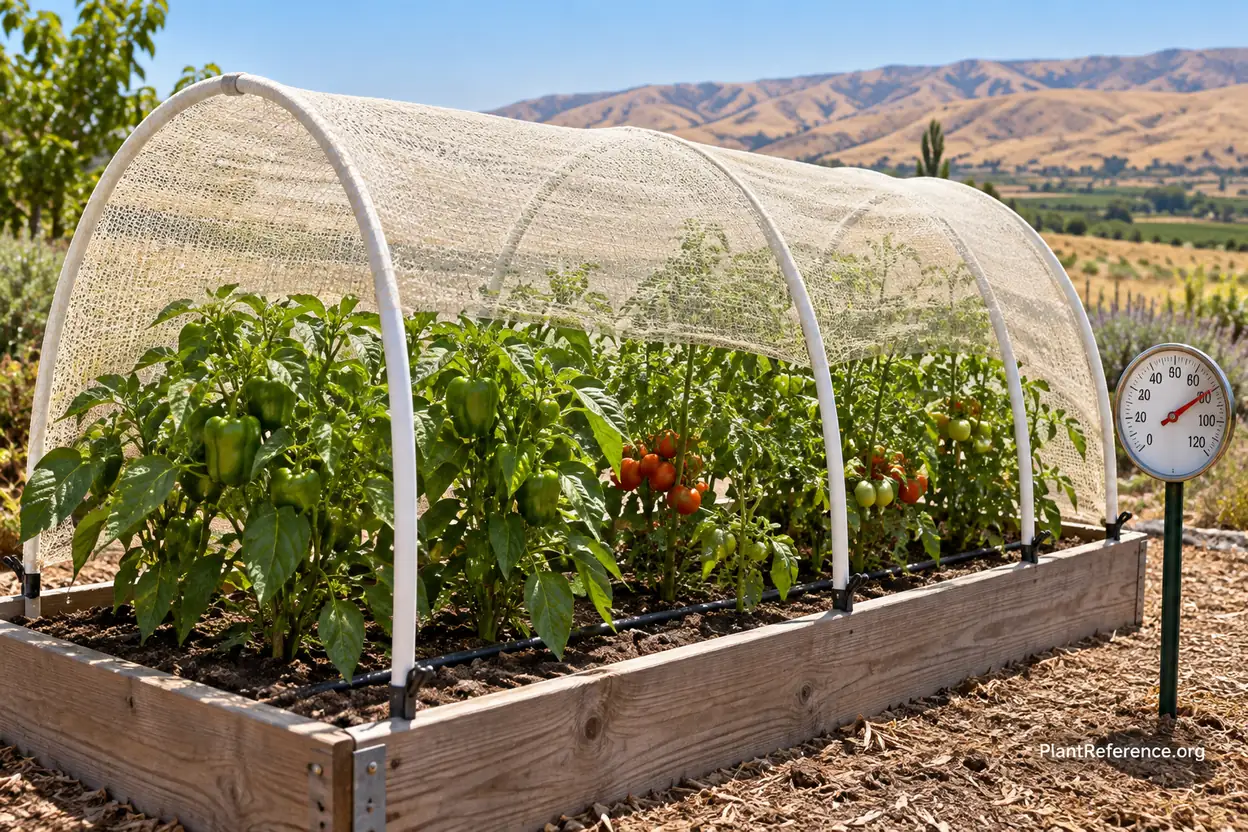
Harvest & Storage
Check warm-season crops daily once they begin ripening—valley heat moves fruit fast. Pick 🌿Solanum lycopersicum 'Early Girl' and 🌿Solanum lycopersicum 'Cherokee Purple' when fully colored but still firm, and harvest Solanum lycopersicum 'Sun Gold' as the cherries turn deep gold. Cut peppers like Capsicum annuum 'Yankee Bell' with pruners rather than pulling, taking them green or letting them ripen to red for more sweetness. When to Plant Peppers in Seattle: Complete Guide + Best Varieties for Zone 8b
Harvest 🌿Solanum melongena 'Ichiban' while the skin is glossy—dull skin means it is past its prime. Cantaloupe such as Cucumis melo 'Hales Best Jumbo' is ready when it slips easily from the vine and smells sweet at the stem; thump 🌿Citrullus lanatus 'Sugar Baby' for a dull, hollow tone and check that the ground spot has turned creamy yellow.
Ripen whole tomatoes at room temperature, where they develop flavor; refrigerate cut tomatoes promptly at 40°F (4°C) or below. Peppers and eggplant keep about a week in the crisper drawer. Cure most winter squash at 80-85°F (27-29°C) and 80-85% relative humidity with ventilation; do not cure acorn squash. Dry onions in a warm, dry, ventilated spot before storage. For a steady kitchen supply, pair these heat lovers with a fall planting of quick cool-season greens. When to Plant Kale in Seattle: Complete Guide + Best Varieties for Zone 8b
Frequently Asked Questions
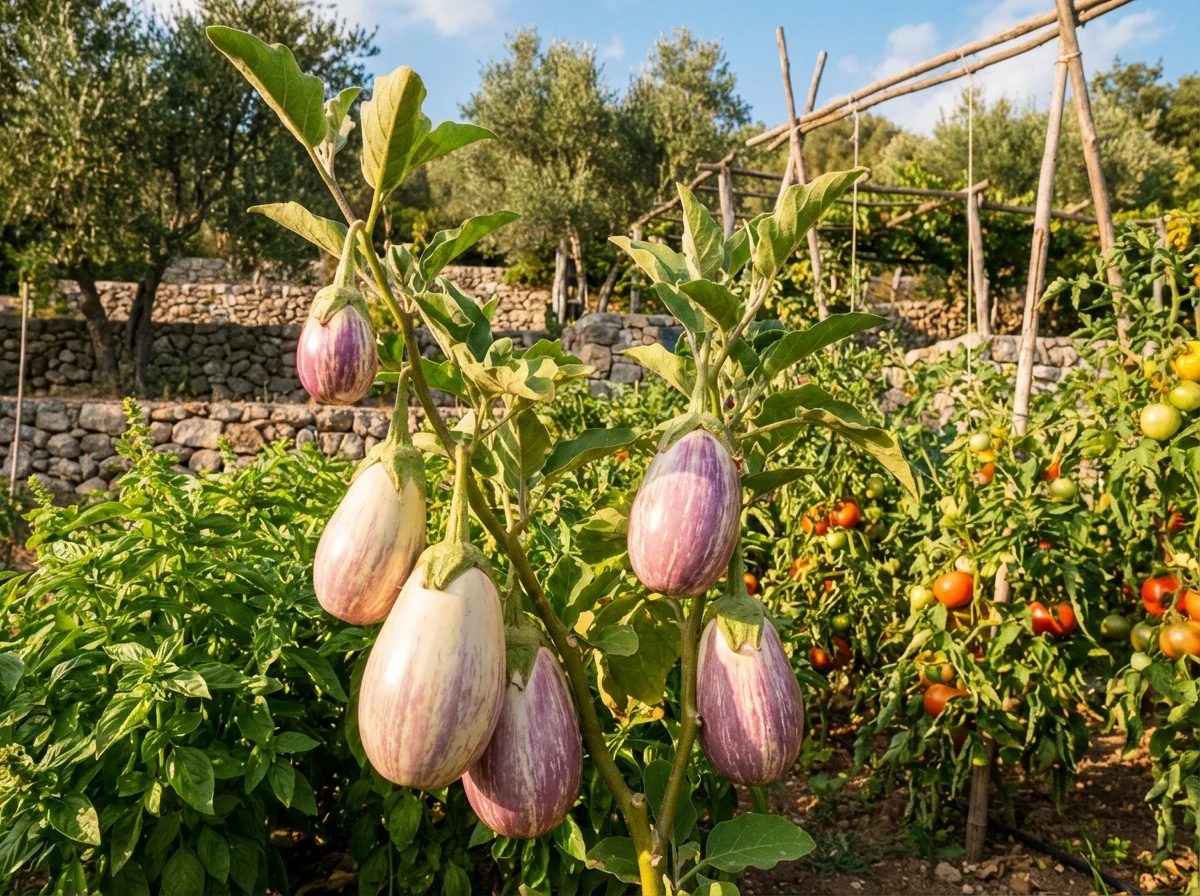
Reading about plants and recognising them are different skills. These three build the second.
- Daily PlantIdentify the day’s mystery plant from a close-up photograph.
- Keyed OutWork a dichotomous key, lead by lead, to name a hidden specimen.
- Name That PlantName a specimen from botanical clues dealt hardest first.
Free to play, no account needed
Tagged with
Mike's been designing residential landscapes in the Seattle area, with a particular focus on Pacific Northwest natives and sustainable practices. He's a Washington State Master Gardener and worked in construction before landscaping, which gives him a practical edge when it comes to building raised beds and hardscaping projects. He runs a small side business propagating and selling unusual perennials at farmers markets on weekends. His property serves as a testing ground for low-maintenance, wildlife-friendly garden designs. Mike's philosophy: if it requires weekly maintenance, it's not sustainable.