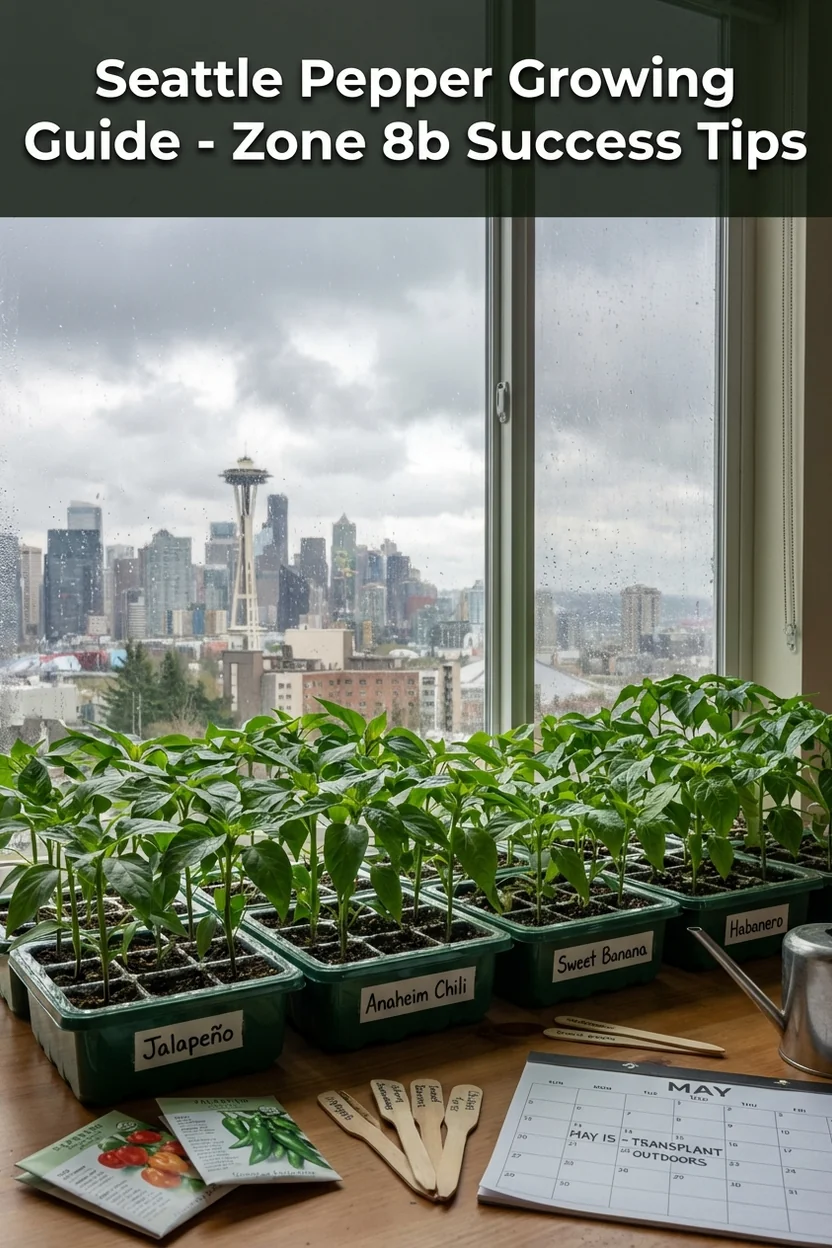
When to Plant Peppers in Seattle: Complete Guide + Best Varieties for Zone 8b
Pets & Toxicity
Recorded toxicity for plants linked in this guide. An unknown status is not a safety assessment.
Toxic to pets: Carolina reaperDetailsHide
Capsicum annuum 'California Wonder' — Toxicity
Non-toxicView Capsicum annuum 'California Wonder' plant profileCapsicum chinense 'Carolina Reaper' — Toxicity Warning
Toxic to petsView Capsicum chinense 'Carolina Reaper' plant profile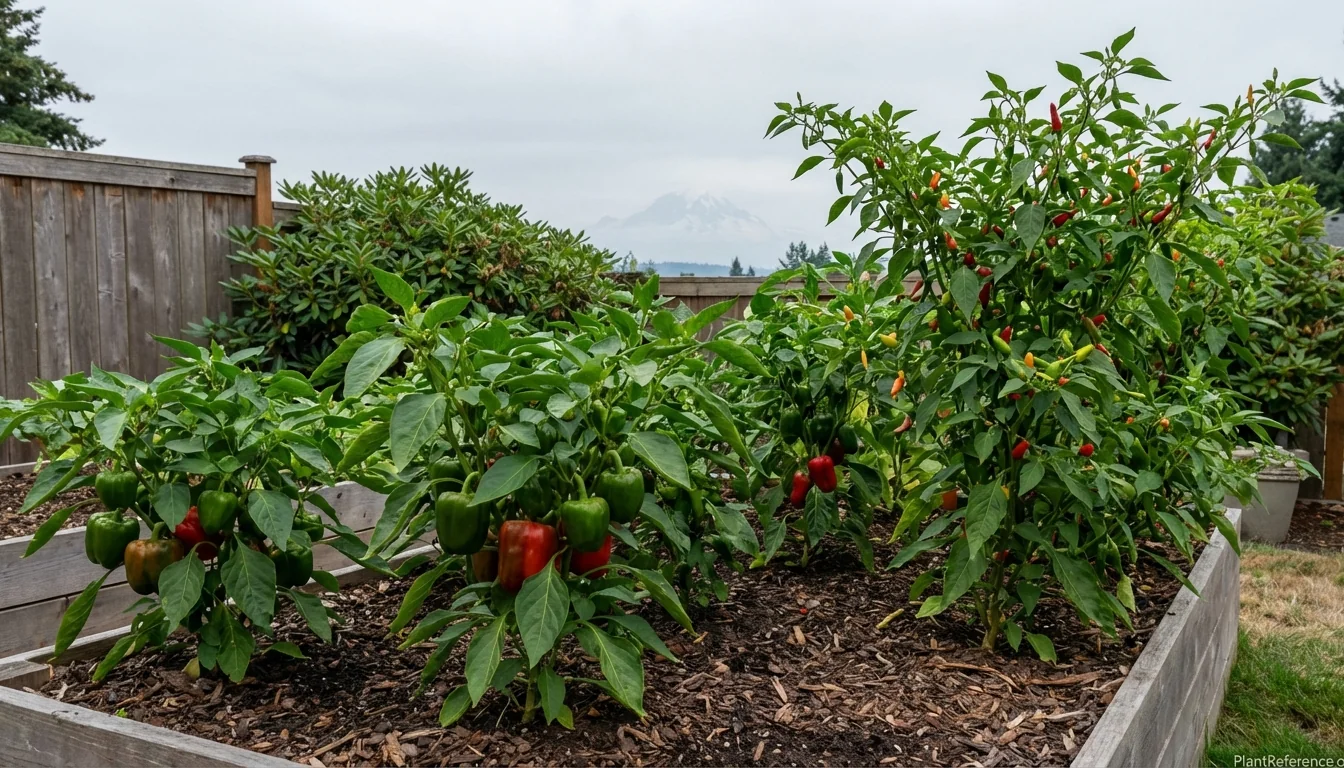
— Image © Plant Reference 2026
Growing peppers in Seattle might seem challenging with our cool, cloudy summers, but I've been doing it successfully for over thirty years. The key is working with our unique Zone 8b maritime climate instead of fighting it.
Best Pepper Varieties for Seattle's Climate
Seattle's maritime climate brings unique challenges for pepper growing. Our cool nights (often staying in the 50s even in summer) and limited heat units mean variety selection is critical for success.
After testing dozens of varieties over the years, I've learned that thin-walled peppers and early-maturing types consistently outperform large bells and superhot varieties in our climate.
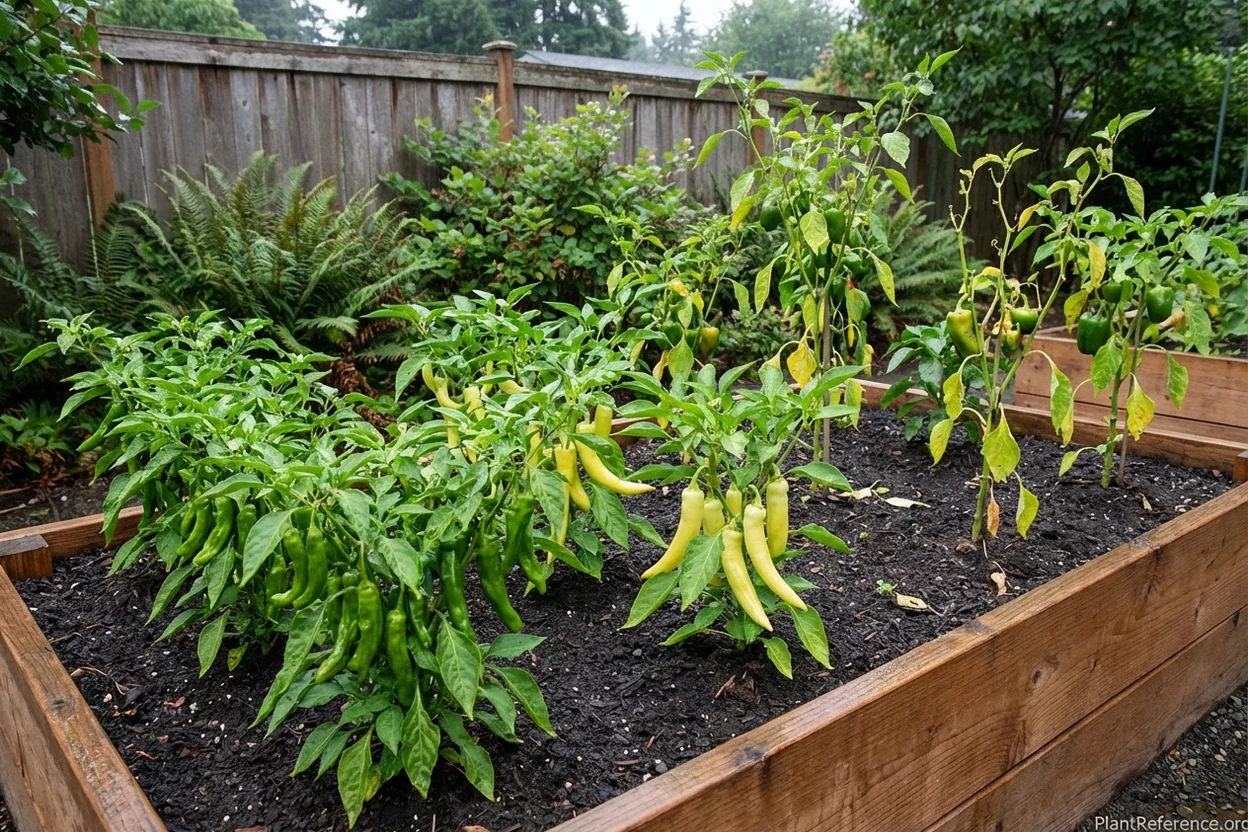
Variety | Days to Maturity | Best For | Notes for Seattle |
|---|---|---|---|
60-70 days | Stir-frying, tempura | Perfect for Zone 8b short heat season | |
65-75 days | Fresh eating, pickling | Reliable producer in cool summers | |
65-75 days | Salsa, canning | Matures before cool fall weather | |
70-80 days | Specialty cooking | Variegated leaves add garden interest | |
70-75 days | Pickling, fresh | Good cool-weather tolerance | |
65-75 days | Sweet pepper substitute | AAS winner, adapted to cool climates | |
75-85 days | Stuffing, fresh | Needs wall protection for best results | |
90-120 days | Hot sauce | Challenging in Seattle; container-only |
Top Performers for Seattle
Capsicum annuum 'Shishito' This Japanese variety is absolutely perfect for Seattle. The thin walls dry quickly after rain, preventing rot, and plants produce heavily even with cool nights. Harvest while green for the classic blistered appetizer.
Capsicum annuum 'Sweet Banana' These yellow wax peppers are incredibly reliable in our climate. They set fruit consistently even when nights stay in the 50s, something bell peppers won't do.
Capsicum annuum 'Early Jalapeño' Choose early strains specifically. Standard jalapeños often fail to ripen fully before our wet fall weather arrives.
Varieties to Avoid in Seattle
Large bell peppers like 🌿Capsicum annuum 'California Wonder' need more heat than Seattle typically provides. They'll grow but rarely ripen fully before November. Superhot varieties like 🌿Capsicum chinense 'Carolina Reaper' are nearly impossible without greenhouse protection.
Specific Planting Dates for Seattle
Seattle's Zone 8b classification is misleading - our last frost averages March 14, but cool soil temperatures persist much longer. Here's my tested timeline:
Indoor Seed Starting: January 14-28
Start pepper seeds 10-12 weeks before transplanting. In Seattle, this means mid to late January. Use bottom heat to maintain 80-85°F soil temperature for germination.
Why so early? Peppers need warm weather to ripen fruit. Starting early gives maximum growing time before fall rains and cool weather return.
Hardening Off: April 14-21
Begin hardening seedlings when daytime temperatures consistently reach 60°F. Seattle's cool spring means this process takes longer than warmer climates.
Transplant Outdoors: April 28 - May 5
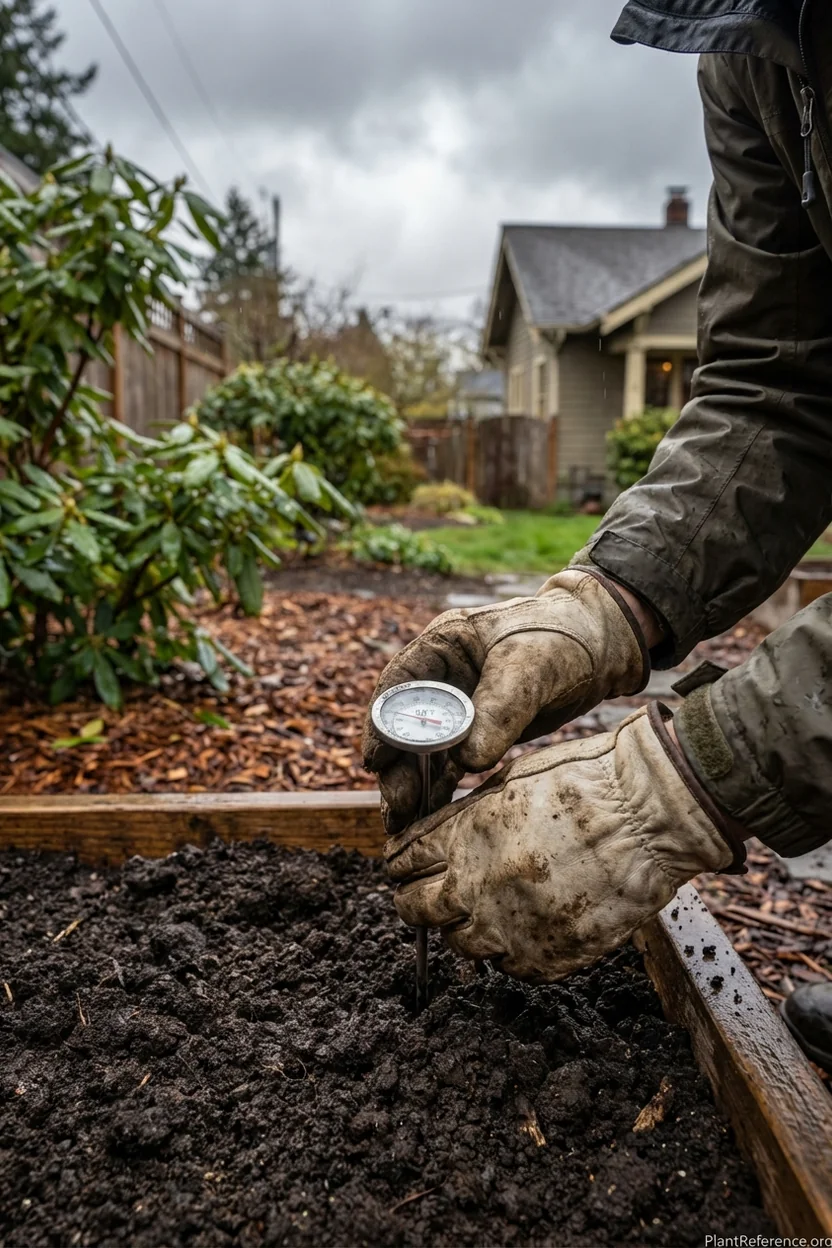
Critical temperature thresholds: - Soil temperature: 60°F minimum at 4-inch depth - Night temperatures: Above 50°F consistently - Day temperatures: Above 65°F
Even though our average last frost is March 14, soil temperatures don't warm sufficiently until late April or early May.
Growing Season Timeline
May: Transplant and establish June-July: Flowering and early fruit set August-September: Main harvest period October: Final harvest before rains return November 14: Average first frost ends season
With 245 frost-free days, Seattle has adequate time for pepper varieties that mature in 75 days or less.
Complete Growing Guide for Seattle
Site Selection and Microclimate Creation
In Seattle, microclimate management is everything. I've found these strategies essential:
South-facing walls: Plant peppers against south or southwest-facing walls or fences. The thermal mass absorbs heat during sunny periods and radiates it back during cool nights.
Wind protection: Our prevailing westerly winds can stress plants. Use taller plants or structures to create windbreaks.
Drainage: Seattle's heavy clay soils need amendment. Add compost and coarse sand to improve drainage and prevent root rot during wet periods.
Soil Preparation
Seattle's native soils are often acidic (pH 5.5-6.0) and clay-heavy. Peppers prefer pH 6.0-6.8 and well-draining soil.
Amendments needed: - Compost: 2-3 inches mixed into top 8 inches - Lime: Apply in fall to raise pH gradually - Coarse sand or perlite: Improve drainage in clay soils
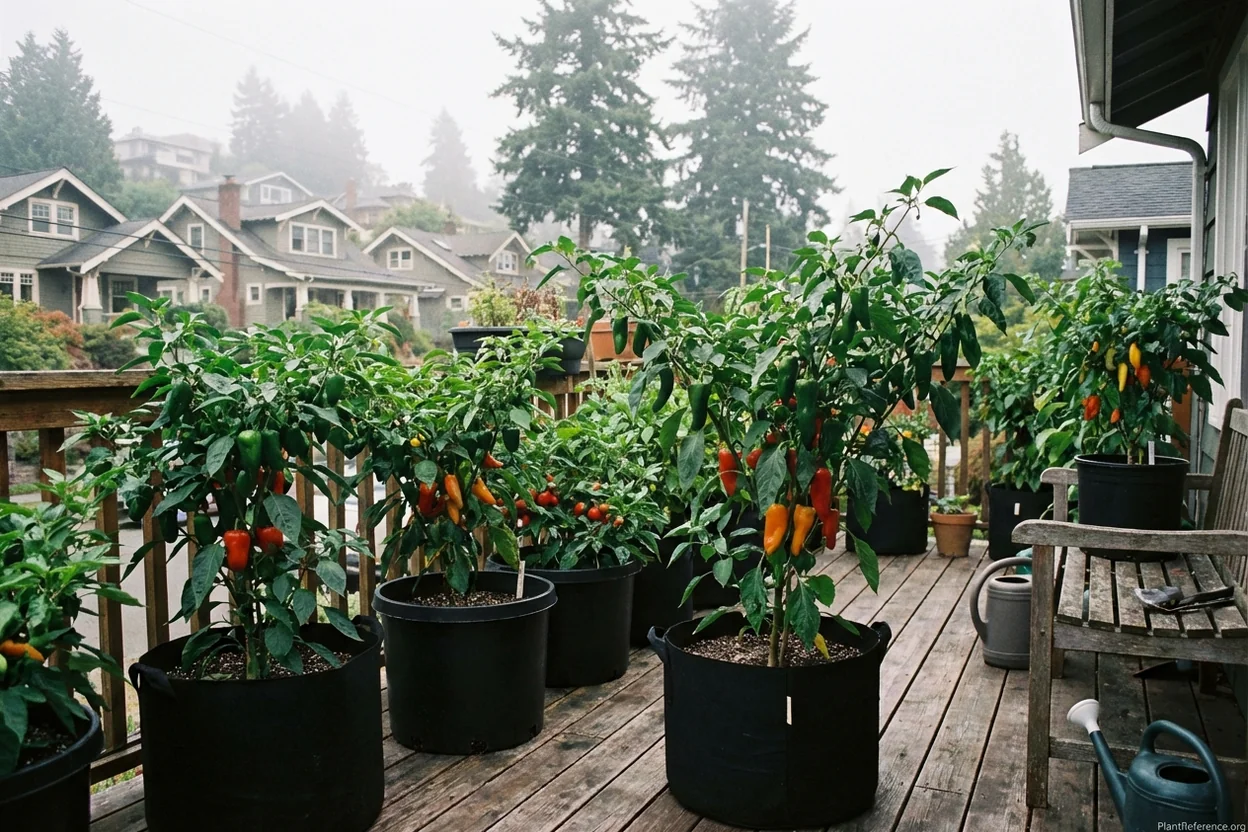
Container Growing Advantage
I actually recommend container growing for many Seattle gardeners. Black containers absorb solar heat, warming the root zone faster than ground soil. This gives you 2-3 weeks longer growing season at both ends.
Container specifications: - Minimum 5-gallon capacity - Black color for heat absorption - Excellent drainage holes
Watering and Feeding
Seattle's wet winters and dry summers create unique watering challenges:
Spring (April-June): Water sparingly. Our natural rainfall provides most moisture needs.
Summer (July-September): Deep, infrequent watering. Seattle summers are drier than people think - we often get only 1-2 inches of rain July through September.
Fertilizing: Use balanced fertilizer (10-10-10) monthly during growing season. Avoid high-nitrogen fertilizers that promote leafy growth over fruit production.
Protection Strategies
Row covers: Use during cool spells, especially in May and early June when night temperatures can still drop to the 40s.
Plastic mulch: Black plastic mulch warms soil and suppresses weeds. Particularly valuable in Seattle's cool climate.
Cloches and season extenders: Individual plant protection can extend the season 2-4 weeks in fall.
Troubleshooting Seattle-Specific Problems
Seattle's maritime climate creates specific challenges you won't find in continental climates.
Slow Growth and Stunting
Symptoms: Plants remain small, leaves turn purple, minimal flowering
Cause: Cool soil temperatures below 60°F inhibit root function and nutrient uptake
Solutions: - Use black plastic mulch to warm soil - Consider raised beds for better drainage and warming - Switch to container culture with black pots
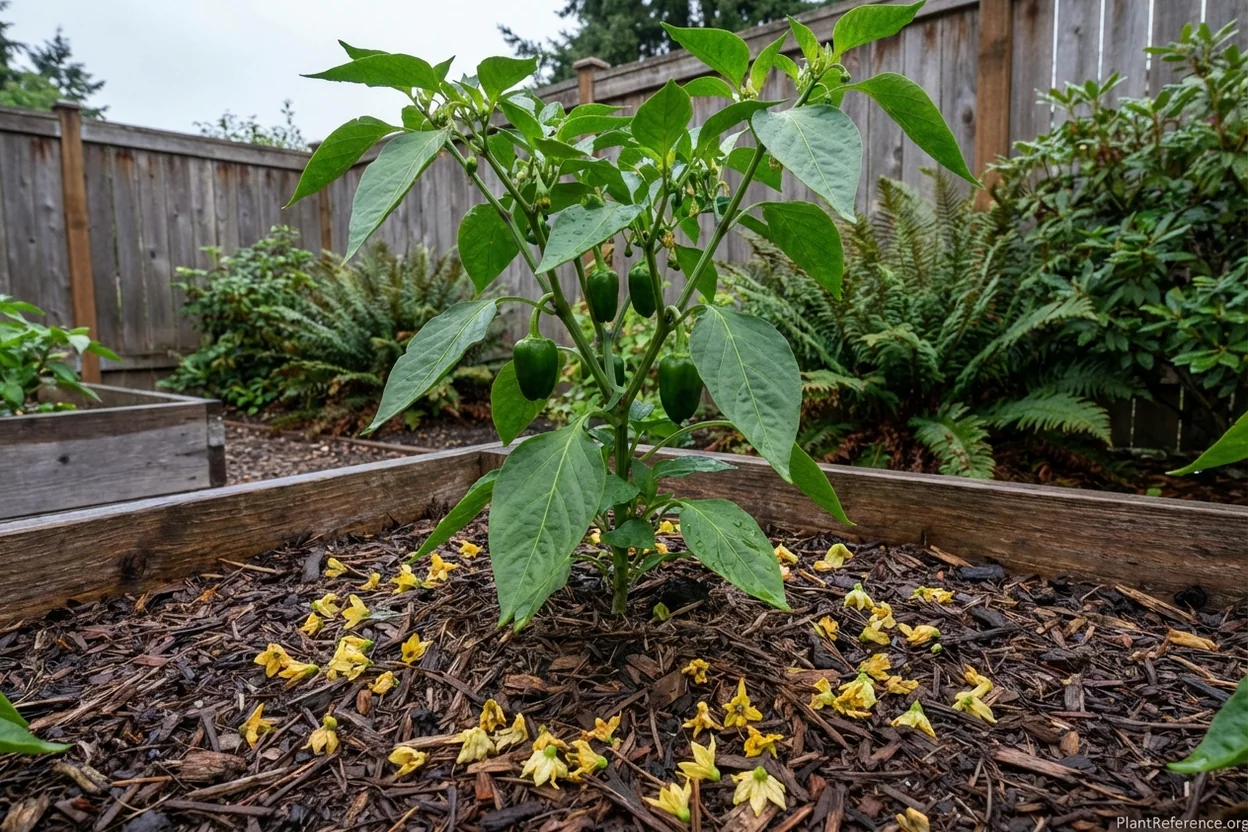
Poor Fruit Set
Symptoms: Flowers drop without forming fruit
Cause: Cool nights below 55°F prevent proper pollination
Solutions: - Choose varieties tolerant of cool nights (Shishito, Sweet Banana) - Provide microclimatic protection near warm surfaces - Hand pollinate during cool periods
Fungal Diseases
Symptoms: Spots on leaves, fruit rot, wilting
Cause: High humidity and poor air circulation during wet periods
Solutions: - Space plants wider than recommendations (24-30 inches apart) - Ensure good air circulation - Water at soil level, not overhead - Apply preventive copper fungicide if needed
Incomplete Ripening
Symptoms: Peppers remain green or ripen unevenly
Cause: Insufficient heat units during growing season
Solutions: - Harvest green and ripen indoors - Choose early-maturing varieties - Use season extension techniques
Harvest & Storage
Seattle's pepper harvest timing differs from warmer regions due to our unique fall weather patterns.
When to Harvest
Green harvest: Begin harvesting in August for varieties like jalapeños that are used green
Color harvest: Wait for full color change, usually September-October
Final harvest: Complete harvest by early November before heavy rains return
Extending the Season
Cover plants when temperatures drop below 45°F. Many peppers can continue ripening into November with protection.
Storage Methods
Fresh storage: Refrigerate harvested peppers up to 2 weeks
Freezing: Blanch and freeze for cooking use
Drying: Thin-walled varieties like Shishito dry well in our low-humidity late summer
Green tomato method: Harvest green peppers before frost and ripen indoors in paper bags with apples
The key to success with peppers in Seattle is working with our climate's strengths - our long, moderate growing season - while compensating for our weaknesses through variety selection and microclimate management.
Frequently Asked Questions
Reading about plants and recognising them are different skills. These three build the second.
- Daily PlantIdentify the day’s mystery plant from a close-up photograph.
- Keyed OutWork a dichotomous key, lead by lead, to name a hidden specimen.
- Name That PlantName a specimen from botanical clues dealt hardest first.
Free to play, no account needed
Mike's been designing residential landscapes in the Seattle area, with a particular focus on Pacific Northwest natives and sustainable practices. He's a Washington State Master Gardener and worked in construction before landscaping, which gives him a practical edge when it comes to building raised beds and hardscaping projects. He runs a small side business propagating and selling unusual perennials at farmers markets on weekends. His property serves as a testing ground for low-maintenance, wildlife-friendly garden designs. Mike's philosophy: if it requires weekly maintenance, it's not sustainable.