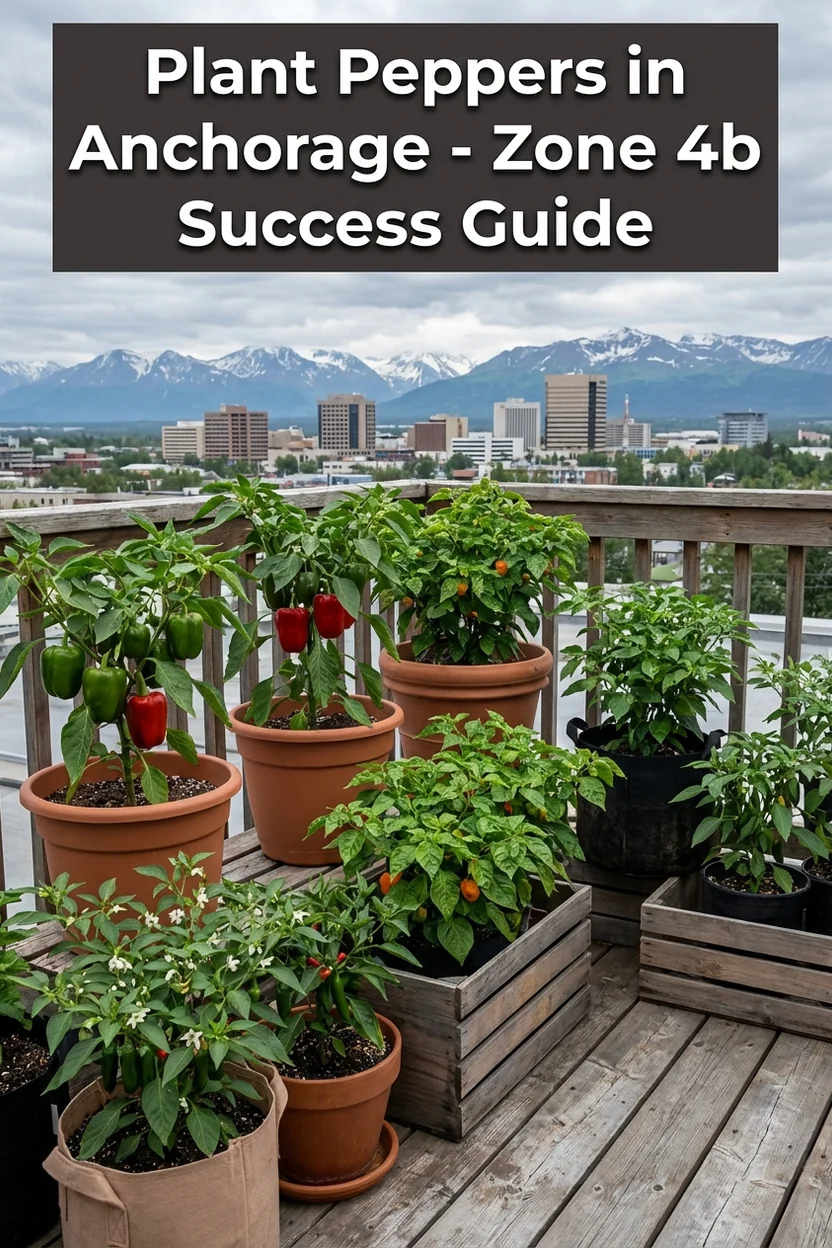
When to Plant Peppers in Anchorage: Complete Guide + Best Varieties for Zone 4b
Pets & Toxicity
Recorded toxicity for plants linked in this guide. An unknown status is not a safety assessment.
No linked plant is recorded as toxicDetailsHide
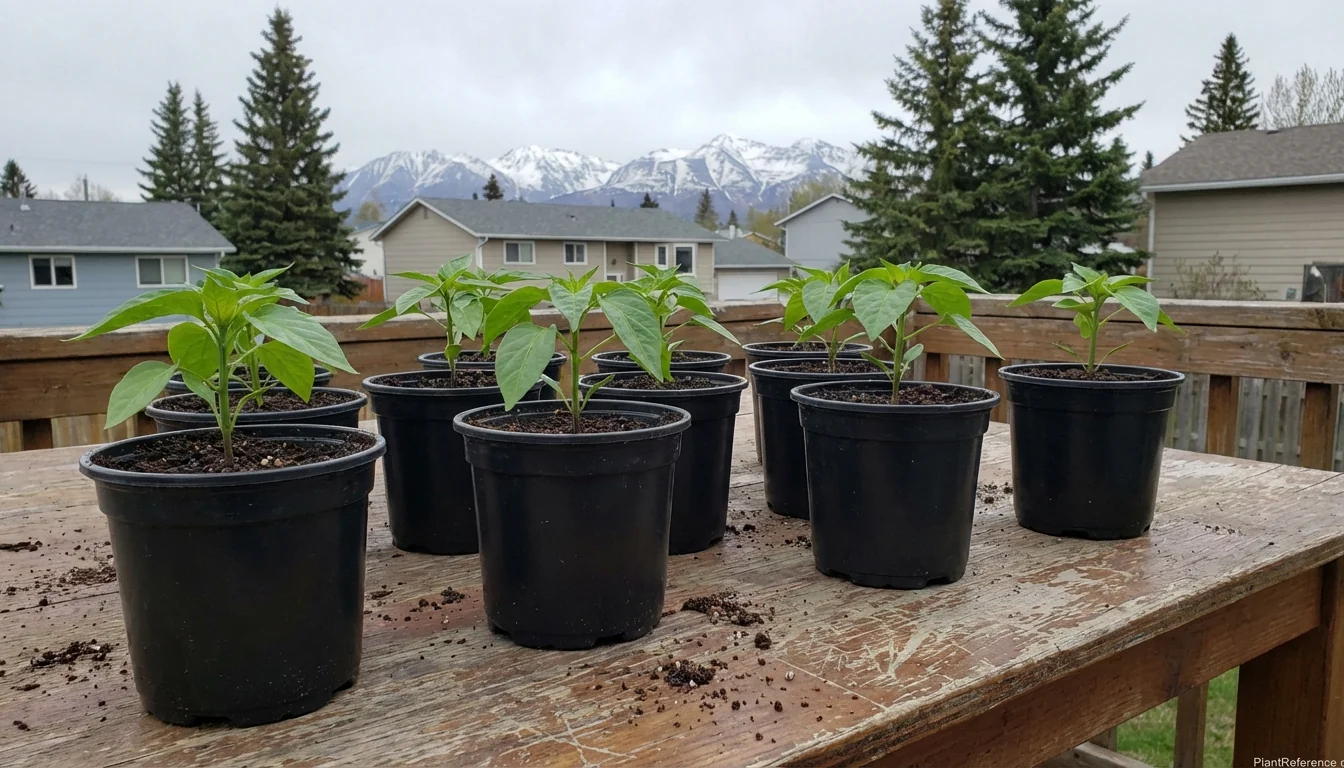
— Image © Plant Reference 2026
Growing peppers in Anchorage requires working within Alaska's extreme constraints—just 118 frost-free days and soil that doesn't warm until late May. After forty years of vegetable gardening, I'll tell you straight: success with peppers in Zone 4b demands aggressive season extension and smart variety selection.
Best Pepper Varieties for Anchorage's Climate
Anchorage gardeners must choose pepper varieties based on one crucial factor: days to maturity. With only 118 days between the average last frost (May 20) and first frost (September 15), you're in a race against time. Forget about growing habaneros or large bell peppers—they need 90-120 days and warm soil temperatures we simply don't get reliably.
I've tested dozens of pepper varieties in Alaska's challenging climate, and these six consistently produce harvests before September frosts hit:
Variety | Days to Maturity | Best For | Notes for Anchorage |
|---|---|---|---|
60-70 days | Quick harvest | Perfect for Zone 4b short season | |
65-75 days | Pickling/fresh | Cold-tolerant, reliable producer | |
70-80 days | Salsa/cooking | Faster than standard Jalapeño | |
65-75 days | Unique variety | Variegated leaves, cold-hardy | |
70-80 days | Hot sauce | Thin walls, fast ripening | |
Capsicum annuum 'Lipstick' | 75-85 days | Sweet pepper | Small, thick-walled alternative to bells |
The 🌿Capsicum annuum 'Shishito' tops my list because it starts producing usable peppers at 60 days and continues until frost. These small, wrinkled peppers are traditionally harvested green and have become incredibly popular. About one in ten pods will surprise you with heat, but most are mild and sweet.
🌿Capsicum annuum 'Sweet Banana' deserves special mention for Anchorage growers. This variety tolerates cool soil better than most peppers and produces pale yellow fruits that ripen to red. The thin walls mean faster ripening—crucial when you're racing against September frost.
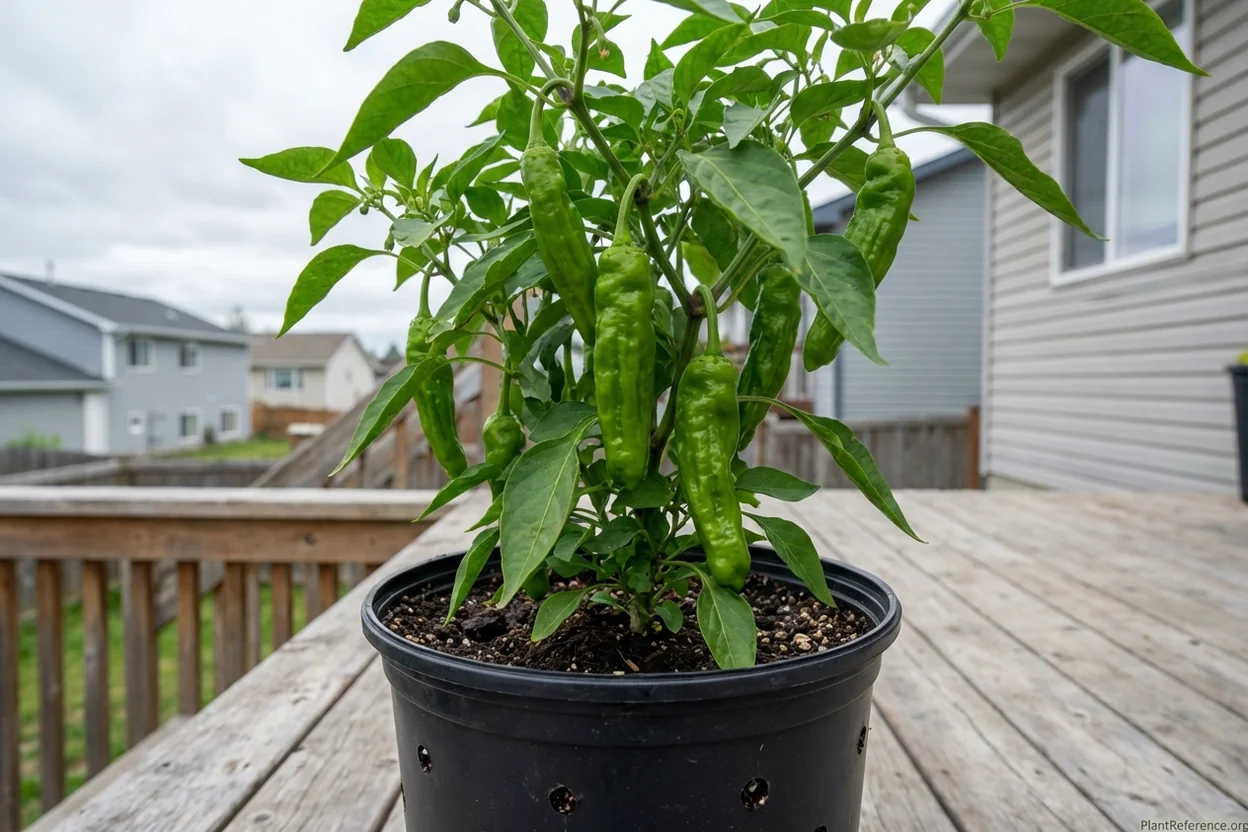
For hot pepper lovers, 🌿Capsicum annuum 'Hungarian Hot Wax' works better than cayenne in our climate. The thin walls ripen faster, and the plants stay compact—important when you're growing in containers that need protection.
Avoid these common mistakes: Don't try growing standard bell peppers, habaneros, or any pepper requiring more than 85 days to maturity. I've watched too many Anchorage gardeners waste their short season on varieties that never ripen.
Specific Planting Dates for Anchorage
Timing is everything when growing peppers in Anchorage. Here's my tested schedule that maximizes your 118-day growing window:
Indoor Seed Starting: March 22-29 Start seeds 8 weeks before transplant date. Pepper seeds need soil temperatures of 80-85°F (27-29°C) to germinate reliably. Use a heat mat—without it, your seeds may rot in cool soil.
Hardening Off: May 10-20 Begin hardening off process 10 days before transplant. Alaska's temperature swings can shock plants, so gradual acclimation is critical.
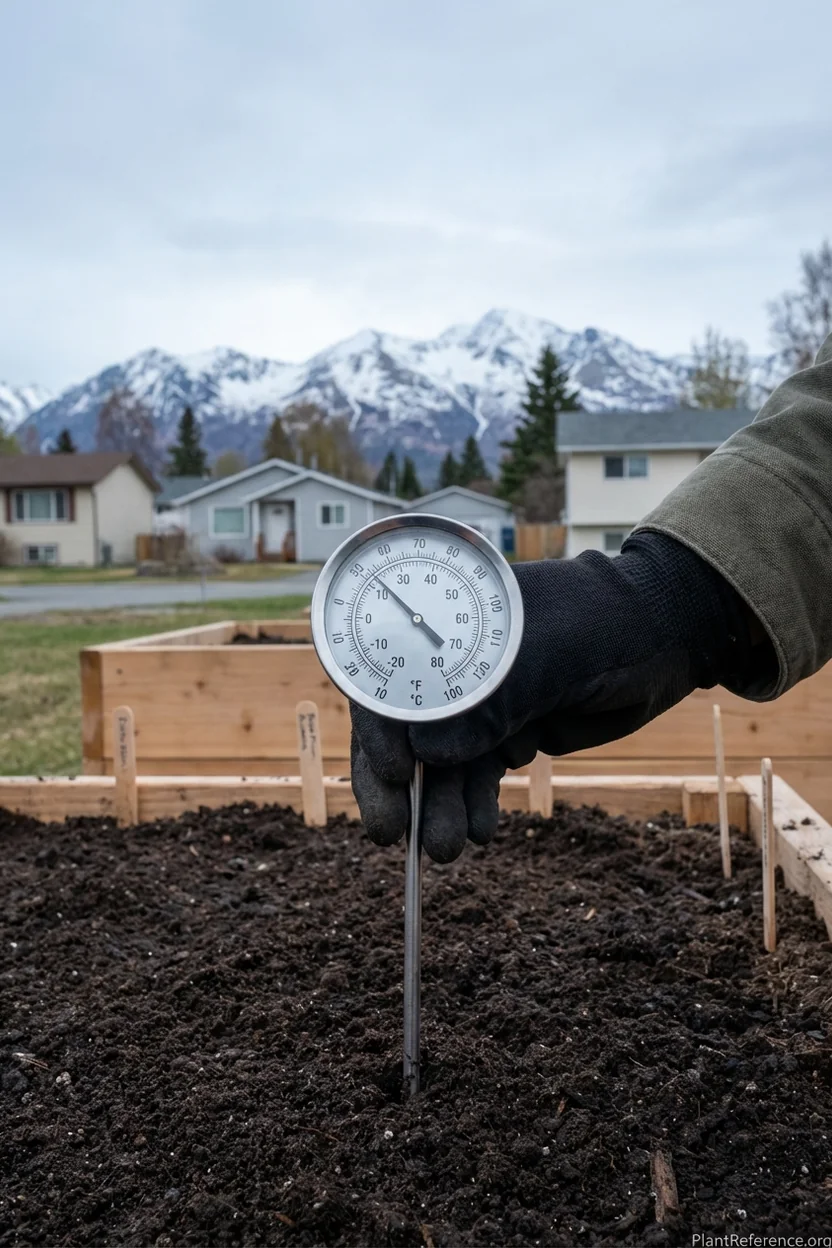
Transplant Outdoors: May 27-June 3 Wait until soil temperature reaches 60°F (16°C) consistently. Transplanting into cold soil causes "sulking"—plants stall and may never recover fully.
First Harvest: July 27-August 10 Shishito and Sweet Banana varieties start producing. Early Jalapeño follows 1-2 weeks later.
Final Harvest: September 10-15 Complete harvest before first frost. Green peppers won't ripen once nighttime temperatures drop below 55°F (13°C).
The key insight for Anchorage: you can't plant by calendar dates alone. Soil temperature matters more than air temperature. I've seen May 20th come and go with soil still at 45°F—planting then guarantees failure.
Complete Growing Guide for Anchorage
Success with peppers in Anchorage requires aggressive heat accumulation strategies. Think of yourself as creating a microclimate that mimics Zone 6 conditions.
Container Growing (Recommended) Growing peppers in large containers gives you crucial advantages in Anchorage. Use 5-7 gallon black plastic pots—the black color absorbs solar radiation and warms the root zone faster than soil. Position containers against south-facing walls where they receive reflected heat.
I move my pepper containers into the garage during late August cold snaps, extending the harvest by 2-3 weeks. This technique alone can mean the difference between green tomatoes and ripe red ones.
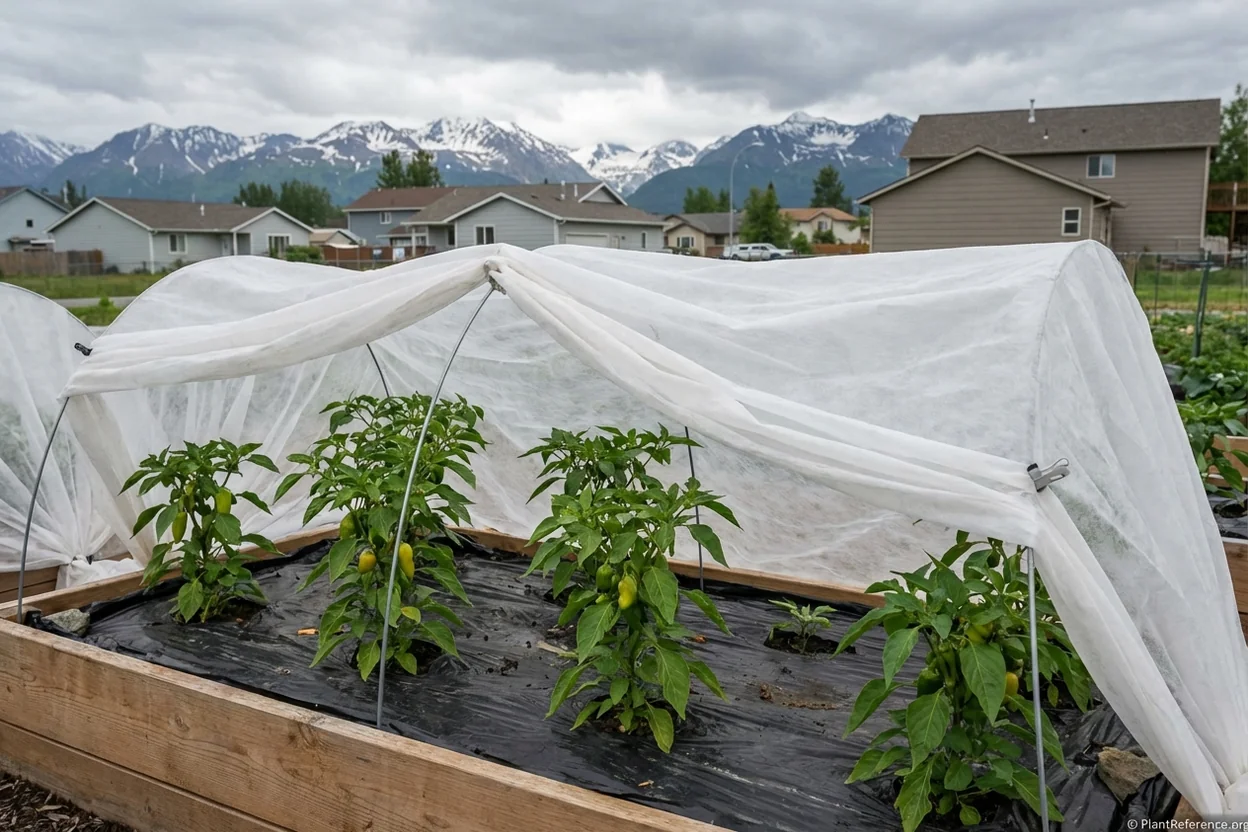
Soil Preparation If growing in-ground, create raised beds 8-12 inches tall to improve drainage and soil warming. Cover beds with black plastic mulch 2-3 weeks before transplanting—this can raise soil temperature by 8-10°F (4-6°C).
Work compost into soil but avoid fresh manure, which promotes leaf growth at the expense of fruit production. Peppers prefer slightly alkaline soil (pH 6.5-7.0), so add lime if your soil test shows acidity.
Season Extension Techniques Row covers are essential in Anchorage. Use them immediately after transplanting and during cool spells throughout the season. Floating row covers can protect plants when temperatures drop to 45-50°F (7-10°C).
For serious pepper production, consider a simple hoop house. Even an unheated structure extends your season by 3-4 weeks on both ends—that's the difference between success and failure in Zone 4b.
Fertilization Schedule Start with balanced fertilizer (10-10-10) at transplanting. Switch to low-nitrogen, high-phosphorus fertilizer once flowering begins—usually mid-July in Anchorage. Too much nitrogen delays fruit ripening, and you can't afford delays in our climate.
Watering Strategy Consistent moisture is crucial, but avoid overwatering. Cold, waterlogged soil is death to peppers in our climate. Water deeply but less frequently, allowing soil to warm between waterings.
Drip irrigation works well because it keeps water off leaves—important in our cool, humid conditions where fungal diseases thrive.
Troubleshooting Anchorage-Specific Problems
Growing peppers in Alaska's challenging climate presents unique problems you won't find in gardening books written for the Lower 48.
Stunted Growth After Transplanting This "sulking" happens when soil is too cold. Plants just sit there, leaves turn purple, and growth stops. Prevention: Wait until soil reaches 60°F consistently and use black plastic mulch to warm soil faster.
If it happens, be patient. Apply liquid fertilizer with phosphorus to encourage root development. Plants usually recover when soil warms, but you've lost 2-3 weeks.
Flowers Dropping Without Setting Fruit Night temperatures below 60°F (16°C) cause blossom drop. This is common in Anchorage during June and again in late August. Use row covers during cool nights, or grow in containers you can move to protected locations.
Slow Fruit Ripening Peppers need warm days and nights to ripen. When daytime temperatures stay below 70°F (21°C), fruits reach full size but remain green. This is frustrating but common in cool Alaska summers.
Solutions: Remove some leaves to allow more sun on fruits, apply reflective mulch to increase light, or accept that some peppers will be harvested green.
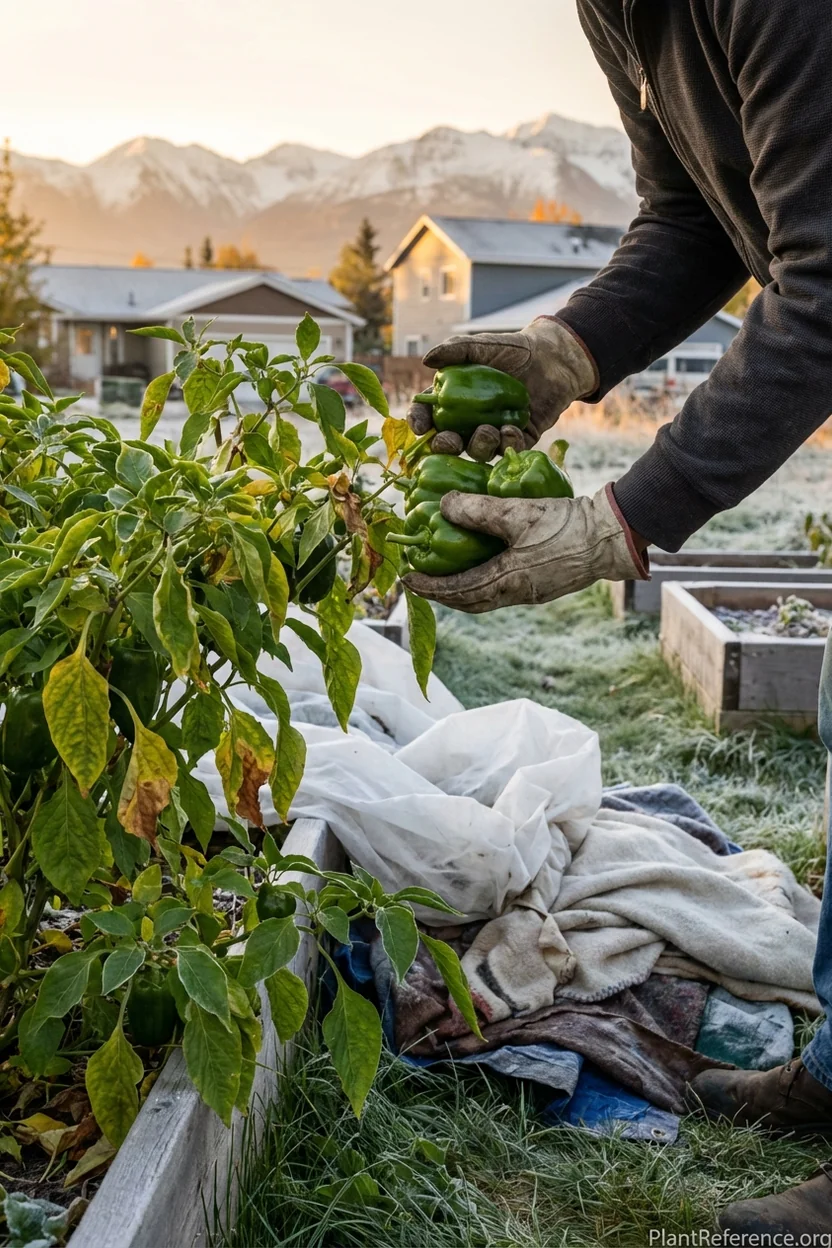
Early Frost Damage September frost can hit earlier than the average date. Watch weather forecasts carefully after September 1st. Have row covers ready, or plan to move containers into protection.
If light frost (32-28°F) is forecast, cover plants completely. Peppers can survive light frost with protection but won't tolerate hard freeze (below 28°F).
Harvest & Storage
Harvesting peppers in Anchorage requires accepting reality: many fruits won't reach full ripeness due to our short season. But green peppers are perfectly edible and often preferred for certain uses.
When to Harvest Start harvesting Shishito peppers when they reach 3-4 inches long and show the characteristic wrinkled skin. Don't wait for color change—they're best eaten green.
Sweet Banana peppers can be harvested at any stage from pale green to bright yellow to red. The flavor sweetens as they ripen, but green fruits are still good.
Jalapeño peppers develop their best flavor when they show corking (brown striations on the skin) but are still green. Red ripe jalapeños are milder but make excellent powder when dried.
Extending Harvest Before first hard frost, harvest all peppers regardless of size or color. Small green peppers work fine for cooking, pickling, or making relish.
For plants still loaded with immature fruit, try this technique: cut the entire plant at soil level and hang it in a cool, dark place. Some peppers will continue ripening off the plant—not ideal, but better than losing the crop to frost.
Storage Methods Fresh peppers store 1-2 weeks in the refrigerator. For longer storage, consider:
Freezing: Wash, remove stems and seeds, chop, and freeze in bags. Perfect for cooking use.
Drying: String thin-walled varieties like Hungarian Hot Wax on thread and hang in dry area.
Pickling: Quick pickled peppers preserve the harvest and add flavor to winter meals.
The reality of Anchorage pepper growing: you'll harvest more green peppers than ripe ones. Embrace it. Green peppers offer different flavors and work perfectly in most recipes.
Frequently Asked Questions
Reading about plants and recognising them are different skills. These three build the second.
- Daily PlantIdentify the day’s mystery plant from a close-up photograph.
- Keyed OutWork a dichotomous key, lead by lead, to name a hidden specimen.
- Name That PlantName a specimen from botanical clues dealt hardest first.
Free to play, no account needed
Tom is a lifelong Alaskan who gardens in Anchorage, where the growing season is short but intense. He works for the state cooperative extension service and has spent years figuring out what works in a climate where the ground freezes deep, the growing season starts in late May, and you get 19 hours of daylight in June. Tom grows cold-hardy vegetables, maintains a collection of boreal-adapted perennials, and experiments with season extension using cold frames and row covers. He writes about the realities of northern gardening—the unique advantages (those long summer days produce remarkable growth) and the genuine limitations. Tom's tone is calm and practical, with the quiet humor of someone who's gardened through Alaskan winters for decades.