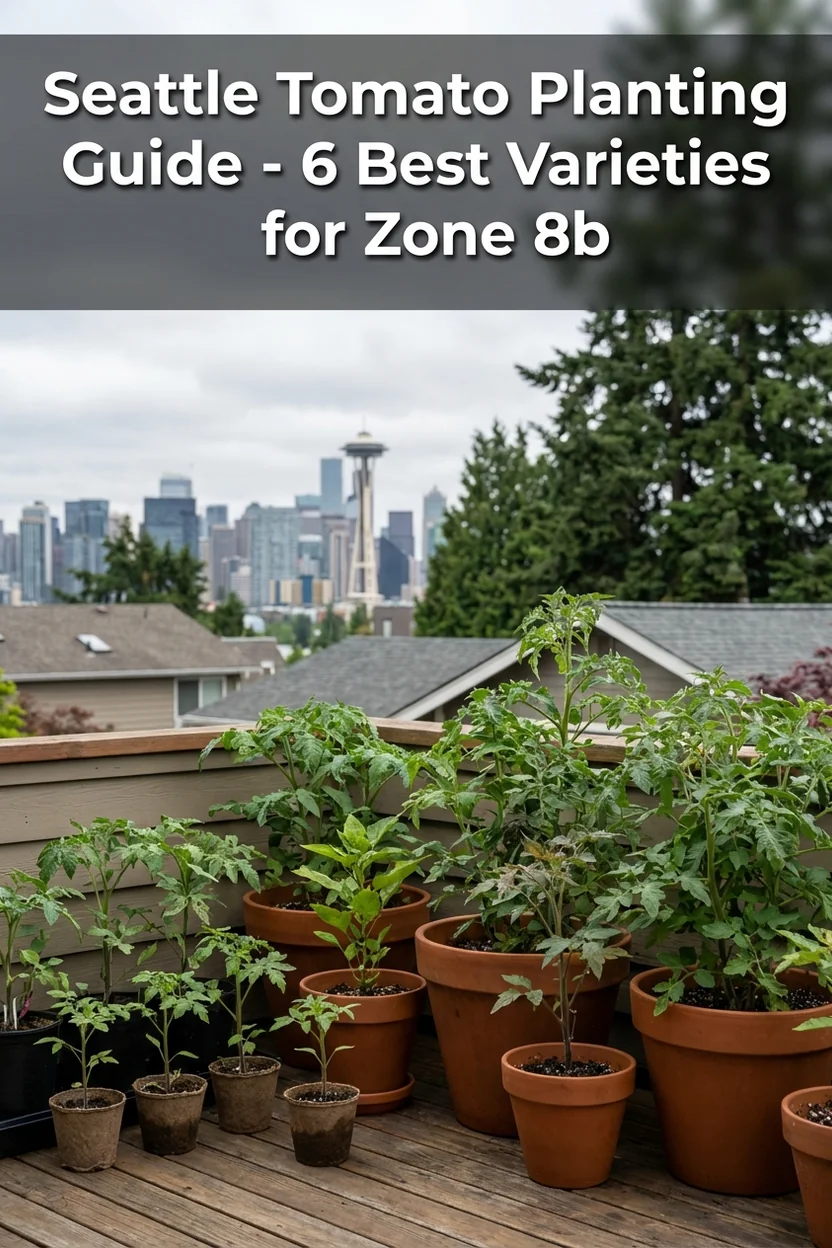
When to Plant Tomatoes in Seattle: Complete Guide + Best Varieties for Zone 8b
Pets & Toxicity
Recorded toxicity for plants linked in this guide. An unknown status is not a safety assessment.
Toxic to pets: Stupice tomato, early girl tomato, Surefire red tomato and 1 moreDetailsHide
Solanum lycopersicum 'Stupice' — Toxicity Warning
Toxic to petsView Solanum lycopersicum 'Stupice' plant profileSolanum lycopersicum 'Early Girl' — Toxicity Warning
Toxic to petsView Solanum lycopersicum 'Early Girl' plant profileSolanum lycopersicum 'Surefire Red' — Toxicity Warning
Toxic to petsView Solanum lycopersicum 'Surefire Red' plant profileSolanum lycopersicum 'Legend' — Toxicity Warning
Toxic to petsView Solanum lycopersicum 'Legend' plant profile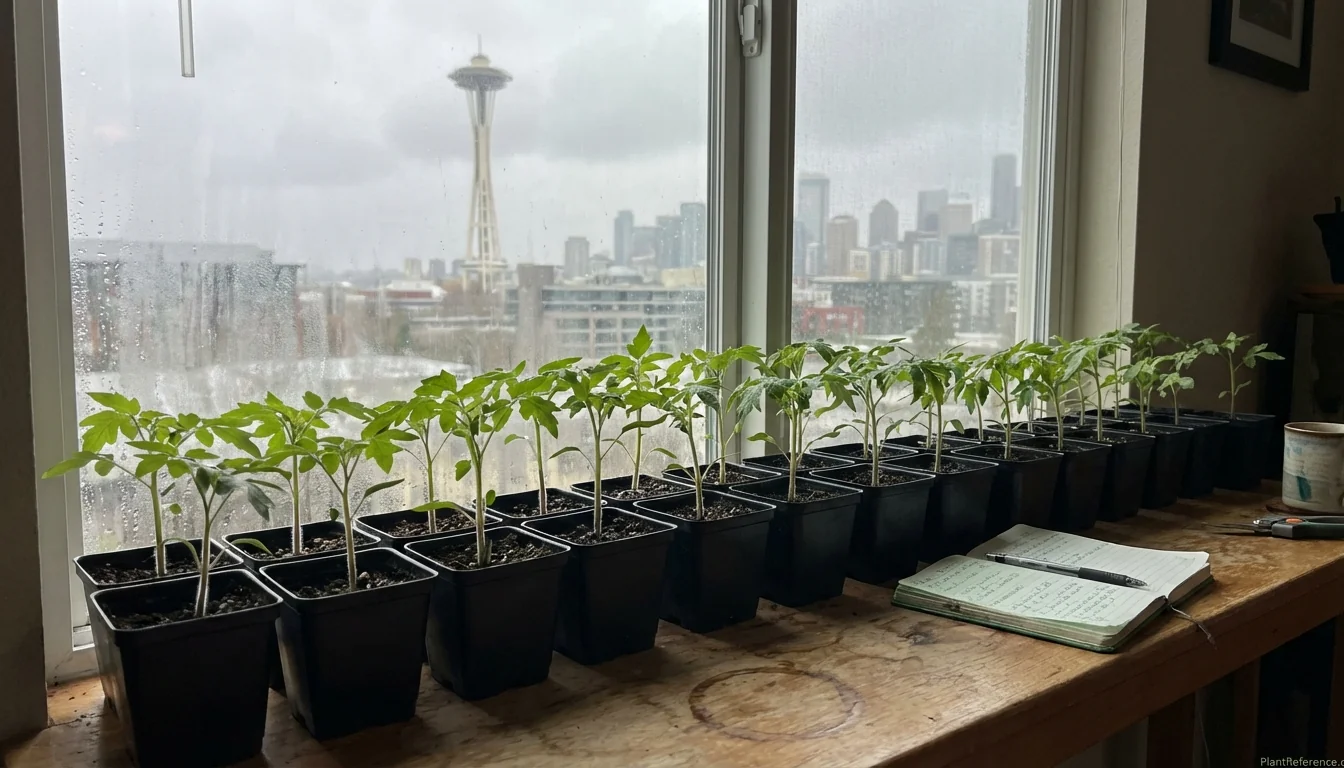
— Image © Plant Reference 2026
If you've ever wondered when to plant tomatoes in Seattle, you're asking the right question at the right time. After forty years of growing tomatoes in the Pacific Northwest, I can tell you that timing is everything in our unique Zone 8b climate. Plant too early and cool soil will stunt growth; plant too late and you'll miss the sweet spot before our famous summer marine layer kicks in.
Seattle's Zone 8b classification means we get a longer growing season than most northern cities—245 days from March 14 to November 14. But don't let that fool you into thinking tomato growing is straightforward here. Our cool springs, marine layer summers, and persistent moisture create challenges that require the right varieties and proper timing.
The key to success is working with Seattle's climate, not against it. Our last frost date of March 14 allows earlier planting than Minneapolis or Chicago, but our cool, cloudy summers mean heat-loving varieties like 'Brandywine' often struggle. I've learned to choose varieties bred for cool conditions and shorter seasons, and you should too.
Best Tomato Varieties for Seattle's Climate
After testing dozens of varieties in Seattle's unique conditions, six consistently outperform the rest. These aren't necessarily the prettiest catalog photos, but they're the ones that produce reliable harvests when the marine layer rolls in during July.
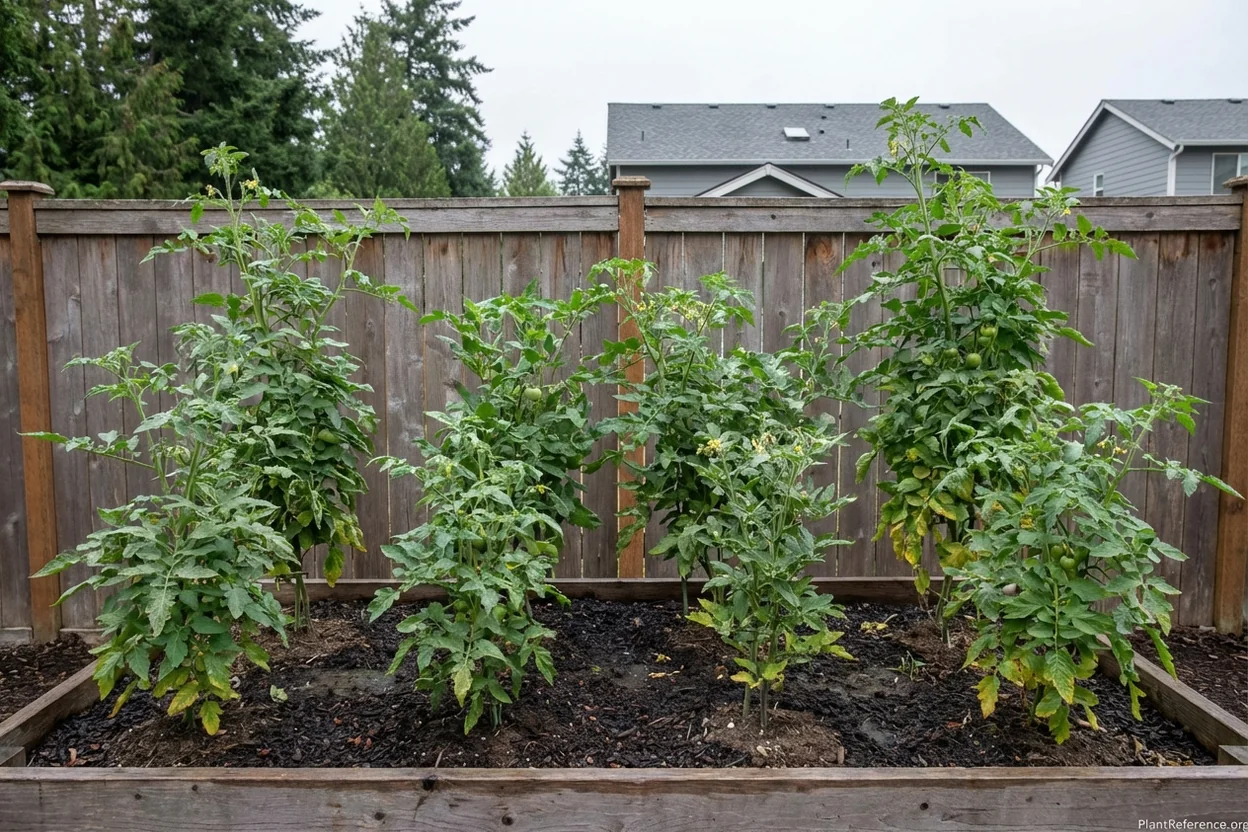
Here's what actually works in Seattle's Zone 8b climate:
Variety | Days to Maturity | Best For | Notes for Seattle |
|---|---|---|---|
52-60 days | Ultra-early harvest | Sets fruit in cool weather (40-50°F nights) | |
50-62 days | Reliable production | Thrives in marine layer conditions | |
54-68 days | Pacific Northwest bred | Developed specifically for cool, short seasons | |
Solanum lycopersicum 'Oregon Spring' | 58-70 days | Regional favorite | Compact determinate, great for containers |
Solanum lycopersicum 'Siletz' | 52-65 days | Northwest heirloom | Open-pollinated, bred at OSU for cool climates |
68-75 days | Disease resistance | Late blight resistant, crucial for wet falls |
Cool-Weather Champions
🌿Solanum lycopersicum 'Stupice' is my go-to recommendation for new Seattle gardeners. This Czech variety was bred for short, cool seasons and sets fruit when nighttime temperatures drop to 40°F—something that happens regularly here even in summer. The flavor is excellent, and it starts producing by mid-June from April plantings.
🌿Solanum lycopersicum 'Early Girl' proves its worth every cloudy Seattle summer. When other varieties sulk in our cool conditions, 'Early Girl' keeps producing. I've harvested over 20 pounds from a single plant in a good year, and it handles our temperature swings better than any other variety I've grown.
Pacific Northwest Natives
🌿Solanum lycopersicum 'Surefire Red' was developed specifically for gardeners like us. Bred for cool, short growing seasons, it consistently produces even when summer temperatures stay below 70°F for weeks. The fruit quality is outstanding—better than most hybrids.
Solanum lycopersicum 'Oregon Spring' comes from Oregon State University's breeding program. As a determinate variety, it's perfect for Seattle container gardeners who want a concentrated harvest in late summer. I recommend it for anyone with limited space or cool microclimates.
Disease-Resistant Options
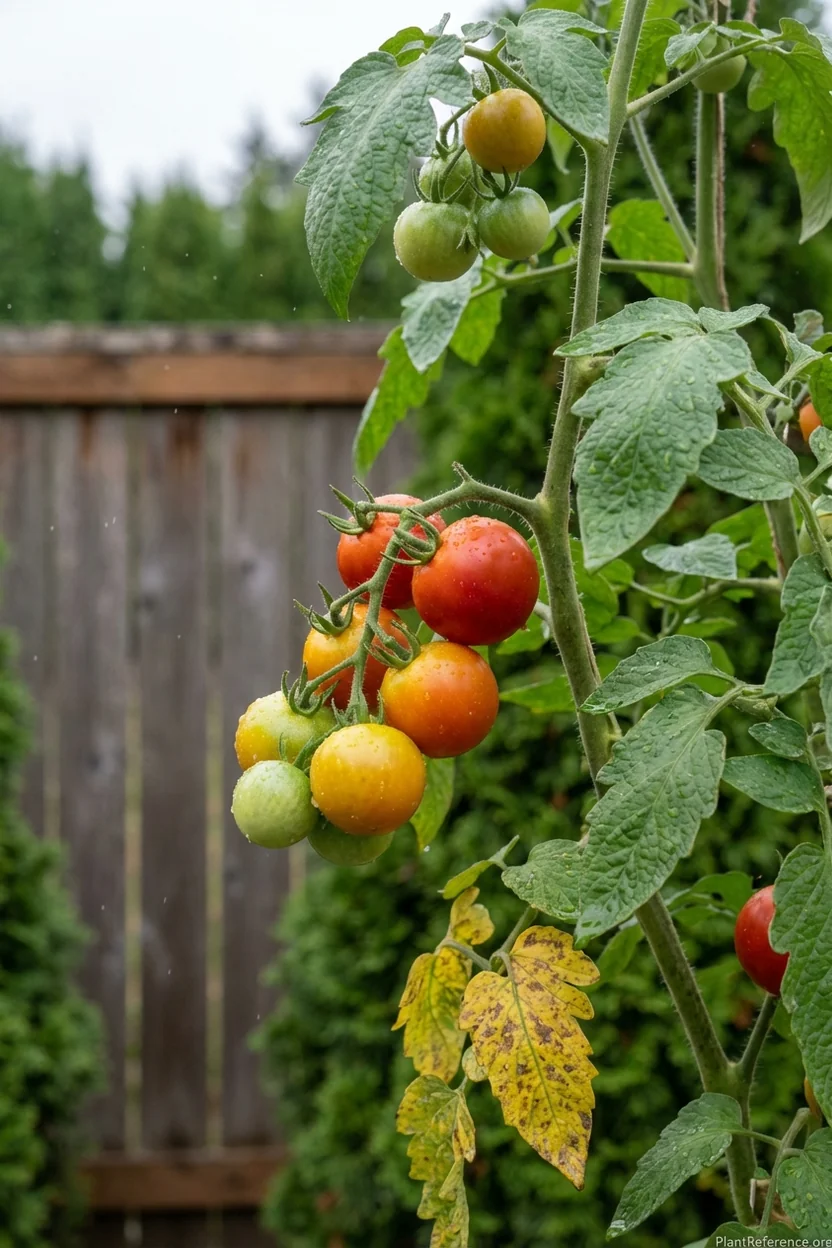
🌿Solanum lycopersicum 'Legend' earns its place in Seattle gardens through sheer toughness. Bred for late blight resistance, it handles our wet falls when other varieties succumb to fungal diseases. The fruit is large and flavorful, though it needs our longest season to reach full potential.
Solanum lycopersicum 'Siletz' represents Pacific Northwest gardening heritage. Developed at Oregon State University from 'Stupice' genetics, it combines early ripening with open-pollinated genetics, meaning you can save seeds year after year.
Specific Planting Dates for Seattle
Seattle's planting schedule revolves around our March 14 last frost date, but the real key is soil temperature. I've learned that cold soil will stunt transplants even when air temperatures seem fine.
Indoor Seed Starting Timeline
February 15-March 1: Start Seeds Indoors Begin seeds 6-8 weeks before outdoor transplanting. I start my earliest varieties like 🌿Solanum lycopersicum 'Stupice' on February 15, with later varieties following through March 1. Use bottom heat to maintain 75-80°F soil temperature for faster germination.
March 15-April 1: Transplant to Larger Containers Move seedlings to 4-inch pots when they develop second set of true leaves. This intermediate step builds stronger root systems before outdoor planting.
April 1-15: Begin Hardening Off Start exposing plants to outdoor conditions gradually. Seattle's April weather can be unpredictable, so move plants under cover if temperatures drop below 45°F or strong winds develop.
Outdoor Planting Schedule
April 15-30: Early Transplanting Plant cold-tolerant varieties like 🌿Solanum lycopersicum 'Stupice' and 🌿Solanum lycopersicum 'Early Girl' outdoors. Use Wall O' Water or similar protection if nighttime temperatures threaten to drop below 50°F.
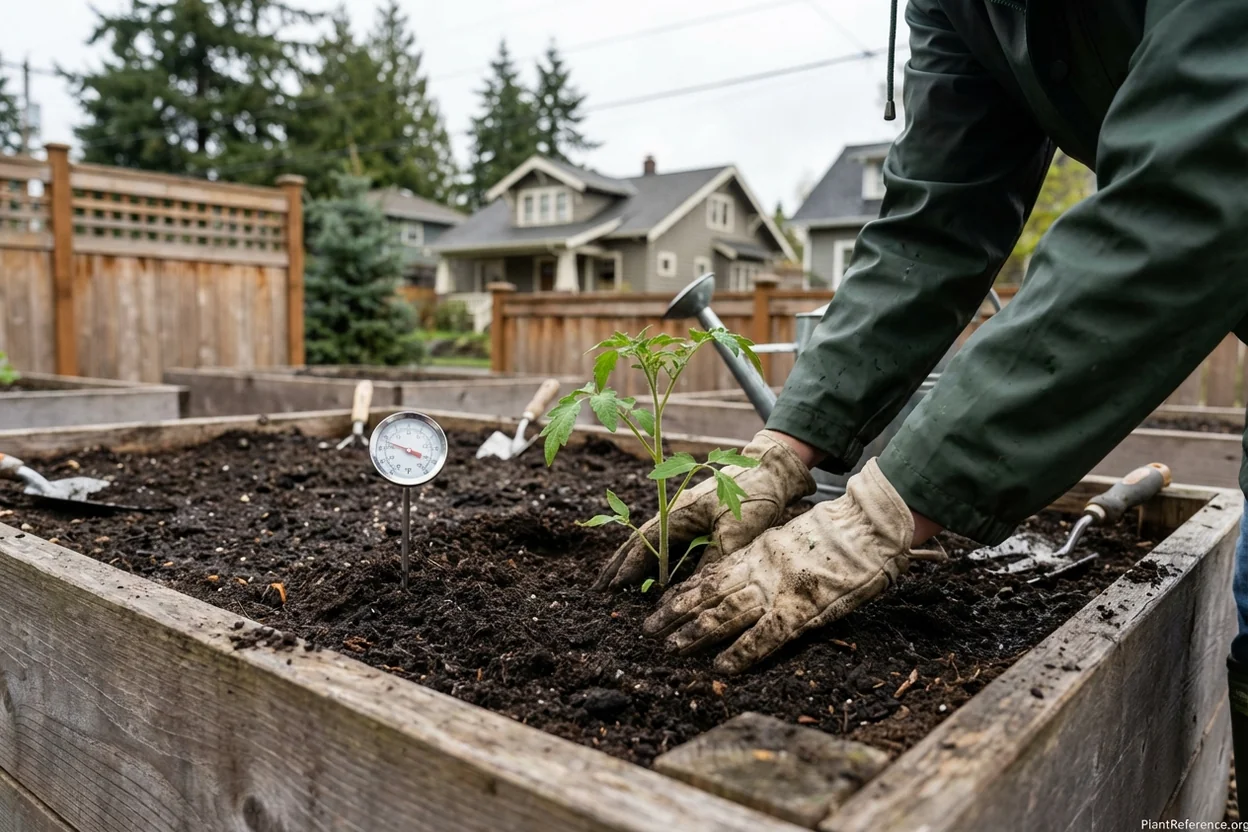
May 1-15: Main Planting Window This is prime time for all tomato varieties in Seattle. Soil temperatures should be consistently above 55°F, and the risk of late frost is minimal.
May 15-June 1: Last Chance Planting You can still plant determinate varieties and very early types, but season length becomes limiting for large-fruited varieties.
Complete Growing Guide for Seattle
Growing tomatoes successfully in Seattle requires understanding our unique conditions: cool springs, marine layer summers, and the ever-present threat of late blight in wet falls.
Soil Preparation for Seattle Conditions
Seattle's native soil tends to be acidic and heavy with clay. Most tomatoes prefer slightly acidic to neutral pH (6.0-6.8), which works in our favor. However, our clay-heavy soil needs amendment for proper drainage.
I've found the best results come from building raised beds 8-12 inches (20-30 cm) high filled with a mix of one-third compost, one-third existing soil, and one-third drainage amendment like perlite or coarse sand. This creates the well-draining environment tomatoes need while retaining enough moisture for our dry summers.
Soil Testing and Amendments:
Test your soil pH in early spring. If it's below 6.0, add lime in fall for next year's plantings. Seattle soils are often deficient in phosphorus due to our heavy rainfall, so work in bone meal or rock phosphate at planting time.
Our long, wet winters leach nutrients from soil, making spring fertilization crucial. I work a balanced organic fertilizer (10-10-10) into beds two weeks before planting, followed by side-dressing with compost monthly through the growing season.
Seattle's Unique Microclimate Considerations
Seattle isn't one climate—it's dozens of microclimates influenced by hills, water bodies, and urban heat effects. Understanding your specific location makes the difference between success and frustration.
North-Facing Slopes and Shaded Areas: These stay cool longer in spring and receive less direct sun during our brief summer. Stick with ultra-early varieties like 🌿Solanum lycopersicum 'Stupice' and provide reflective mulch to maximize available light.
South-Facing Slopes and Urban Heat Islands: These areas warm earlier and stay warmer longer. You can plant a week earlier than the general schedule and grow longer-season varieties like 🌿Solanum lycopersicum 'Legend'.
Marine Layer Effects: Areas west of I-5 get more marine layer influence, staying cooler and cloudier in summer. Focus on varieties bred for cool conditions rather than heat-loving heirlooms.
Planting Techniques for Cool Springs
Seattle's cool springs require modified planting techniques to ensure transplant success.
Pre-Warming the Soil: Cover planting areas with black plastic or clear row covers 2-3 weeks before transplanting. This can raise soil temperature by 10-15°F (-12 to -9°C), crucial for root development.
Deep Planting: Plant tomato transplants deeper than in warmer climates, burying 2/3 of the stem. This encourages extensive root development and helps plants access nutrients in our leached soils.
Wind Protection: Seattle's spring winds can damage young transplants. Use temporary windbreaks made from burlap or row cover for the first month after transplanting.
Summer Care in Marine Layer Conditions
Seattle summers present unique challenges. Our marine layer can keep temperatures cool and humidity high for weeks, slowing fruit development and encouraging disease.
Pruning for Air Circulation: Aggressive pruning is essential in Seattle's humid conditions. Remove all suckers below the first flower cluster, and continue removing them weekly. Prune lower leaves that touch the ground to prevent soil-borne disease.
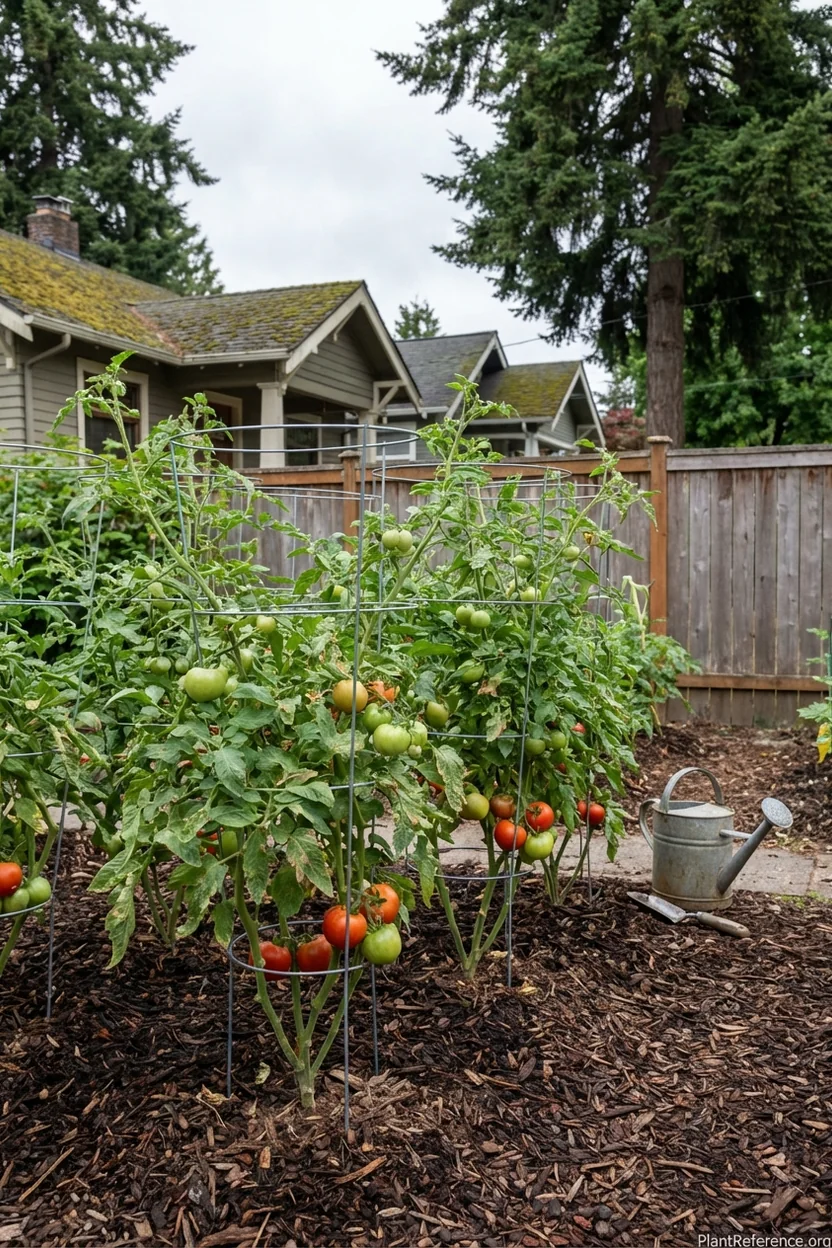
Mulching Strategy: Apply 3-4 inches (7-10 cm) of organic mulch around plants after soil warms. This conserves moisture during our occasional dry spells and prevents soil splash during heavy rains.
Support Systems: Seattle tomatoes need sturdy support due to our wind and heavy fruit loads from extended growing season. I prefer strong metal cages over stakes, as they provide support from all directions.
Troubleshooting Seattle-Specific Problems
Seattle's climate creates specific challenges that don't occur in drier or warmer regions. Here's how to handle the most common problems I encounter year after year.
Late Blight in Wet Falls
Late blight (Phytophthora infestans) is Seattle's tomato nemesis. Our wet September and October weather creates perfect conditions for this devastating disease.
Early Detection: Watch for dark, water-soaked spots on leaves starting in late August. These expand rapidly during cool, wet weather and can destroy entire plants within days.
Prevention Strategies: Choose resistant varieties like 🌿Solanum lycopersicum 'Legend' for your main crop. Provide maximum air circulation through aggressive pruning and proper spacing. Cover plants during extended rainy periods in fall.
Treatment: At first sign of infection, remove affected leaves and destroy them. Apply copper fungicide as a preventative if weather conditions favor disease development.
Slow Ripening in Cool Summers
Some Seattle summers never get consistently warm, leaving gardeners with loads of green tomatoes in September.
Encouraging Ripening: Remove new blossoms after August 15 to direct energy into ripening existing fruit. Prune excess foliage to increase light and air circulation around developing tomatoes.
Harvest Strategies: Harvest mature green tomatoes before first frost and ripen indoors. Tomatoes showing any color change will ripen successfully at room temperature.
Calcium Deficiency in Sandy Soils
Areas of Seattle with sandy or heavily amended soils may show calcium deficiency, leading to blossom end rot.
Soil Management: Add gypsum (calcium sulfate) to sandy soils in fall. This provides calcium without raising pH, which is often already optimal in Seattle.
Consistent Watering: Maintain even soil moisture to ensure calcium uptake. Mulch heavily and consider drip irrigation during dry spells.
Phosphorus Lockout in Cold Springs
Cool soil temperatures can prevent phosphorus uptake, causing purple-tinged leaves and slow growth.
Soil Warming: Use black plastic mulch or row covers to warm soil before planting. Don't rush the season—wait for soil to reach 55°F (13°C) consistently.
Foliar Feeding: Spray plants with diluted liquid fertilizer containing phosphorus during cool periods to bypass soil uptake issues.
Harvest & Storage
Seattle's long growing season allows extended harvests, but our wet falls require strategic timing and storage methods.
Optimal Harvest Timing
Begin harvesting when tomatoes show full color but still feel slightly firm. In Seattle's humid conditions, fully ripe tomatoes on the vine often develop cracks or begin rotting before you can pick them.
For varieties like 🌿Solanum lycopersicum 'Stupice' and 🌿Solanum lycopersicum 'Early Girl', start checking for ripe fruit in mid-June from April plantings. Continue harvesting through October in favorable years.
Green Tomato Management
Seattle's cool falls often leave gardeners with abundant green tomatoes. Don't let them go to waste—green tomatoes ripen successfully indoors if they've reached mature size.
Ripening Methods: Place mature green tomatoes in paper bags with a ripe apple or banana. The ethylene gas speeds ripening. Check daily and remove ripe fruits.
Long-term Storage: Wrap individual green tomatoes in newspaper and store in cool (55-60°F / 13-16°C) location. They'll ripen gradually over several weeks, extending your harvest into December.
Preserving the Harvest
Seattle's maritime climate produces tomatoes with excellent flavor but sometimes lower acid content than hot-climate fruits. This affects preservation methods.
Canning Considerations: Test pH if canning whole tomatoes or sauce. Add lemon juice or citric acid to ensure safe acidity levels for water-bath canning.
Freezing: Whole tomatoes freeze well for winter cooking. Remove skins by blanching in boiling water for 30 seconds, then plunge into ice water. Skins slip off easily.
Frequently Asked Questions
Reading about plants and recognising them are different skills. These three build the second.
- Daily PlantIdentify the day’s mystery plant from a close-up photograph.
- Keyed OutWork a dichotomous key, lead by lead, to name a hidden specimen.
- Name That PlantName a specimen from botanical clues dealt hardest first.
Free to play, no account needed
Mike's been designing residential landscapes in the Seattle area, with a particular focus on Pacific Northwest natives and sustainable practices. He's a Washington State Master Gardener and worked in construction before landscaping, which gives him a practical edge when it comes to building raised beds and hardscaping projects. He runs a small side business propagating and selling unusual perennials at farmers markets on weekends. His property serves as a testing ground for low-maintenance, wildlife-friendly garden designs. Mike's philosophy: if it requires weekly maintenance, it's not sustainable.