Image 1 of 5
1 / 5
Plant Reference
Solanum, Genus, lycopersicum, Species, 'Roma', Cultivar,
- Genus & species
- Cultivar
Roma tomato
Open-pollinated cultivar developed in the US (mid-20th century); the species S. lycopersicum is native to western South America
Overview
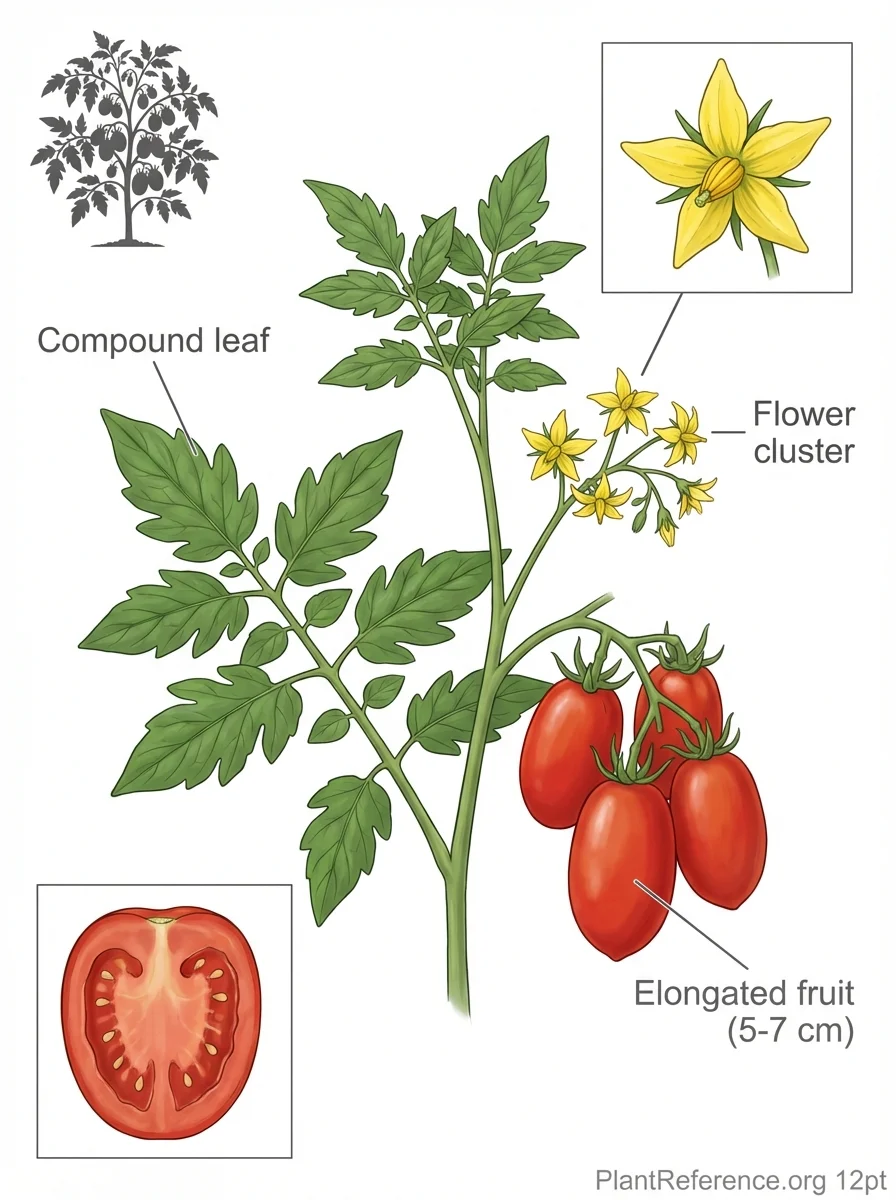
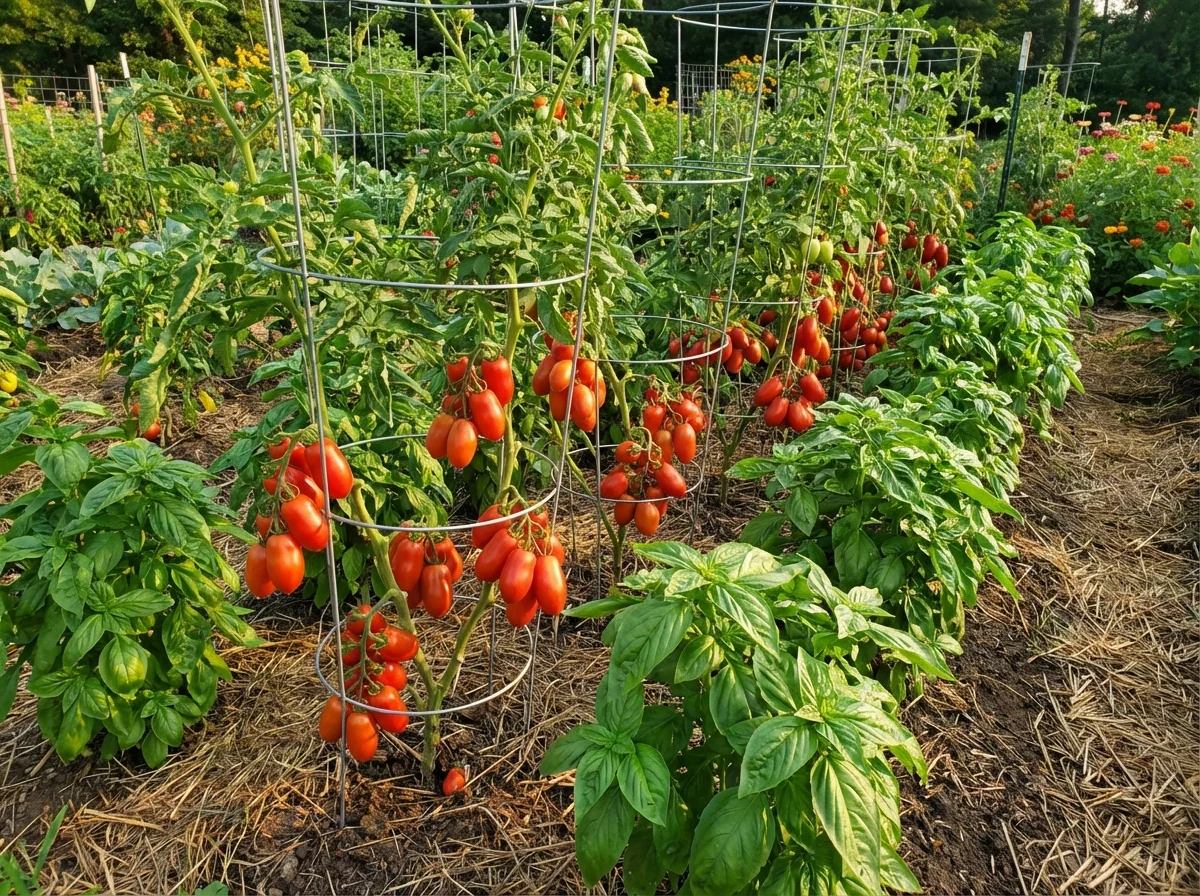
Solanum lycopersicum 'Roma' is Roma tomato (Roma VF paste tomato), a determinate (bush type) annual growing 36-48 inches (90-120 cm) tall and 18-24 inches (45-60 cm) wide. Elongated plum-shaped (oblong) red paste tomatoes 2-3 inches (5-7 cm) long with thick meaty flesh, few seeds, and low moisture content — the standard paste and sauce tomato in North American home gardens. Yellow 5-petaled flowers in clusters. In the nightshade family (Solanaceae). Determinate growth: the plant reaches a set height, sets its fruit over 2-4 weeks, then production tapers — unlike indeterminate types which continue until frost. The concentrated fruit set is suited to canning and batch processing. VF resistant: Verticillium wilt (Verticillium dahliae) and Fusarium wilt (Fusarium oxysporum). Open-pollinated: seed can be saved. Start indoors 6 weeks before last frost. The concentrated 2-4 week fruit set is a limitation for gardeners who want fruit over a longer period — succession-plant or grow an indeterminate type alongside for extended harvest. All green parts contain solanine — toxic to pets and humans in quantity. Ripe fruit is non-toxic. Full sun. Tender annual. Growth rate is fast.
Native Range
Open-pollinated cultivar developed in the US. The species S. lycopersicum is native to western South America (Peru, Ecuador).Suggested Uses
Grown in vegetable gardens and containers of at least 5 gallons (19 L). The standard paste tomato — thick flesh, low moisture, few seeds. Determinate — concentrated harvest for canning and batch processing. VF resistant. Open-pollinated — save seeds. Green parts toxic. Tender annual.How to Identify
Appearance
Size & Dimensions
Height3' - 4'
Width/Spread1'6" - 2'
Bloom Information
Detailed Descriptions
Flower Description
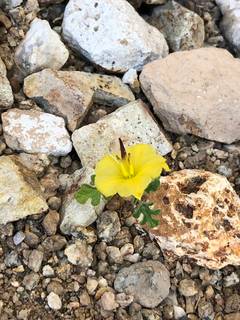
Yellow, 5-petaled, 0.5 inch (12 mm), in clustersFoliage Description
Medium to dark green, pinnately compound with toothed leaflets, slightly fuzzyGrowing Conditions
Sun Requirements
Requires 6-10 hours of direct sunlight daily
• Full Sun: 6+ hours of direct sunlight
• Partial Shade: 3-6 hours of direct sunlight
• Full Shade: Less than 3 hours of direct sunlight
Care & Maintenance
Care Guide
Full sun (6+ hours). Rich moist well-drained soil pH 6.0-7.0. Start indoors 6 weeks early. Cage or stake (the concentrated fruit load can break branches). Determinate — do not remove the terminal growing tip. Consistent watering (blossom end rot). VF resistant. Green parts toxic. Tender annual.Pruning
Remove suckers below the first flower cluster for air circulation. Do not remove the terminal growing tip (determinate type — it sets the final fruit cluster). Remove lower leaves touching soil. Harvest when uniformly deep red.Pruning Schedule
Prune: June–August
summer
Container Growing
Suitable for container growing
Minimum container size: 5 gallons
Toxicity Warning
Toxic to petsPlanting Guide
Botanical Flashcard