Learn to identify plants
Showing articles 1 to 22 of 22
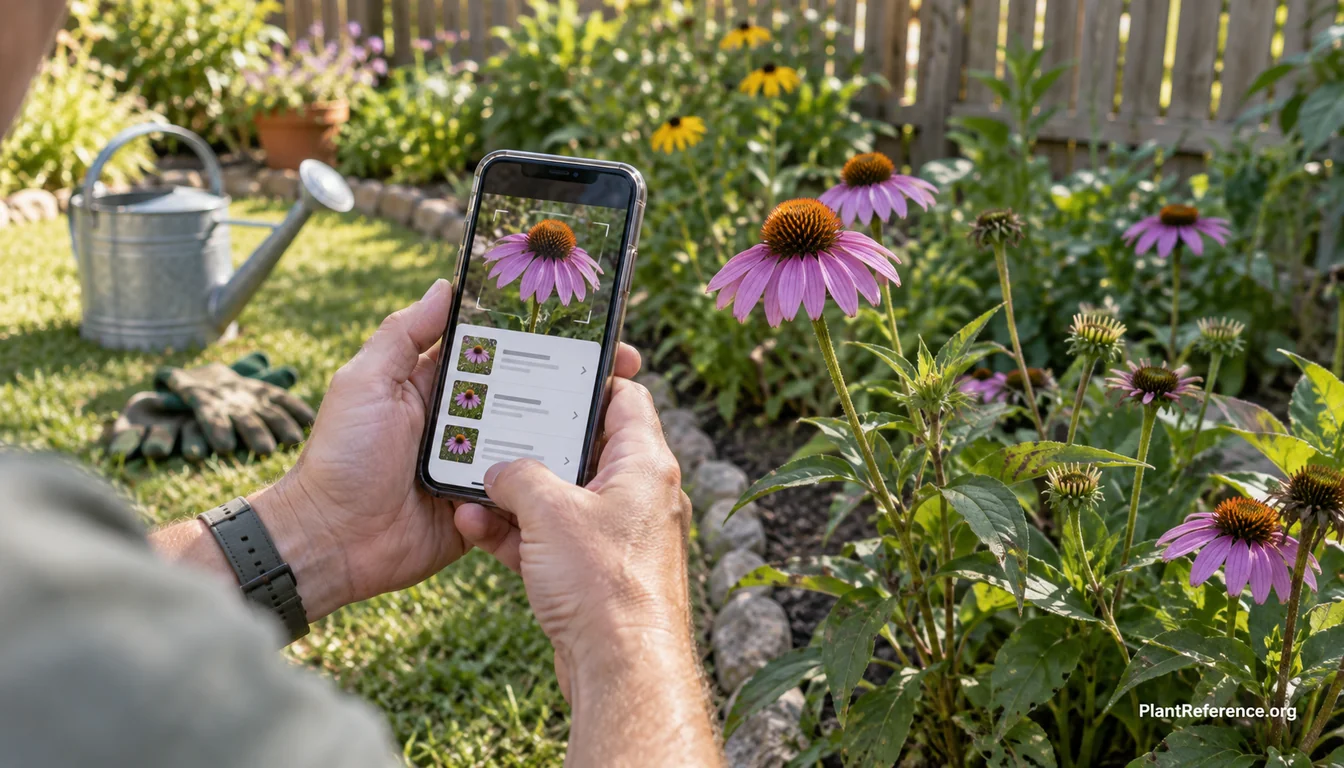
How accurate are plant identification apps? Accuracy ranges from 40% to 98% depending on the app, plant group, and photo quality. Here are the common mistakes and how to get reliable results every time.
The best wildflower field guide depends on where you botanize. We compare Newcomb's, Peterson, Audubon, and the top regional guides for the East, Midwest, and desert Southwest.
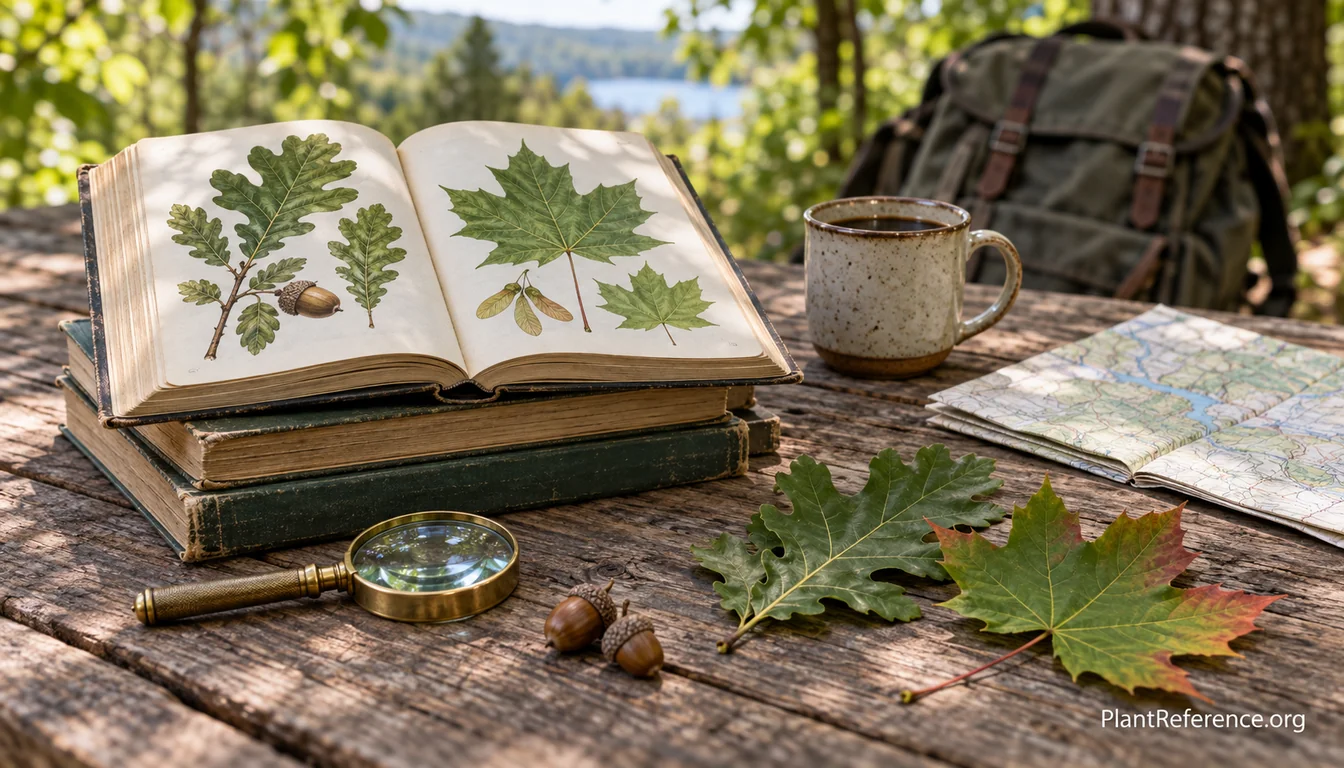
The best tree identification field guides for North America compared: Sibley, Peterson, and Audubon. Find the right guide for your region, skill level, and budget.
We compared the best plant identification apps—PictureThis, PlantNet, iNaturalist, Seek, and Flora Incognita—on accuracy, speed, and price to find which one actually earns a spot on your phone.
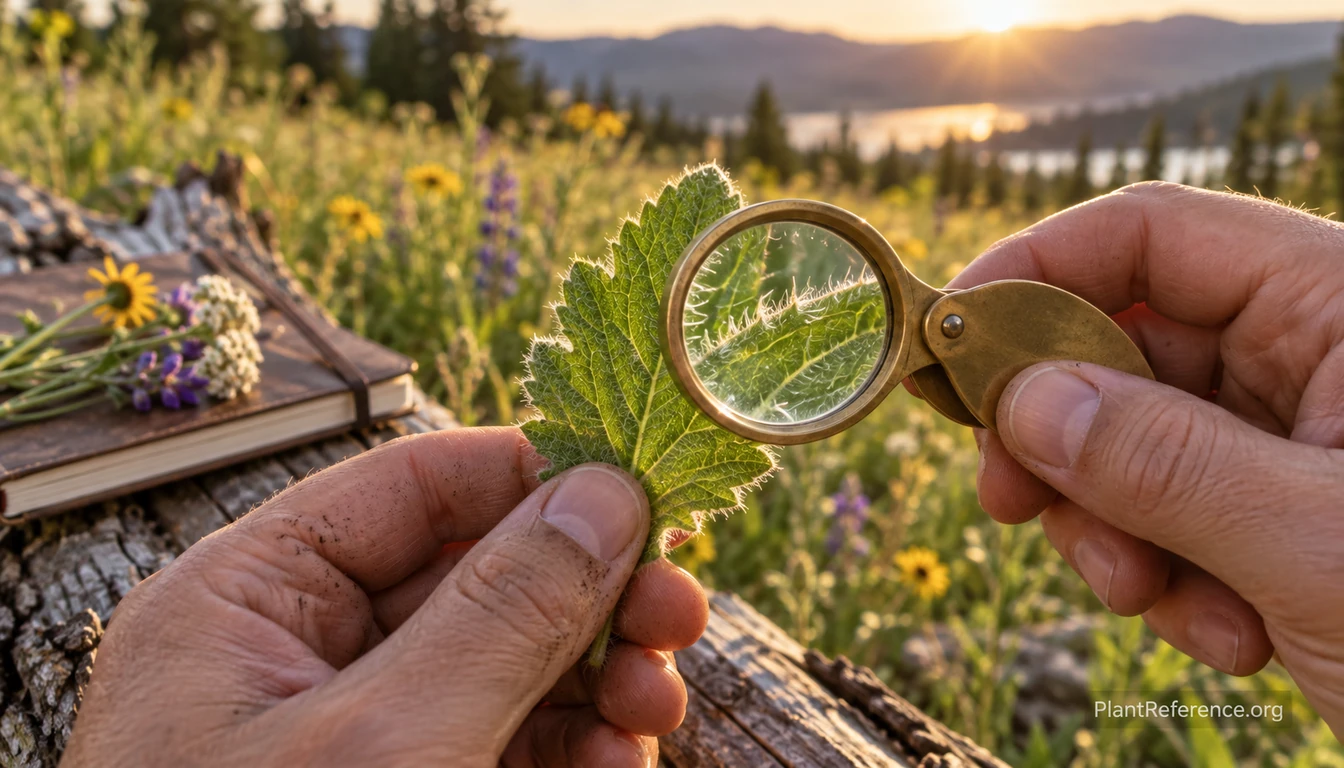
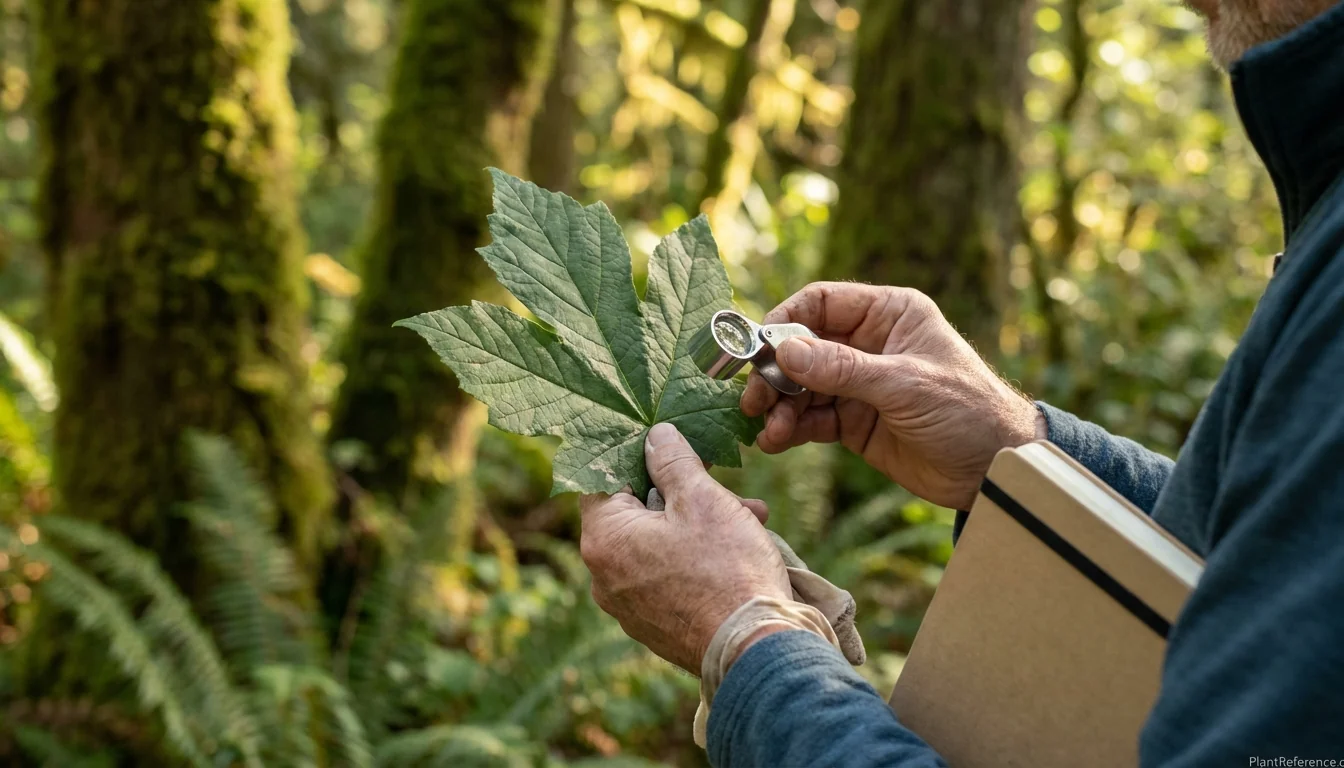
The best hand lenses and loupes for botany and plant identification, compared by magnification, optics, and price. Find the right 10x loupe for fieldwork.
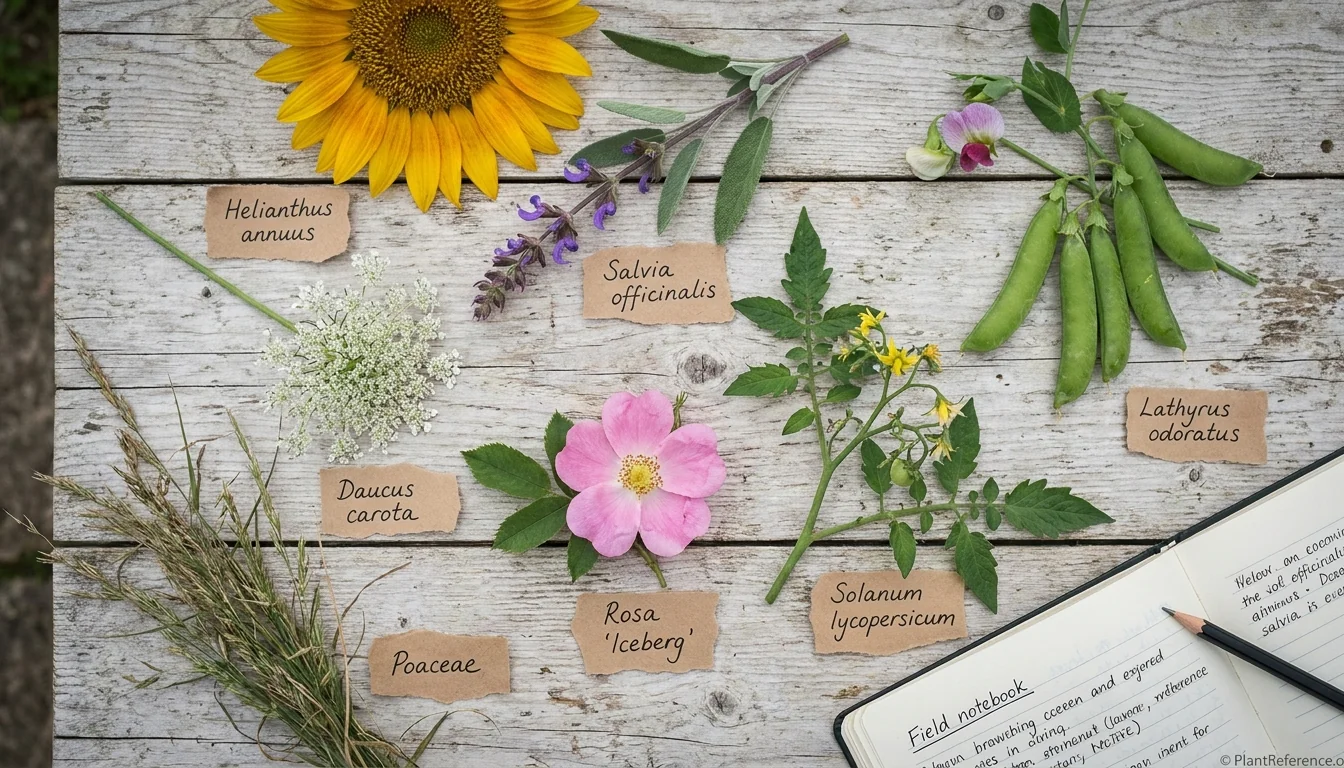
Learn the 10 plant families every gardener should recognize on sight, from the mints with square stems to the asters with composite heads—the fastest shortcut to identifying thousands of plants.
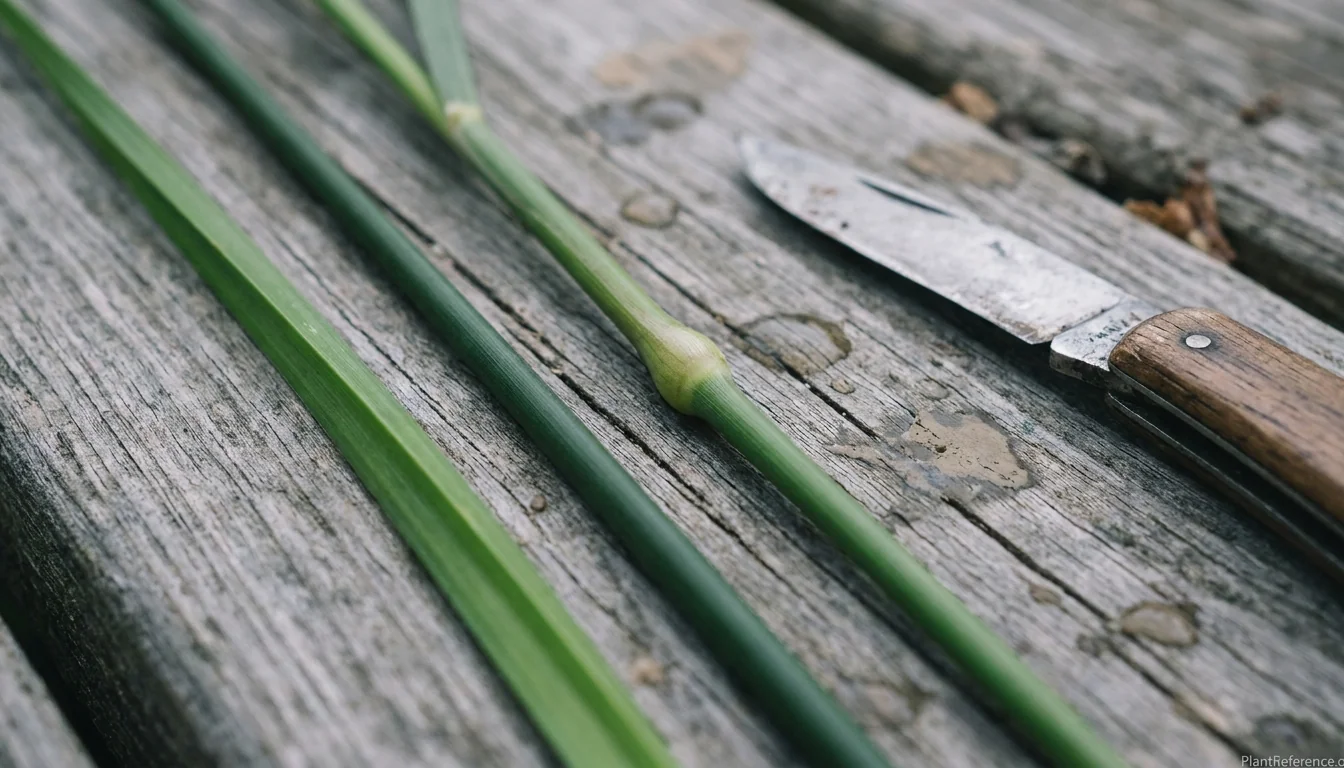
Grass vs sedge vs rush confusing you? The old rhyme—sedges have edges, rushes are round—plus a five-second stem-roll test sorts all three apart fast.
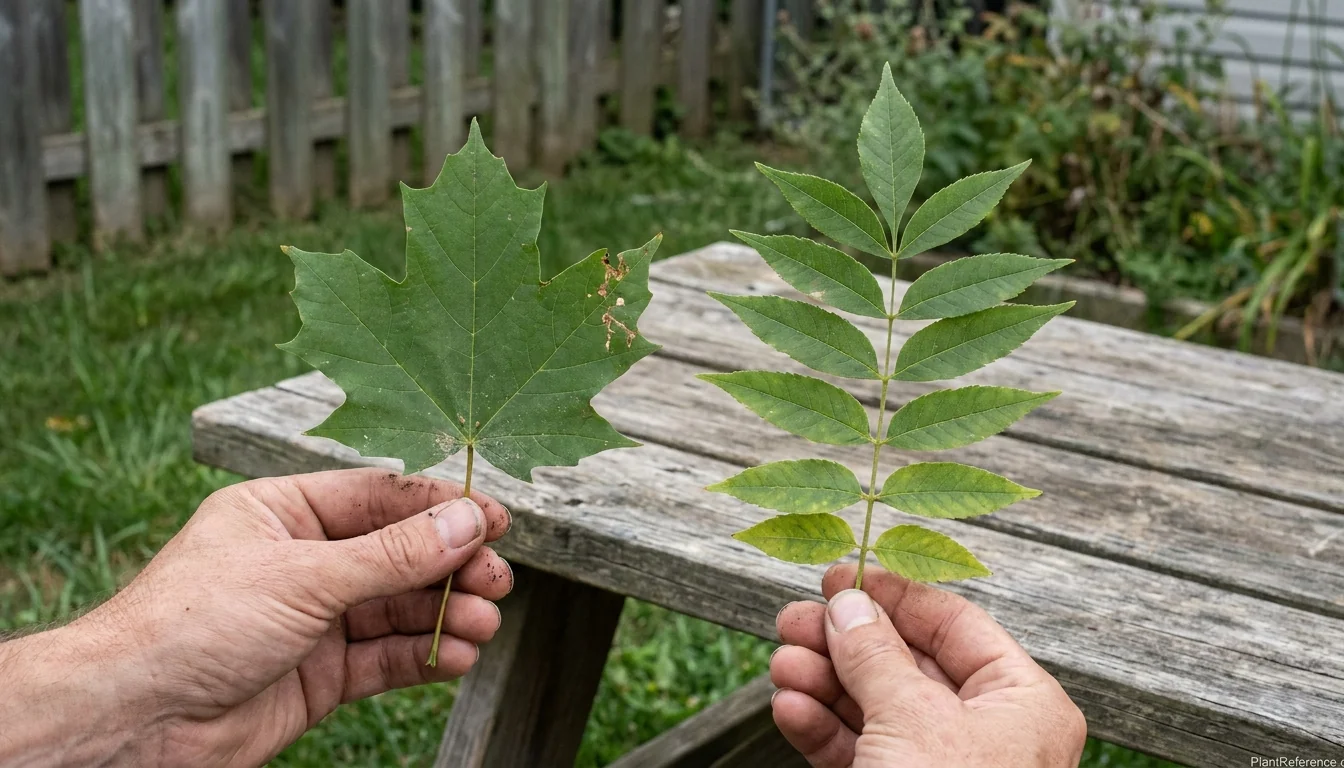
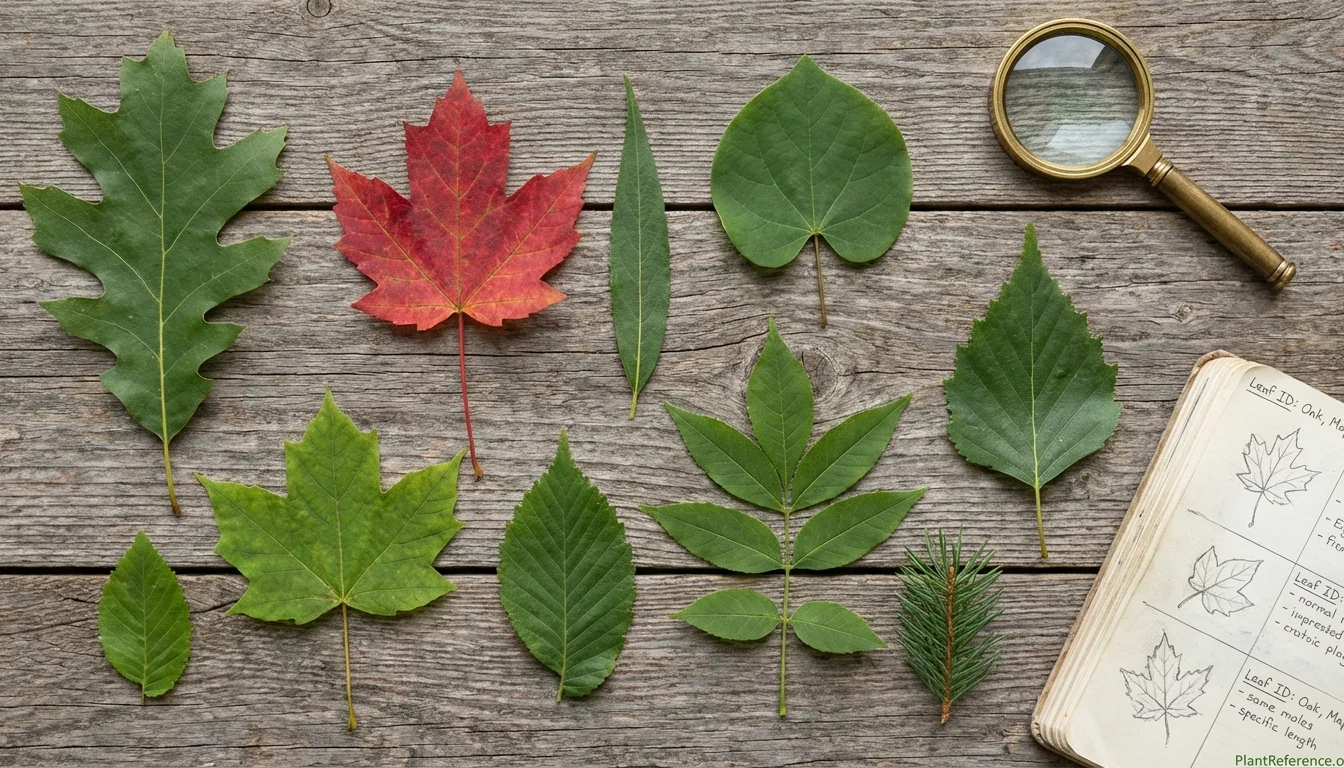
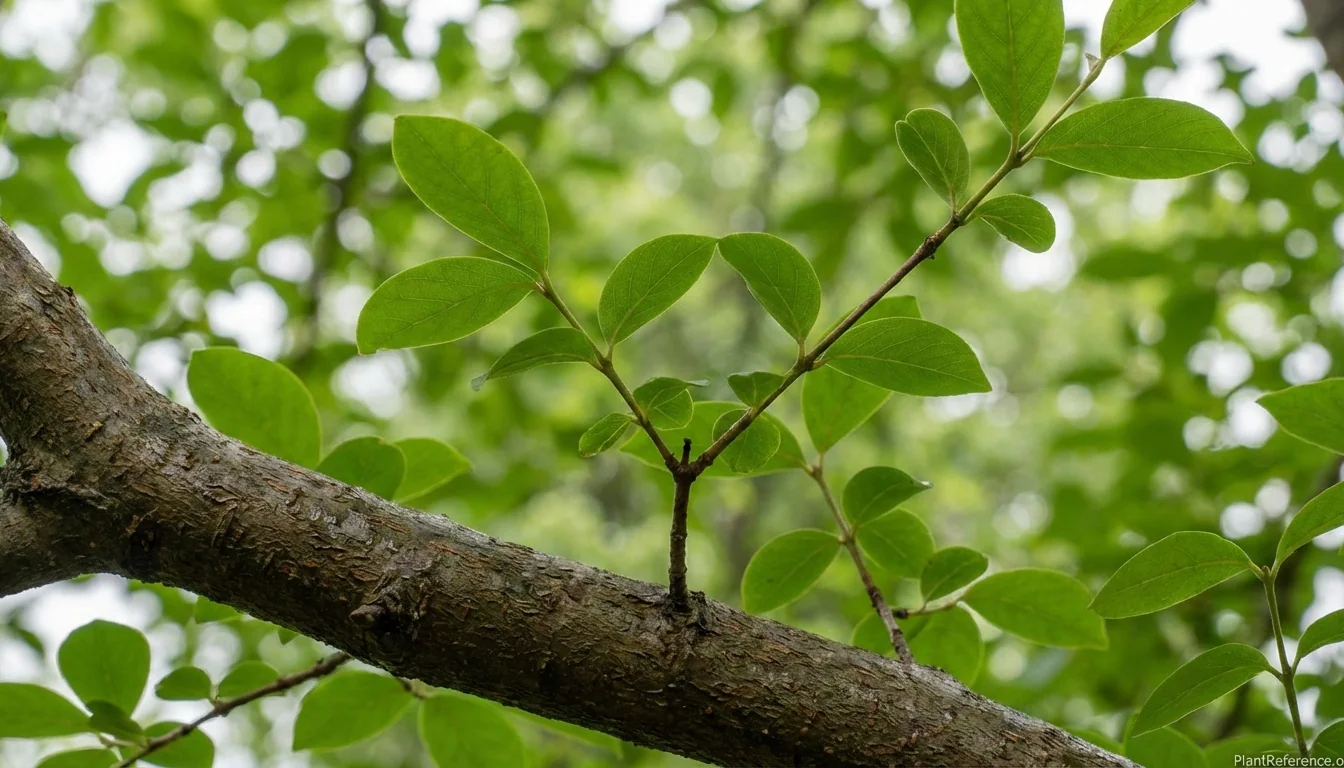
Confused by simple vs compound leaves? Learn the one-bud test that separates them instantly, plus why this single distinction unlocks accurate plant identification.
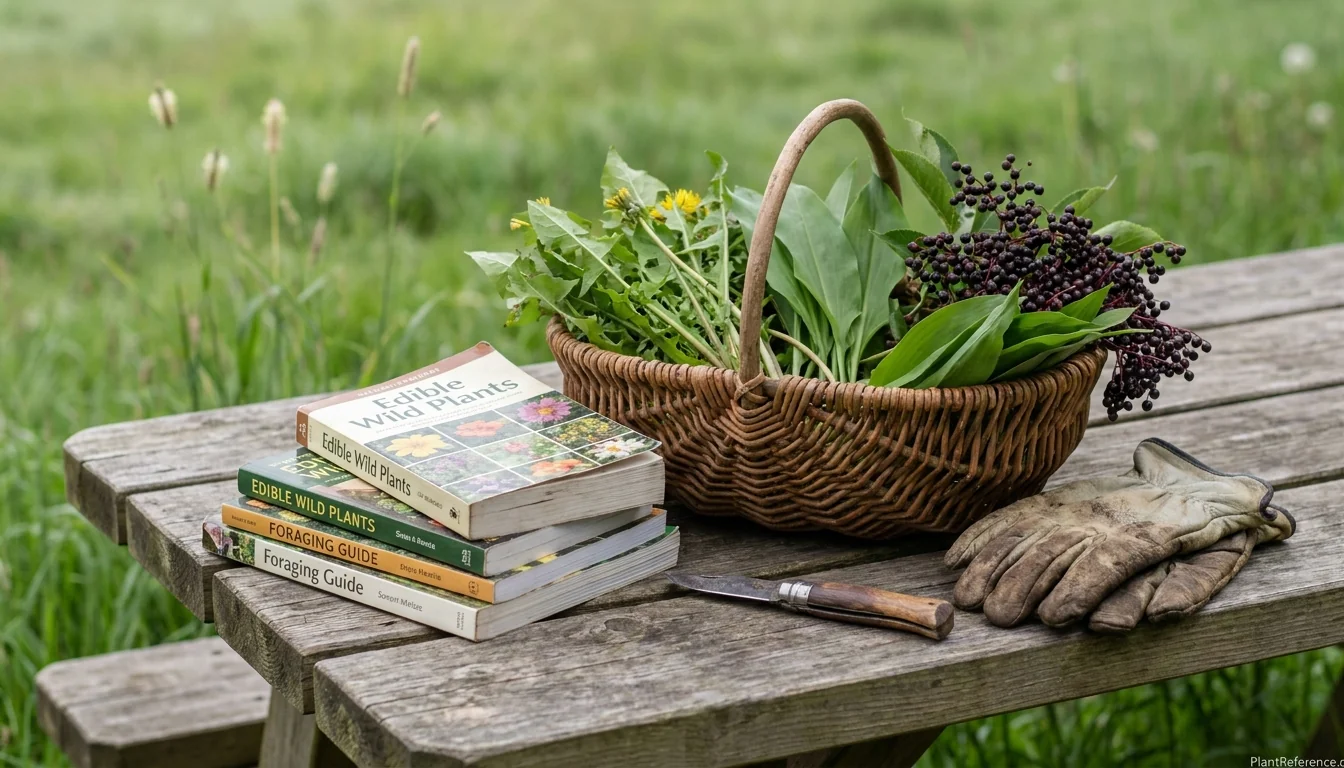
The best edible wild plant field guides for foraging, compared by region, photo quality, and safety detail—plus the one book that teaches you to verify any plant yourself.
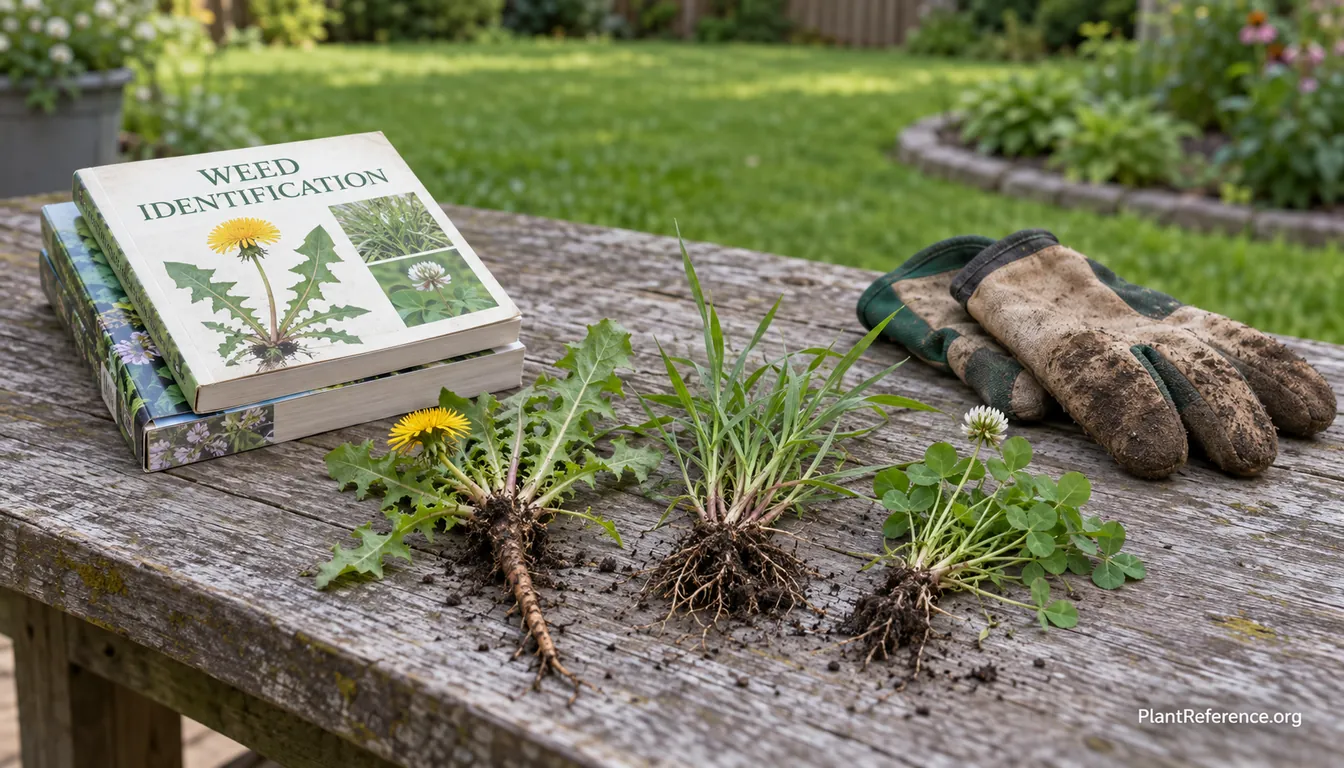
The best weed identification books for homeowners, compared by region, photo clarity, and seedling detail—so you can name the weed before you decide how to deal with it.
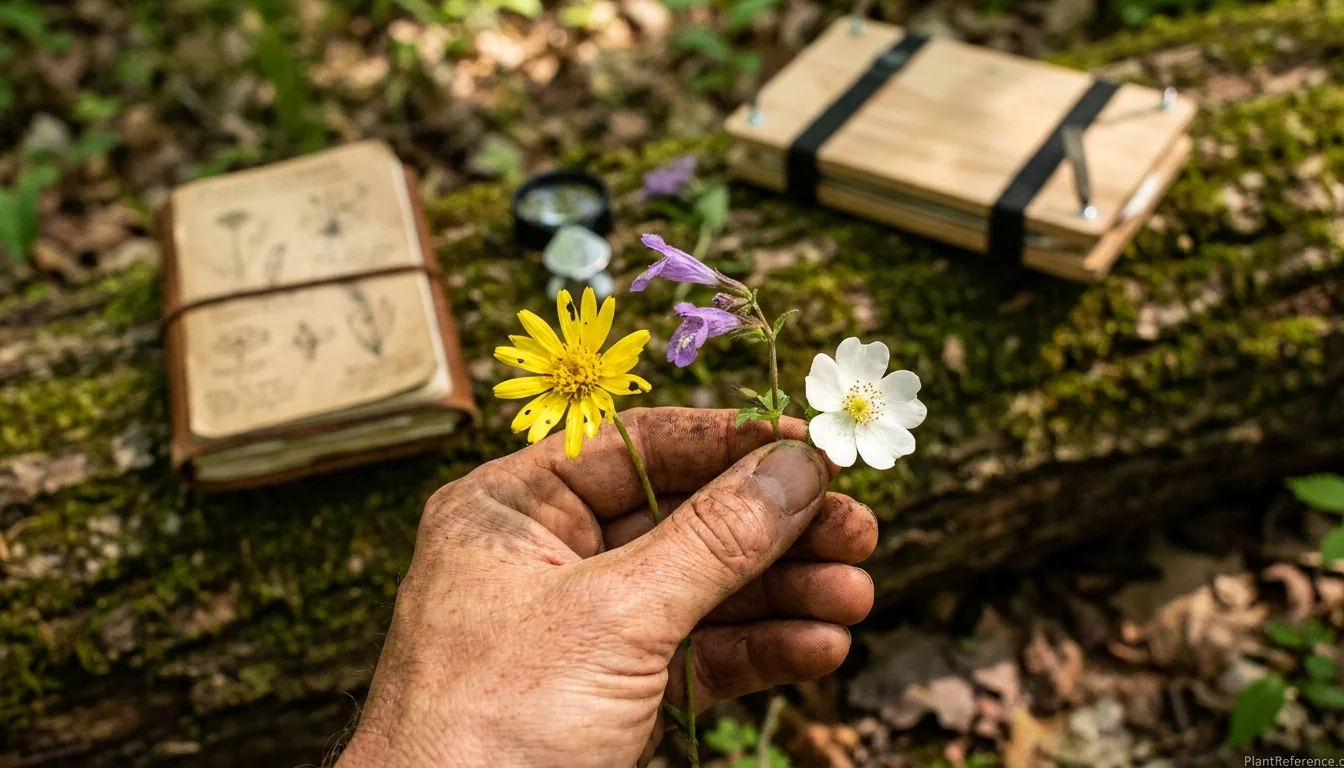
Use flower color as your starting point for wildflower identification, then confirm with petal count, symmetry, leaf arrangement, and bloom season to name any flower you find.
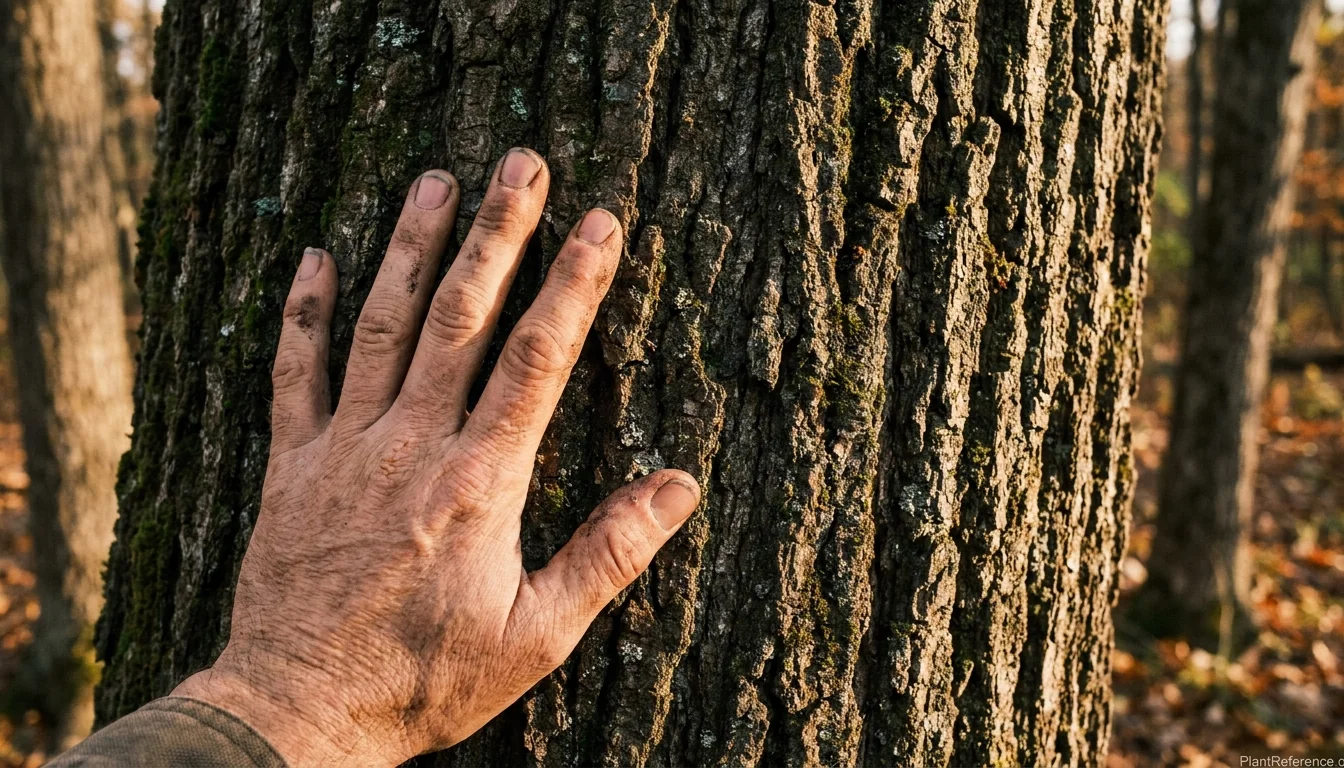
Tree bark identification lets you name trees year-round. Learn the five bark textures, read lenticels and ridges, and match 20 common North American species.
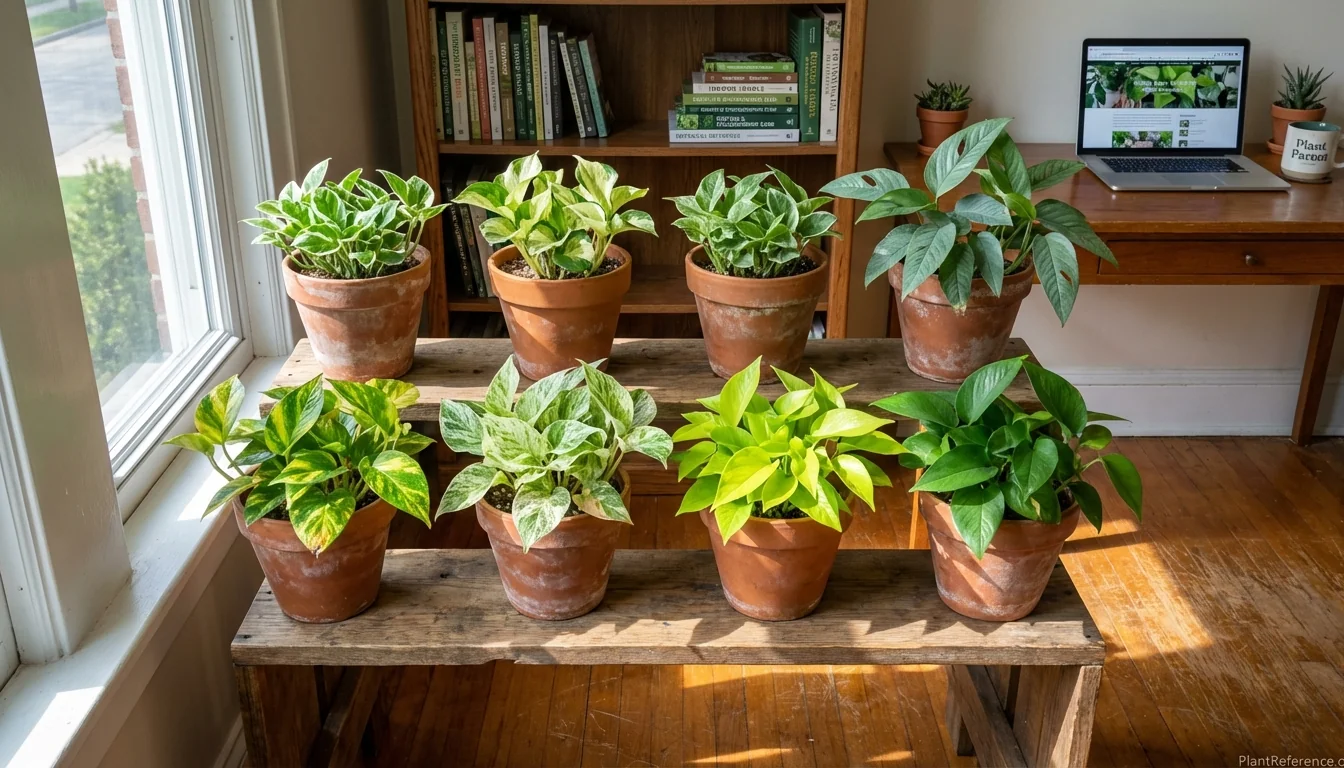
Learn how to identify houseplants by leaf shape, texture, and growth habit. A beginner-friendly visual guide to pothos, monstera, snake plants, and more.
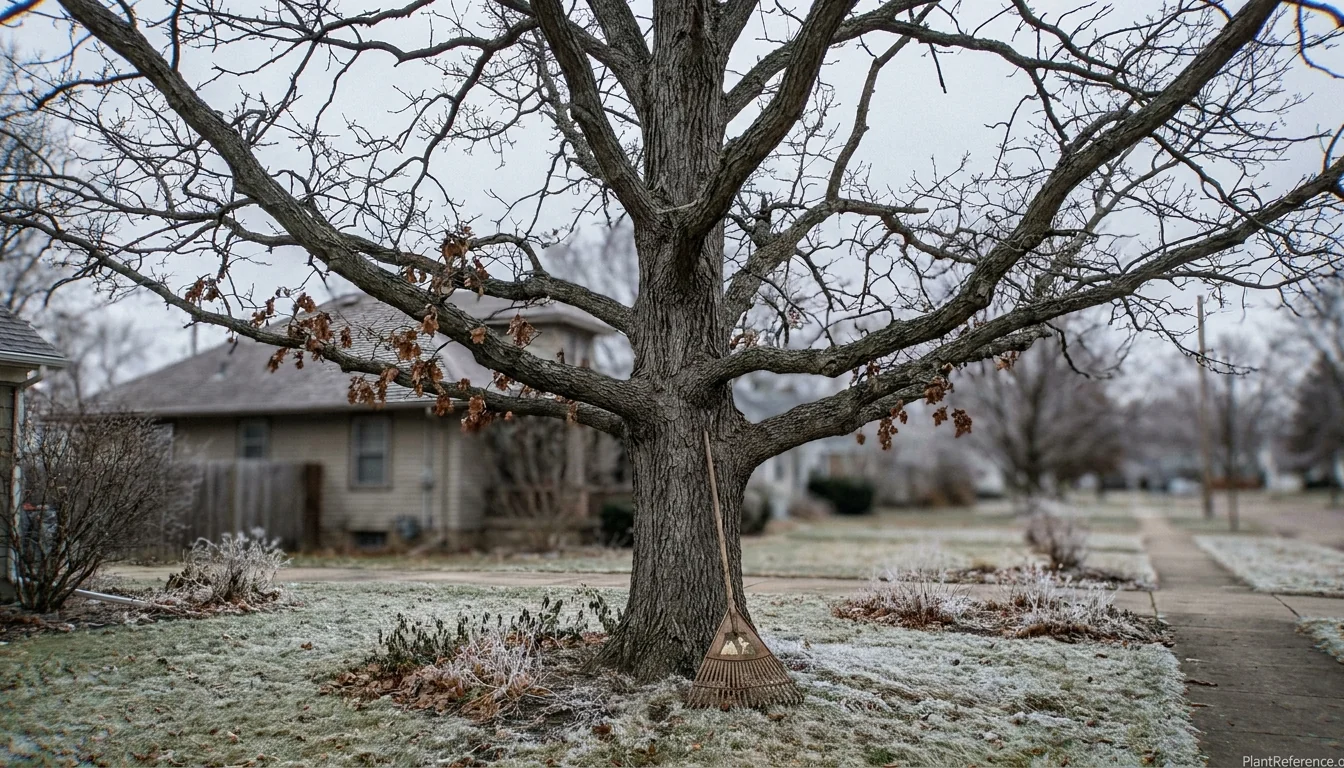
Winter tree identification is easier than you think. Use bark, buds, and branching patterns to name any leafless tree with confidence—no leaves required.
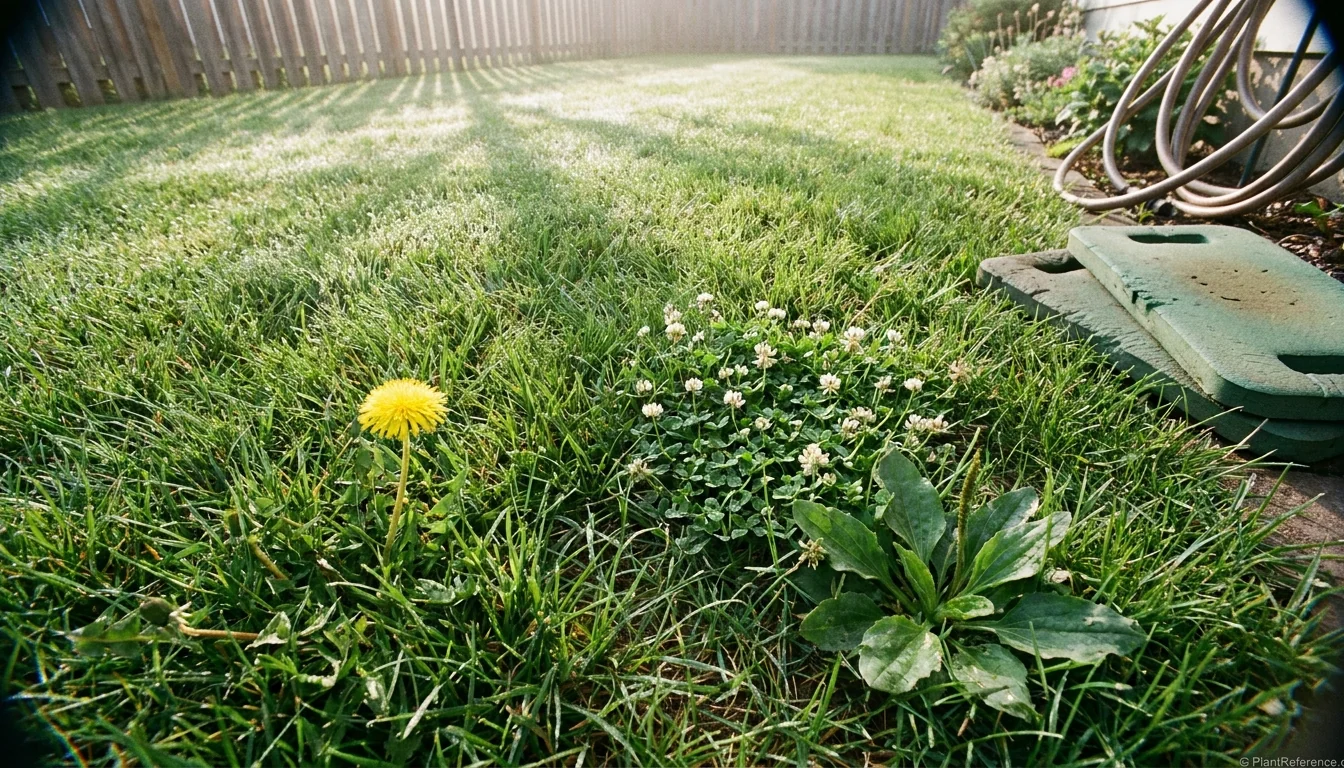
A common lawn weeds identification guide for homeowners. Learn to tell broadleaf weeds, grassy weeds, and sedges apart—and what each one reveals about your soil.
A botanist's flower identification guide using petal count, symmetry, arrangement, and color to narrow any flower down to family and species without guessing.
Discover 15 stunning pothos varieties from classic Golden to rare Baltic Blue. Learn identification tips, care differences, and where to find each type.
Plant identification starts with three observations: leaf arrangement, leaf shape, and flower structure. Master these three features and you can narrow any plant to its family in minutes.
Tree identification starts with the leaf. Shape, margin, arrangement, and venation narrow thousands of species to a handful. This visual guide covers the 8 key leaf features that identify any North American tree.
A dichotomous key is a series of two-choice questions that narrows thousands of species to one. Here is how to read one, use one on a real plant, and troubleshoot when you get stuck — no botany degree required.
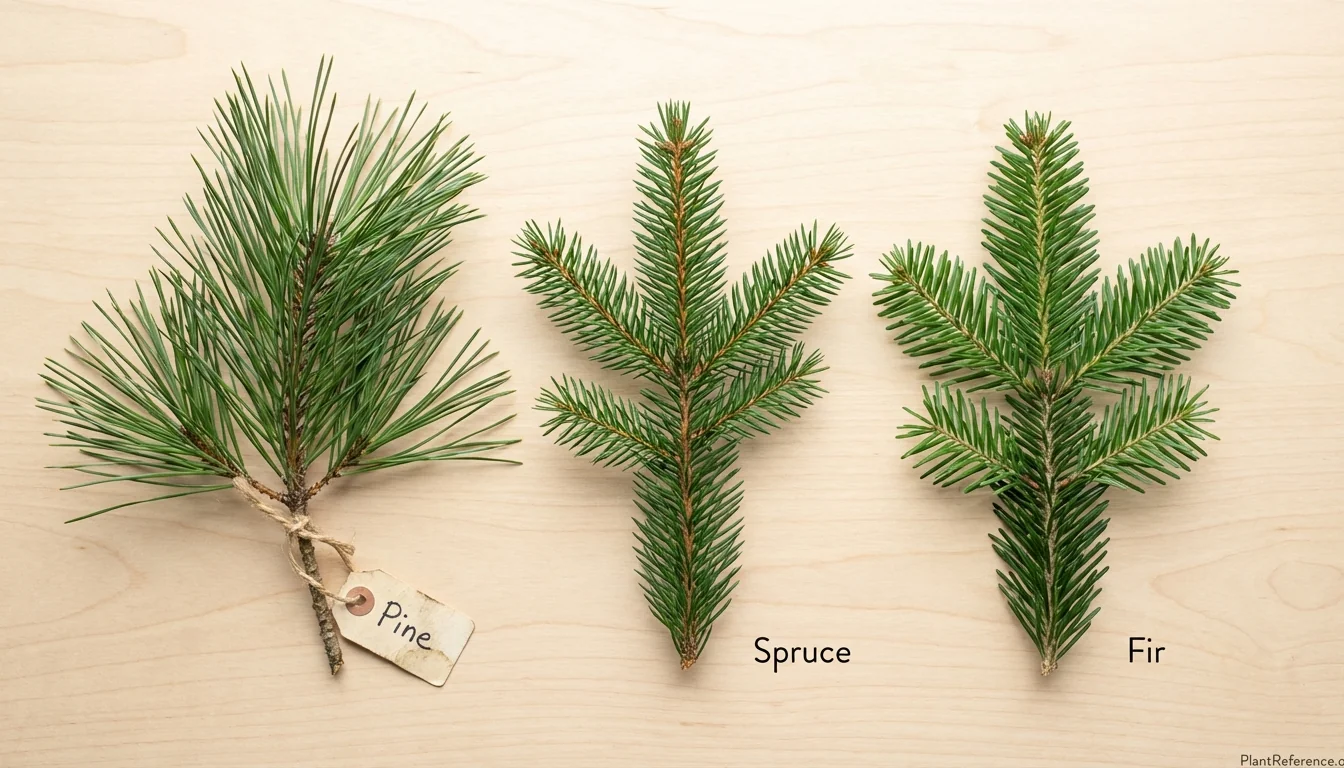
Pine, spruce, or fir? Three tests settle it: needle attachment, needle cross-section, and cone orientation. Pines have bundled needles, spruces have square rollable needles, and firs have flat soft needles with upright cones.
Most trees have alternate leaves. The short list of opposite-leaved trees is remembered with one mnemonic: MADCapHorse — Maples, Ash, Dogwoods, Caprifoliaceae, and Horsechestnuts. Here is how to check arrangement and why it matters.