Best Field Guides for Edible Wild Plants & Foraging
Pets & Toxicity
Recorded toxicity for plants linked in this guide. An unknown status is not a safety assessment.
Toxic to pets: poison hemlockDetailsHide
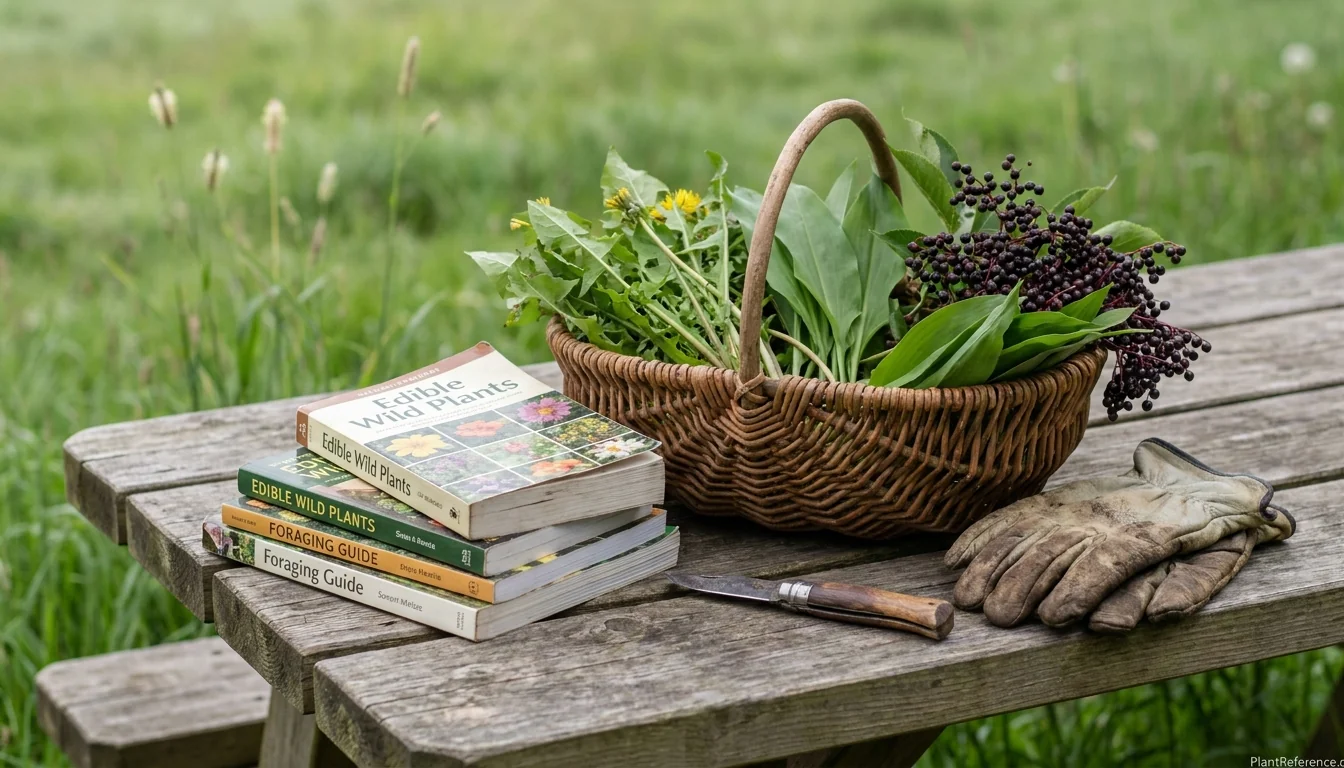
— Image © PlantReference.org 2026
Choosing the best edible wild plant field guide comes down to one question: does the book teach you to confirm a plant beyond doubt, or does it just show you a pretty picture and hope you match it? Foraging is the one branch of plant identification where a mistake can land you in the hospital, so the guides worth owning are the ones obsessed with positive identification, dangerous lookalikes, and the exact features that separate a meal from poison hemlock.
How to Choose a Foraging Field Guide
Not all field guides are built for foraging. A general wildflower guide tells you a plant's name; a foraging guide tells you whether you can eat it, which part, when, and what deadly cousin it resembles. That difference matters enormously when you are standing over a patch of white-flowered umbels trying to decide if it is wild carrot or 🌿Conium maculatum (KOH-nee-um mak-yoo-LAH-tum), the poison hemlock that killed Socrates.
Three features separate a great foraging guide from a dangerous one.
Positive identification focus: The best guides list every distinguishing feature and walk you through ruling out lookalikes, rather than relying on a single image match.
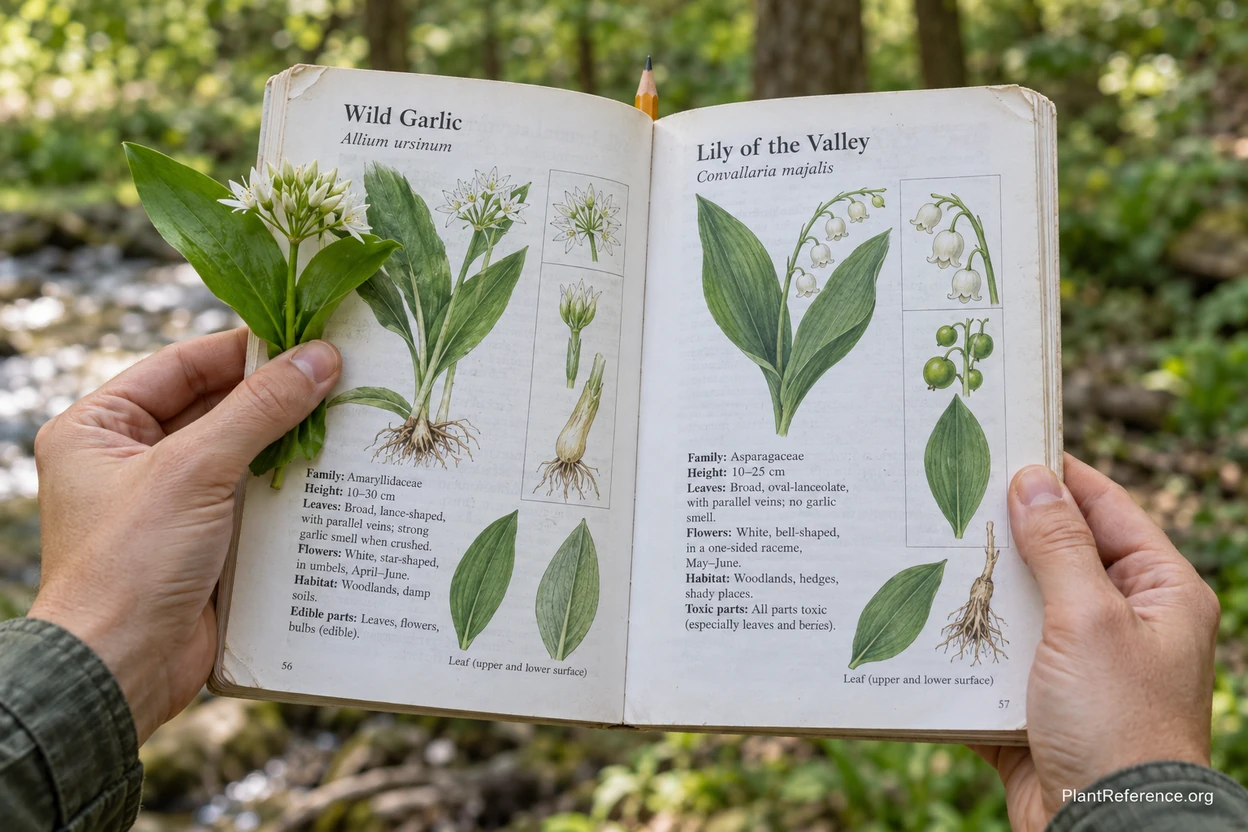
Lookalike warnings: Each edible should be paired with its toxic mimics—wild carrot with poison hemlock, ramps with lily of the valley, elderberry with water hemlock.
Harvest and preparation detail: A plant can be edible raw, edible only cooked, or edible only at one growth stage. A serious guide spells this out.
Photo quality matters too, but in a specific way. You want multiple images per plant showing the leaf, stem, flower, and seasonal changes—not one glamour shot. A single photo is the most common reason beginners misidentify wild food. How to Identify Any Plant: A Beginner's Guide to Leaves, Flowers, and Stems
Best Foraging Field Guides Compared
After years of recommending books to nervous beginners and seasoned naturalists, these are the foraging guides that consistently earn their place in a daypack. The table compares them at a glance, and the notes below explain who each one suits.
Field Guide | Best For | Coverage | Why It Stands Out |
|---|---|---|---|
The Forager's Harvest (Thayer) | Overall safety & depth | ~32 key species, in depth | Obsessive positive-ID and lookalike detail |
Peterson Field Guide to Edible Wild Plants | Eastern & central US | 370+ species | Time-tested keys, compact, region-specific |
Nature's Garden (Thayer) | Intermediate foragers | ~40 species, in depth | Picks up where Forager's Harvest leaves off |
Backyard Foraging (Zachos) | Suburban beginners | 65 familiar plants | Plants you already walk past every day |
Botany in a Day (Elpel) | Learning plant families | Family-level patterns | Teaches the system, not just the species |
Edible Wild Plants (Kallas) | Deep dive on greens | 7 wild greens, exhaustively | Lab-grade photos and preparation science |
Samuel Thayer's The Forager's Harvest is the book I hand to anyone serious about wild food. Thayer forages for a living, and his writing reflects a healthy paranoia about misidentification. Instead of cramming hundreds of species into thin entries, he covers around thirty plants in exhaustive detail, with multiple photographs of each at different growth stages and frank discussion of every lookalike. Poisonous Plants to Avoid: A Visual Safety Guide
The Peterson Field Guide to Edible Wild Plants is the classic region-specific pick for eastern and central North America. It follows the proven Peterson visual system—arrows pointing to key field marks—and packs over 370 species into a jacket-pocket format. It is less hand-holding than Thayer, so it shines once you already understand basic plant structure. Wildflower Identification by Color: Name Any Flower
For foragers ready to expand, Thayer's Nature's Garden is the natural sequel, adding another forty species with the same rigor. Ellen Zachos's Backyard Foraging takes the opposite approach: it focuses on sixty-five plants you already pass on sidewalks and in gardens, like 🌿Taraxacum officinale (tuh-RAKS-uh-kum oh-fiss-ih-NAH-lee) and 🌿Portulaca oleracea, making it the gentlest on-ramp for nervous beginners.
Regional vs National Guides
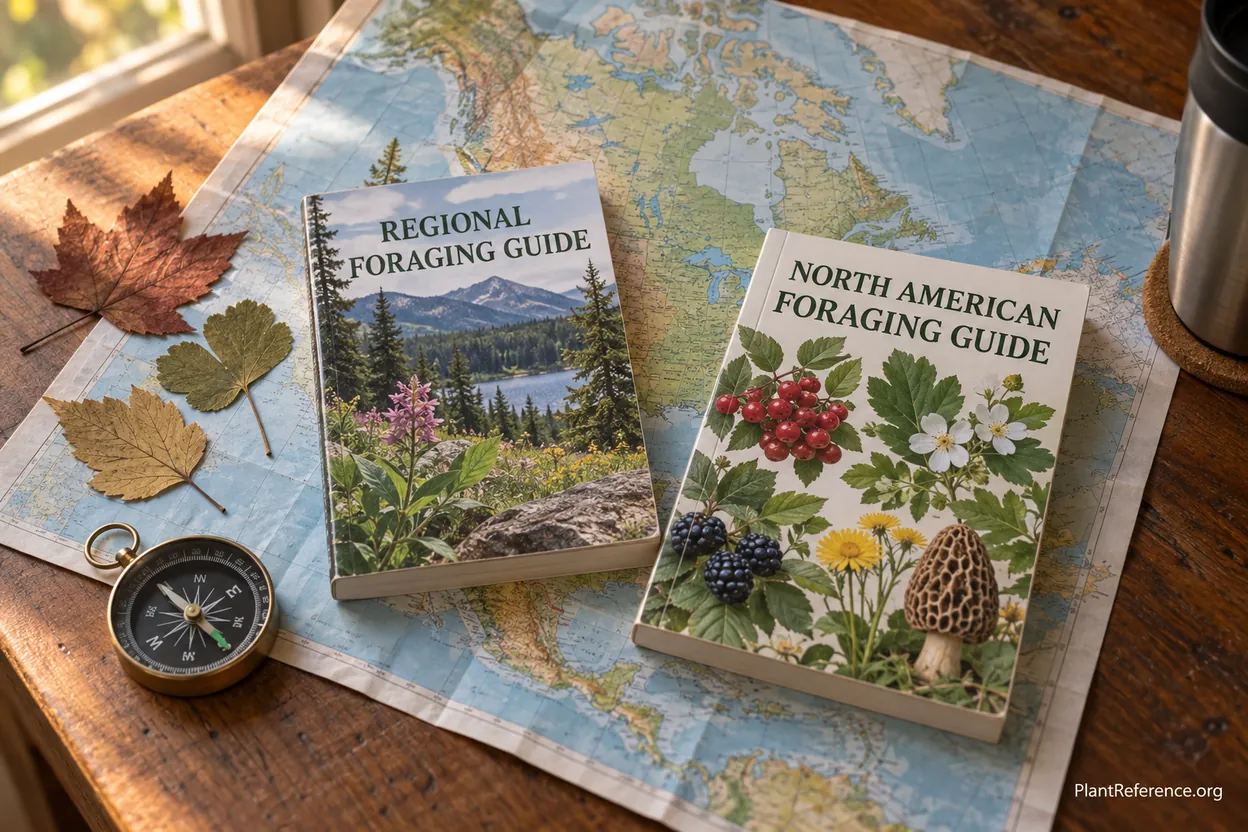
The single biggest mistake new foragers make is buying a national guide and assuming it covers their backyard. A continent-wide book spreads its pages thin, and the plant you are holding may only get a sentence—or may not appear at all because it grows three states away.
Regional guides solve this. A book focused on the Pacific Northwest, the Southeast, or the desert Southwest devotes real space to the species you will actually encounter, including local lookalikes. The Falcon Guides foraging series, for example, publishes state and region titles that pair beautifully with a deeper national reference. How to Identify Trees by Their Leaves: Shapes, Margins, and Venation Explained
The ideal foraging library is two books: one national or depth-focused guide that teaches you how to identify carefully, and one regional guide that covers exactly what grows where you live. Buying both costs less than a single mistake.
Guide Type | Strength | Weakness | Pair With |
|---|---|---|---|
National/continental | Broad coverage, portable | Thin entries, generic ranges | A regional companion |
Regional/state | Local species & lookalikes | Limited outside its area | A national depth guide |
Depth (few species) | Total confidence per plant | Small species count | A broad reference |
Family-based | Teaches the whole system | No species shortcuts | Any species guide |
Why Plant Families Matter More Than Photos
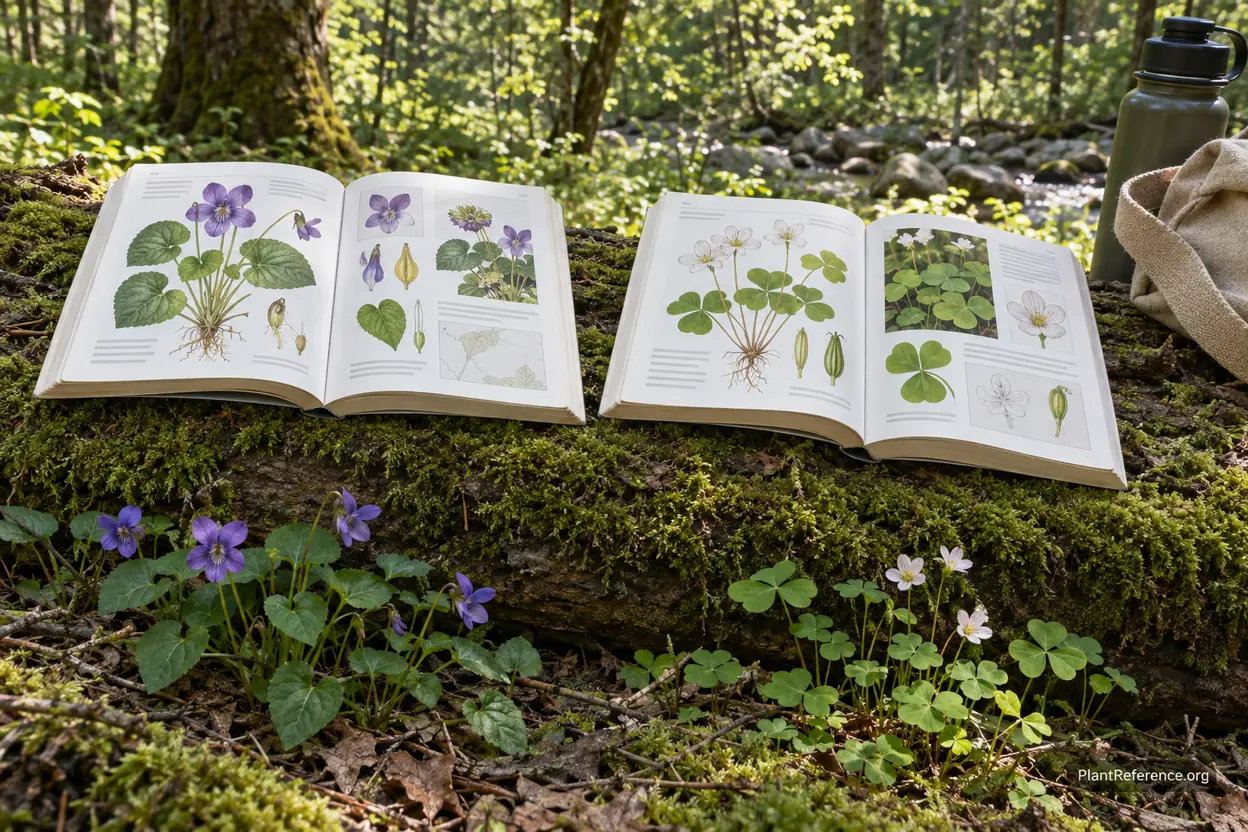
Here is the truth that separates lifelong foragers from people who give up after one scare: you cannot photo-match your way to safety. There are too many species, too much regional variation, and too many lookalikes. What works is learning to read plant families.
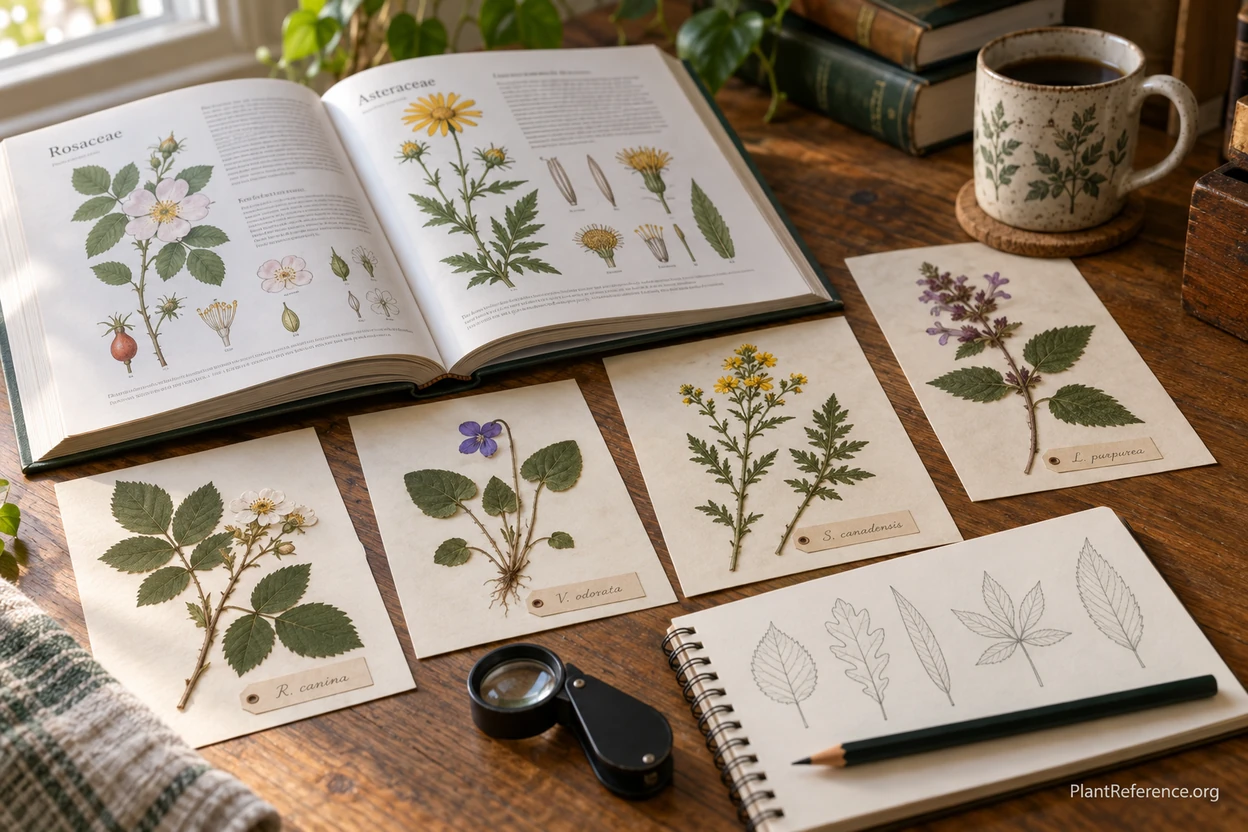
This is exactly why Thomas Elpel's Botany in a Day belongs in every forager's kit even though it is not a foraging book. It teaches the patterns of major plant families—the four-petaled cross of Brassica mustards, the square stems and opposite leaves of the Lamiaceae mint family, the umbrella-shaped umbels of the carrot family that contain both delicious and deadly members. Once you recognize the Apiaceae family on sight, you know to slow down and verify every white umbel with extreme care. Simple vs Compound Leaves: How to Tell the Difference
This family-first approach is also the philosophy behind PlantReference. Apps identify plants for you; PlantReference teaches you to identify plants yourself. The flashcard system shows multiple images per species so you learn the plant rather than one photograph, and spaced-repetition quizzes drill the family-level patterns that field guides assume you already know. Used alongside a good foraging book, it turns reading into recognition. Flower Identification Guide: Petals, Shape & Color Explained
How to Forage Safely With Any Guide
No field guide is foolproof, and the best foragers treat every identification as a case to be proven, not assumed. A few habits make any guide far safer to use.
Never eat on a single feature. Confirm leaf, stem, flower, smell, and habitat before you trust an identification.
Learn the deadly few first. Poison hemlock, water hemlock, and pokeweed grow across much of North America—know them cold before anything else.
Cross-reference two sources. If your guide and a second reference disagree, do not eat the plant.
Start with unmistakable species. Cattails, elderberries, and dandelions have few dangerous lookalikes and build confidence.
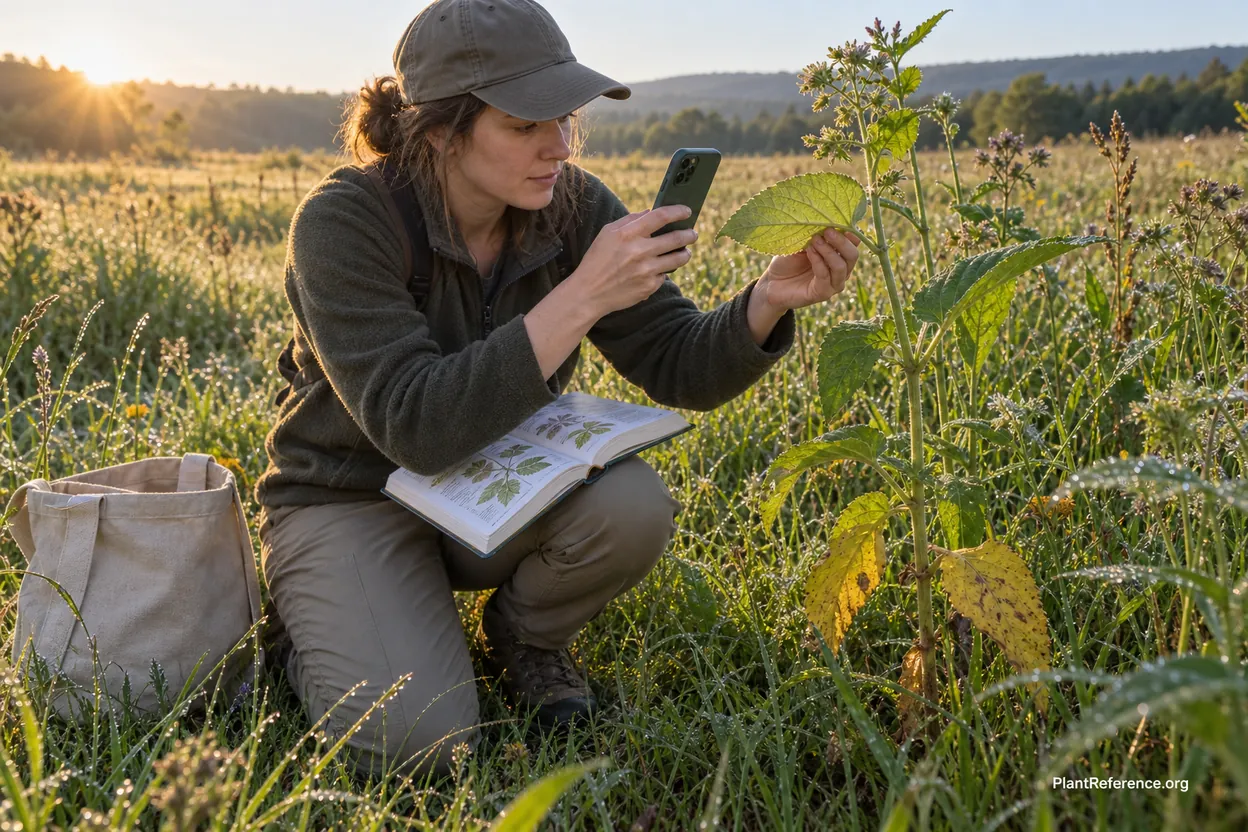
Photograph before you pick. A complete photo set lets you verify later and catch a mistake before it reaches the kitchen.
Field photography is its own skill. A clear shot of the leaf underside, the stem attachment, and the flower structure often makes or breaks an identification later, so a weatherproof notebook earns its keep. Plant Identification App Accuracy: Why Apps Get It Wrong
Above all, respect the umbels. The carrot family, Apiaceae, contains wild carrot, fennel, and parsnip alongside 🌿Conium maculatum and water hemlock, the two most lethal plants in North America. If your guide does not give the Apiaceae a serious safety treatment, it is not a serious foraging guide. Poison Hemlock vs Queen Anne's Lace: How to Tell Them Apart
Start with one excellent guide, add a regional companion, and build your skills on the plant families rather than the photographs. That combination—not any single book—is what turns a hopeful beginner into a confident, safe forager.
Frequently Asked Questions
Reading about plants and recognising them are different skills. These three build the second.
- Daily PlantIdentify the day’s mystery plant from a close-up photograph.
- Keyed OutWork a dichotomous key, lead by lead, to name a hidden specimen.
- Name That PlantName a specimen from botanical clues dealt hardest first.
Free to play, no account needed
Tagged with
Helen is an interior plant stylist in Los Angeles who works with restaurants, offices, and residential clients to select and maintain indoor plants. She studied design in college and got into plants when a client asked her to "green up" a mid-century modern home. Helen's expertise sits at the intersection of design and plant care—she thinks about light, scale, texture, and color, but she also knows which plants will actually survive in a given space. She's killed enough fiddle leaf figs in dark corners to know better. Helen maintains her own collection of over 80 houseplants in her apartment and writes about indoor plant selection, styling, and the practical side of keeping plants alive in interior environments.