Image 1 of 15
1 / 15
Plant Reference
Taraxacum, Genus, officinale, Species,
- Genus & species
common dandelion
Europe and western Asia; lawns, pastures, roadsides, and disturbed ground from sea level to approximately 12,000 feet (3,600 m).
Overview
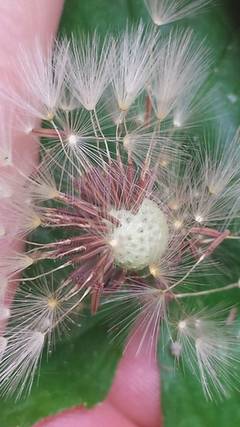
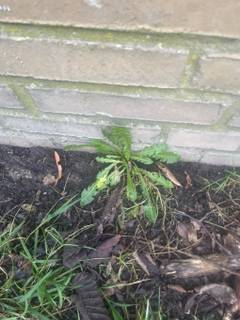
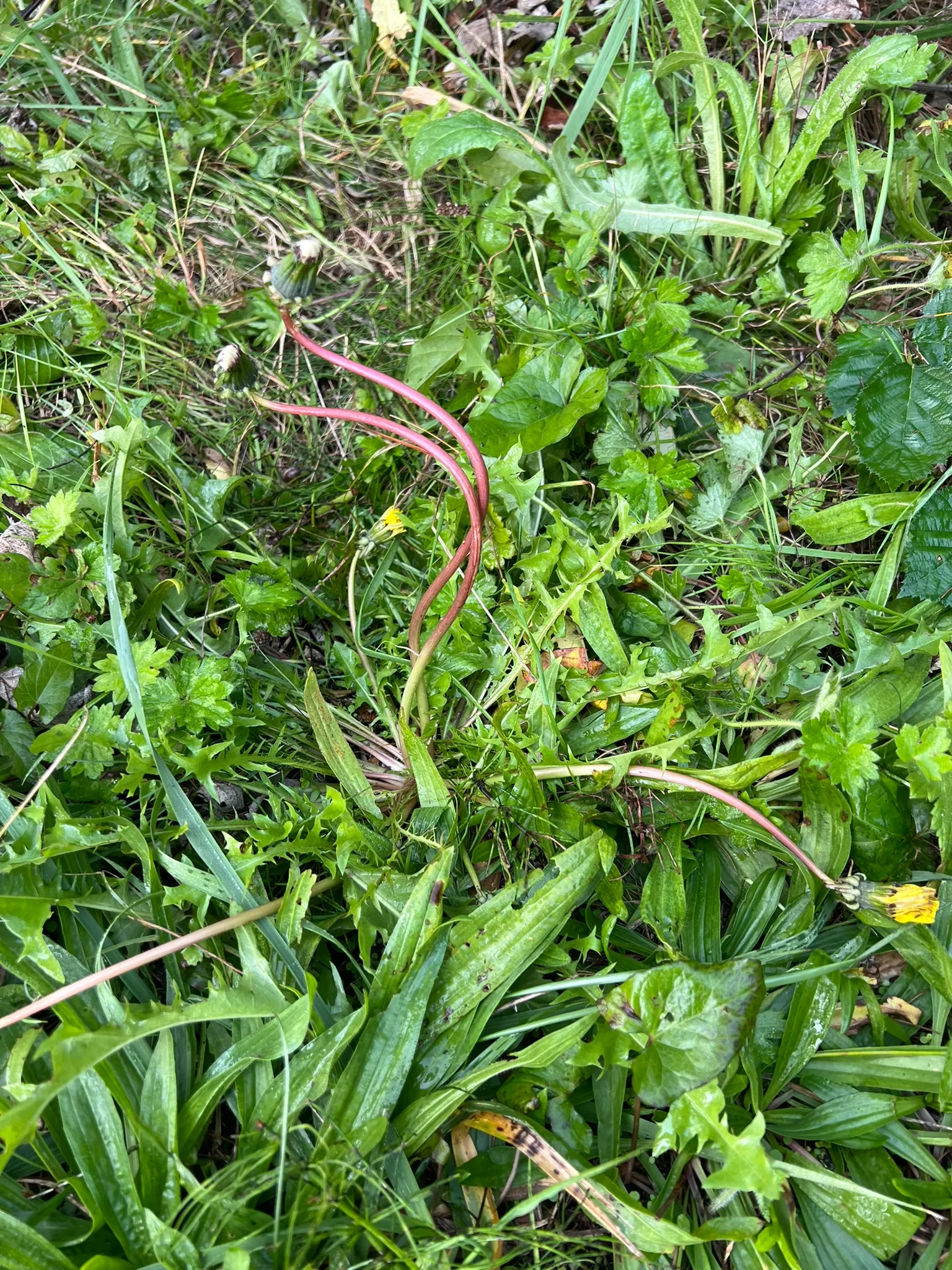
Taraxacum officinale is a taprooted perennial reaching 2-18 inches (5-45 cm) tall and 6-18 inches (15-45 cm) wide, growing as a basal rosette that sends up solitary flower heads on hollow leafless scapes. The taproot is fleshy, dark brown, and reaches 6-18 inches (15-45 cm) deep, exuding milky white latex when cut. Leaves are in a basal rosette, 2-16 inches (5-40 cm) long, deeply pinnately lobed with backward-pointing triangular lobes (runcinate), smooth to sparsely hairy. Scapes are hollow, smooth, 2-18 inches (5-45 cm) tall, each bearing a single head. Flower heads are 1-2 inches (2.5-5 cm) in diameter, composed entirely of ligulate (ray-type) florets, bright yellow, with involucral bracts in two series: the outer bracts reflexed downward and the inner bracts erect. Fruit is a ribbed achene with a long beak topped by a white pappus of feathery hairs that together form the spherical seed clock 1-1.5 inches (2.5-4 cm) in diameter. A single plant produces 2,000-15,000 seeds per year. Reproduction is primarily by apomixis, which means seeds develop without pollination and are genetic clones of the parent; the taproot regenerates from root fragments as short as 1 inch (2.5 cm). Hardy in USDA zones 3-10 (-40°F / -40°C) and widespread across all inhabited continents. Arguably the most recognized weed worldwide and a familiar plant in lawns, pastures, and roadsides across the Pacific Northwest. All parts are edible.
Native Range
Taraxacum officinale is native to Europe and western Asia, where it grows in lawns, pastures, roadsides, and disturbed ground from sea level to approximately 12,000 feet (3,600 m). The species has naturalized across all 50 U.S. states and all Canadian provinces, is present on every inhabited continent, and has been recorded near research stations in Antarctica, giving it essentially global distribution.Suggested Uses
The species is used in Asteraceae identification as the standard example of an all-ligulate flower head (Cichorieae tribe), the pappus-based wind dispersal mechanism, and the milky latex that is shared across the tribe. Apomictic reproduction is a primary teaching example in plant reproductive biology, since the species produces viable seed without pollination and populations accumulate genetic diversity through rare sexual events rather than through routine outcrossing. The hollow scape, runcinate leaf shape, and reflexed outer involucral bracts are standard morphological teaching features for the genus. Plants are edible across multiple plant parts: young leaves as salad greens, roots roasted as a coffee substitute, and flowers in dandelion wine. The species is an early-season pollen and nectar source for bees in spring.How to Identify
Appearance
Size & Dimensions
Height2" - 1'6"
Width/Spread6" - 1'6"
Bloom Information
Solitary bright yellow heads 1-2 inches (2.5-5 cm) in diameter open from March through October, with peak bloom in the Pacific Northwest in April through June. In mild-winter lowland sites, some flowering occurs in every month of the year. Individual heads open on sunny mornings and close at night and in rain. Scapes elongate after pollination, lifting the developing pappus clock above the rosette. Reproduction is primarily by apomixis: seeds develop without fertilization and are genetic clones of the parent plant, so pollen is produced and collected by bees but is not required for seed formation.
Detailed Descriptions
Flower Description
Bright yellow; solitary flower heads 1-2 inches (2.5-5 cm) in diameter composed entirely of ligulate (ray-type) florets with no disc florets; open from March through October, closing at night and in rainFoliage Description
Medium green; basal rosette of deeply pinnately lobed leaves with backward-pointing triangular lobes (runcinate); 2-16 inches (5-40 cm) long; smooth to sparsely hairy; milky white latex throughoutGrowing Conditions
Sun Requirements
Requires 3-10 hours of direct sunlight daily
• Full Sun: 6+ hours of direct sunlight
• Partial Shade: 3-6 hours of direct sunlight
• Full Shade: Less than 3 hours of direct sunlight
Care & Maintenance
Care Guide
Digging the entire taproot is the thorough management approach, extracting to at least 4-6 inches (10-15 cm) depth because root fragments regenerate, and a narrow dandelion weeding tool or forked weeder is the standard hand tool. Mowing removes flower heads but does not eliminate the basal rosette, and plants flower at progressively shorter scape heights under repeated mowing pressure. In lawns, dense vigorous turf at 3 inches (8 cm) or greater mowing height suppresses establishment. Apomictic reproduction means a single plant can establish a population without any pollen source, and the long-lived soil seed bank combined with wind dispersal of the pappus means eradication from large areas is not a practical management goal; most management focuses on reducing density at high-value sites rather than eliminating the species.Pruning
No pruning is applicable. Plants are dug with a narrow weeding tool, extracting 4-6 inches (10-15 cm) of taproot. Mowing before the pappus clock forms prevents seed dispersal but does not kill the rosette, and the rosette reflowers at lower scape heights after mowing.Toxicity
Non-toxicPlanting Guide
Planting Methods & Timing
Planting Method
direct sow
Days to Maturity
85–95 days
Plant Spacing
8 inches