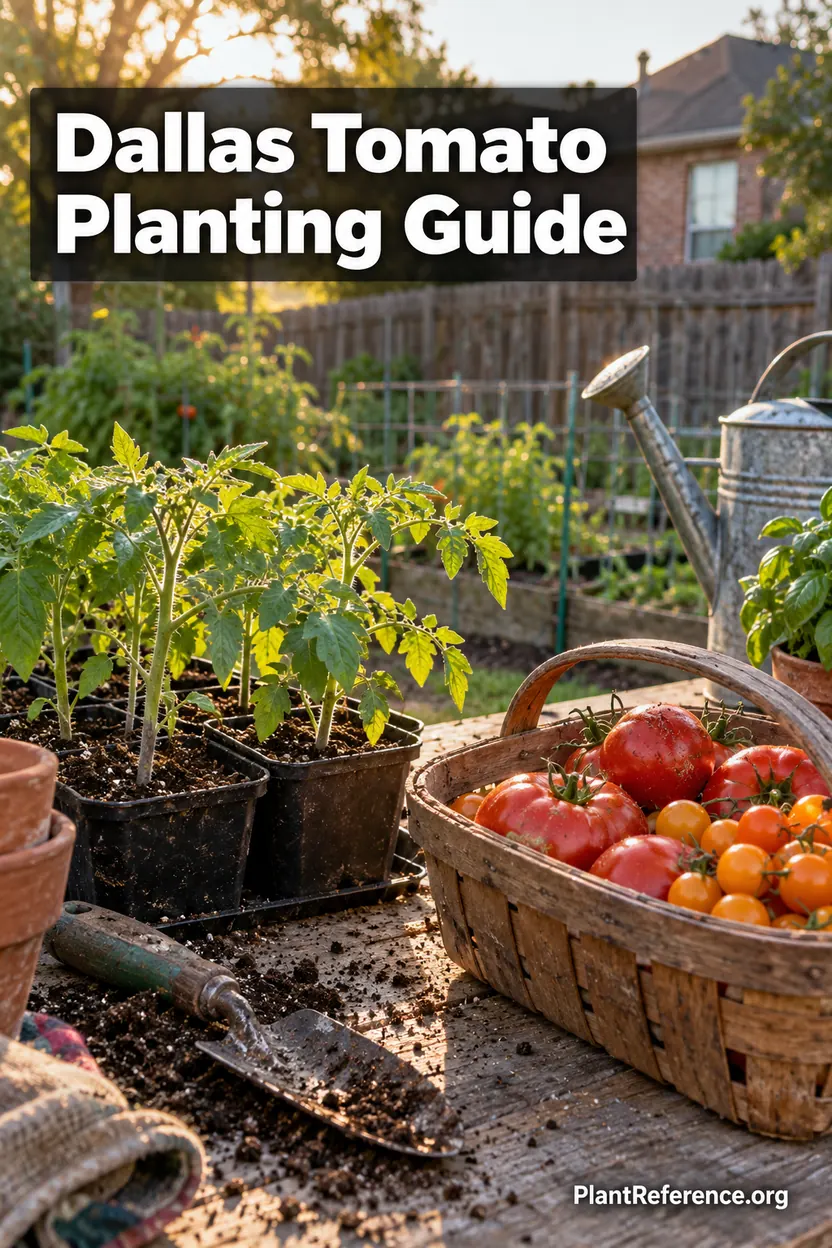
When to Plant Tomatoes in Dallas: Zone 8a Guide
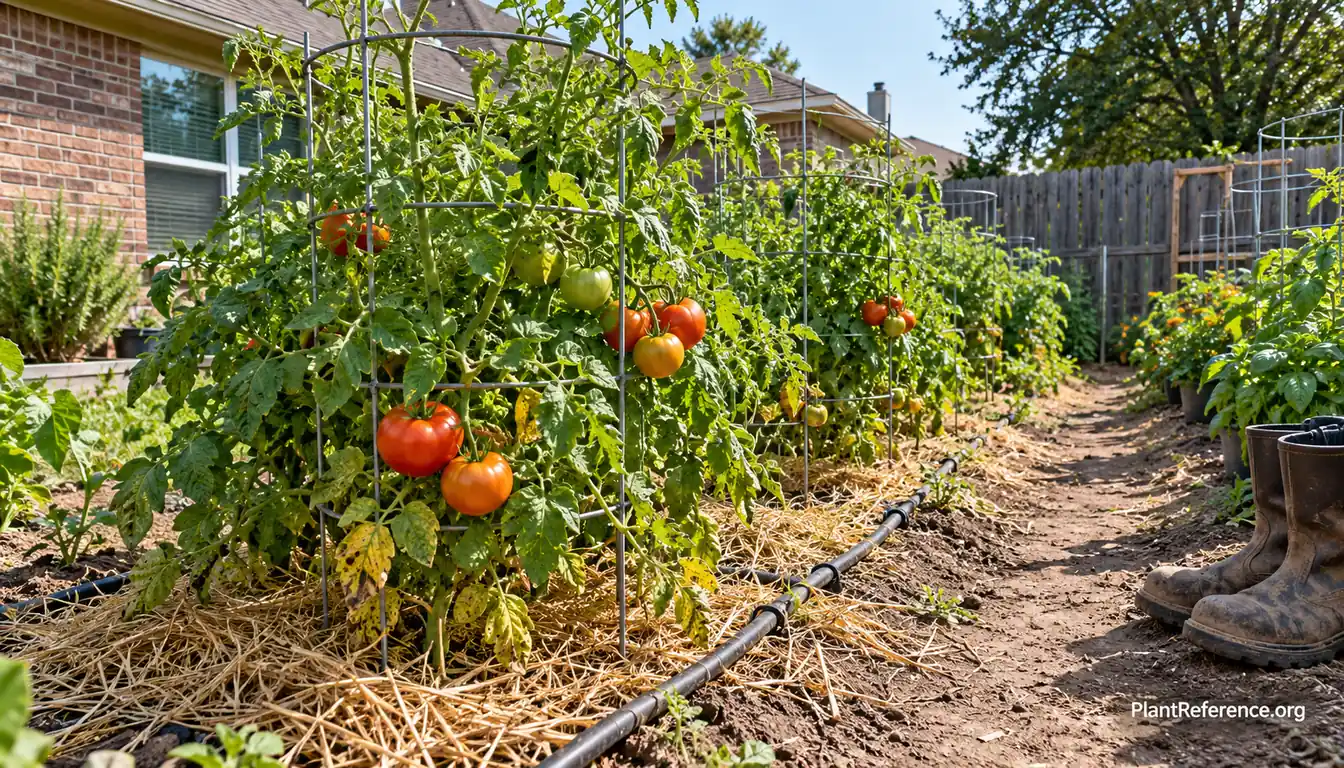
— Image © PlantReference.org 2026
Pets & Toxicity
Recorded toxicity for plants linked in this guide. An unknown status is not a safety assessment.
Toxic to pets: tomato, early girl tomato, Stupice tomato and 4 moreDetailsHide
Solanum lycopersicum — Toxicity Warning
Toxic to pets and humansView Solanum lycopersicum plant profileSolanum lycopersicum 'Early Girl' — Toxicity Warning
Toxic to petsView Solanum lycopersicum 'Early Girl' plant profileSolanum lycopersicum 'Stupice' — Toxicity Warning
Toxic to petsView Solanum lycopersicum 'Stupice' plant profileSolanum lycopersicum 'Sungold' — Toxicity Warning
Toxic to petsView Solanum lycopersicum 'Sungold' plant profileSolanum lycopersicum 'Cherokee Purple' — Toxicity Warning
Toxic to petsView Solanum lycopersicum 'Cherokee Purple' plant profileSolanum lycopersicum 'San Marzano' — Toxicity Warning
Toxic to petsView Solanum lycopersicum 'San Marzano' plant profileSolanum lycopersicum 'Brandywine' — Toxicity Warning
Toxic to petsView Solanum lycopersicum 'Brandywine' plant profileWhen to plant tomatoes in Dallas comes down to getting established before sustained summer heat without sacrificing plants to a late cold snap. Start tomato seeds 🌿Solanum lycopersicum (so-LAY-num ly-koh-PER-sih-kum) indoors January 18–February 1, then consider March 22–29 for transplanting if the forecast and soil conditions agree. Getting an early start helps; planting into cold mud does not.
This plan uses the city's stored Zone 8a record, with March 15 and November 25 frost benchmarks. Those dates are planning references, not a prediction for a particular yard or year. A long frost-free window can still contain weeks of poor fruit set, so spend your effort on early varieties, sound drainage, and reliable irrigation. Soil Health 101: How to Build Living, Productive Garden Soil is a useful foundation before buying more plants or fertilizer.
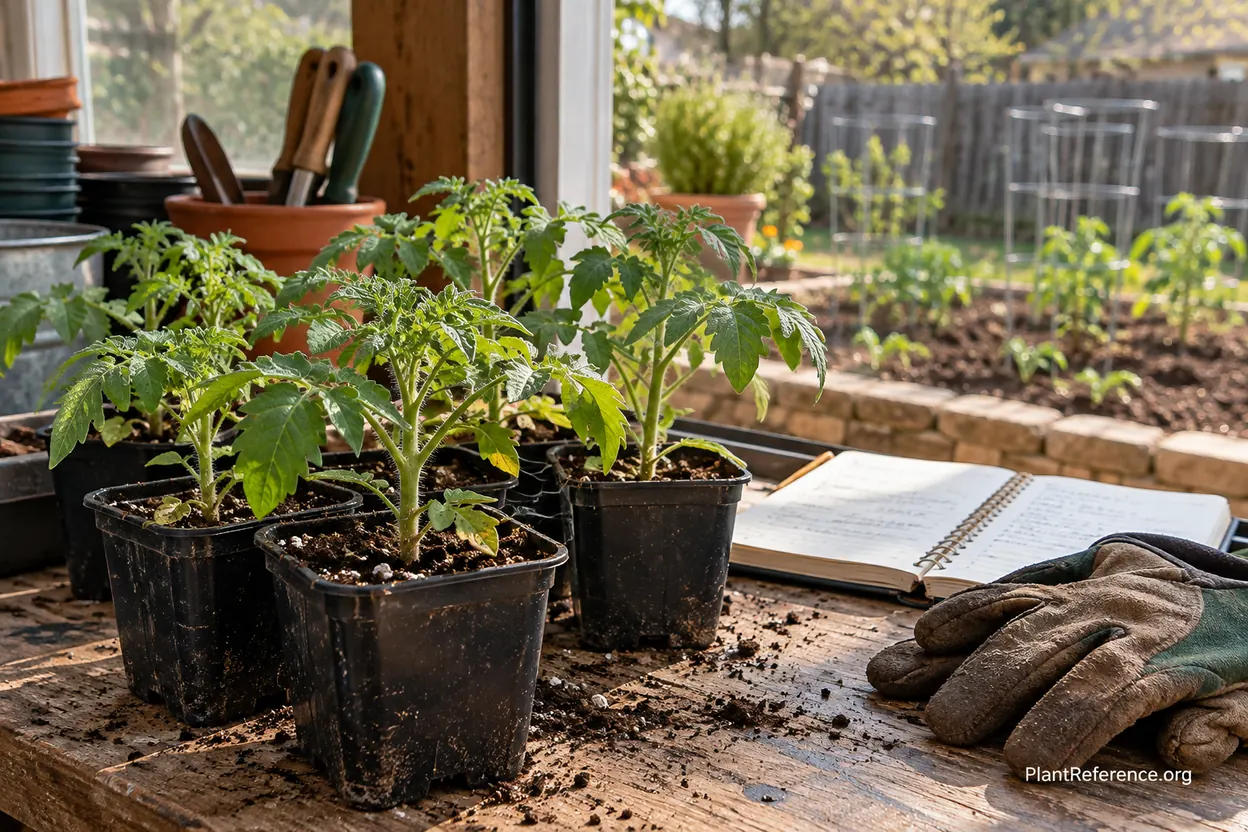
Best Tomato Varieties for Dallas's Climate
Put early harvests ahead of impressive labels
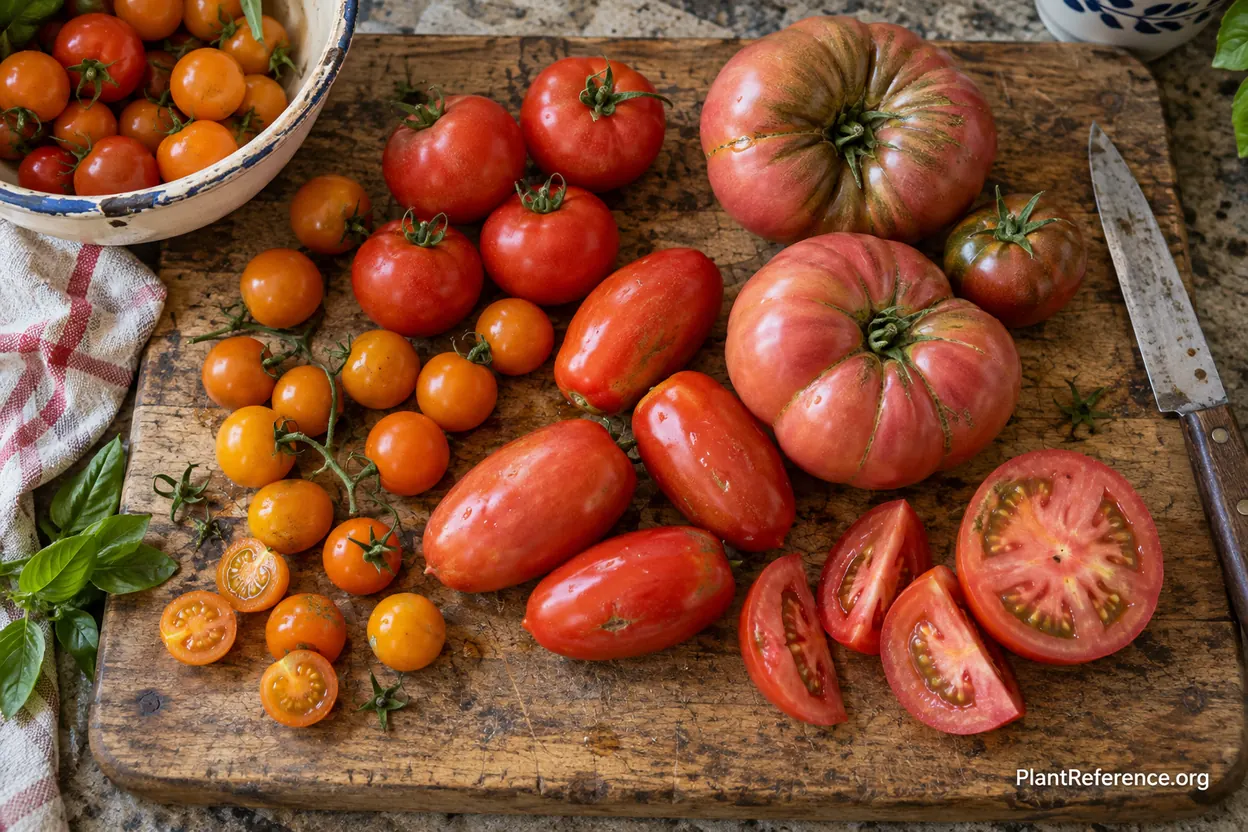
All six choices below are indeterminate: they keep extending vines and producing flower clusters while conditions allow. They need substantial support and room to grow. The maturity figures are approximate days after transplanting, not from the day you sow seed, and heat or transplant stress can delay the first ripe fruit.
Make an early slicer or cherry tomato the dependable part of the plan. Add a late heirloom because you want its flavor, not because the long calendar guarantees success. No variety in this comparison should be sold as immune to the effects of hot nights.
Variety | Days to Maturity | Best For | Local Growing Notes |
|---|---|---|---|
50–62 days | Early slicing | Helps get fruit before persistent heat; check packet resistance codes | |
52–60 days | Early salad fruit | Short maturity suits a fall trial; cool tolerance is not frost hardiness | |
55–65 days | Sweet cherry tomatoes | Pick frequently and avoid abrupt moisture swings that split skins | |
75–90 days | Rich-flavored slices | Protect fruit shoulders with healthy foliage and watch cracking | |
78–85 days | Sauce and cooking | Needs consistent watering to limit blossom-end rot risk | |
80–100+ days | Large heirloom fruit | A flavor experiment with greater exposure to heat and disease setbacks |
🌿Solanum lycopersicum 'Early Girl' is a sensible first choice for sandwiches. Its shorter maturity range gives you more room to recover from a delayed transplant date. Some seed lines have resistance to particular wilt diseases; read the packet rather than assuming every plant with a similar name carries identical resistance.
🌿Solanum lycopersicum 'Stupice' produces smaller salad tomatoes on an early schedule. That makes it useful when you want quick production or are trying a later planting. It can handle cool conditions better than many large-fruited types, but it remains a tender tomato that needs protection from frost.
Choose the rest for the kitchen and the watering routine
🌿Solanum lycopersicum 'Sungold' offers orange cherry fruit for frequent picking. Its thin skin makes water management especially important. Letting the bed dry hard and then soaking it can turn a promising cluster into split fruit; inspect ripening clusters after storms as well.
For large slices, 🌿Solanum lycopersicum 'Cherokee Purple' brings a different flavor and texture. Expect irregular shoulders and allow it space. 🌿Solanum lycopersicum 'Brandywine' takes longer and can lose flowers during unfavorable temperatures, so do not make it your only plant if a dependable harvest is the priority.
🌿Solanum lycopersicum 'San Marzano' makes sense when you actually plan to cook the harvest. Its elongated fruit is prone to blossom-end rot when water delivery becomes uneven. Buying a calcium product does not remove that irrigation responsibility.
Zone 8a tells you about winter cold, not which tomato will set fruit through every summer week. Keep notes on first harvest, splitting, and flavor. Next year's best choice is the one that performed under your conditions and ended up on your plate.
Specific Planting Dates for Dallas
Calculate the spring window, then check conditions
The stored March 15 last-frost and November 25 first-frost dates are 255 days apart. Subtracting eight to six weeks from March 15 gives January 18–February 1 for seed starting. Adding the seven- to fourteen-day transplant buffer gives March 22–29, leaving about 241–248 days before the autumn benchmark.
Use clean containers, fresh seed-starting mix, and drainage holes. Keep germination conditions around 75–85°F (24–29°C), then give emerged seedlings strong light and ventilation. A stretched plant raised in a dim window is not ahead of a compact plant just because it was sown earlier.
Before transplanting, check soil near planting depth in the morning. Aim for at least 60°F (16°C), nights consistently near 50°F (10°C) or warmer, and no frost in the forecast. If a cold front is coming, wait. A calendar cannot warm the root zone.
For a March 22 target, begin hardening plants around March 12–15. Increase exposure to sun and wind over seven to ten days, bringing plants inside for cold nights. Do not leave unacclimated seedlings beside a hot brick wall for their first full afternoon outside.
Adding the research maturity ranges to March 22–29 gives May 11–30 for the earliest slicers and May 16–June 2 for cherry tomatoes. Later heirlooms and paste types calculate to early June through July or beyond. These are first-harvest estimates, not promises of uninterrupted production.
Keep the fall option separate from the spring crop
An August 1–10 transplant trial with an early 52–60-day variety calculates to first harvest around September 22–October 9. Starting those seedlings six weeks earlier points to June 20–29. This is a planning calculation for a possible second crop, not a claim that hot August conditions are easy on new plants.
The challenge is keeping young roots alive and healthy until conditions improve. Arrange temporary shade, irrigation, and healthy transplants before removing productive spring plants. Do not put replacements into a bed with an unresolved wilt problem simply because the date looks right.
January 18–February 1: start spring seeds indoors with adequate light.
Mid-March: harden seedlings and check soil warmth and the forecast.
March 22–29: transplant only if conditions meet the temperature and frost checks.
May onward: harvest early fruit and inspect irrigation as demand rises.
August 1–10: consider a separate fall planting only if establishment care is available.
Before November 25: plan frost response, acting sooner when the actual forecast requires it.
Complete Growing Guide for Dallas
Build a bed that accepts water instead of shedding it
Choose a site with six to eight hours of direct sun, preferably with useful morning exposure. Observe the afternoon heat around paving and walls. A sunny corner that cannot be reached easily with a hose is not a low-maintenance tomato bed.
Test soil before changing pH or adding a fertilizer blend. Tomatoes favor roughly pH 6.0–6.8, but a Texas address does not tell you the chemistry of purchased fill, a raised bed, or an amended yard. How to Test Garden Soil: Jar, Ribbon & pH Tests helps with basic observations; use laboratory results for nutrient and amendment decisions.
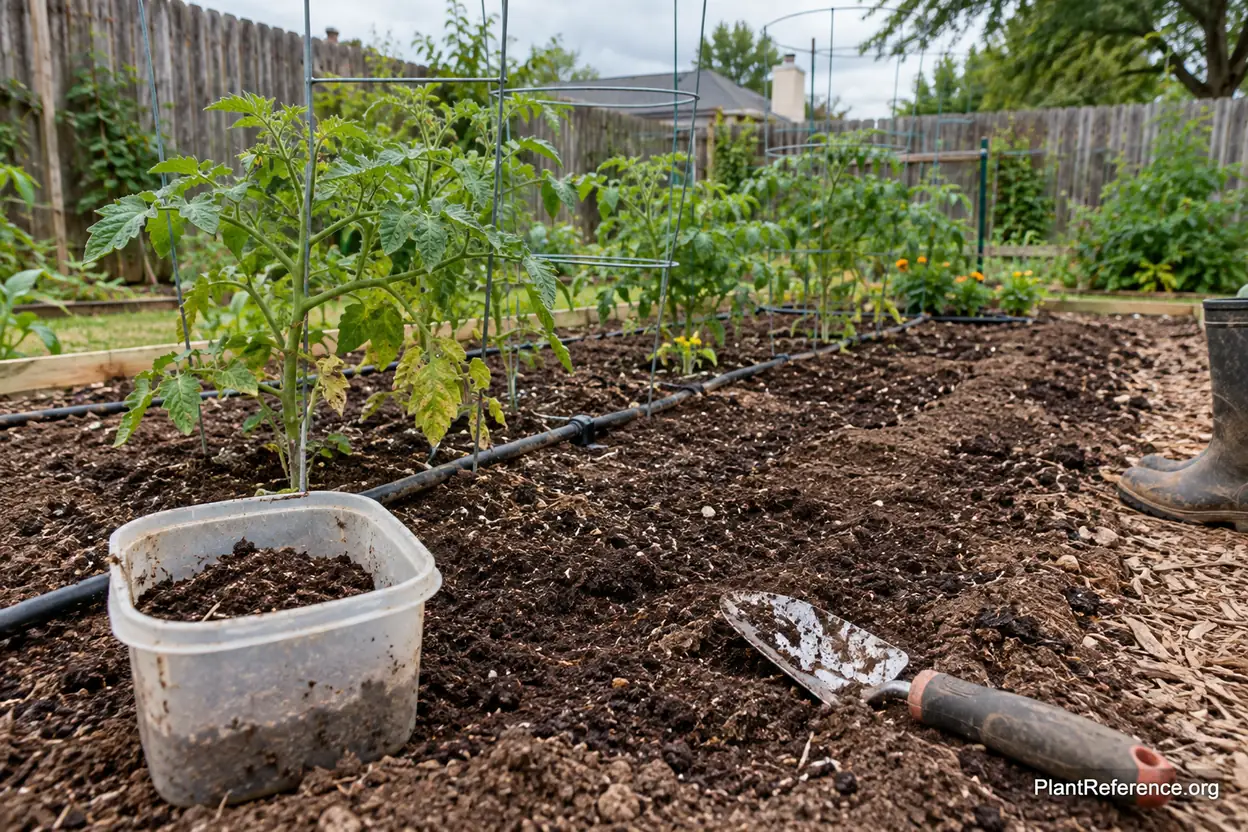
Work heavy soil when it crumbles rather than smears. Incorporate mature compost across the planting area in modest amounts, accounting for previous additions. Do not put a pocket of loose, rich mix inside a compacted hole and call the drainage fixed. How to Improve Clay Soil Without Making It Worse explains why adding a little sand is not the answer.
Keep feet and equipment on paths. In raised beds, check for settling and obstructed drainage before transplanting; Raised Bed Soil Settling and Compaction: Prevention and Solutions covers those problems. If the site's previous use is uncertain, investigate possible contamination before growing food there.
Plant and anchor before the vines become heavy
Space supported plants about 24–36 inches (60–90 cm) apart, allowing extra room for large cages and vigorous vines. Leave access for picking and tying. Crowding a few more seedlings into a bed makes irrigation checks and disease inspection harder later.
Water the root ball before planting. With ungrafted plants, remove the lowest leaves and bury part of the bare stem in warm soil, leaving healthy foliage above ground. Keep the graft union above the soil on grafted plants so the upper variety does not root and bypass the selected rootstock.
Install supports at planting time. Anchor them firmly and tie stems loosely with soft material, checking ties as growth thickens. A tall support is only useful if its base stays put when vines become heavy or a storm arrives. Keep healthy leaves over developing fruit instead of pruning everything into direct sun.
Water the vegetable bed on its own terms
Do not run tomatoes on the lawn's watering pattern by default. Grass roots, a newly planted root ball, and a large fruiting vine occupy different volumes of soil. Inspect the bed itself before deciding whether another irrigation cycle is needed.
Check several inches below the surface and compare the nursery root ball with surrounding soil. A damp-looking bed can contain a dry root ball. Apply water slowly, then check how far it soaked in; if it runs off, pause and let it infiltrate instead of extending one wasteful continuous cycle.
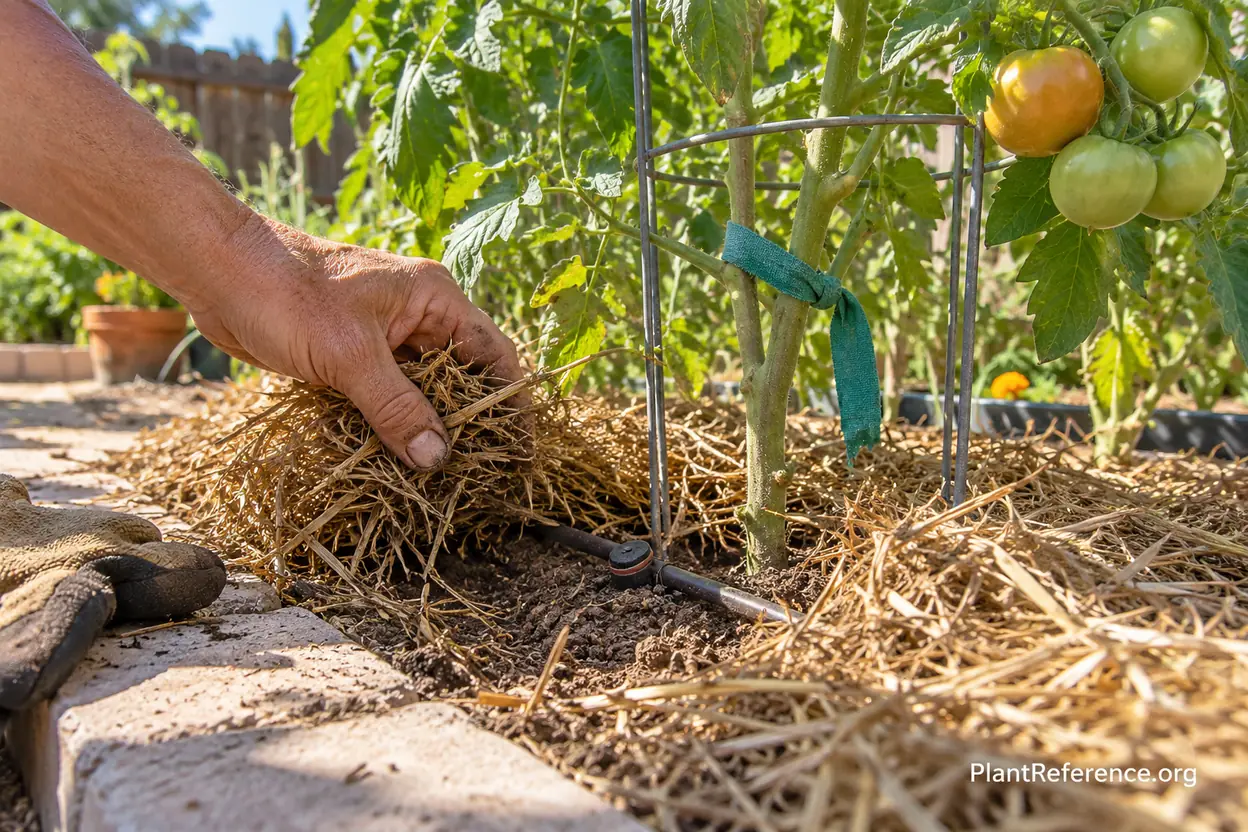
Established plants often need roughly 1–2 inches (2.5–5 cm) weekly including rain, but use that as a starting reference rather than a timer setting. Soil texture, plant size, wind, and heat change demand. Drip tubing puts water near roots, but blocked emitters and leaks still need inspection.
After soil warms, add 2–3 inches (5–8 cm) of clean organic mulch, keeping it back from stems. Containers require separate checks because their limited root volume can dry faster. Container Gardening: Pots, Soil, Water & Yields explains why a brief shower may not wet the full pot.
Feed for a demonstrated need and manage excess exposure
Use soil-test guidance and the fertilizer label, not a weekly habit of adding something. Excess nitrogen can favor leaves over fruit. DIY Organic Fertilizer Blends: A Soil-Test-First Guide is useful before combining products that may supply the same nutrients twice.
Temporary afternoon shade can reduce exposure during extreme heat, especially near masonry. Keep cloth above the canopy with airflow and secure it against wind. Raised Bed Too Hot in Summer: Protecting Plants from Heat Stress addresses the extra exposure of elevated beds. Shade is a tool, not a substitute for checking roots and water supply.
Troubleshooting Dallas-Specific Problems
Flowers drop while the vine still looks healthy
Sustained temperatures above about 90°F (32°C), especially with nights above 75°F (24°C), can interfere with pollen function and fruit set. A healthy plant losing flowers in that weather does not automatically need fertilizer or pesticide. Maintain even moisture and protective foliage while waiting for conditions to moderate.
Tomato Blossom Drop: Heat or Root-Knot Nematodes? helps separate a weather-related interruption from a plant that is declining for another reason. Persistent morning wilt, abnormal roots, or continuing loss of vigor deserves investigation rather than repeated watering on assumption.
Fruit develops black ends, splits, or pale patches
A dark, sunken blossom end is consistent with blossom-end rot. Uneven moisture can disrupt calcium delivery even when the soil contains enough calcium. Check emitters, root damage, and drainage before buying an amendment. Existing damage will not heal; better conditions protect later fruit.
Cracked fruit often follows abrupt changes in water supply. Maintain steady irrigation and pick ripening fruit promptly around storms. Pale, papery areas on exposed shoulders suggest sunscald: preserve healthy leaves and reduce harsh exposure rather than stripping the canopy further.
Wilt and spots need a diagnosis, not a stronger spray
Temporary afternoon droop can occur in heat, but check the root zone before watering. Wet soil and damaged roots can also produce wilt. Avoid repeatedly soaking an already saturated bed, and seek a diagnosis if a plant stays wilted into the cool morning.
Following humid or rainy periods, inspect lower leaves for expanding spots and yellowing. Water near soil level, improve spacing, and remove badly affected leaves in dry conditions. Do not assume all leaf spots are the same disease or that every wilt is bacterial wilt.
In Zone 8a, weather changes matter more than a routine spray calendar. Identify insects before treating; feeding damage does not establish which pest is responsible. Use a pesticide only for a confirmed target and according to the crop-specific label. Keep notes on symptoms and recent watering so a local diagnostic service has something concrete to evaluate.
Harvest & Storage
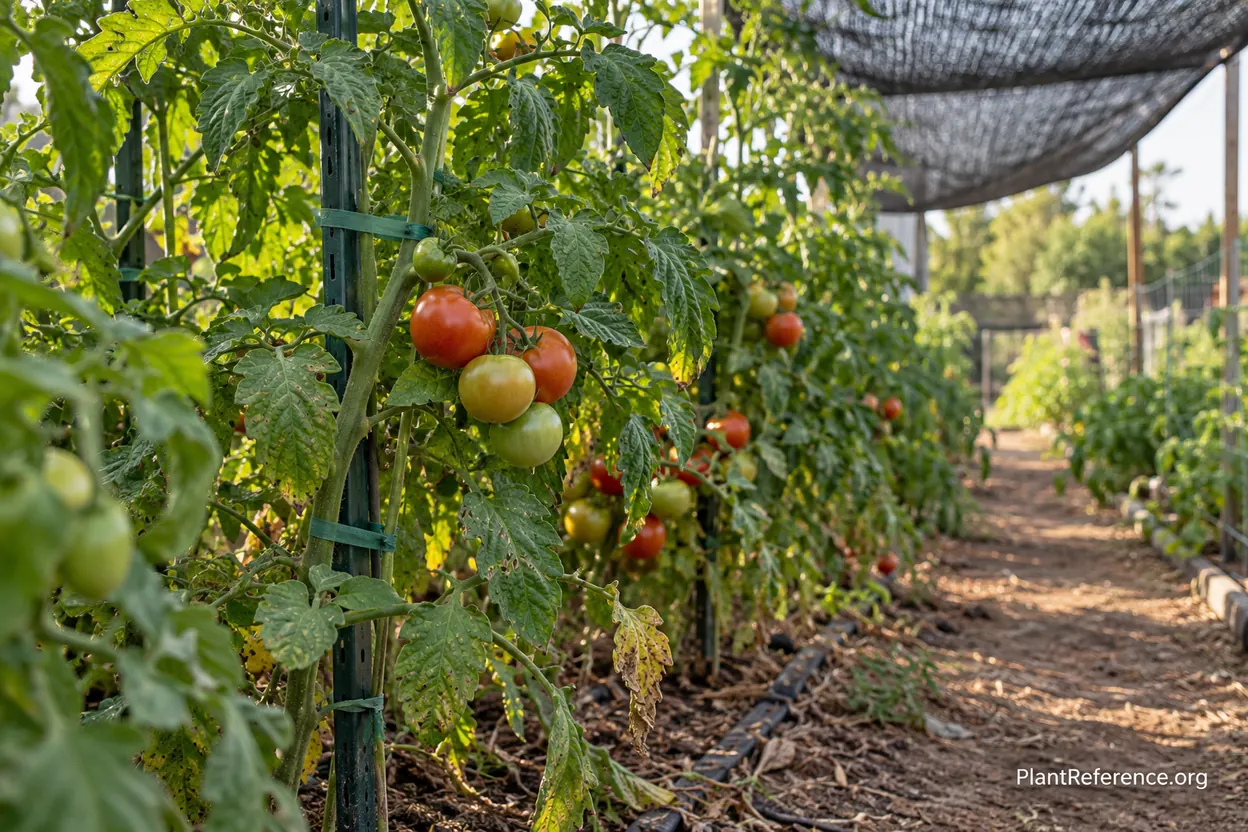
Check fruit frequently once the first clusters begin coloring. Pick in the cooler part of the day when practical, using a gentle twist or clean snip without breaking the vine. Carry soft heirlooms in a shallow container instead of piling them beneath heavier fruit.
Judge ripeness by the variety's expected color and a slight yielding feel, not by size alone. If cracking or cold weather threatens, fruit that has started changing color can finish indoors away from direct sun. Sort out damaged or decaying fruit rather than storing everything together.
Keep sound ripening tomatoes at room temperature and inspect them daily. Refrigerate fully ripe fruit when necessary to slow deterioration, then bring it back toward room temperature before eating. Preserve surplus only with a tested method and recipe; a paste tomato is not permission to improvise a canning process.
November 25 is the planning benchmark, not a guaranteed final picking date. Respond to the actual forecast and harvest usable fruit before a freeze. Clear diseased debris and record what worked: transplant date, first harvest, irrigation trouble, and varieties worth growing again. A shorter list of well-managed plants usually teaches more than an overcrowded bed you cannot keep up with.
Frequently Asked Questions
Reading about plants and recognising them are different skills. These three build the second.
- Daily PlantIdentify the day’s mystery plant from a close-up photograph.
- Keyed OutWork a dichotomous key, lead by lead, to name a hidden specimen.
- Name That PlantName a specimen from botanical clues dealt hardest first.
Free to play, no account needed
Tagged with
James is a lawn care professional in Dallas who runs a small residential maintenance company. He started mowing lawns as a teenager and worked his way up to running crews for a large landscaping firm before going out on his own. James specializes in warm-season turf grasses—Bermuda, St. Augustine, and Zoysia—and knows how to keep a lawn alive through Texas summers without wasting water. He's also experienced with the transition zone challenges that Dallas faces, where warm-season and cool-season grasses overlap. James takes a practical, science-informed approach to lawn care and pushes back on the idea that a good lawn requires heavy chemical inputs.