Vegetables
Solanum, Genus, lycopersicum, Species,
- Genus & species
tomato
Overview
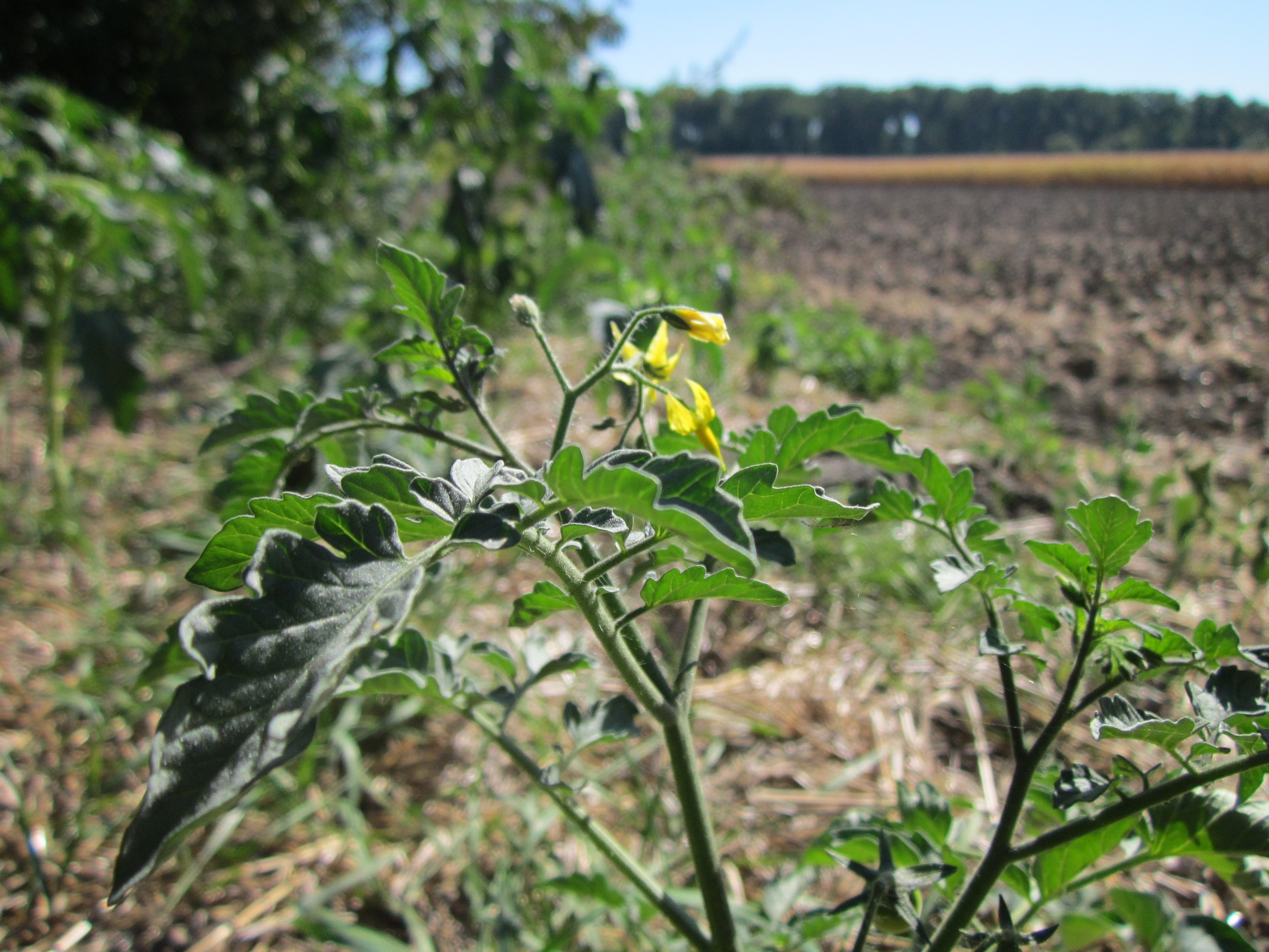
Solanum lycopersicum is a warm-season annual vegetable in the nightshade family (Solanaceae), grown for its edible fruit. A tender perennial in frost-free climates, it is cultivated as an annual in temperate gardens. Growth habit divides into two groups: determinate types form bushes 24-48 inches (60-120 cm) tall that set most of their fruit within a two- to three-week window, and indeterminate types produce vines reaching 6-10 feet (1.8-3 m) with support, flowering and fruiting until frost. Stems and pinnately compound leaves are covered in short hairs that release a pungent scent when brushed. Small yellow flowers 0.5-0.75 inch (12-19 mm) across form in clusters and self-pollinate. Fruit ranges from 0.5 inch (12 mm) currant and cherry types to beefsteaks over 4 inches (10 cm) across, in red, pink, orange, yellow, purple, green, and near-black. Days from transplant to first ripe fruit span 55-90 depending on cultivar. Plants require full sun, warm soil above 60F (16C), and steady moisture; fruit set drops when night temperatures exceed 75F (24C) or fall below 50F (10C). Foliage, stems, and unripe fruit contain the alkaloid tomatine and are not eaten. Indeterminate cultivars require staking or caging, and all types are killed by the first autumn frost.
Native Range
Wild ancestors of the tomato grow in the coastal deserts and Andean foothills of western South America, from Ecuador and Peru to northern Chile. Domestication occurred in Mesoamerica, and the plant reached Europe in the 16th century before spreading worldwide.Suggested Uses
Tomatoes are grown in vegetable beds, raised beds, and containers of 5 gallons (19 L) or larger, as well as in greenhouses for a longer season. Compact and dwarf cultivars are grown in hanging baskets and window boxes. Fruit is eaten fresh, cooked, canned, dried, or processed into sauces and juices.How to Identify
Appearance
Size & Dimensions
Height2' - 10'
Width/Spread1'6" - 3'
Bloom Information
Flowering begins 5-7 weeks after transplanting and continues until frost on indeterminate types, while determinate types flower over a concentrated two- to three-week period. Clusters of 4-8 yellow flowers open in sequence and self-pollinate, aided by wind and buzz-pollinating bees. Each flower ripens to fruit 45-60 days after it opens. Flower drop occurs when night temperatures fall below 55F (13C) or day temperatures exceed 90F (32C).
Detailed Descriptions
Foliage Description
medium to dark greenGrowing Conditions
Sun Requirements
Requires 6-8 hours of direct sunlight daily
• Full Sun: 6+ hours of direct sunlight
• Partial Shade: 3-6 hours of direct sunlight
• Full Shade: Less than 3 hours of direct sunlight
Water & Climate
Water Needs
Care & Maintenance
Care Guide
Tomatoes grow in full sun with 6-8 hours of direct light and soil temperatures above 60F (16C). Determinate plants are set 24 inches (60 cm) apart and indeterminate plants 24-36 inches (60-90 cm) apart in soil enriched with compost and balanced fertilizer. Even soil moisture of about 1-2 inches (2.5-5 cm) of water per week reduces blossom-end rot and fruit cracking. A mulch layer 2-3 inches (5-7.5 cm) deep conserves moisture and limits soil-borne disease splash. Indeterminate cultivars are trained onto stakes, cages, or trellises, while determinate types require little support. Common problems include early and late blight, blossom-end rot from calcium and moisture fluctuation, and tomato hornworm feeding.Pruning
Indeterminate tomatoes are pruned by pinching out the side shoots, or suckers, that form in the leaf axils, concentrating growth into one or two main stems. Lower leaves touching the soil are removed to slow disease spread. Determinate types are left unpruned, since removing shoots cuts their already-limited yield. Late in the season, pinching out the growing tips channels energy into ripening the remaining fruit.Pruning Schedule
Prune: June–August
summer
Container Growing
Suitable for container growing
Minimum container size: 5 gallons
Toxicity Warning
Toxic to pets and humansPlanting Guide
Planting Methods & Timing
Planting Method
transplant
Indoor Start
6 weeks before last frost
Direct Sow Timing
After the last spring frost once soil reaches 60F (16C), in long-season regions.
Days to Maturity
55–90 days
Plant Spacing
24 inches