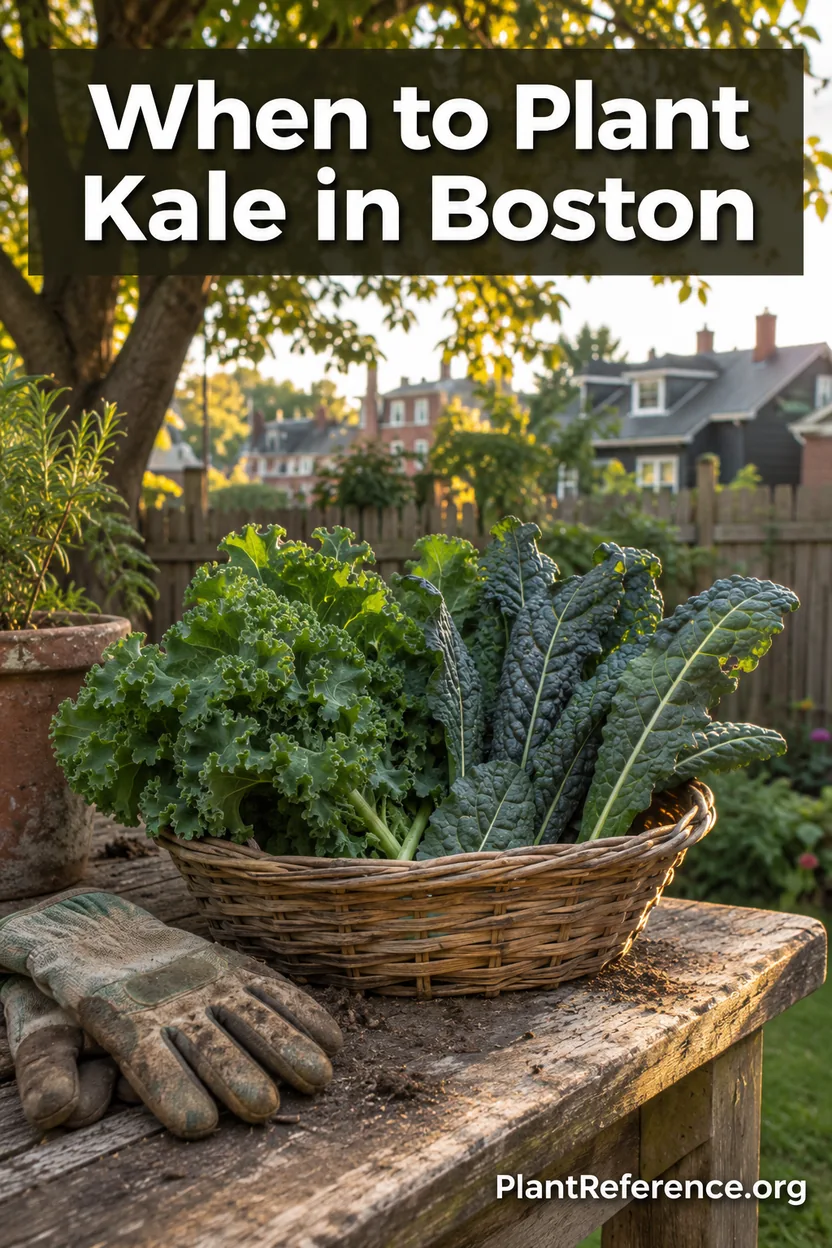
When to Plant Kale in Boston: Zone 6b Growing Guide
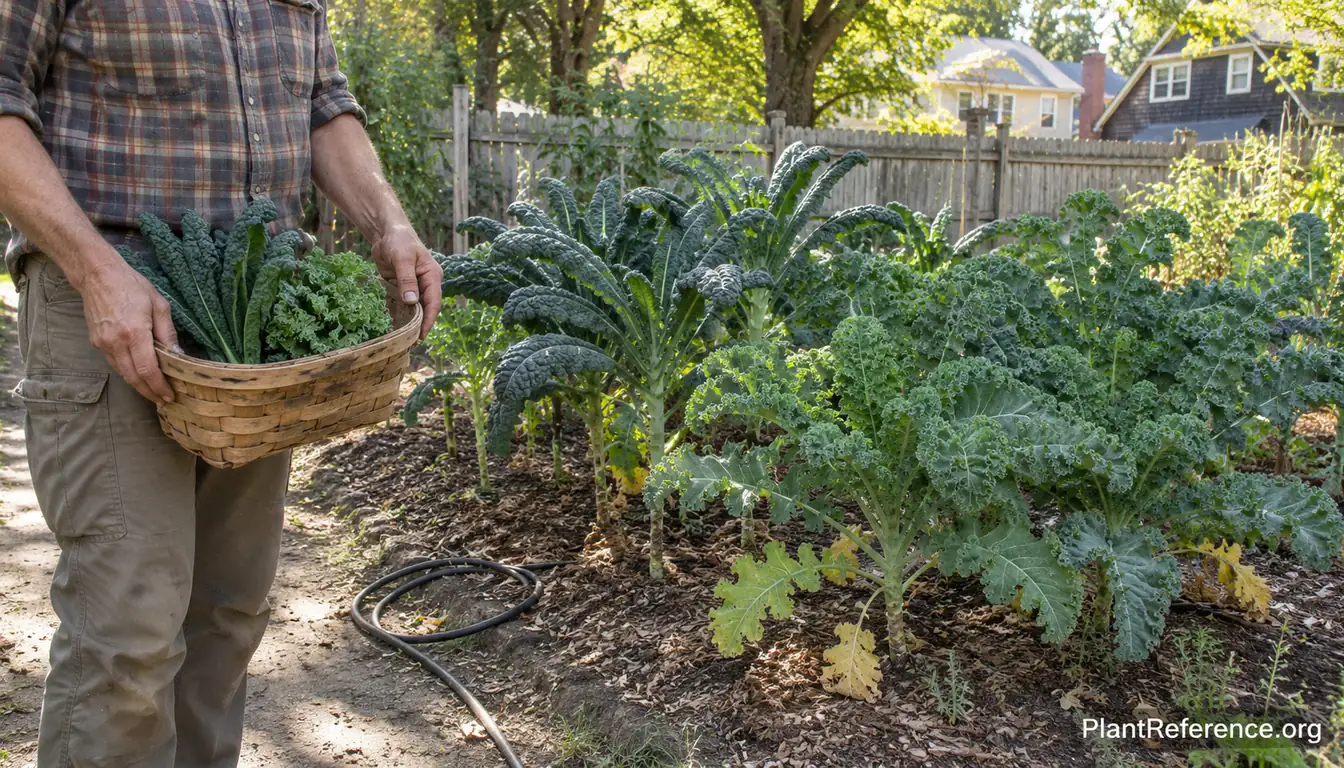
— Image © PlantReference.org 2026
Pets & Toxicity
Recorded toxicity for plants linked in this guide. An unknown status is not a safety assessment.
No linked plant is recorded as toxicDetailsHide
When to plant kale in Boston is best answered with two planting windows and a plan for the bed between them. Start indoors February 23–March 9, transplant April 27–May 4 when conditions suit, and sow a fall crop July 28–August 11 rather than waiting for the first cool September weekend.
The stored Zone 6b record gives April 20 and October 20 as frost anchors, a 183-day planning interval. Those dates are not a forecast; a sheltered city plot and an exposed garden outside town can experience very different nights. In Massachusetts, wet spring soil, summer heat, and freeze-thaw weather all deserve a place in the plan.
Think about access, drainage, and where covers will go before the bed fills with leaves. Coordinate spring work with When to Plant Onions in Boston: Zone 6b Dates + Varieties, while keeping each crop's soil and weather requirements separate.
Best Kale Varieties for Boston's Climate
The best variety is one you enjoy eating and can keep growing well in the space available. A tender salad leaf, a sturdy cooking leaf, and an ornamental purple leaf solve different problems. None makes inconsistent irrigation disappear.
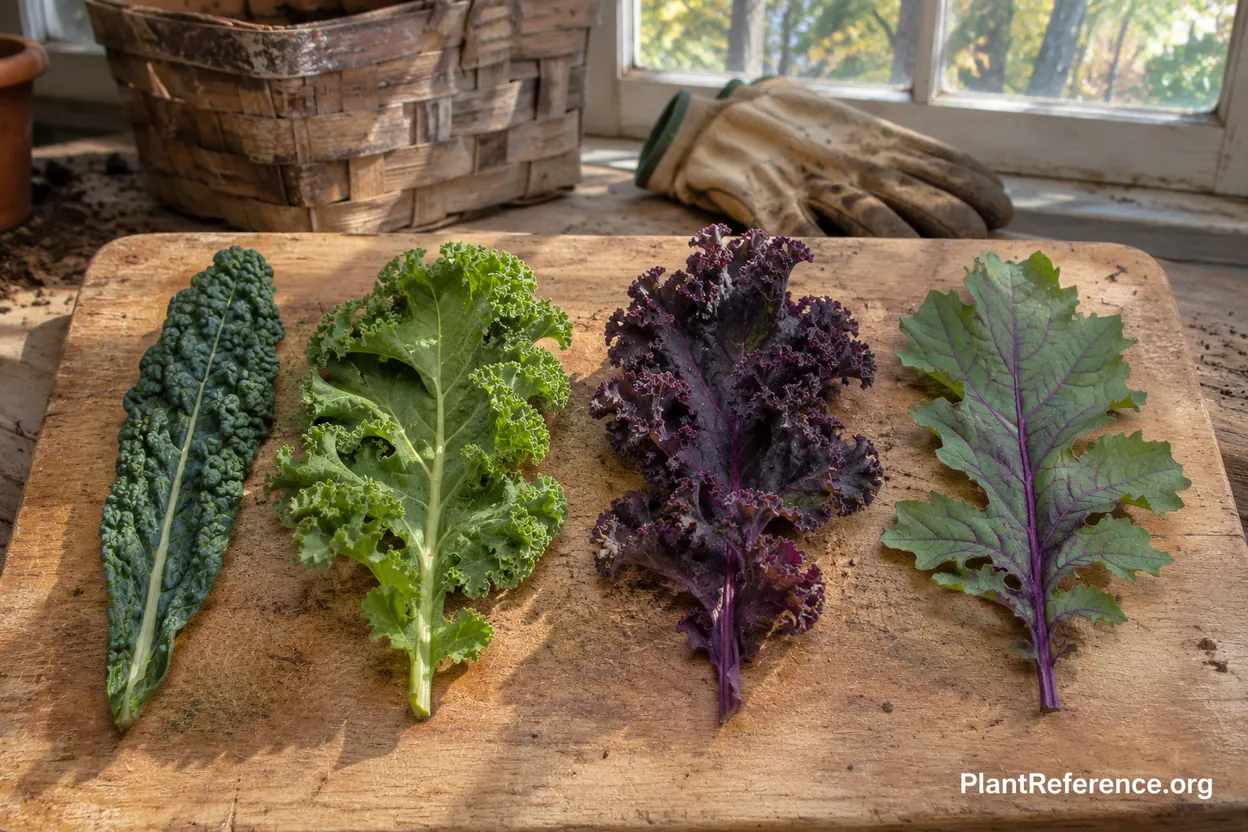
Two useful starting points
🌿Brassica oleracea 'Lacinato' has long, dark, heavily textured leaves that are easy to strip from the stem and chop. Its earthy flavor works well in soups and cooked dishes. Relative heat tolerance makes it a useful shoulder-season choice, but it is not the hardiest option for leaving exposed through severe winter weather.
Brassica oleracea 'Vates' is the compact alternative, with finely curled blue-green leaves on plants around 12–16 inches (30–41 cm) tall. That size makes harvesting and covering a small bed straightforward. The open-pollinated variety is also useful in roomy containers, provided you give its roots enough space rather than confusing a short plant with a tiny root system.
Both are reasonable first choices if you want a manageable crop without collecting every packet in the seed rack. Put the compact selection where taller leaves would block access. Give the taller, narrow-leaf type a position where you can reach its outer leaves without leaning over another crop.
Tender salads or a robust fall bed
🌿Brassica napus 'Red Russian' produces flat, lobed leaves with purple veins and a tender texture. At roughly 50–60 days to maturity, it is a useful quick option, especially when small salad leaves are the goal. Thin foliage needs protection from drying wind; this is not the variety to neglect in a hot corner and expect to remain delicate.
🌿Brassica oleracea 'Winterbor' is a vigorous F1 hybrid with deeply curled leaves and strong cold tolerance. Plants can reach 2–3 feet (60–90 cm), so leave room for the canopy and your harvest path. Mature leaves have more substance than baby salad kale, making this a sensible choice for regular cooking and a fall harvest bed.
🌿Brassica oleracea 'Redbor' adds an upright frame and purple curly foliage. Cooler conditions often deepen its color, which is useful if the vegetable planting is also part of the view from the house. Attractive foliage still needs the same inspection for aphids hidden inside curls as a plain green plant.
Variety | Days to maturity | Best for | Local growing consideration |
|---|---|---|---|
60–75 | Soups and textured salads | Useful heat tolerance; protect from severe cold | |
60–75 | Curly cooking leaves | Vigorous growth needs adequate room | |
50–60 | Tender salad greens | Avoid exposed, drying positions | |
60–75 | Colorful edible beds | Purple curls can conceal aphid colonies | |
Brassica oleracea 'Vates' | 55–65 | Compact plots and containers | Low growth simplifies covering and access |
Treat the maturity ranges as comparisons, not appointments. Check whether your seed supplier counts from sowing or transplanting, and allow for slower growth as autumn daylight declines. Baby-leaf harvests come earlier, but repeated cutting from small plants is not the same yield as harvesting a mature stand.
Try two contrasting types in the same season and record which you actually bring into the kitchen. Variety selection becomes much easier when the question is “Which leaves did we use?” rather than “Which packet promised the biggest plant?”
Specific Planting Dates for Boston
The April 20 last-frost and October 20 first-frost anchors organize the calendar; they do not certify any particular day as safe. Zone 6b describes winter cold exposure, not whether a seedbed is ready to work. Check below the surface before letting a warm afternoon make the decision.
Indoor starts and the spring bed
Six to eight weeks before April 20 gives February 23–March 9 for indoor sowing. Use clean containers, suitable seed-starting medium, and strong light after emergence. If the bed remains too wet when seedlings are ready, move crowded starts into larger pots rather than leaving them root-bound.
April 27–May 4 is the conservative transplant window, seven to fourteen days after the frost anchor. Harden seedlings gradually for about a week before planting, introducing outdoor light and wind in manageable steps. Kale can be planted earlier in suitable conditions with acclimated plants and protection; the buffer is a cautious approach, not a claim that kale is frost-tender.
Direct sowing March 23–April 6 corresponds to two to four weeks before the anchor. Use that window only when soil is workable, not frozen or saturated. A seed cannot use an early start well if it spends the next weeks in a cold, airless puddle.
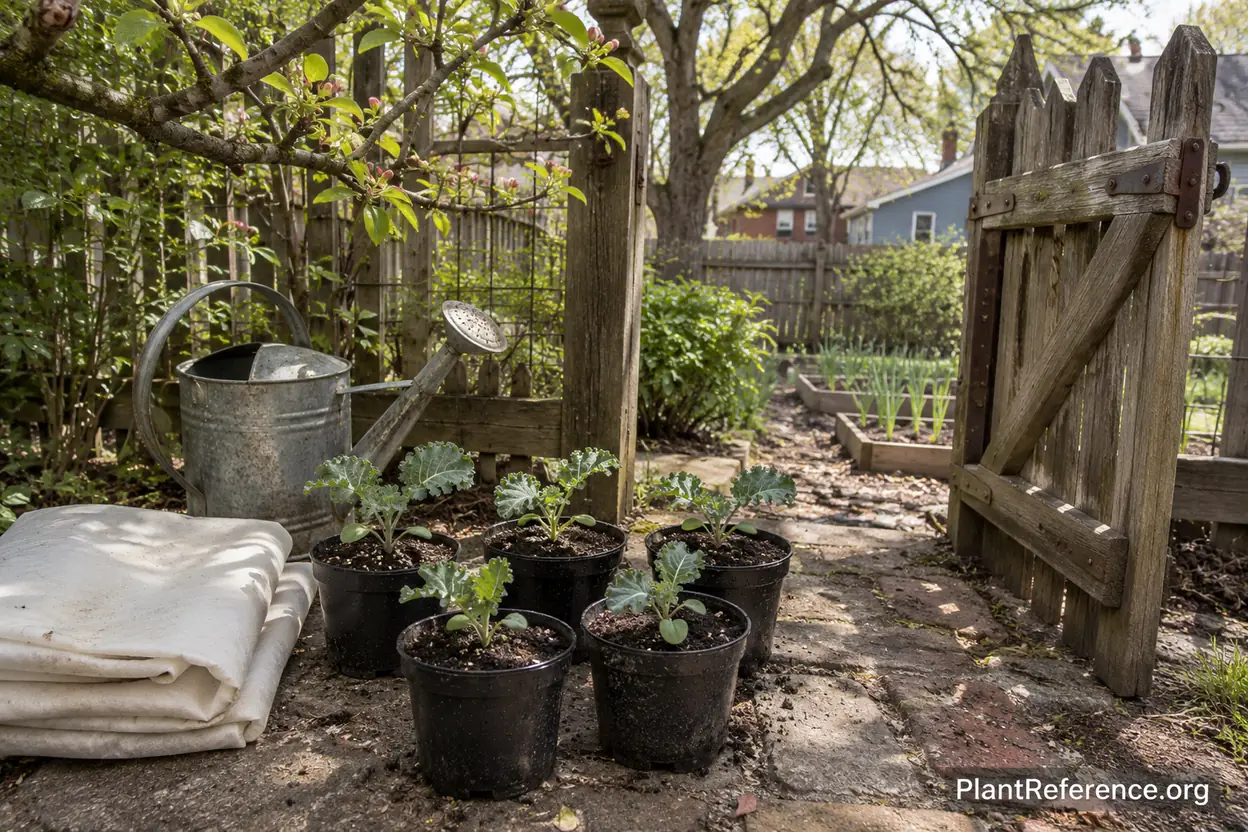
Reserve space for the autumn planting
Count ten to twelve weeks back from October 20 and the fall sowing window is July 28–August 11. Give slower varieties the earlier date and keep the seed zone moist through summer weather. Waiting until the garden feels autumnal leaves less time to build the foliage you want to harvest.
For packets counting 50–75 days from transplanting, April 27–May 4 suggests a broad mature-harvest window of June 16–July 18. A seed-based estimate of 50–75 days for July 28–August 11 suggests September 16–October 25, before allowing for declining light and cooler soil. The later estimate extends beyond the frost anchor, so quicker types and earlier sowing offer a better margin.
Baby leaves are available sooner than full-size cooking leaves, and an established spring planting can continue producing if it stays healthy. You need not clear a productive bed simply because a second sowing is on the calendar. Keep the succession modest enough that you can water, inspect, and protect it well.
Complete Growing Guide for Boston
Build drainage into the layout
A useful vegetable bed must be accessible after rain, not just attractive on planting day. Notice where runoff collects and whether soil stays sticky long after the surface looks dry. Avoid working wet ground into clods, and keep permanent paths so harvesting does not compact the roots' growing space.
Test soil before adding lime or fertilizer. Kale's useful pH range is approximately 6.0–7.5, but no regional generalization tells you what an individual amended garden needs. How to Test Garden Soil: Jar, Ribbon & pH Tests explains useful observations, while Best Soil Test Kits for Home Gardeners helps distinguish a simple screening test from more complete nutrient information.
Incorporate finished compost according to soil condition and amendment history. Do not assume a vegetable bed needs a fresh heavy load every season. Soil Health 101: How to Build Living, Productive Garden Soil provides the larger framework: structure, drainage, nutrients, and living roots work together rather than replacing one another.
If clay is the obstacle, improve it gradually and keep traffic out. How to Improve Clay Soil Without Making It Worse is a better starting point than mixing in an arbitrary bag of sand. Raised beds can improve access and drainage, but their soil still needs attention and their exposed edges can dry quickly.
Place plants for light and access
Choose a bright position with enough room for mature foliage and a harvest path. Tall kale should not shade every smaller crop beside it. A bed with morning light and good airflow is easier to manage than a crowded corner where wet leaves remain pressed together.
Follow packet depth instructions and keep seedbeds evenly moist. Thin crowded seedlings early instead of waiting until their roots and leaves compete heavily. About 12 inches (30 cm) between compact plants is a starting point; give vigorous selections more room for growth and inspection.
Set transplants at their established growing depth, firm soil gently, and water the root ball and surrounding bed. Check both during the first week because nursery mix and garden soil can dry differently. Avoid burying the growing center or packing wet mulch against a stem.
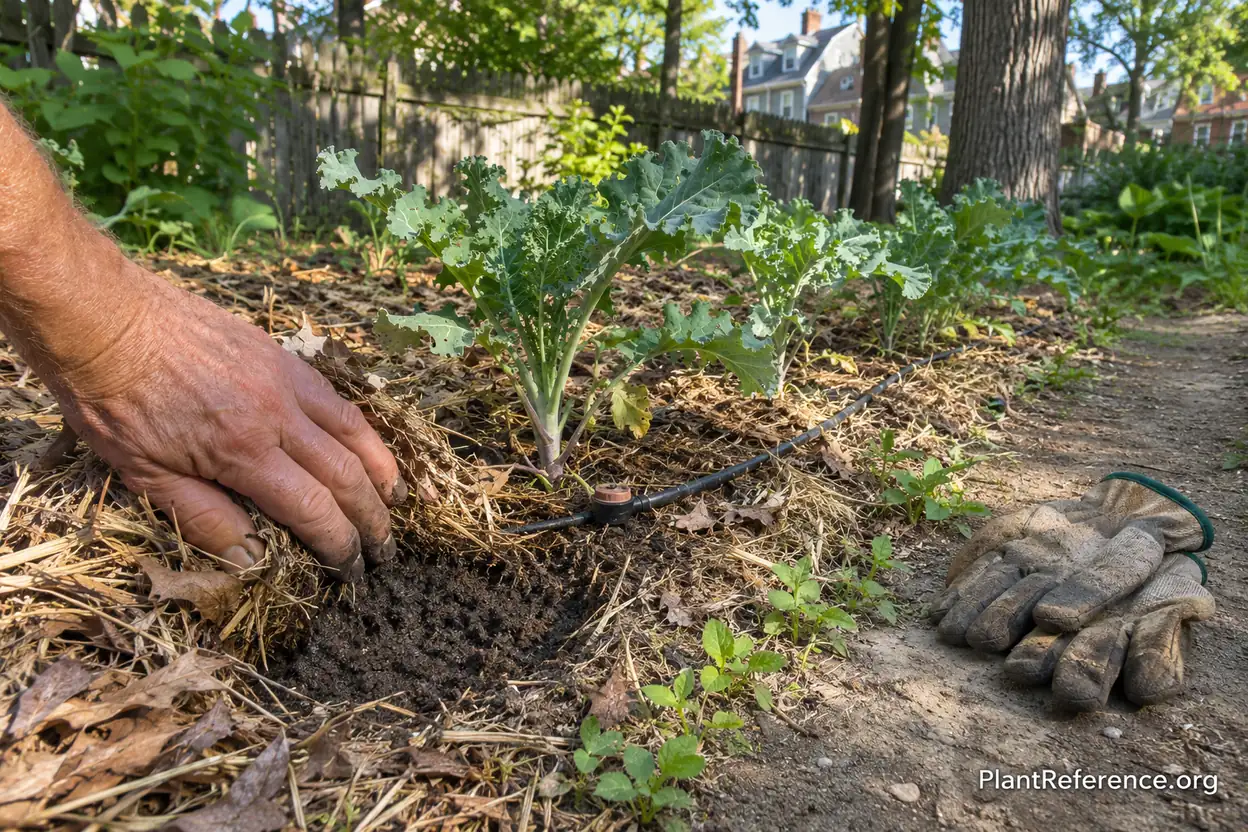
Keep moisture consistent
Water according to the root zone, not a weekly appointment that ignores rain. Check under the surface and verify that irrigation wets enough soil for the expanding plant. A brief sprinkle can leave foliage wet while delivering little useful moisture to roots.
Water early when practical and direct it toward soil to reduce splashing. After rain, pause before automatically adding another cycle. Persistent wilt in moist ground suggests checking roots and drainage, while repeated drying between waterings can make leaves tougher.
Mulch established plants to reduce evaporation and soil splash, leaving stems clear. In a cold spring bed, allow warming before applying a heavy layer. Containers require separate checks; Container Gardening: Pots, Soil, Water & Yields explains why a pot on paving cannot simply follow an in-ground bed's routine.
Feed deliberately, then watch new growth
Nitrogen supports leaf production, but too much produces soft growth and can encourage aphids. Use the soil report and product label rather than stacking several fertilizers with overlapping ingredients. A pale old leaf is not enough evidence to increase feeding across the whole bed.
Reassess after establishment and repeated harvests. If growth slows, check moisture, root health, temperature, and fertility together. DIY Organic Fertilizer Blends: A Soil-Test-First Guide offers a measured approach; organic inputs still contribute nutrients and can still be overapplied.
Make the fall bed easy to protect
Decide where hoops and cover edges will sit before plants reach full size. A low cover is easier to secure over compact kale than over tall plants leaning across a path. Leave access so a quick leaf inspection does not require dismantling the whole structure.
Install insect cover over clean plants, secure edges, and inspect underneath. Kale grown for foliage does not require pollination access, but a covered bed still needs ventilation and attention. Enclosed cold frames can overheat on a sunny day even when outside air feels cool.
Summer establishment may need temporary afternoon shade in a heat-reflecting urban plot. Use Raised Bed Too Hot in Summer: Protecting Plants from Heat Stress if paving or masonry makes the seedbed unusually warm. Remove unnecessary shade as conditions change so fall plants receive useful light.
Check drainage before committing the main crop to a low spot.
Harden seedlings before exposing them to full outdoor conditions.
Keep irrigation and mulch clear of the central growing point.
Secure covers against wind while leaving room for the canopy.
Inspect protected plants and ventilate enclosed structures during sunny weather.
Troubleshooting Boston-Specific Problems
Wet roots and persistent leaf moisture
Spring rain can make watering feel unnecessary, then a warm dry spell changes the bed quickly. Check the soil rather than treating the season as uniformly wet or dry. Yellowing and wilt in saturated ground are reasons to inspect drainage and roots before adding fertilizer.
In Massachusetts, crowded leaves and repeated splashing can also favor disease. Space plants for airflow, remove badly damaged material, and avoid handling wet foliage unnecessarily. Raised Bed Soil Settling and Compaction: Prevention and Solutions helps when a once-loose bed has become dense and slow to drain.
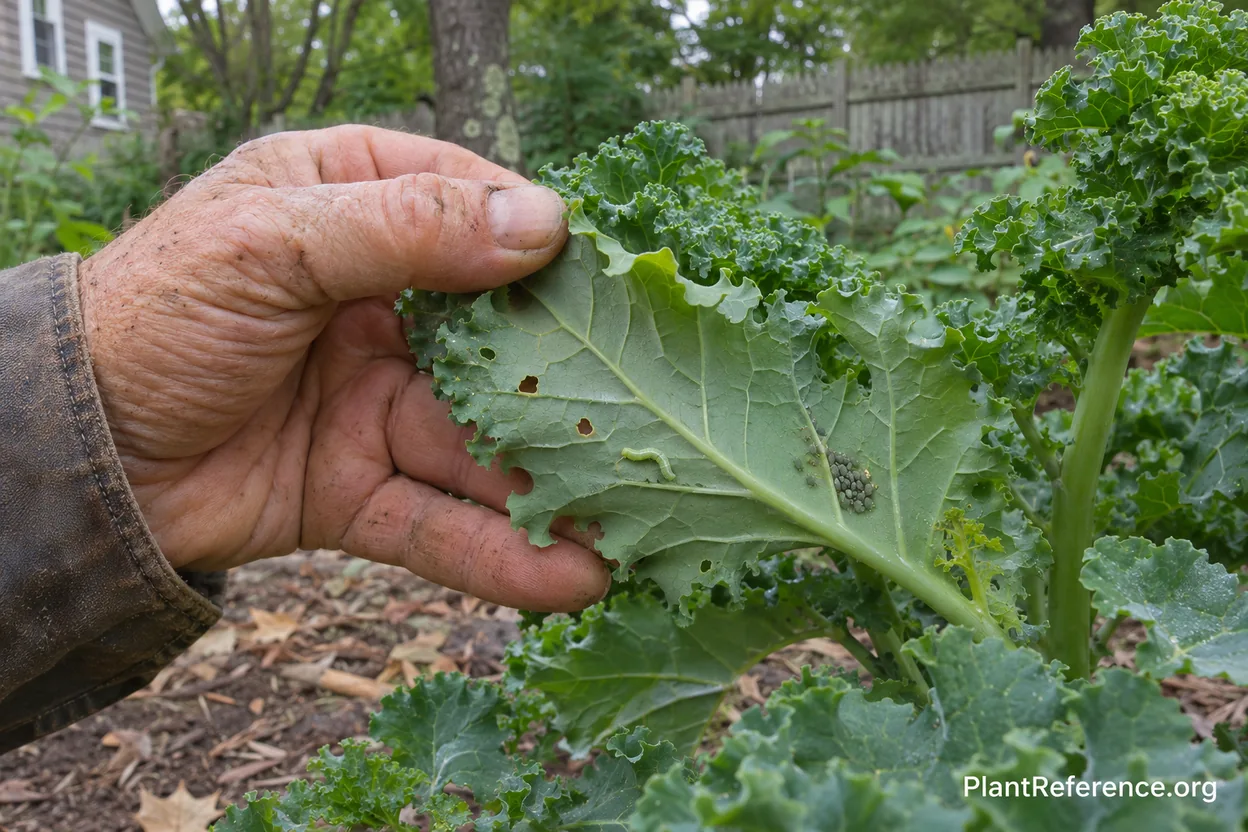
Holes, curled leaves, and unwanted colonies
Green caterpillars and dark droppings often accompany irregular holes. Tiny jumping beetles leave smaller shot-holes, particularly damaging on young seedlings. Inspect both leaf surfaces before choosing a response; hand removal and exclusion can be enough for a small planting.
Gray-green aphids collect in curls and new growth. Dislodge small colonies with water and remove severely infested leaves while preserving enough foliage for recovery. If treatment is necessary, use a product labeled for the identified pest and edible crop, following its directions rather than improvising a stronger mixture.
Bt products intended for caterpillars do not solve an aphid problem. Covers work best over clean plants with secured edges; otherwise they can shelter the insects already inside. Because the harvest is foliage, kale does not require the pollination access of a fruiting crop.
Heat, flowering, and winter limits
Older leaves become tougher with heat and water stress. Harvest smaller leaves and improve moisture consistency instead of expecting fertilizer to repair texture. Bolting is distinct: cold exposure followed by warmth can trigger flowering in susceptible plants, especially after overwintering.
For Zone 6b, design for useful autumn harvests before counting on winter survival. Protection can help, but exposure and the duration of freezing conditions matter. Swollen, distorted roots or persistent wet-soil wilt warrant diagnosis; suspected clubroot is a reason to review rotation and sanitation, not to assume a quick soil additive will fix the bed.
Harvest & Storage
Pick outer leaves while protecting the central growing point. Leave enough healthy foliage for continued growth rather than turning each harvest into a complete stripping. Small, frequent collections usually fit home cooking better than letting every leaf become large and fibrous.
Harvest in the cool part of the day and refrigerate promptly. Protect leaves from drying without sealing them in a puddle of water. Wash under running water before eating, inspect curls carefully, and discard slimy or decaying leaves rather than trying to rescue them in a cooked dish.
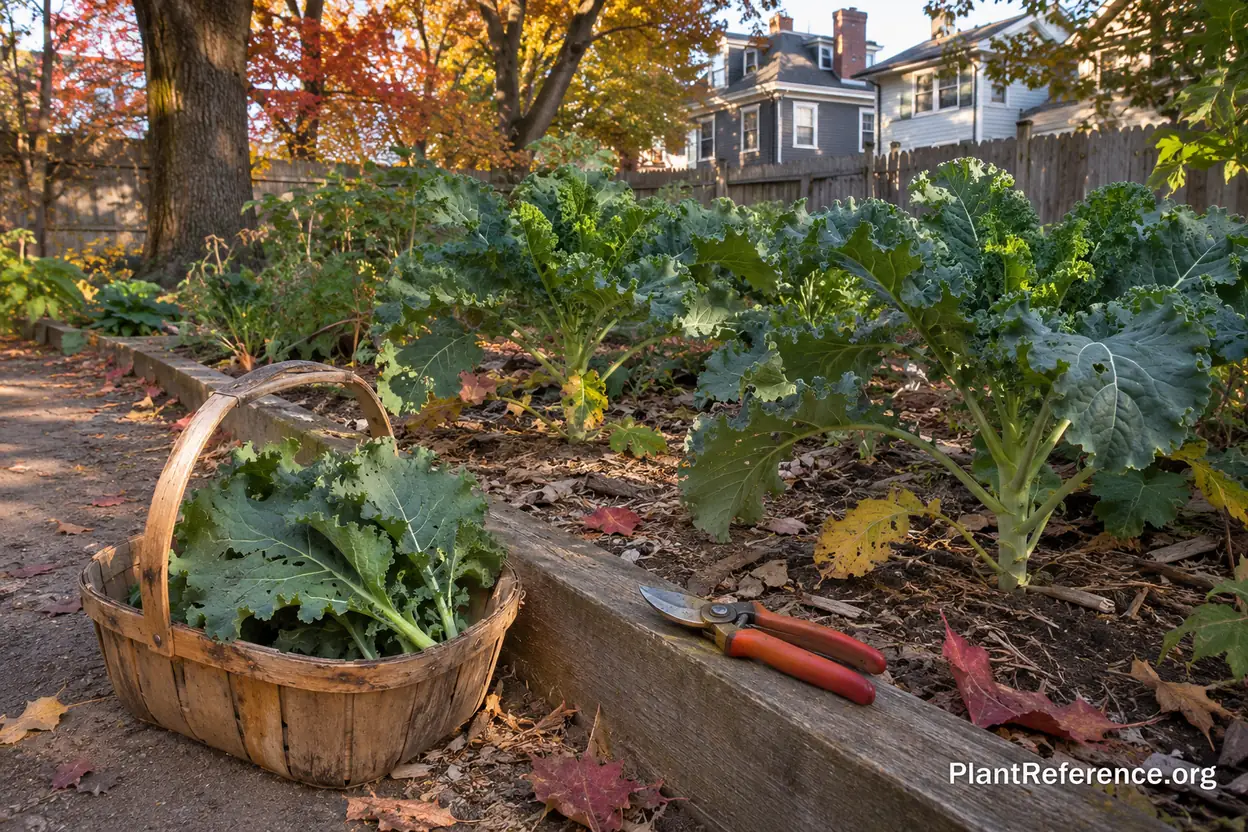
Cool weather can improve sweetness as plants accumulate sugars, but a damaging freeze is not a flavor requirement. Let frozen leaves thaw naturally before handling and judge their condition afterward. Harvest ahead of a severe cold spell when losing the crop would outweigh the hoped-for improvement in taste.
For surplus leaves, blanch and freeze using reliable preservation directions. Record sowing, first harvest, and the point when regrowth slowed; those notes are more useful next year than remembering only that the crop “did fine.” A New England garden rewards that kind of specific observation, especially when the next spring looks nothing like the last.
Frequently Asked Questions
Reading about plants and recognising them are different skills. These three build the second.
- Daily PlantIdentify the day’s mystery plant from a close-up photograph.
- Keyed OutWork a dichotomous key, lead by lead, to name a hidden specimen.
- Name That PlantName a specimen from botanical clues dealt hardest first.
Free to play, no account needed
Tagged with
Kevin is a landscape contractor in the Boston area who specializes in cold-climate perennial gardens and hardscaping. He studied landscape design and worked at a prominent nursery on the North Shore before starting his own design-build firm. Kevin's gardens are built to handle New England weather—freeze-thaw cycles, nor'easters, late springs, and heavy snow loads. He's particularly interested in native perennials and shrubs that provide four-season interest without constant maintenance. Kevin writes about cold-hardy plant selection, winter garden structure, and building landscapes that look good even in February.