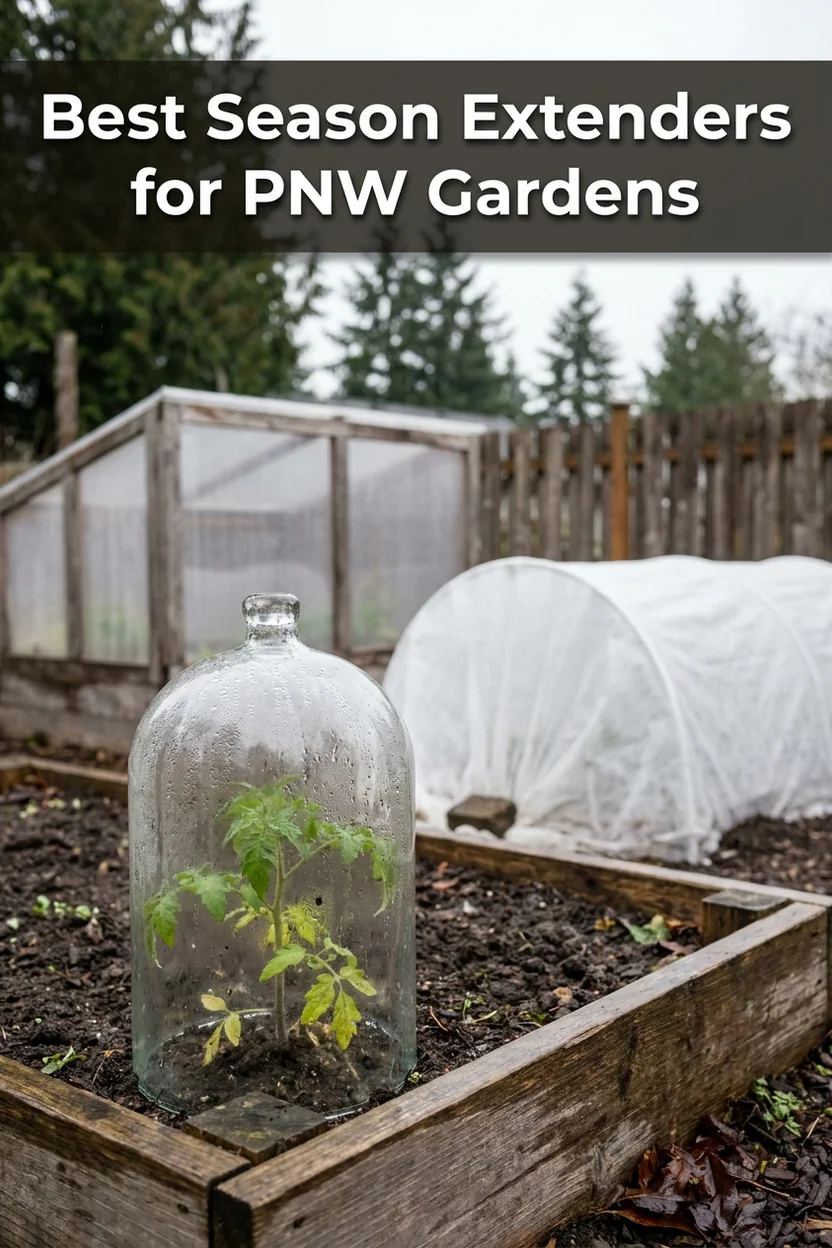
Best Season Extenders for the Pacific Northwest Garden
Pets & Toxicity
Recorded toxicity for plants linked in this guide. An unknown status is not a safety assessment.
Solanum lycopersicum 'Glacier' — Toxicity Warning
Toxic to petsView Solanum lycopersicum 'Glacier' plant profile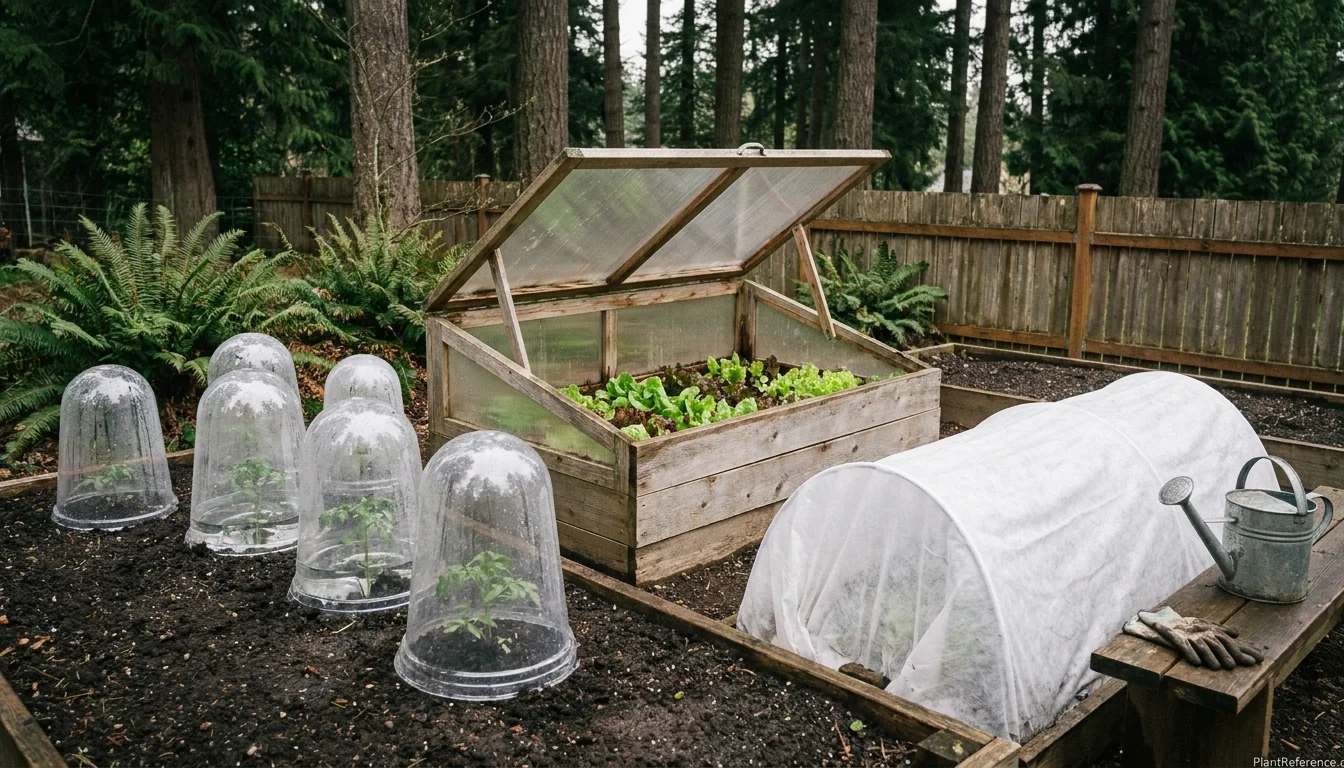
— Image © Plant Reference 2026
The Pacific Northwest paradox is that our winters are mild enough to grow greens nearly year-round, yet our summers are too cool for the heat-loving crops everyone wants to grow. Tomatoes, peppers, eggplant, and melons all want warm nights the maritime PNW rarely delivers. Season extenders are how you manufacture that missing warmth, and choosing the right one for the job is the difference between a slow, disappointing harvest and a productive bed.
Why Season Extenders Matter in the Maritime PNW
Warm-season crops are limited less by frost here than by accumulated heat. Tomatoes Solanum lycopersicum (so-LAY-num ly-co-PER-si-kum) and peppers Capsicum annuum (KAP-si-kum AN-yoo-um) need consistent warmth, especially at night, to set and ripen fruit. Our cool maritime nights stall that process even in July. Pacific Northwest Gardening Guide: Climate, Soil & Plant Selection
Season extenders solve this in two ways. Some, like cloches and black plastic, capture daytime solar energy and release it slowly to buffer cold nights. Others, like cold frames and hoop houses, trap a pocket of warm air that raises both soil and ambient temperature. Used together with short-season varieties such as 🌿Solanum lycopersicum 'Glacier' or Solanum lycopersicum 'Siberian', they can add three to six weeks on each end of the season.
The same tools let you push cool-season crops deeper into winter. Kale Brassica oleracea (BRASS-ih-kuh oh-ler-AY-see-uh) and lettuce Lactuca sativa (lak-TOO-kuh suh-TY-vuh) keep producing under a cold frame long after open beds have given up. When to Plant Kale in Seattle: Complete Guide + Best Varieties for Zone 8b The trick is matching the device to the crop and the season.
Cloches and Wall-o-Waters: The Earliest Start
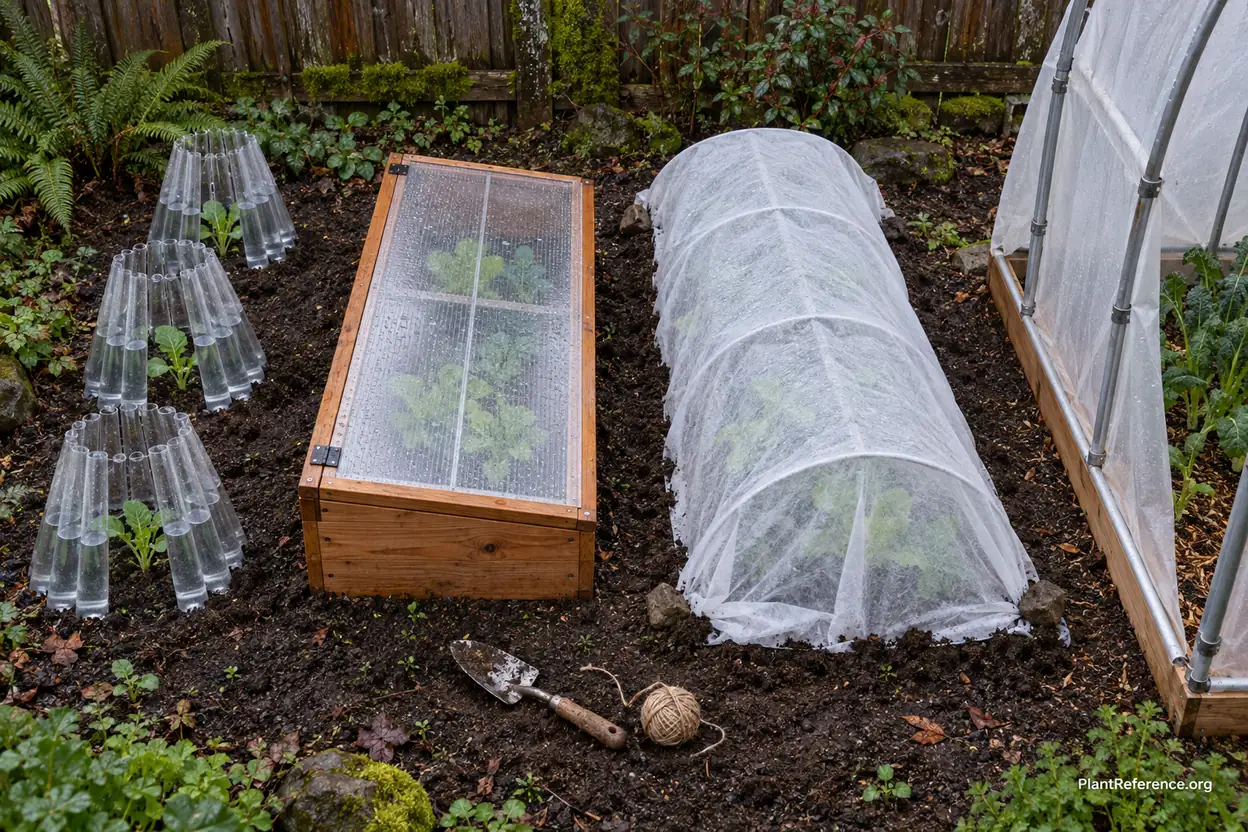
For getting a single tomato or pepper into the ground weeks early, nothing beats a water-filled cloche. A Wall O' Water is a ring of plastic tubes you fill with water; the water absorbs solar energy all day and radiates it back at night, creating a 15-20°F (8-11°C) buffer around the plant. They protect tender transplants down to about 16°F (-9°C), letting maritime PNW gardeners set out Solanum lycopersicum 'Siberian' in April instead of mid-May. When to Plant Tomatoes in Seattle: Complete Guide + Best Varieties for Zone 8b
The teepee shape doubles as wind protection during our blustery spring storms, and the cylinders collapse flat for storage. The main caveat: on a warm, sunny day they can cook a small plant, so leave the top open once daytime temperatures climb. Use them for the first three to four weeks, then remove once the plant outgrows the ring and nights warm up. When to Plant Peppers in Portland: Complete Guide + Best Varieties for Zone 8b
Cold Frames: Hardening Off and Winter Greens
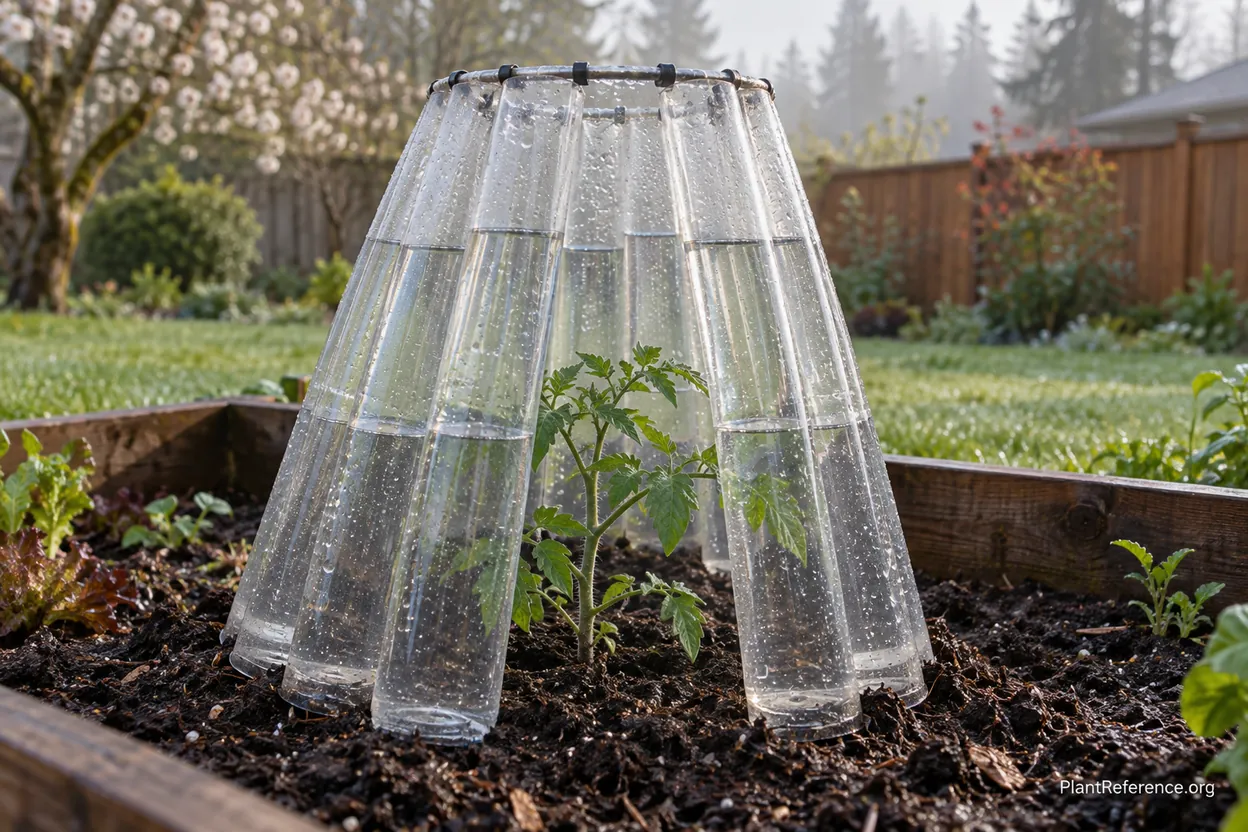
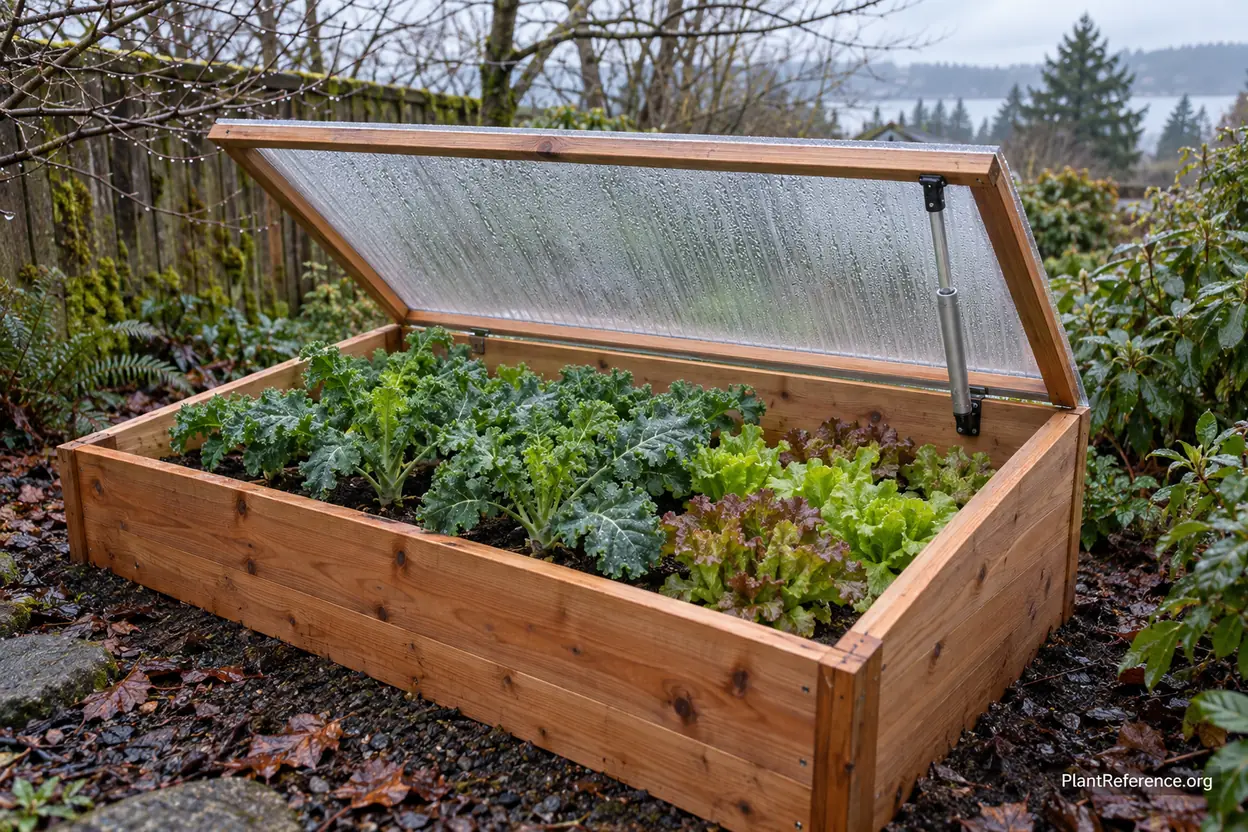
A cold frame is a bottomless box with a translucent lid—essentially a miniature greenhouse that sits over a bed. In the PNW it earns its keep twice a year: in spring for hardening off seedlings before transplant, and in fall and winter for keeping 🌿Brassica oleracea 'Winterbor' kale and Lactuca sativa lettuce harvestable through the dark months. When to Plant Lettuce in Seattle: Complete Guide + Best Varieties for Zone 8b
Twin-wall polycarbonate models hold heat far better than single-pane glass and shrug off our wet weather. The one rule you cannot skip: vent on sunny days. Even a cool, bright PNW afternoon can push the interior of a closed frame past lethal temperatures for greens, so an automatic vent opener is worth every penny if you're away at work. A well-managed cold frame is the most versatile extender most home gardeners will own. The Complete Guide to Raised Bed Gardening for Beginners (2025)
Row Covers and Low Tunnels
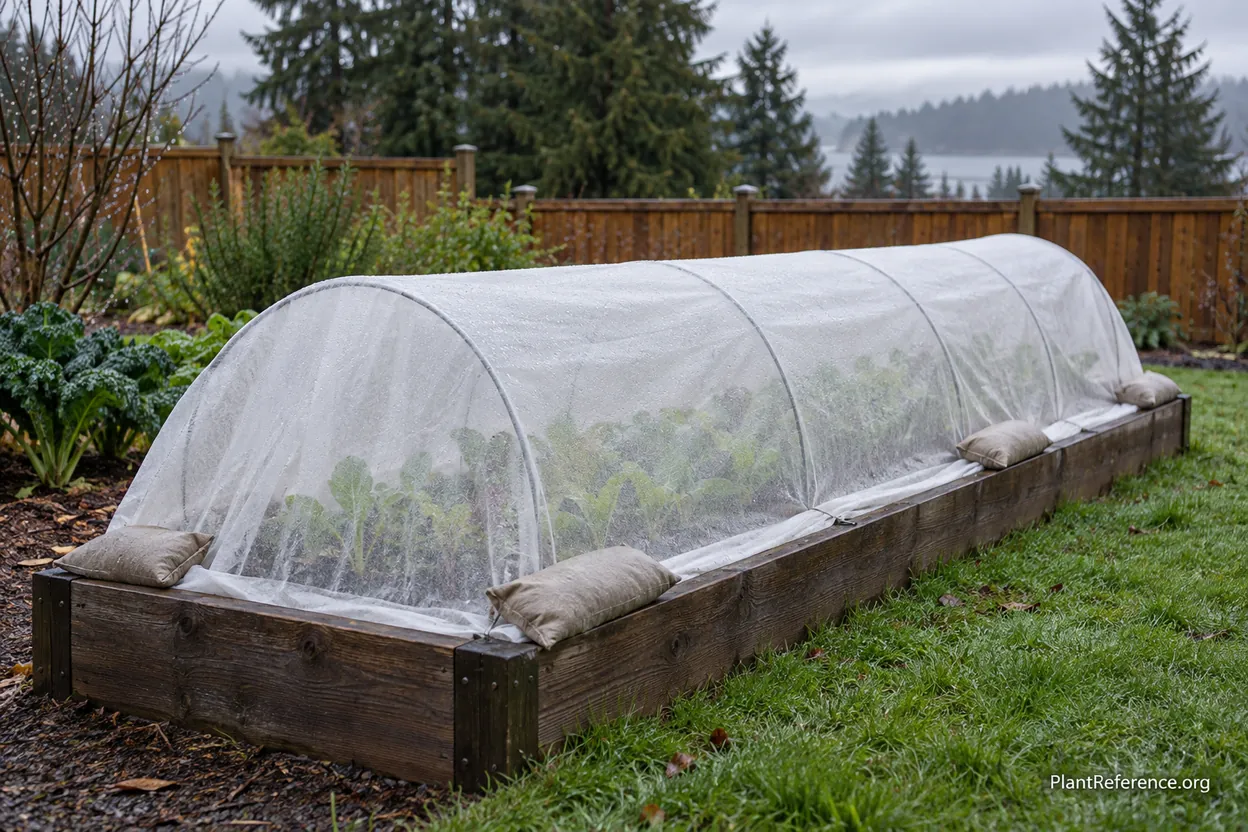
Floating row cover is the cheapest, most flexible extender you can buy. This lightweight spun fabric drapes directly over plants or over wire hoops to make a low tunnel, adding roughly 4-6°F (2-3°C) of protection while still letting in 85% of available light plus rain and air. In the PNW it does double duty, blocking the cabbage moths and carrot rust flies that plague brassicas and roots. When to Plant Kale in Portland: Complete Guide + Best Varieties for Zone 8b
Row cover won't deliver the dramatic warmth of a cloche or cold frame, but its versatility is unmatched—lay it over a fall lettuce bed for a frost-free week, or hoop it over spring transplants and lift it for harvest. Pair it with hoops to keep the fabric off foliage and prevent abrasion in wind. It's the extender I reach for most often across the whole garden. When to Plant Tomatoes in Portland: Complete Guide + Best Varieties for Zone 8b
Hoop Houses and Black Plastic for Real Heat
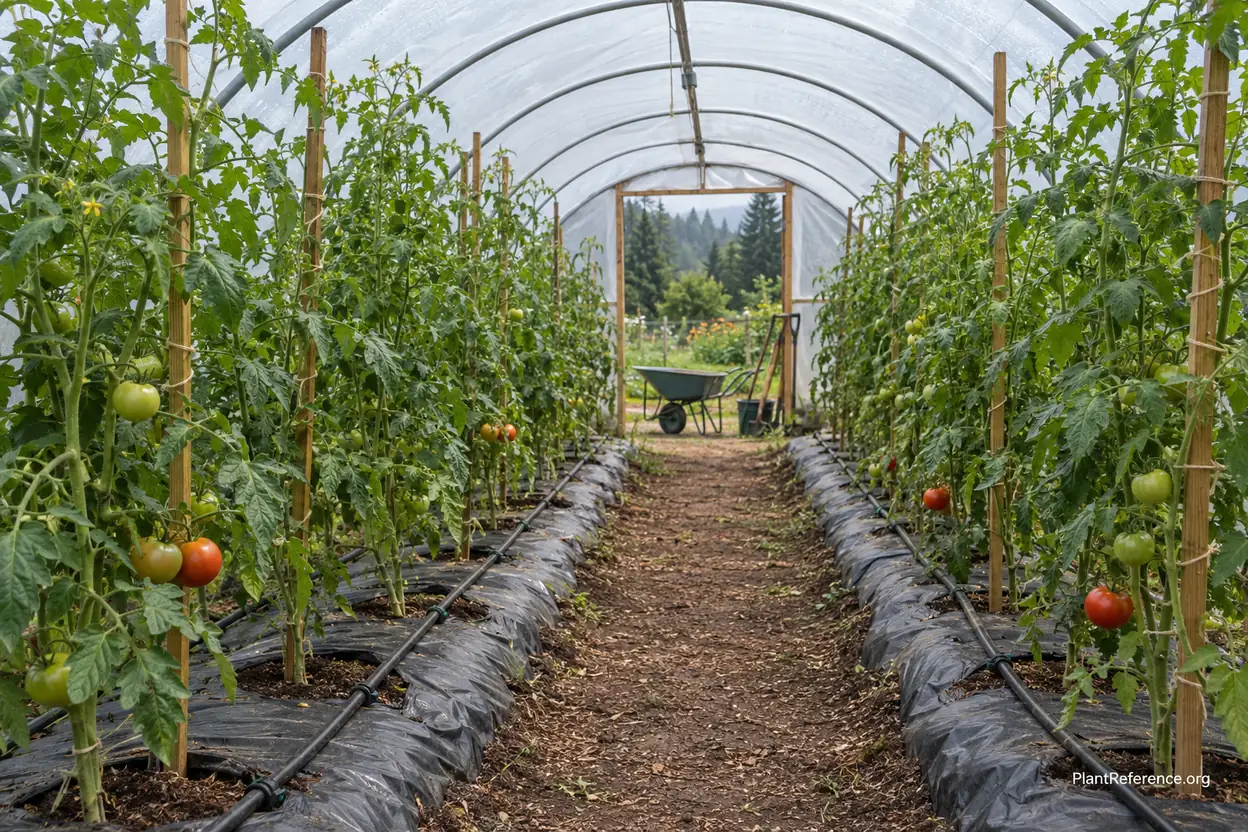
When you want to ripen large-fruited Solanum lycopersicum slicers or heat-demanding Capsicum annuum 'Yankee Bell' peppers that simply won't finish outdoors, you need a hoop house. These passive-solar tunnels let you grow in the ground while trapping enough warmth to mimic a climate two zones milder. They're the heavy artillery of PNW season extension.
There's one maritime-specific catch: because no rain reaches the soil inside a hoop house, salts from fertilizer and irrigation accumulate over time. Monitor soil fertility and flush the beds periodically to keep that buildup in check. Pair the structure with black plastic mulch laid over the beds, which raises soil temperature another 8-10°F (4-5°C) and pushes germination and root growth weeks ahead of bare ground. When to Plant Peppers in Seattle: Complete Guide + Best Varieties for Zone 8b
You can also use black plastic on its own in open beds as a low-cost soil warmer before transplanting—a smart first step even if a hoop house isn't in your budget yet. Best Soil Mix for Raised Beds: Creating the Perfect Growing Medium
How to Choose the Right Season Extender
Match the tool to the job rather than buying the biggest thing you can afford. For a few early tomatoes, a handful of cloches is plenty. For year-round greens, a cold frame pays off fastest. For serious warm-season production, a hoop house is the only thing that truly closes the gap.
Extender | Best For | Warmth Added | Approx. Cost |
|---|---|---|---|
Wall O' Water cloche | Early tomatoes & peppers | Down to 16°F (-9°C) | $8-12 each |
Cold frame | Hardening off & winter greens | 10-15°F (5-8°C) | $85-120 |
Floating row cover | Frost & pest protection | 4-6°F (2-3°C) | $15-25 |
Black plastic mulch | Soil warming | 8-10°F (4-5°C) soil | $15-20 |
Hoop house | Ripening large-fruited crops | 15-20°F (8-11°C) | $150+ |
Whatever you choose, buy a soil thermometer first. Every season-extension decision—when to set out transplants, when to lay plastic, when to vent a frame—comes back to soil temperature, not the calendar. When to Plant Squash in Seattle: Complete Guide + Best Varieties for Zone 8b Get that reading right and the rest of these tools do their job. Start small, learn how each one behaves in your own microclimate, and scale up as your appetite for warm-season crops grows.
Frequently Asked Questions
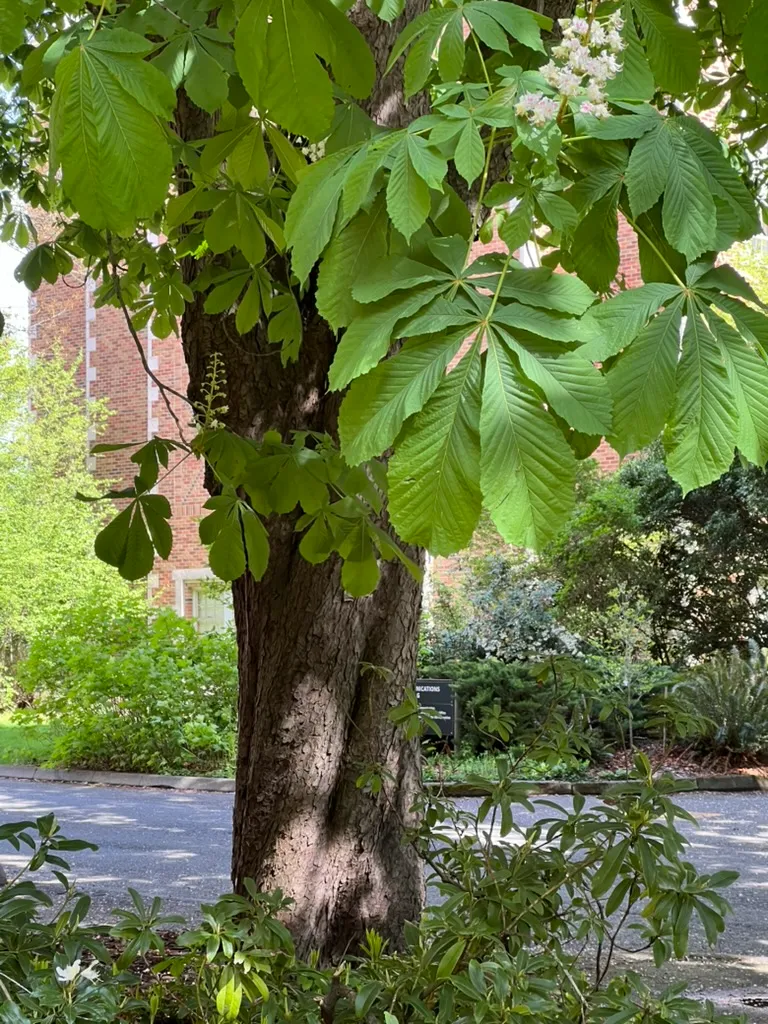
Reading about plants and recognising them are different skills. These three build the second.
- Daily PlantIdentify the day’s mystery plant from a close-up photograph.
- Keyed OutWork a dichotomous key, lead by lead, to name a hidden specimen.
- Name That PlantName a specimen from botanical clues dealt hardest first.
Free to play, no account needed
Tagged with
Mike's been designing residential landscapes in the Seattle area, with a particular focus on Pacific Northwest natives and sustainable practices. He's a Washington State Master Gardener and worked in construction before landscaping, which gives him a practical edge when it comes to building raised beds and hardscaping projects. He runs a small side business propagating and selling unusual perennials at farmers markets on weekends. His property serves as a testing ground for low-maintenance, wildlife-friendly garden designs. Mike's philosophy: if it requires weekly maintenance, it's not sustainable.