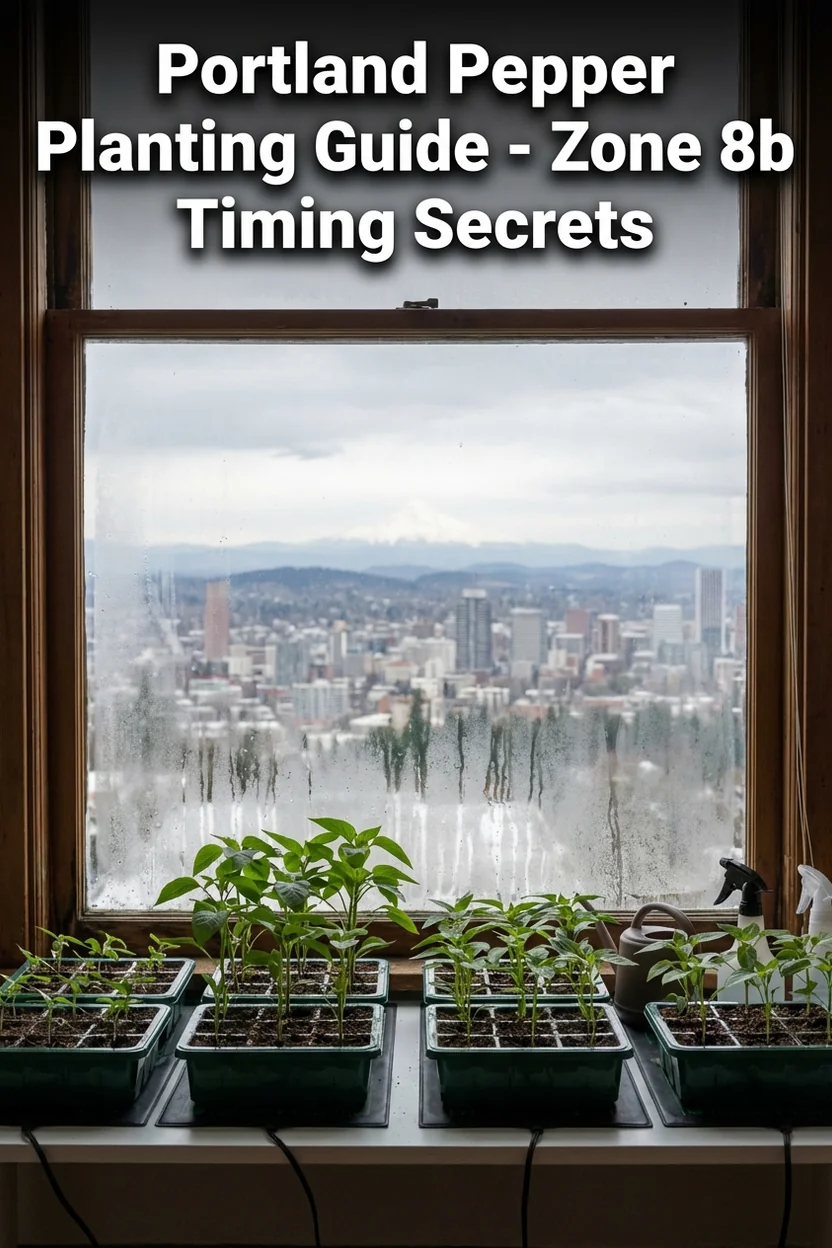
When to Plant Peppers in Portland: Complete Guide + Best Varieties for Zone 8b
Pets & Toxicity
Recorded toxicity for plants linked in this guide. An unknown status is not a safety assessment.
Capsicum annuum 'California Wonder' — Toxicity
Non-toxicView Capsicum annuum 'California Wonder' plant profileCapsicum chinense 'Habanero' — Toxicity: Not assessed
Fruit contains capsaicin at 100,000–350,000 Scoville Heat Units — strong enough to cause severe burning on skin, eyes, and mucous membranes through simple contact with cut fruit or the hand that held it. Nitrile gloves are used during handling and food preparation; face and eye contact is avoided. The fruit is irritating rather than toxic in the usual sense, but the heat level can cause significant discomfort and real injury if mishandled. The plant is kept out of reach of children and pets.View Capsicum chinense 'Habanero' plant profile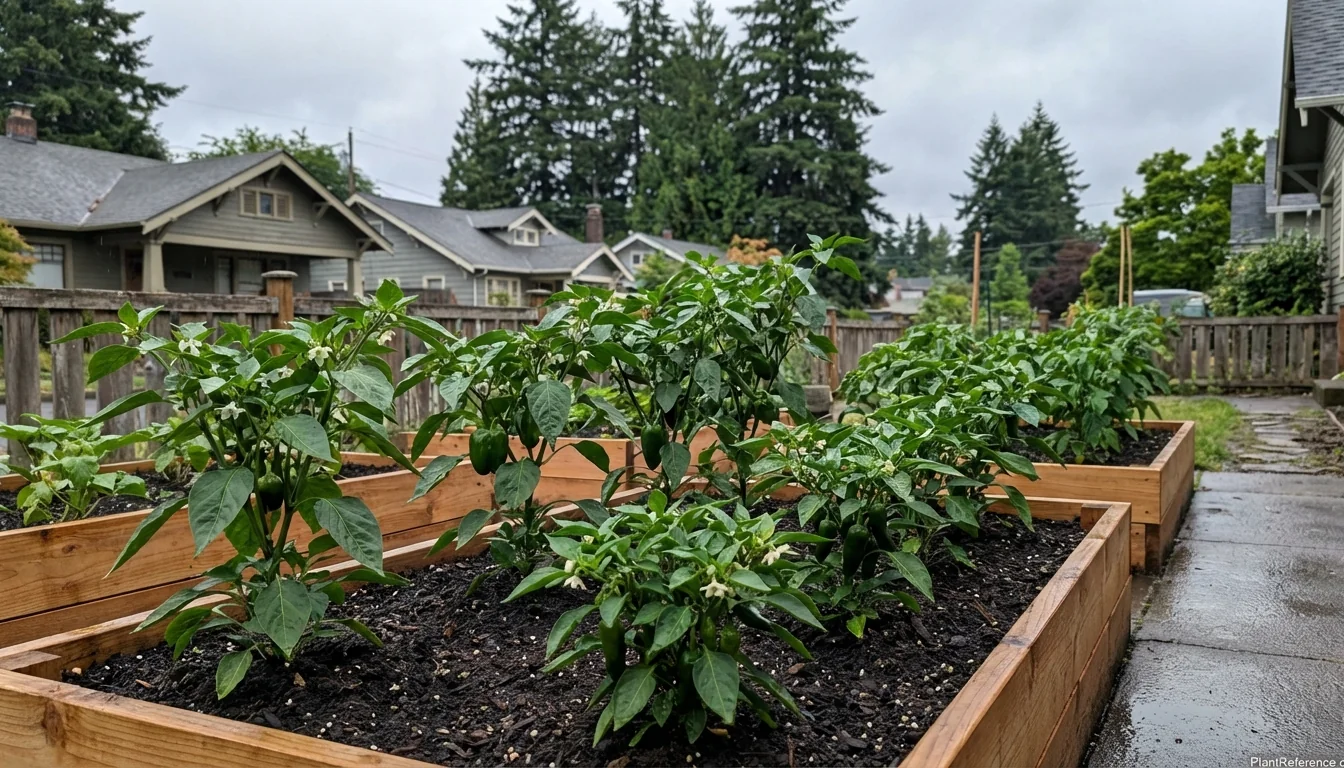
— Image © Plant Reference 2026
Portland's unique maritime climate creates both opportunities and challenges for pepper growing. While the 235-day frost-free window from March 19 to November 9 seems generous, Portland's cool, cloudy summers can leave heat-loving peppers struggling to ripen properly.
After forty years of vegetable gardening, I can tell you that Portland pepper growing is all about working with the climate, not against it. The Willamette Valley's maritime influence keeps summers cooler than other Zone 8b locations—great for lettuce, not so great for peppers that want consistent heat.
The key to success is choosing varieties that thrive in moderate temperatures and starting early enough to make the most of Portland's long but relatively cool growing season. Heat-loving varieties like Habaneros often fail to ripen properly, while cool-tolerant varieties like 🌿Capsicum annuum 'Shishito' and 🌿Capsicum annuum 'Early Jalapeño' perform beautifully.
Best Pepper Varieties for Portland's Zone 8b Climate
Portland's maritime climate demands careful variety selection. While the growing season extends 235 days, the relatively cool summers mean accumulated heat units are lower than in continental Zone 8b locations.
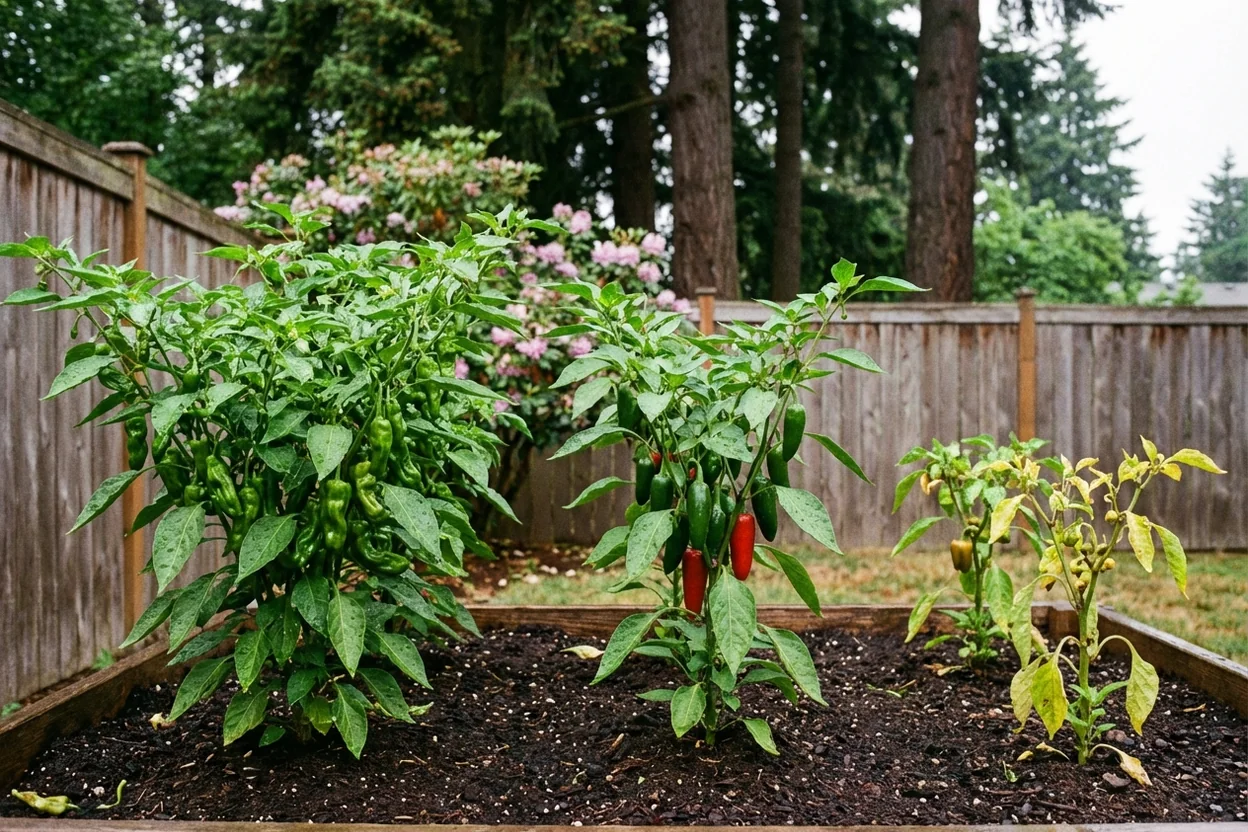
The most reliable performers fall into three categories: early-maturing varieties that beat the cool weather, thin-walled varieties that ripen quickly, and compact varieties that concentrate energy into fruit production rather than excessive foliage.
Variety | Days to Maturity | Best For | Notes for Portland |
|---|---|---|---|
60-65 days | Fresh eating, grilling | Thrives in cool summers, very reliable | |
65-70 days | Salsa, pickling | Productive despite moderate heat | |
65-70 days | Fresh eating, stuffing | Excellent choice for cool summers | |
70-75 days | Cooking, canning | Adapts well to maritime climate | |
70-75 days | Specialty cooking | Heirloom adapted to cool, wet conditions | |
75-80 days | Stuffing, fresh eating | Choose early strains for Portland | |
Capsicum annuum 'Poblano' | 75-85 days | Roasting, drying | Marginal in cool summers |
90-120 days | Hot sauce | Difficult in Portland, needs protection |
Top Three Recommendations:
🌿Capsicum annuum 'Shishito' stands out as the most reliable pepper for Portland gardens. These Japanese peppers actually prefer the moderate temperatures that challenge other varieties. They begin producing in July and continue until the first frost in November.
🌿Capsicum annuum 'Early Jalapeño' varieties like 'Early' or 'Tam Jalapeño' mature quickly enough to produce substantial harvests before Portland's summer heat peaks—which isn't saying much, but it matters for pepper production.
🌿Capsicum annuum 'Sweet Banana' peppers are remarkably adaptable to cool conditions and produce prolifically in Portland's climate. The thin walls ripen quickly, and the plants continue producing even when nighttime temperatures drop into the 50s°F (10-15°C).
Varieties to Avoid:
Large-fruited varieties like 🌿Capsicum annuum 'California Wonder' bells often fail to ripen properly in Portland's moderate summers. The thick walls require more accumulated heat than Portland typically provides. If you want bell peppers, choose early varieties and be prepared for smaller fruit size.
🌿Capsicum chinense 'Habanero' and other superhot varieties rarely succeed outdoors in Portland without season extension techniques like wall-o-water or plastic tunnels.
Specific Planting Dates for Portland
Portland's last average frost date of March 19 allows earlier planting than most Zone 8b locations, but soil temperature matters more than air temperature for pepper establishment.
Indoor Seed Starting: January 15-22
Start pepper seeds indoors 8-9 weeks before the last frost date. In Portland, this means sowing seeds during the third week of January. Use a heat mat to maintain soil temperature at 80-85°F (27-29°C) for optimal germination.
Portland's cloudy winter conditions require supplemental lighting for healthy seedling development. Place seedlings under grow lights for 14-16 hours daily once they emerge.
Hardening Off: March 10-17
Begin hardening off seedlings one week before transplanting. Portland's changeable spring weather requires careful attention during this process. Move seedlings outdoors during the day when temperatures exceed 60°F (15°C), bringing them inside when temperatures drop below 55°F (13°C).
Transplanting: March 19 - April 5
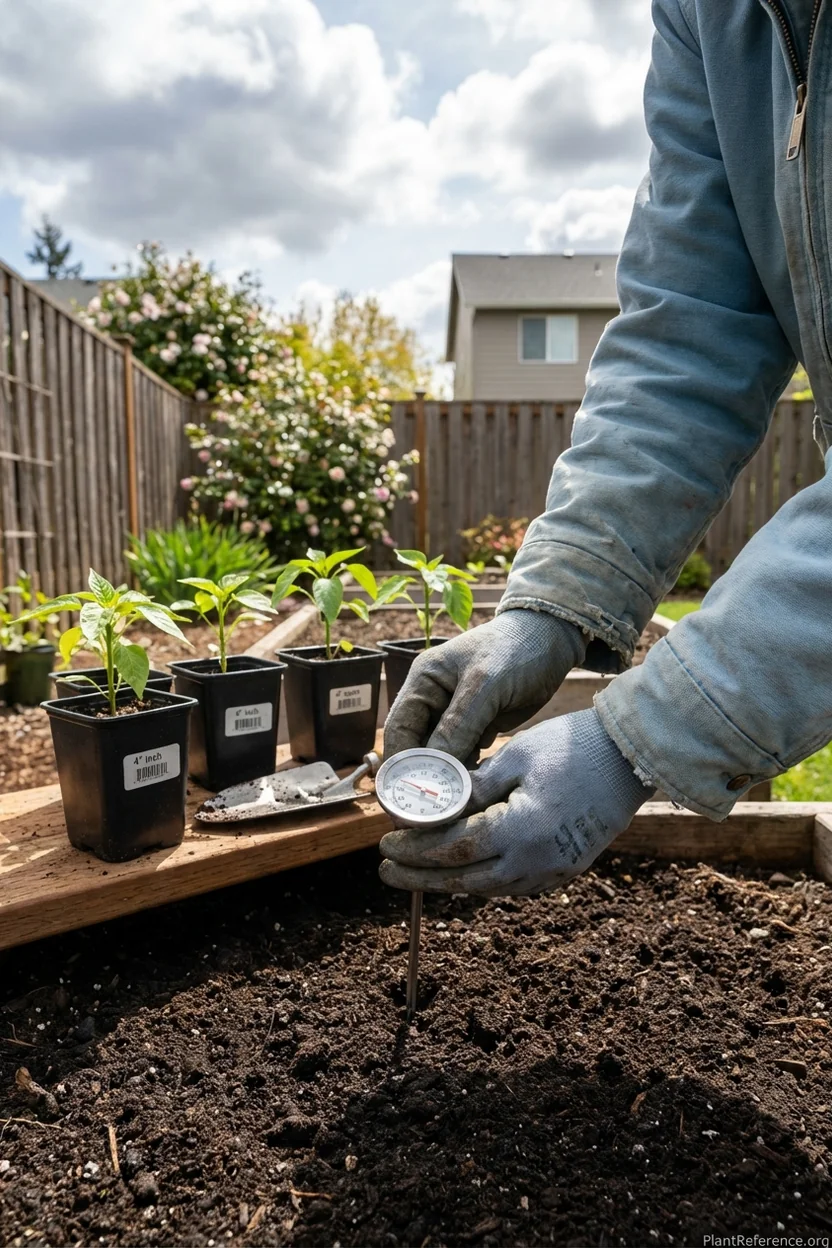
The official last frost date is March 19, but soil temperature is more critical than air temperature. Wait until soil temperatures consistently reach 60°F (15°C) at 4-inch (10 cm) depth before transplanting. In Portland, this typically occurs 7-10 days after the last frost date.
Season Extension for Heat-Loving Varieties
If you're determined to grow varieties that need extra heat, use these techniques:
Plant against south-facing walls or fences to maximize reflected heat and create a warmer microclimate. The thermal mass helps moderate temperature fluctuations.
Black plastic mulch raises soil temperature by 5-8°F (3-4°C), creating conditions similar to a warmer zone.
Wall-o-Water or similar season extension devices allow earlier planting and protection during cool snaps.
Complete Growing Guide for Portland
Portland's maritime climate influences every aspect of pepper cultivation, from soil preparation through harvest timing.
Soil Preparation for Maritime Conditions
Portland's high rainfall and clay-heavy soils require excellent drainage for pepper success. Work in 2-3 inches (5-8 cm) of compost annually to improve soil structure and drainage. Raised beds work particularly well in Portland, elevating the root zone above potential waterlogging.
The region's naturally acidic soils (pH 5.5-6.0) benefit from lime applications. Peppers prefer slightly acidic to neutral conditions (pH 6.0-7.0). Apply lime in fall for spring planting, allowing time for pH adjustment.
Watering in a Wet Climate
Portland's wet winters and dry summers create a unique watering challenge. Establish a consistent moisture schedule once the summer dry season begins in July. Peppers need 1-1.5 inches (2.5-4 cm) of water weekly during fruit development.
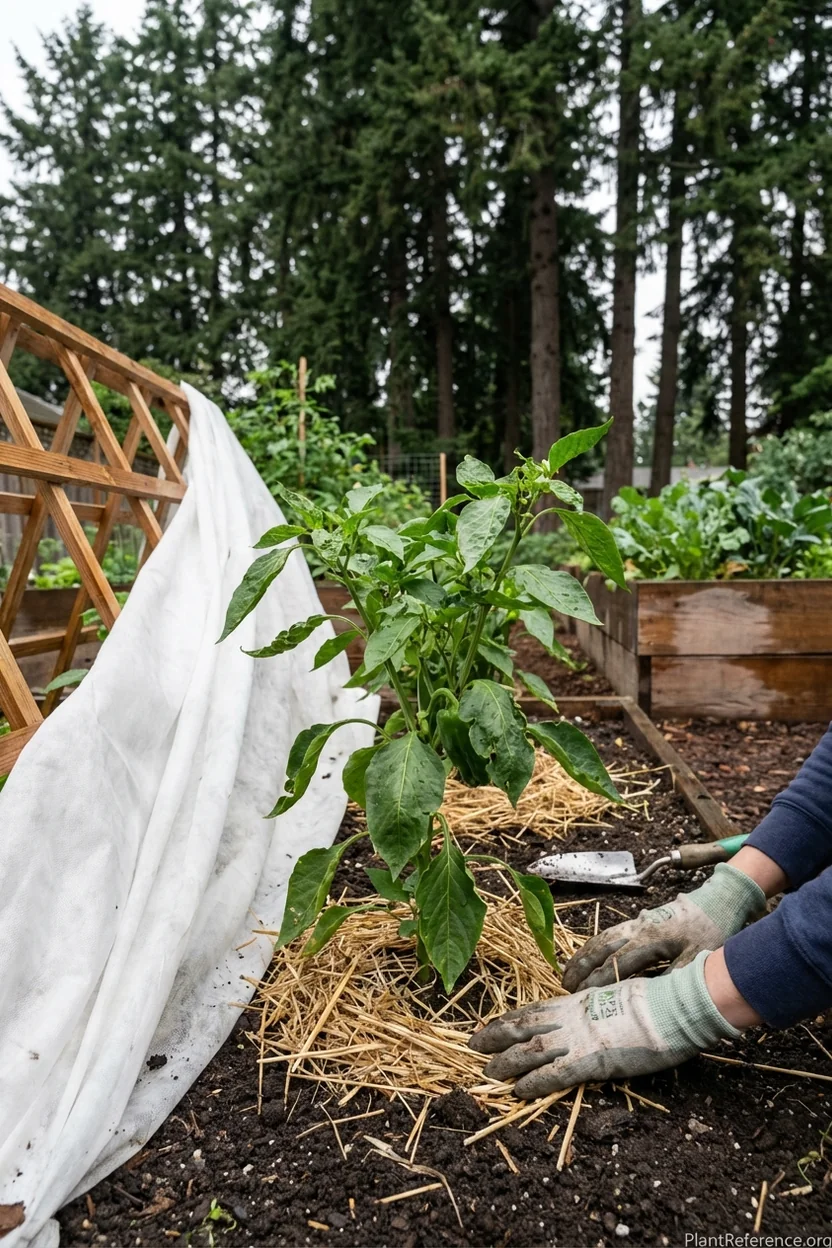
Drip irrigation or soaker hoses work better than overhead watering, which can promote fungal diseases in Portland's humid conditions. Mulch around plants with 2-3 inches (5-8 cm) of organic material to retain moisture during the dry season.
Managing the Maritime Growing Season
Portland's growing season has three distinct phases:
Cool Spring (March-May): Focus on establishment and early growth. Protect plants from cool nights with row covers or Wall-o-Waters. Growth is slow but steady.
Warm Summer (June-September): Peak growing season when most fruit development occurs. Despite being called "warm," Portland summers rarely exceed 85°F (29°C), which is actually ideal for pepper production. Most varieties flower and set fruit reliably during this period.
Cool Fall (October-November): Harvest continues but ripening slows. Green fruits ripen slowly if at all. Focus on harvesting mature green fruits for storage or processing.
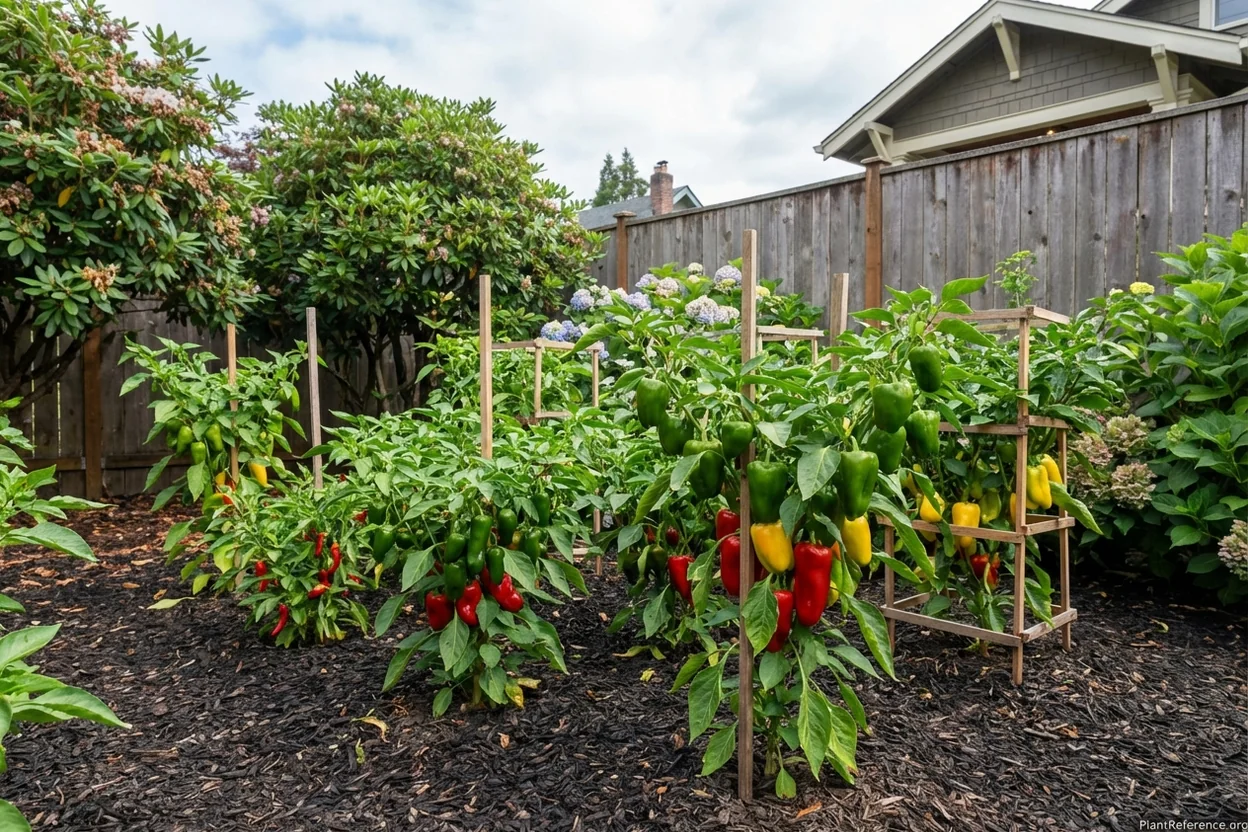
Fertilization Schedule
Portland's organic-rich soils typically provide adequate nutrition with minimal supplementation. Apply a balanced fertilizer (10-10-10) at transplanting, then switch to lower-nitrogen formulations once flowering begins to encourage fruit production over vegetative growth.
Side-dress plants with compost monthly during the growing season. Portland's frequent spring and fall rains can leach nutrients, making regular light feeding more effective than heavy single applications.
Pest and Disease Management
Portland's maritime climate creates specific pest and disease pressures:
Slugs and Snails: The region's persistent moisture creates ideal conditions for mollusks. Use iron phosphate-based baits around young transplants, and maintain good air circulation by proper plant spacing.
Aphids: Cool, moist conditions favor aphid populations. Monitor plants weekly and use insecticidal soap or beneficial insects for control.
Fungal Diseases: High humidity promotes diseases like powdery mildew and anthracnose. Ensure good air circulation, avoid overhead watering, and remove infected plant material promptly.
Troubleshooting Portland-Specific Problems
Portland's unique climate creates predictable challenges that experienced gardeners learn to anticipate and manage.
Poor Fruit Set Despite Healthy Plants
Portland's cool nights (often dropping to 50-55°F/10-13°C even in summer) can inhibit pollination. Pepper flowers need nighttime temperatures above 60°F (15°C) for optimal pollen viability.
Solution: Choose varieties known for cool-weather fruit set like 🌿Capsicum annuum 'Shishito' or 🌿Capsicum annuum 'Early Jalapeño'. Protect plants with row covers during unusually cool spells to maintain minimum temperatures.
Slow Ripening or Fruits Staying Green
Portland's moderate summer temperatures accumulate heat units slowly, causing fruits to reach full size but remain green longer than expected.
Solution: Harvest large green fruits and ripen them indoors on sunny windowsills. Many varieties develop full flavor even when ripened off the plant. Focus on thin-walled varieties that ripen more quickly in moderate temperatures.
Sunscald Despite Mild Summers
Portland's occasional hot days (85-90°F/29-32°C) following cloudy periods can cause sunscald when plants haven't acclimated gradually to increased light intensity.
Solution: Maintain dense foliage cover by avoiding excessive pruning. If a heat wave is forecast following cloudy weather, provide temporary shade cloth (30% shade) for 2-3 days.
Excessive Vegetative Growth, Few Fruits
Portland's rich, organic soils combined with abundant spring moisture can promote excessive foliage growth at the expense of fruiting.
Solution: Reduce nitrogen fertilization once plants are established. Stop fertilizing entirely once the first flowers appear, then resume with phosphorus-heavy formulations to encourage fruit development.
Late Season Diseases
Portland's return to wet weather in October can promote fungal diseases just as harvest peaks.
Solution: Improve air circulation by selective pruning of lower branches. Harvest fruits promptly and store properly rather than leaving them on plants during wet weather.
Harvest & Storage
Portland's extended growing season allows harvest from July through November, but timing and storage techniques matter for quality preservation.
Optimal Harvest Timing
Begin harvesting when fruits reach full size but before they develop their mature color for the longest storage life. Green bells, poblanos, and jalapeños store longer than fully ripe fruits.
For varieties grown specifically for their ripe color and flavor—like red bells or fully mature hot peppers—wait until color development is complete but fruits are still firm.
Storage Methods for Portland Conditions
Portland's high humidity requires careful attention to storage conditions to prevent rot.
Fresh Storage: Refrigerate harvested peppers in perforated plastic bags for 1-2 weeks. Portland's tap water tends to be soft and low in minerals, making it ideal for washing peppers before storage.
Freezing: Wash, core, and slice peppers before freezing. Portland's abundant harvest often exceeds fresh consumption capacity, making freezing an essential preservation method.
Drying: Portland's humid conditions make air-drying difficult. Use a dehydrator or oven-drying for thin-walled varieties like cayenne or Hungarian hot wax.
Frequently Asked Questions
Reading about plants and recognising them are different skills. These three build the second.
- Daily PlantIdentify the day’s mystery plant from a close-up photograph.
- Keyed OutWork a dichotomous key, lead by lead, to name a hidden specimen.
- Name That PlantName a specimen from botanical clues dealt hardest first.
Free to play, no account needed
Sarah earned her doctorate in plant biology and spent time working in botanical garden education before transitioning to freelance writing and consulting. Now based in Portland, Oregon, she teaches plant identification workshops at local community centers and maintains a modest collection of over 60 houseplants in her small apartment. Sarah specializes in helping beginners understand plant science without the jargon—her approach focuses on practical observation over theory. She's killed her fair share of fiddle leaf figs and finally cracked the code on keeping them alive.