Image 1 of 5
1 / 5
Species photo — your cultivar may vary
AnRo0002, no rights reserved (CC0) · Wikimedia Commons
Solanum, Genus, lycopersicum, Species, 'Glacier', Cultivar,
- Genus & species
- Cultivar
glacier tomato
Overview
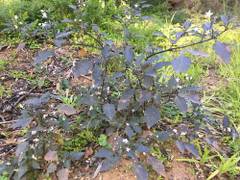
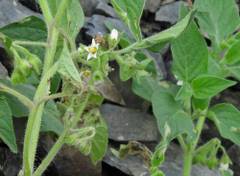
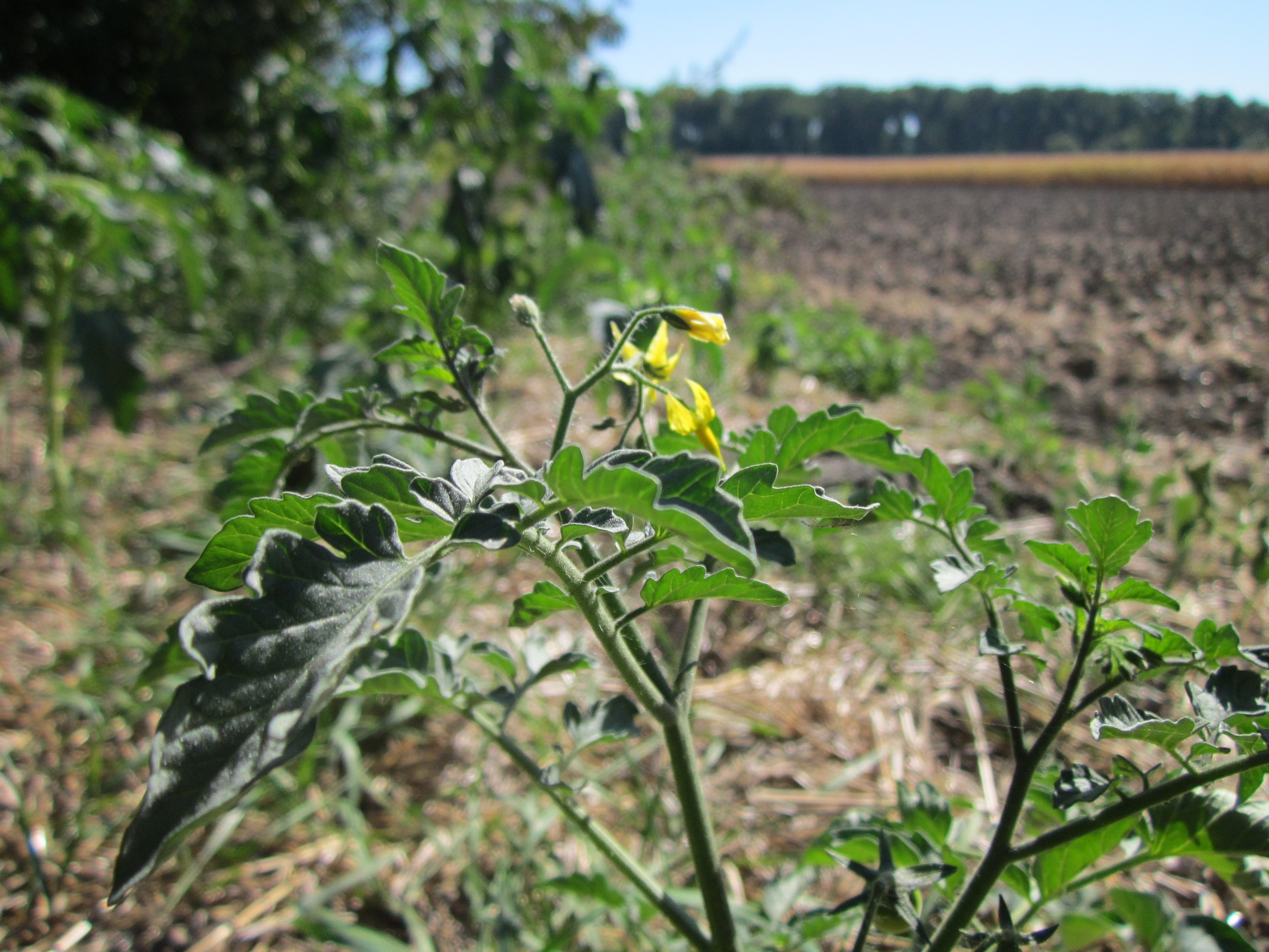
Solanum lycopersicum 'Glacier' is a determinate, early-maturing tomato cultivar in the Solanaceae family, growing 24–36 inches (60–90 cm) tall. Developed at Oregon State University for the Pacific Northwest climate. Fruit are round, 2–3 inches (5–8 cm) in diameter, 2–4 ounces (57–113 g), bright red. Days to maturity: 55–58 from transplant — among the earliest slicing tomatoes, 2–3 weeks earlier than 'Early Girl' (62–65 days). The early maturity is the primary cultivar value — it produces ripe fruit before late blight (Phytophthora infestans) typically arrives in the Pacific Northwest in late August–September. Determinate — sets fruit in a concentrated period, then declines. Flavour is mild, standard tomato — less complex than later-maturing indeterminate cultivars, a trade-off for the early maturity. The compact, determinate habit suits containers (minimum 5 gallons / 19 L) and small gardens. Named for Glacier National Park.
Native Range
Solanum lycopersicum is native to western South America. 'Glacier' was developed at Oregon State University for the Pacific Northwest.Suggested Uses
Early-season fresh eating — the first ripe tomato of the PNW season. Slicing, sandwiches, salads. In the Pacific Northwest, a primary early cultivar that matures before late blight arrives. Combine with a later-maturing indeterminate for extended harvest.How to Identify
Appearance
Size & Dimensions
Height2' - 3'
Width/Spread1'6" - 2'
Bloom Information
Yellow flowers from June through August. Self-pollinating. Concentrated fruit set (determinate).
Detailed Descriptions
Foliage Description
Medium greenGrowing Conditions
Sun Requirements
Requires 6-10 hours of direct sunlight daily
• Full Sun: 6+ hours of direct sunlight
• Partial Shade: 3-6 hours of direct sunlight
• Full Shade: Less than 3 hours of direct sunlight
Care & Maintenance
Care Guide
Start seed indoors 6–8 weeks before last frost. Transplant after last frost, soil 60°F (15°C). Space 24 inches (60 cm) apart. Full sun, fertile well-drained soil, pH 6.0–7.0. Water 1–1.5 inches (2.5–4 cm) per week. Cage or stake for support. In the Pacific Northwest, transplant mid-May for July harvest.Pruning
Minimal pruning needed for determinate types. Remove suckers below the first flower cluster. No topping needed — the plant self-terminates.Container Growing
Suitable for container growing
Minimum container size: 5 gallons