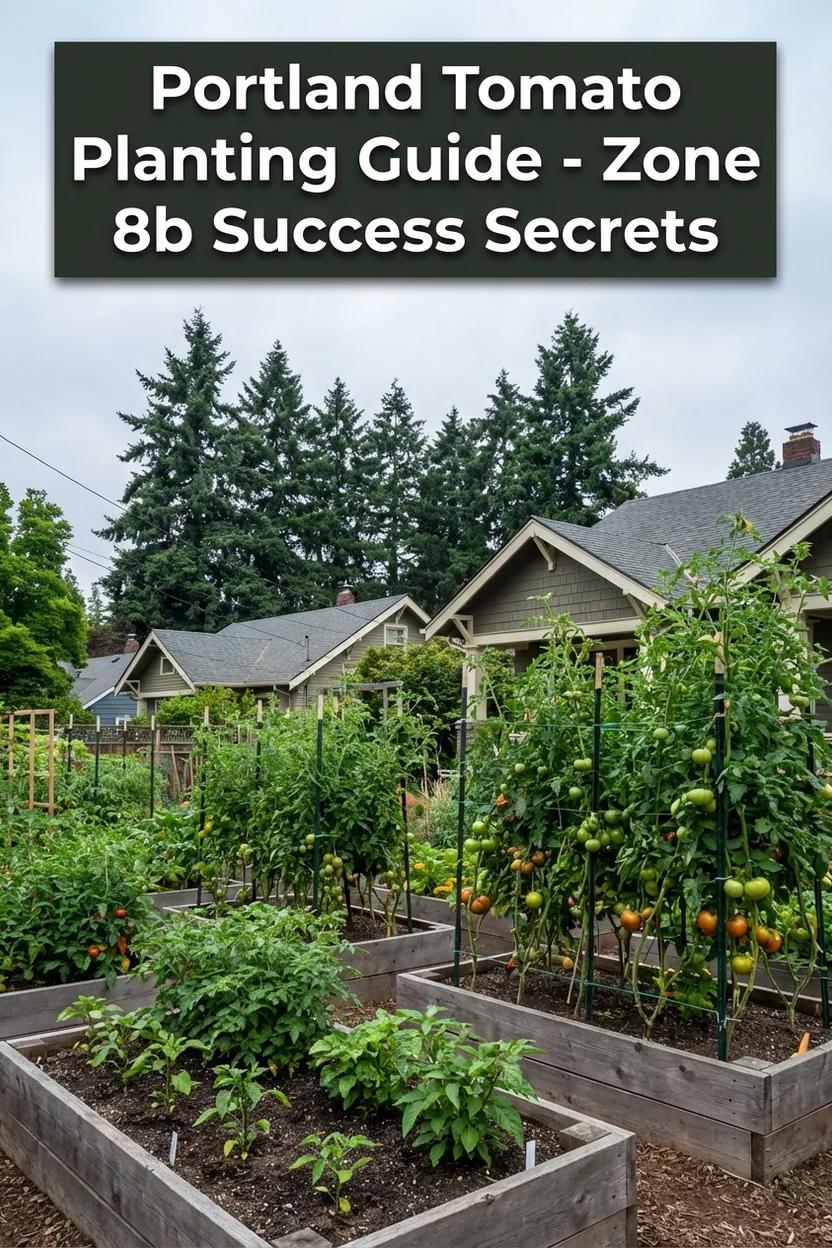
When to Plant Tomatoes in Portland: Complete Guide + Best Varieties for Zone 8b
Pets & Toxicity
Recorded toxicity for plants linked in this guide. An unknown status is not a safety assessment.
Toxic to pets: Stupice tomato, early girl tomato, Sungold cherry tomato and 3 moreDetailsHide
Solanum lycopersicum 'Stupice' — Toxicity Warning
Toxic to petsView Solanum lycopersicum 'Stupice' plant profileSolanum lycopersicum 'Early Girl' — Toxicity Warning
Toxic to petsView Solanum lycopersicum 'Early Girl' plant profileSolanum lycopersicum 'Sungold' — Toxicity Warning
Toxic to petsView Solanum lycopersicum 'Sungold' plant profileSolanum lycopersicum 'Cherokee Purple' — Toxicity Warning
Toxic to petsView Solanum lycopersicum 'Cherokee Purple' plant profileSolanum lycopersicum 'San Marzano' — Toxicity Warning
Toxic to petsView Solanum lycopersicum 'San Marzano' plant profileSolanum lycopersicum 'Brandywine' — Toxicity Warning
Toxic to petsView Solanum lycopersicum 'Brandywine' plant profile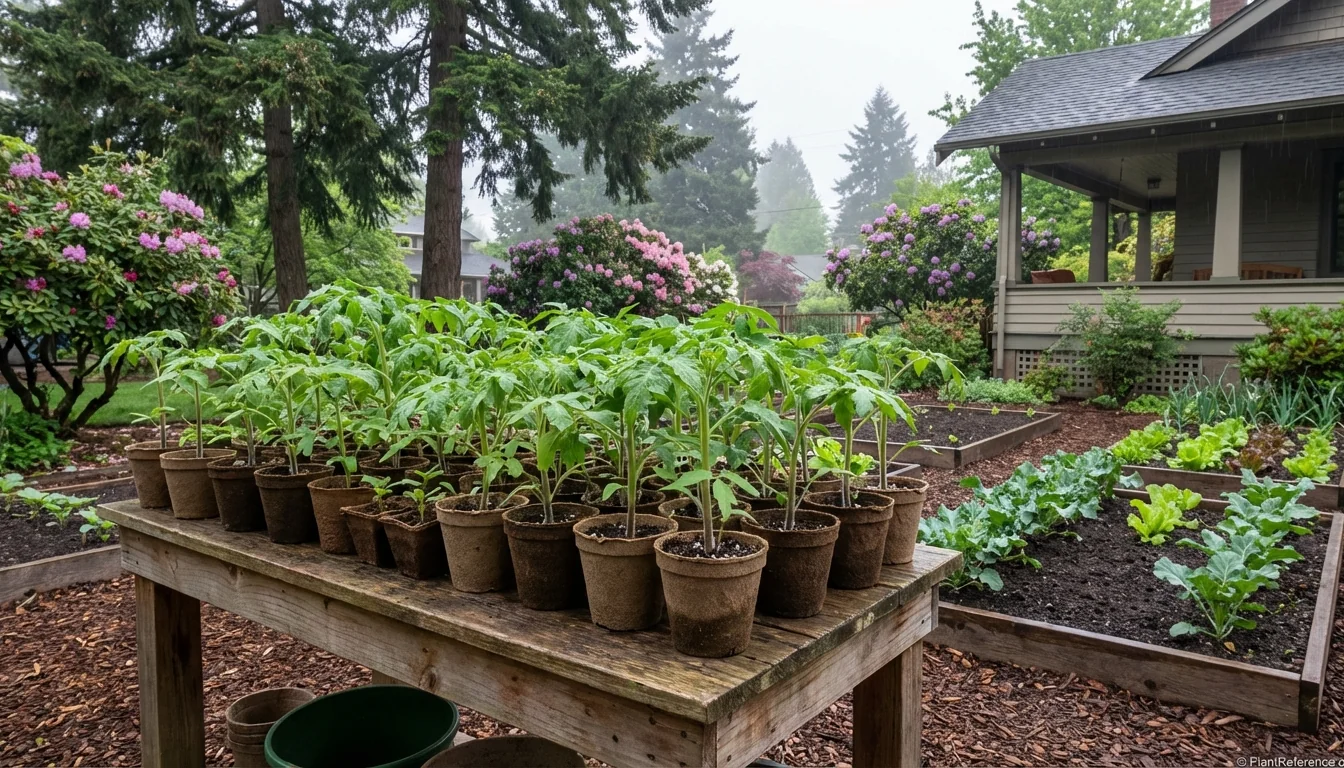
— Image © Plant Reference 2026
I've been growing tomatoes in Portland for over thirty years, and I'll tell you straight—this city's Zone 8b climate is a tomato grower's dream once you understand the rhythm. With 235 frost-free days and that gentle maritime influence, Portland offers opportunities that gardeners in harsher climates can only envy.
Best Tomato Varieties for Portland's Climate
Portland's maritime climate creates unique growing conditions that favor specific tomato varieties. Our cool, moist springs and warm but rarely scorching summers make this an ideal environment for both early-maturing varieties and heat-sensitive heirlooms that struggle in hotter regions.
The key to success in Portland's Zone 8b is understanding that while our last frost averages March 19, cool nights persist well into May. This means cold-tolerant varieties that can set fruit at lower temperatures will always outperform heat-lovers that wait for consistently warm nights.
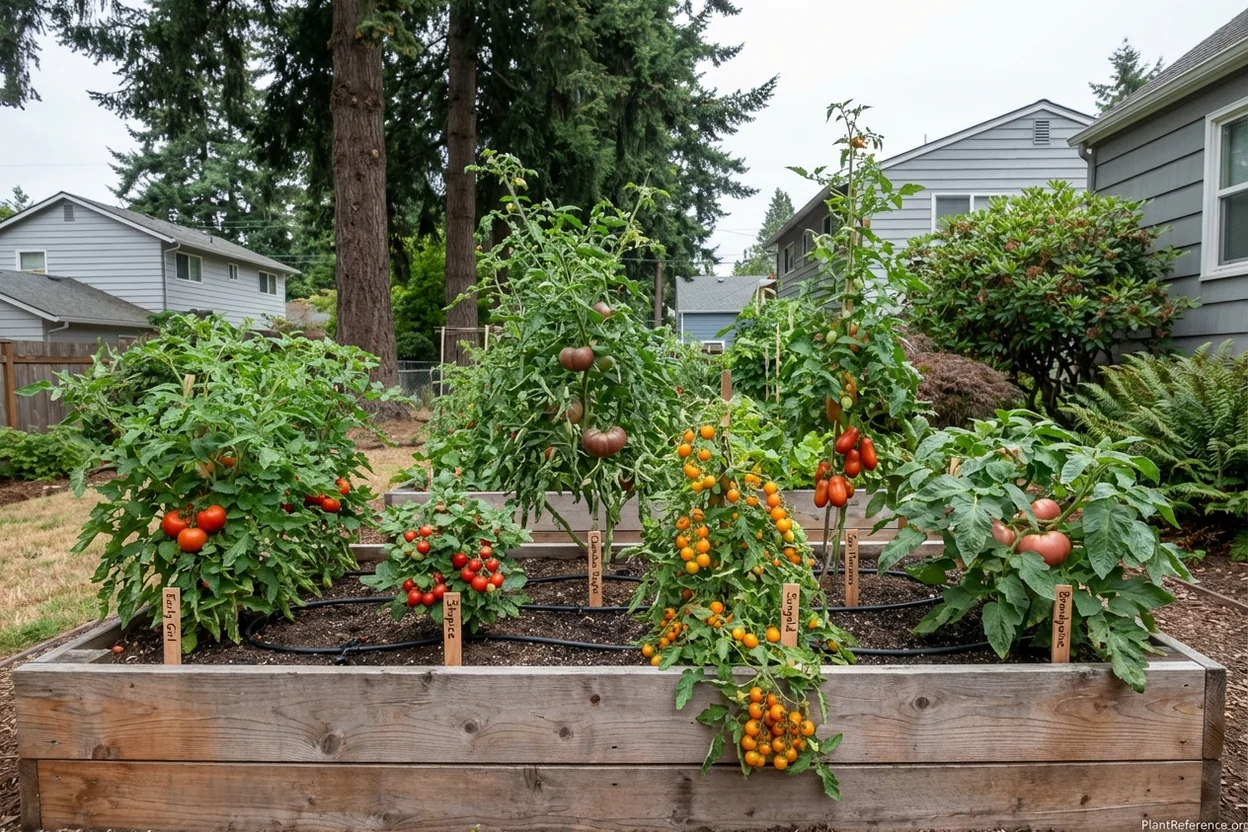
Variety | Days to Maturity | Best For | Notes for Portland |
|---|---|---|---|
52-60 days | Cool-season harvest | Perfect for Portland's cool springs; sets fruit at 45°F nights | |
50-62 days | Reliable production | Excellent blight resistance for humid conditions | |
55-65 days | Cherry tomatoes | Thrives in Portland's moderate summer heat | |
75-90 days | Gourmet flavor | Benefits from Portland's long, mild growing season | |
78-85 days | Paste/sauce making | Excellent in raised beds with good drainage | |
80-100 days | Premium heirloom | Challenging but doable with season extension |
For Portland gardeners, I always recommend starting with 🌿Solanum lycopersicum 'Stupice' and 🌿Solanum lycopersicum 'Early Girl'. These varieties were bred for conditions exactly like ours—cool springs, moderate summers, and the need to produce before fall rains arrive in earnest.
🌿Solanum lycopersicum 'Stupice' is particularly remarkable for Portland. This Czech variety can set fruit when nighttime temperatures drop to 45°F (7°C), which happens regularly in our April and May nights. While other varieties sit dormant waiting for warmer weather, 🌿Solanum lycopersicum 'Stupice' is actively producing your first harvest.
🌿Solanum lycopersicum 'Cherokee Purple' performs exceptionally well in Portland's climate. This variety actually struggles in hot, humid regions but thrives in our moderate maritime conditions. The long growing season allows it to reach full maturity while avoiding the heat stress that causes blossom drop in hotter areas.
Specific Planting Dates for Portland
Portland's Zone 8b classification with a March 19 average last frost date provides specific timing windows that maximize your tomato success. I've refined these dates through decades of tracking weather patterns and plant performance.
Indoor Seed Starting: February 15-22
Start your seeds indoors 6-8 weeks before transplanting. In Portland, this means mid-February for most varieties. Use bottom heat to maintain 75-80°F (24-27°C) soil temperature for optimal germination. Portland's cool indoor temperatures in February often require heating mats for reliable sprouting.
Hardening Off: March 22-April 1
Begin hardening off your seedlings about two weeks before transplanting. Portland's variable spring weather makes this process crucial—sudden wind or temperature drops can shock unprepared seedlings. Start with 2-3 hours outdoors in protected areas, gradually increasing exposure.
Transplant Outdoors: April 2-9
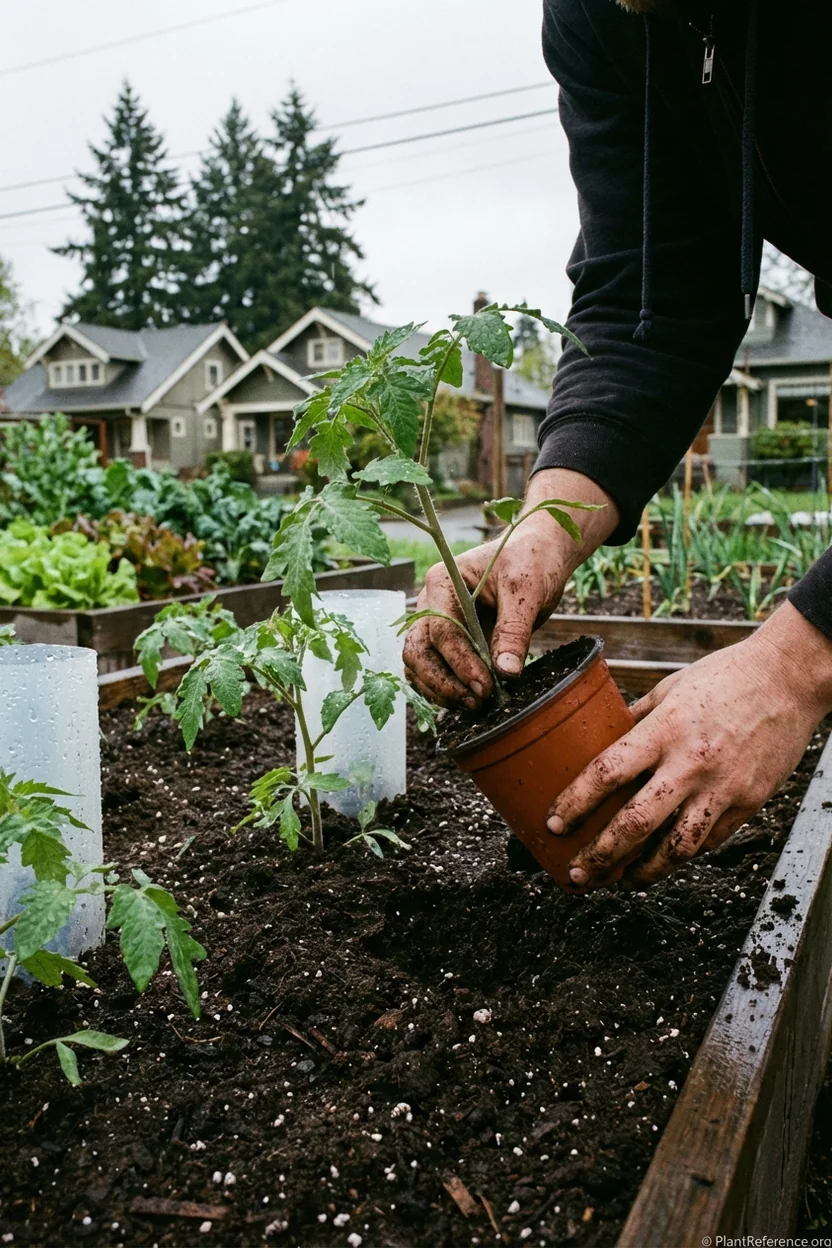
Transplant your tomatoes two weeks after the average last frost date. While March 19 is the statistical last frost, Portland's microclimates and occasional late cold snaps make early April the safest transplant window. Soil temperatures should consistently reach 55°F (13°C) before transplanting.
Season Extension Options
Portland's cool nights well into May make season extension valuable:
Wall O Water: Provides 10-15°F protection for individual plants
Row covers: Protect entire beds from wind and light frost
Cold frames: Ideal for hardening off and early growth
High tunnels: Allow earlier planting and extended harvest
Summer Growing Season: April through October
Portland's moderate summer temperatures rarely stress tomato plants. Average July highs of 82°F (28°C) are ideal for fruit set, unlike regions where excessive heat causes blossom drop. This consistent, moderate climate allows even heat-sensitive varieties like 🌿Solanum lycopersicum 'Brandywine' to produce reliably.
Complete Growing Guide for Portland
Portland's unique climate requires specific cultural practices that differ from standard tomato growing advice. Our combination of cool, wet springs and dry summers demands adaptive management throughout the season.
Soil Preparation for Portland Gardens
Portland's native clay soil requires significant amendment for successful tomato growing. I've found that raised beds filled with a custom blend work best: 40% compost, 30% native soil (if clay content is manageable), and 30% coarse sand or perlite for drainage.
Portland's frequent winter and spring rains can waterlog poorly draining soil, leading to root rot. Raised beds elevated 8-12 inches (20-30 cm) above grade provide the drainage tomatoes need while warming faster in spring than ground-level plantings.
Irrigation Strategy for Portland's Climate
Portland receives most of its 36 inches (91 cm) of annual rainfall between October and May. Summer irrigation becomes critical as rainfall drops dramatically from June through September. I recommend installing drip irrigation or soaker hoses before transplanting to ensure consistent soil moisture.
The transition from wet spring to dry summer can shock tomato plants if not managed properly. Begin supplemental watering in late May, gradually increasing frequency as natural rainfall decreases. Aim for 1-2 inches (2.5-5 cm) of water weekly through drip irrigation or deep, infrequent hand watering.
Managing Portland's Cool Springs
Portland's extended cool spring period requires specific management techniques:
Use black plastic mulch to warm soil temperatures
Install temporary windbreaks to protect young plants
Choose sheltered locations with southern exposure
Avoid overwatering in cool, slow-evaporation conditions
Monitor for damping-off disease in cool, moist conditions
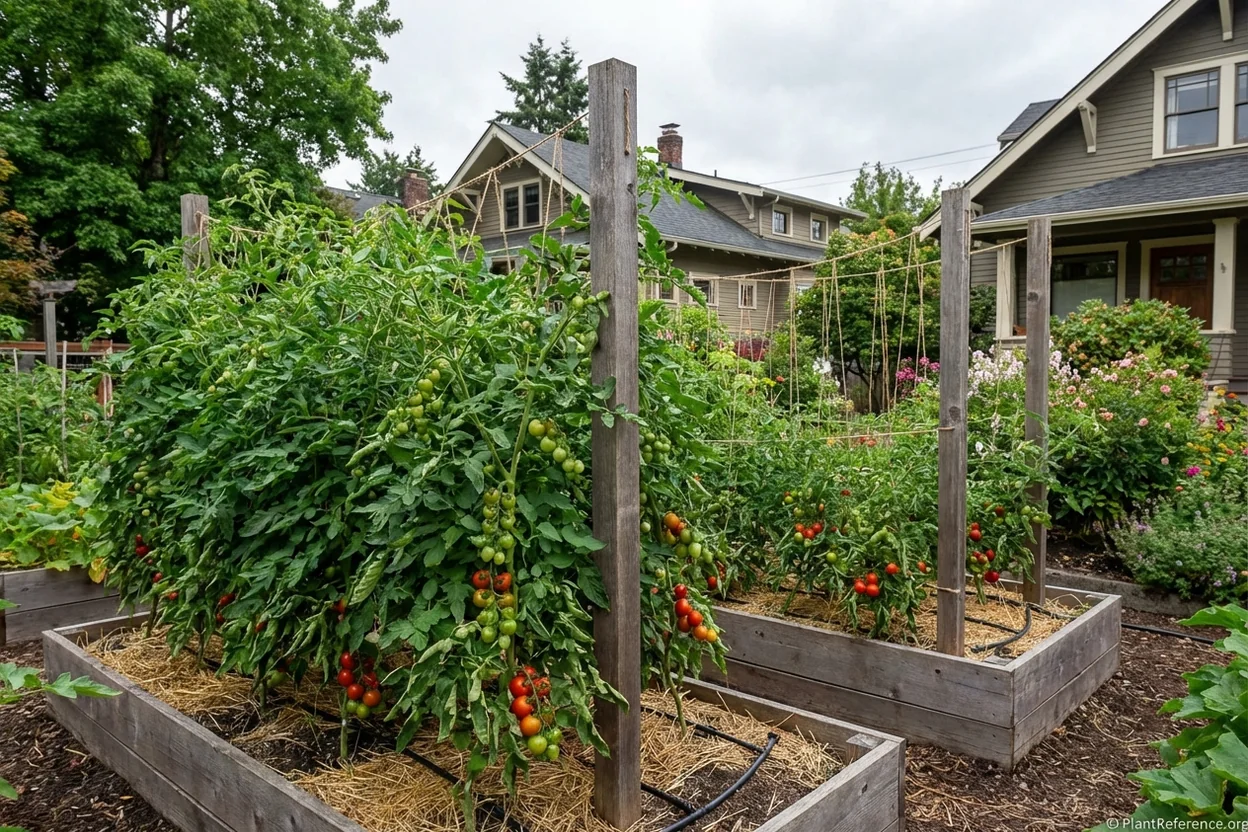
Pruning and Training in Portland
Portland's long growing season makes proper plant training essential. Indeterminate varieties like 🌿Solanum lycopersicum 'Cherokee Purple' and 🌿Solanum lycopersicum 'Brandywine' can reach 8-10 feet (2.4-3.0 m) in our 235-day season without proper management.
I recommend the two-leader system for most indeterminate varieties in Portland. Allow the main stem and one strong sucker to develop, removing all other suckers weekly. This balances fruit production with manageable plant size while improving air circulation—critical in our occasionally humid conditions.
Disease Prevention in Maritime Climate
Portland's cool, moist conditions favor certain fungal diseases, particularly early in the season. Preventive measures are more effective than reactive treatments:
Space plants adequately for air circulation
Water at soil level, avoiding leaf wetness
Apply preventive copper fungicide sprays before symptoms appear
Remove lower leaves that contact soil or mulch
Choose resistant varieties when possible
Troubleshooting Portland-Specific Problems
Thirty years of Portland tomato growing has taught me that certain problems occur predictably in our maritime climate. Recognizing and preventing these issues ensures consistent harvests year after year.
Late Blight Management
Portland's cool, moist conditions create ideal environments for late blight Phytophthora infestans, particularly during wet June periods or when marine layer persists. This devastating disease can destroy entire crops within weeks if left unchecked.
Monitor weather forecasts for extended periods of cool, wet conditions (below 60°F with humidity above 90%). During these periods, apply preventive copper-based fungicides every 7-10 days. Remove any infected plant material immediately and dispose in household garbage, never compost.
🌿Solanum lycopersicum 'Early Girl' shows better field tolerance to late blight than heirloom varieties. If late blight pressure is severe in your area, focus on resistant varieties and early-maturing types that produce before peak disease pressure in late summer.
Blossom End Rot in Container Growing
Many Portland gardeners grow tomatoes in containers to overcome clay soil issues, but container growing increases blossom end rot risk. This physiological disorder appears as dark, sunken spots on fruit bottoms and results from inconsistent watering rather than calcium deficiency.
Container soil dries much faster than ground soil, creating water stress that prevents calcium uptake. Use containers at least 20 gallons (76 L) for indeterminate varieties and check soil moisture daily during hot weather. Consistent drip irrigation eliminates most blossom end rot in container growing.
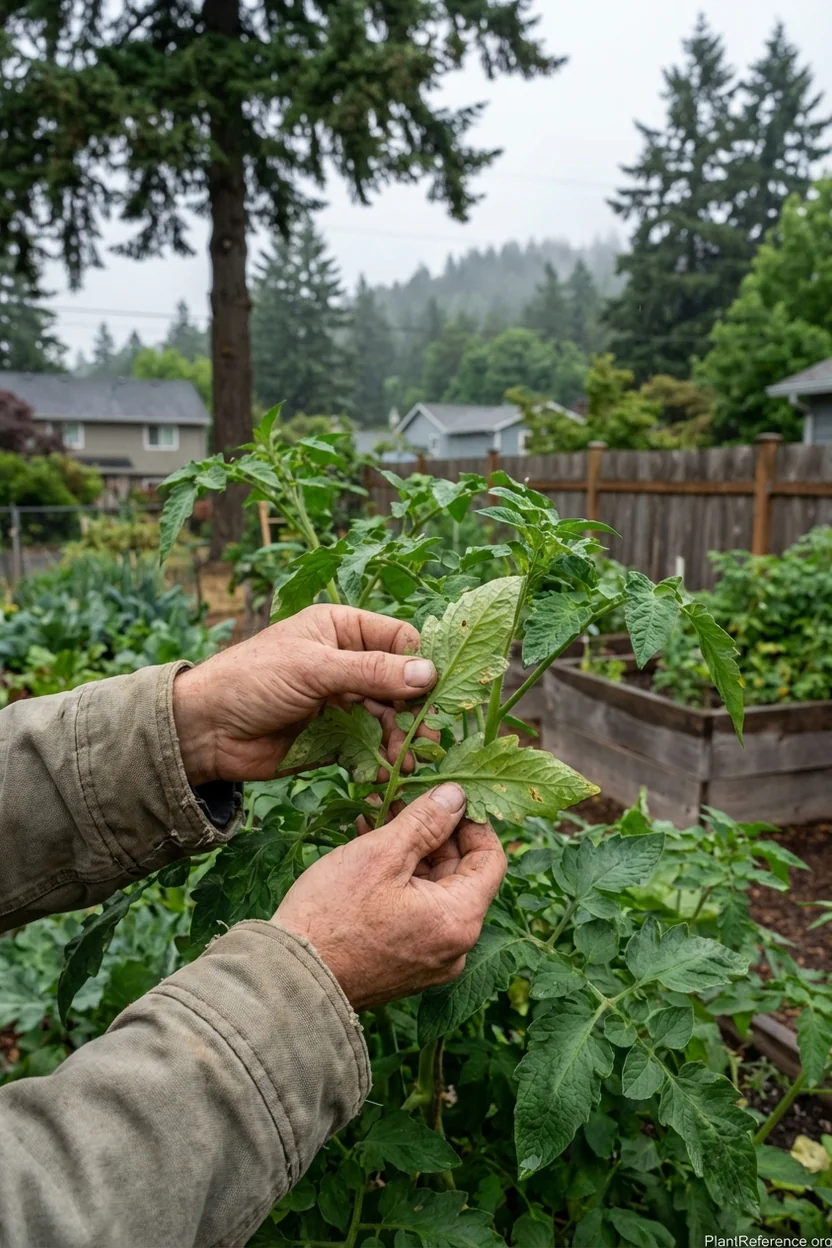
Cool Night Fruit Set Issues
Portland's cool nights, even in summer, can prevent fruit set in heat-loving varieties. When nighttime temperatures consistently drop below 55°F (13°C), pollen becomes less viable and fruit set decreases significantly.
🌿Solanum lycopersicum 'Stupice' and 🌿Solanum lycopersicum 'Early Girl' handle cool nights better than other varieties. For heat-loving varieties like 🌿Solanum lycopersicum 'Brandywine', use season extension methods like Wall O Water or row covers during cool periods to maintain warmer nighttime temperatures.
Managing September Rain Onset
Portland's transition from dry summer to wet fall often begins in September, just as late-season varieties reach peak production. Sudden increases in rainfall can cause fruit splitting and increased disease pressure.
Harvest tomatoes at the "breaker" stage (showing color but not fully ripe) when heavy rains are forecast. These tomatoes ripen perfectly indoors while avoiding rain damage. Cover plants with plastic sheeting during extended rain periods to prevent moisture-related fruit problems.
Harvest & Storage
Portland's extended growing season provides harvest opportunities from July through October, with proper variety selection and season extension techniques. Understanding optimal harvest timing and storage methods maximizes your tomato investment.
Early Harvest: July-August
🌿Solanum lycopersicum 'Stupice' and 🌿Solanum lycopersicum 'Early Girl' provide your first harvests in July. Pick these varieties when fully colored but still firm for best flavor and storage life. Early varieties often produce continuously through August, providing fresh tomatoes during the prime summer season.
Peak Harvest: August-September
Mid-season varieties like 🌿Solanum lycopersicum 'Cherokee Purple' and 🌿Solanum lycopersicum 'Sungold' reach peak production during Portland's warmest months. Harvest these varieties at full ripeness for optimal flavor, as they don't store as long as early varieties.
Late Harvest: October
Portland's mild October weather often extends the harvest season well beyond what gardeners in harsher climates experience. 🌿Solanum lycopersicum 'San Marzano' and 🌿Solanum lycopersicum 'Brandywine' continue producing until the first killing frost, typically around November 9.
Before forecast frosts, harvest all remaining fruit regardless of ripeness. Green tomatoes ripen slowly at room temperature, while mature green tomatoes ripen normally within 1-2 weeks.
Storage Methods
Portland's moderate humidity levels are ideal for extended tomato storage:
Ripe tomatoes: Store at room temperature for 3-5 days
Breaker stage: Ripen at room temperature in 5-7 days
Green tomatoes: Wrap individually in newspaper, store at 60-65°F for gradual ripening
Paste tomatoes: Process immediately or freeze whole for winter sauce-making
Frequently Asked Questions
Reading about plants and recognising them are different skills. These three build the second.
- Daily PlantIdentify the day’s mystery plant from a close-up photograph.
- Keyed OutWork a dichotomous key, lead by lead, to name a hidden specimen.
- Name That PlantName a specimen from botanical clues dealt hardest first.
Free to play, no account needed
Sarah earned her doctorate in plant biology and spent time working in botanical garden education before transitioning to freelance writing and consulting. Now based in Portland, Oregon, she teaches plant identification workshops at local community centers and maintains a modest collection of over 60 houseplants in her small apartment. Sarah specializes in helping beginners understand plant science without the jargon—her approach focuses on practical observation over theory. She's killed her fair share of fiddle leaf figs and finally cracked the code on keeping them alive.