6 Best Soil Amendments for Blue Hydrangeas (2026)
Pets & Toxicity
Recorded toxicity for plants linked in this guide. An unknown status is not a safety assessment.
Toxic to pets: bigleaf hydrangea, Mountain hydrangea, Panicle hydrangea and 2 moreDetailsHide
Hydrangea macrophylla — Toxicity Warning
Toxic to pets and humansView Hydrangea macrophylla plant profileHydrangea paniculata — Toxicity Warning
Toxic to pets and humansView Hydrangea paniculata plant profileHydrangea macrophylla 'Nikko Blue' — Toxicity Warning
Toxic to pets and humansView Hydrangea macrophylla 'Nikko Blue' plant profileHydrangea macrophylla 'Endless Summer' — Toxicity Warning
Toxic to pets and humansView Hydrangea macrophylla 'Endless Summer' plant profile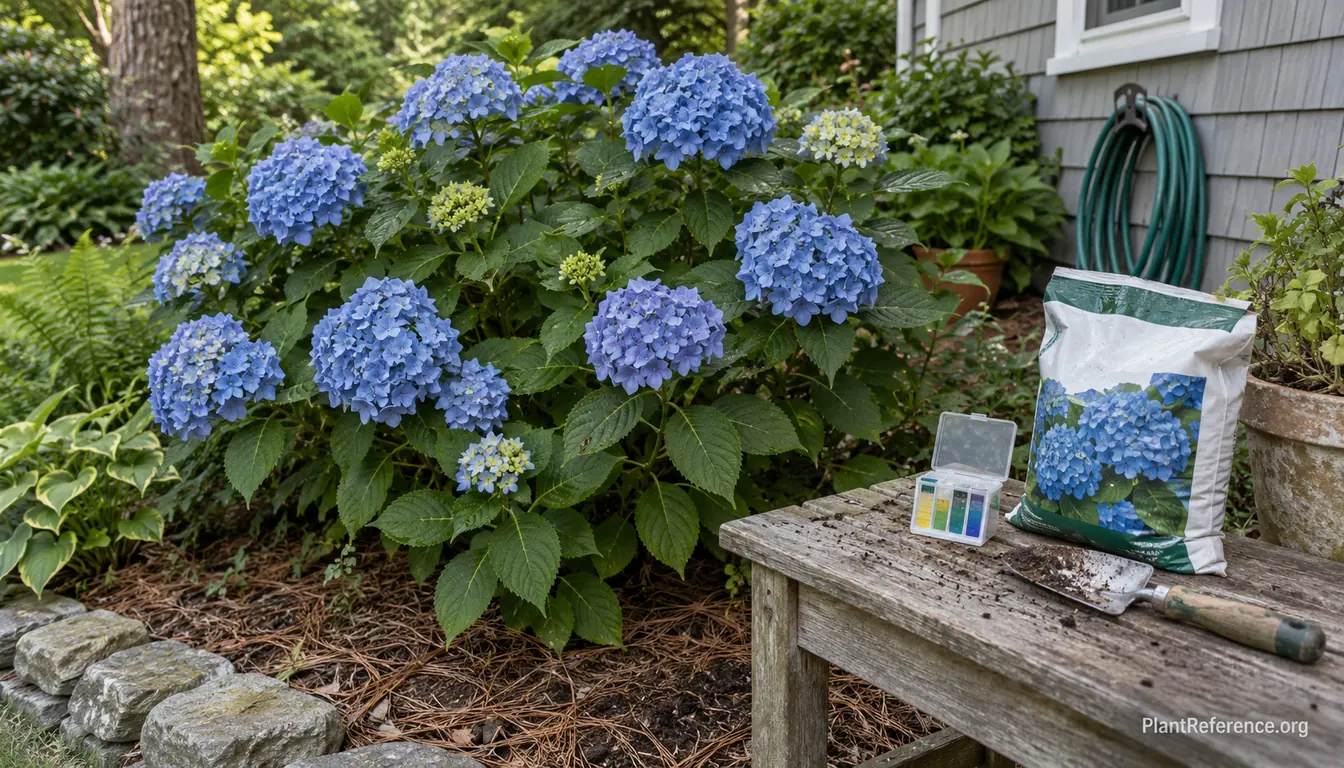
— Image © PlantReference.org 2026
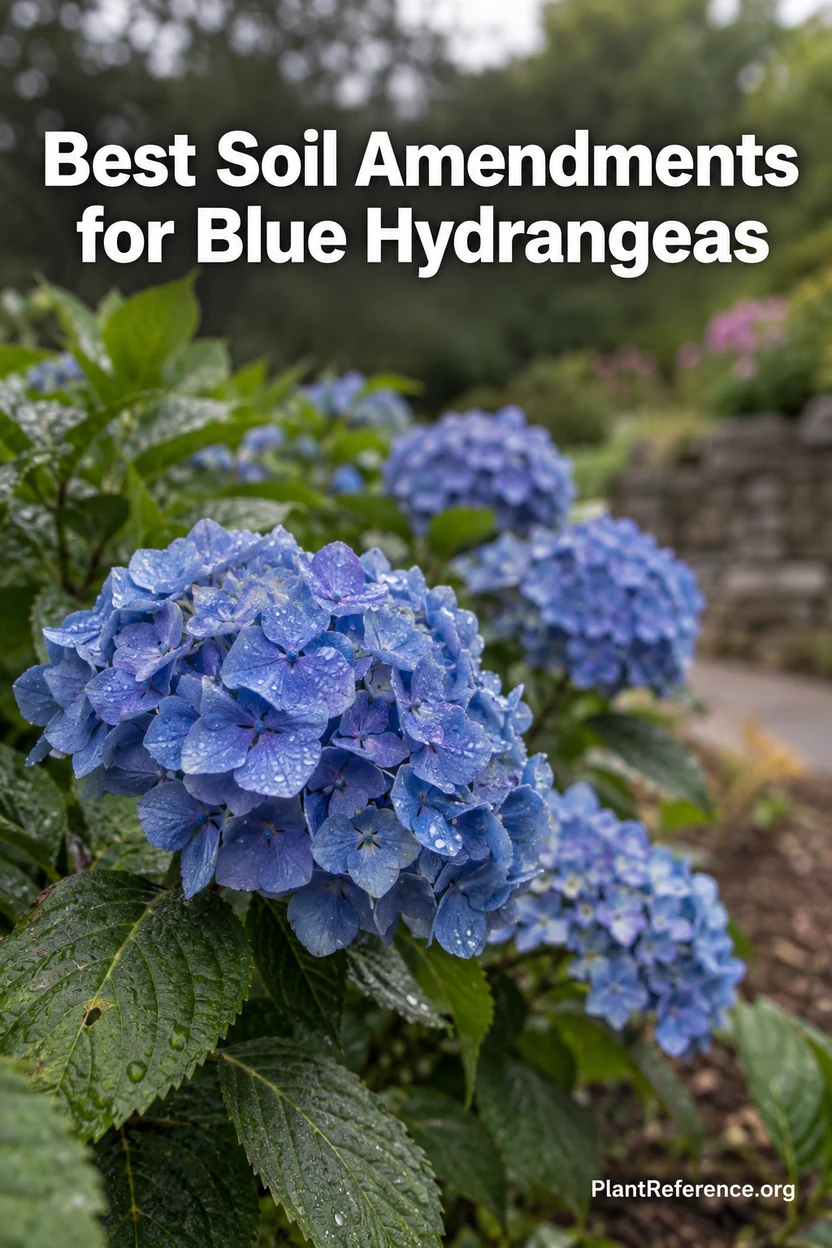
Gardeners ask me about blue hydrangeas more than almost any other plant request, and the products on the shelf make the answer look more confusing than it is. The best soil amendments for blue hydrangeas do two jobs: they lower soil pH so aluminum becomes available, and they avoid blocking that aluminum once the plant takes it up. Here are the six that earned a place in my garden cart, plus the popular tricks that waste your money.
Why Soil Amendments Turn Hydrangeas Blue
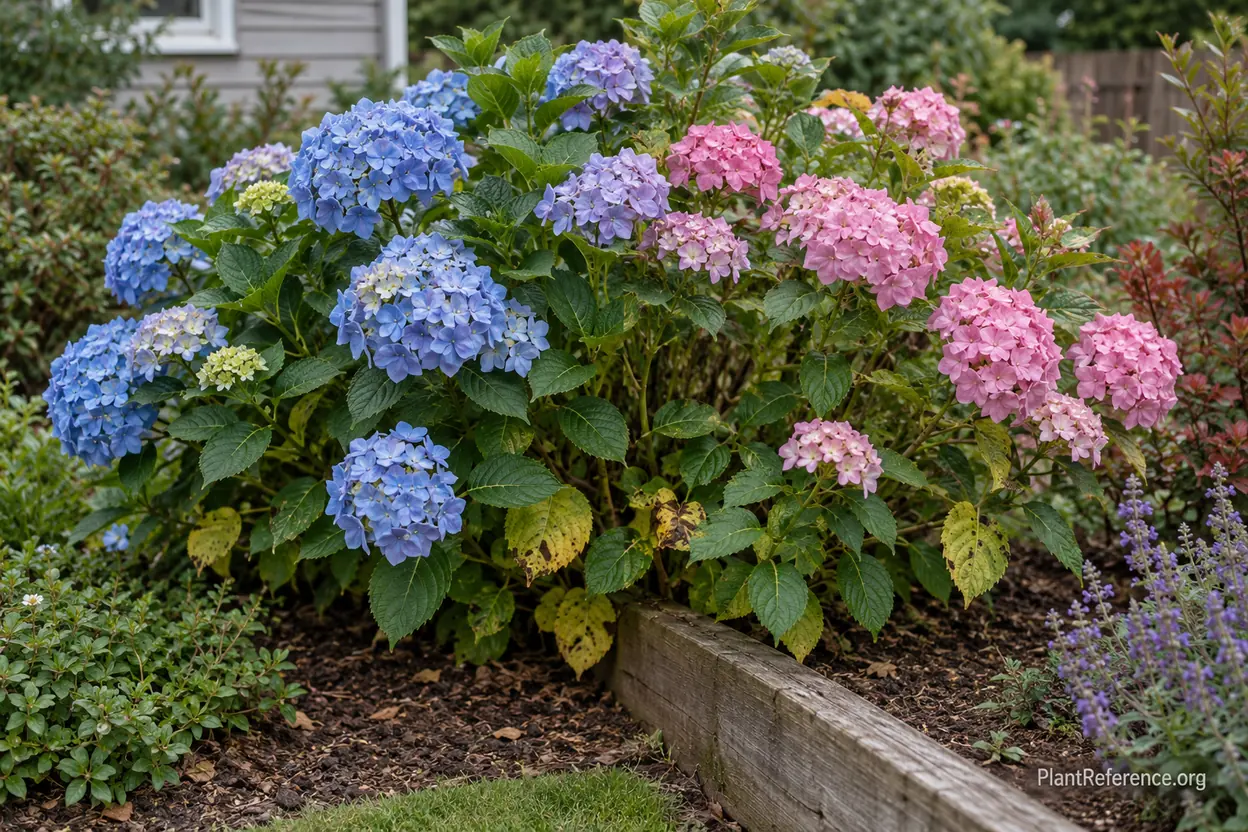
Sepal color in 🌿Hydrangea macrophylla (hy-DRAIN-juh mak-roh-FIL-uh) is controlled by aluminum ion availability, which in turn depends on soil pH. In acidic soil between pH 4.5 and 5.5, aluminum dissolves and roots absorb it. Inside the plant, aluminum reacts with the pigment delphinidin-3-glucoside to produce blue. As pH rises toward neutral, aluminum becomes insoluble, and the same pigment shows as pink or magenta.
Purple and mauve flowers sit between the two, usually at pH 5.5-6.2. For the full science and step-by-step method, read How to Change Hydrangea Color: Blue, Pink & Purple. This roundup focuses on which products to buy.
Two limits apply to every amendment below. Only 🌿Hydrangea macrophylla and 🌿Hydrangea serrata change color, so white cultivars and other species such as 🌿Hydrangea paniculata and Hydrangea arborescens will stay as they are. And color change takes weeks to months, not days. Turning a pink plant blue is also easier than turning a blue plant pink. If you are unsure which species you own, Hydrangea Types Explained: Pruning, Color & Care Guide shows how to identify them.
The 6 Best Soil Amendments for Blue Hydrangeas
1. Aluminum Sulfate — Best for Fast Results
Aluminum sulfate is the standard blue hydrangea amendment because it does both jobs at once: it supplies the aluminum and it acidifies soil as it dissolves. It is also fast, which is why gardeners reach for it when buds are already forming. Mix it with water according to the label, apply as a soil drench in spring, and repeat at the label's interval through early summer.
The downside is risk. Too much aluminum sulfate can burn roots and push soil too acidic, so use the lowest labeled rate, water the plant well beforehand, and never apply to dry soil. It is best for established, in-ground shrubs rather than small pots.
2. Elemental Sulfur — Best for Long-Term Soil Change
Elemental sulfur lowers pH slowly, as soil bacteria convert it to sulfuric acid. That slow pace makes it safer than aluminum sulfate and ideal for resetting the soil of a new planting bed. The product I use is micronized sulfur sold as a fungicide and soil amendment, and it should be worked into the top 10-12 inches (25-30 cm) of soil.
Expect results over months, not weeks. Elemental sulfur does not supply aluminum, so it works best when your soil already contains aluminum, as most mineral soils do. If you want a fast boost in the same season, pair it with aluminum sulfate.
3. Organic Soil Acidifier Granules — Best Beginner Option
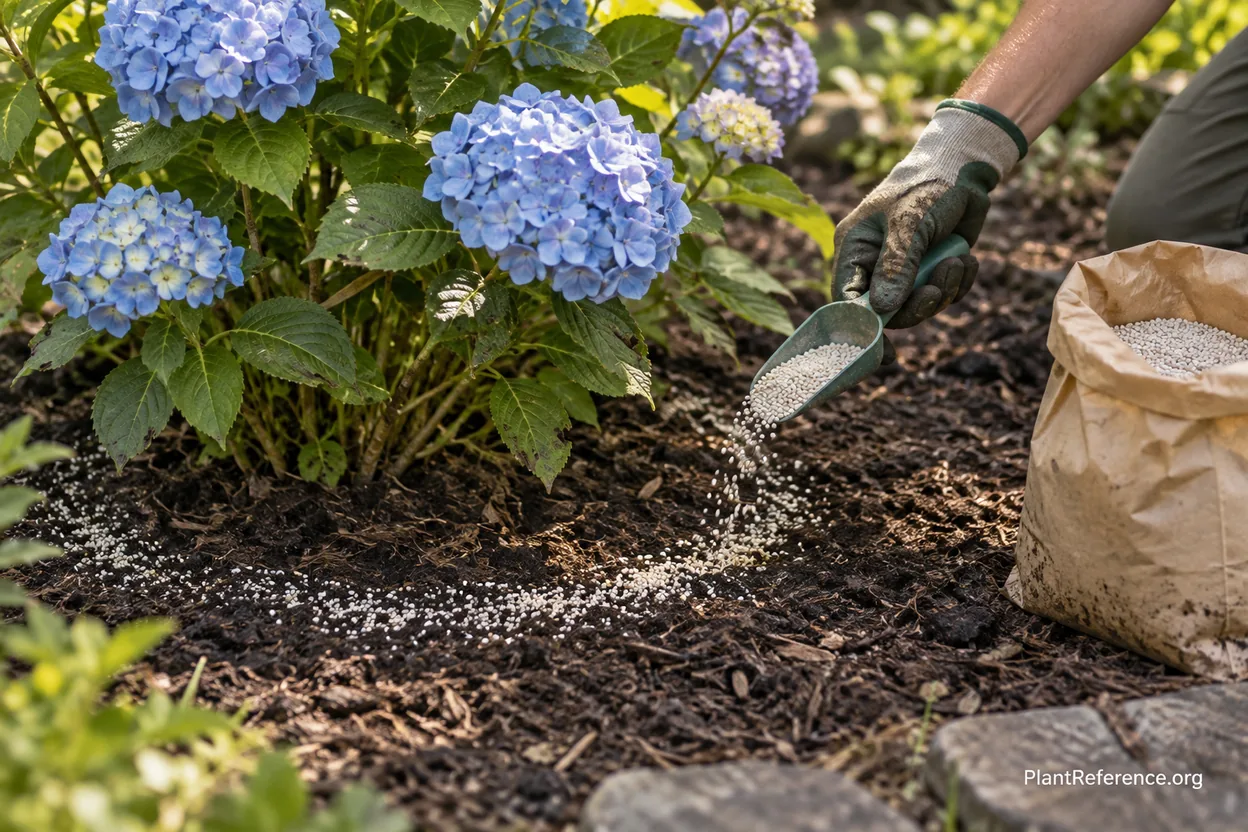
Granular acidifiers sold for acid-loving plants are the least intimidating way to start. They are premeasured by the label, easy to spread, and gentler than aluminum sulfate. Look for products that list sulfur as the active acidifying ingredient.
They work gradually, so apply in early spring and retest soil pH after four to six weeks. They are a good fit for gardeners who tend to over-apply, and for container hydrangeas where a mistake with a stronger amendment can burn roots quickly. Learn more about acidic soils in Why Pacific Northwest Soil Is Acidic + How to Fix It.
4. Low-Phosphorus Fertilizer — Best for Keeping Blue Blue
Phosphorus blocks blue color because it binds aluminum into an insoluble form called aluminum phosphate. A fertilizer with a low middle number, such as 25-5-30, keeps aluminum available to the roots. A high-phosphorus feed can undo your acidifying work, even when soil pH looks right.
Check the N-P-K numbers on the bag before you buy, and apply as directed during active growth from spring through midsummer. Do not over-fertilize, because excess nitrogen gives you leaves instead of flowers. If a plant is leafy but stubbornly bloomless, see Hydrangea Not Blooming? 7 Causes and the Old Wood Fix.
5. Soil pH Test Kits and Meters — Best Investment
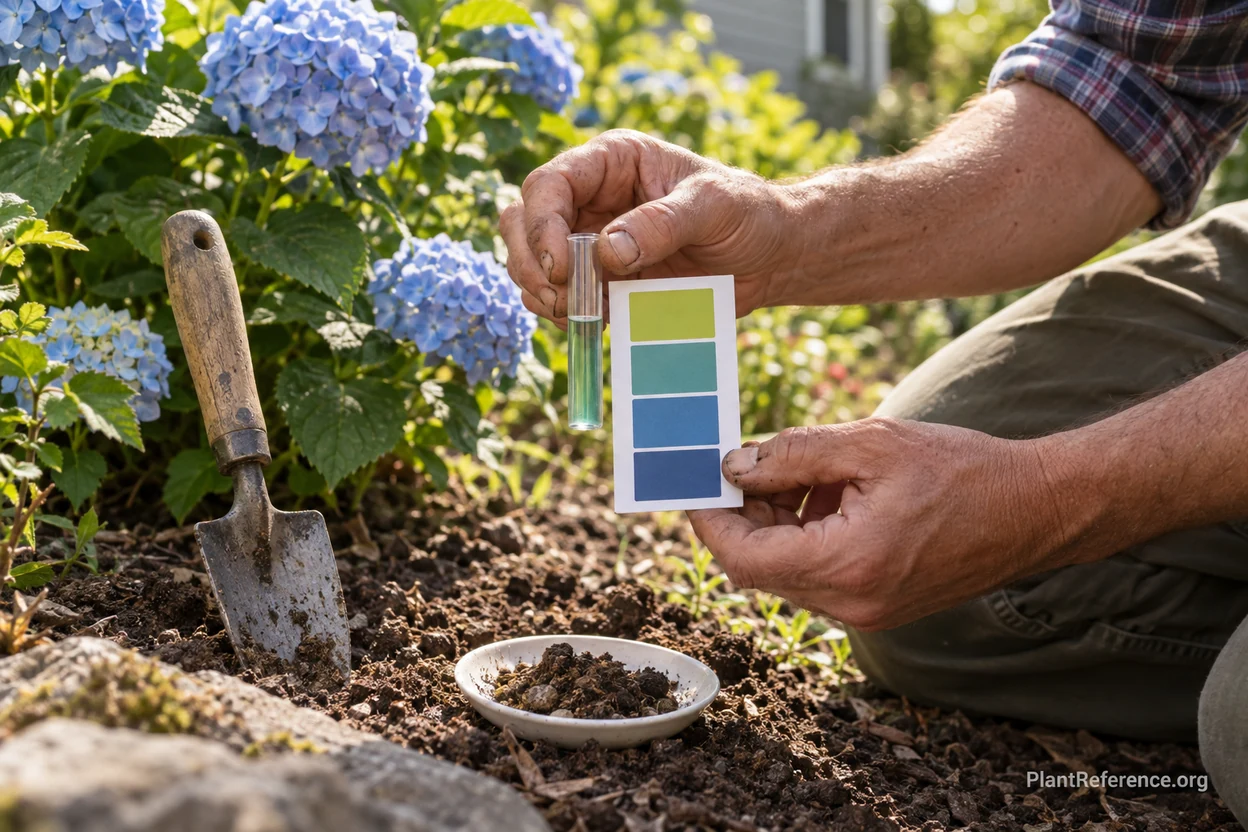
Testing is not an amendment, but it is the most important purchase on this list. Without a pH reading, you are guessing at doses and can easily overshoot below pH 4.5, where roots suffer. Test before you amend, retest four to six weeks later, and repeat each spring.
Chemical test kits are inexpensive and reasonably accurate for garden use. Probe meters are convenient, but I treat their numbers as rough guides and confirm important decisions with a kit or a lab test. A mailed lab analysis is the most reliable option and also reports nutrient levels. For more on correcting pH, see Raised Bed Soil pH Problems: Testing, Adjusting, and Maintaining Balance.
6. Pine Straw Mulch — Best Supporting Amendment
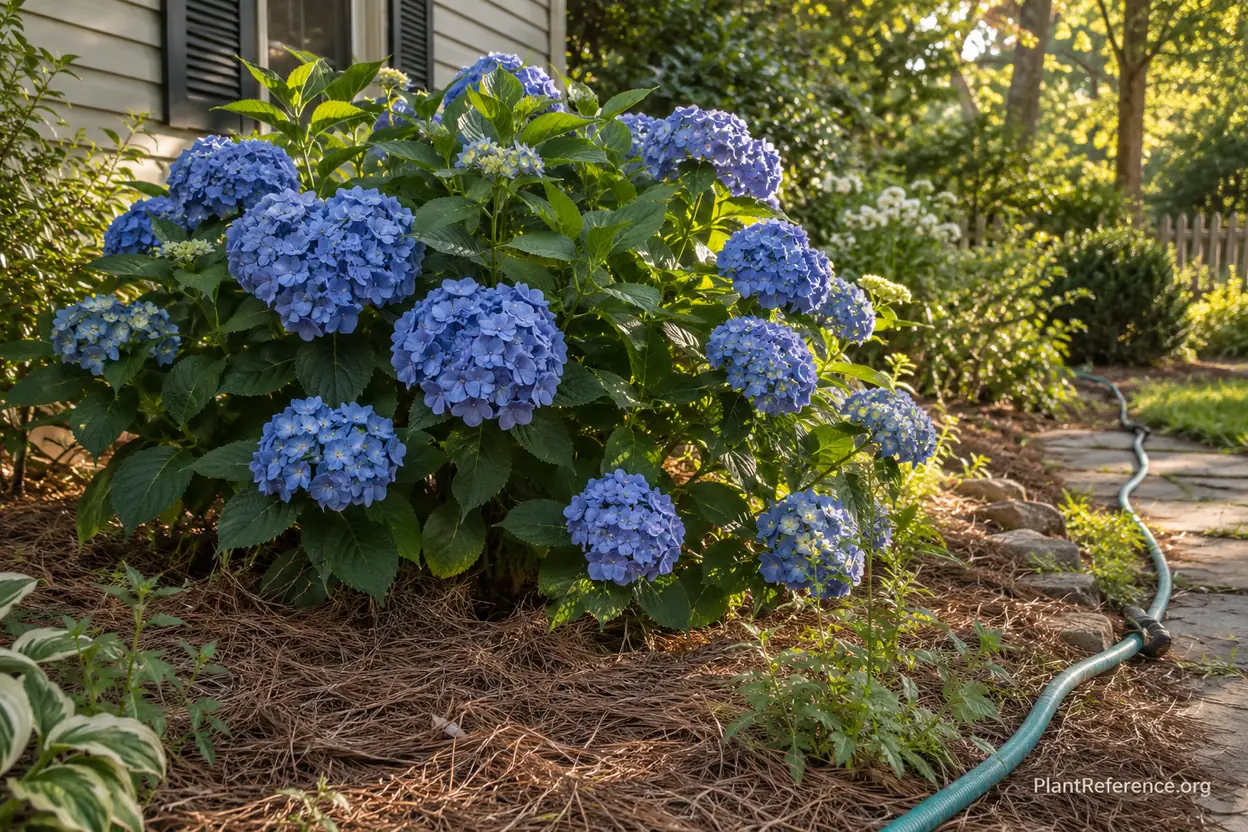
Pine straw does not change pH quickly, but it is a pleasant, low-effort mulch that helps keep a bed in the acidic range over time while holding moisture. Spread 2-3 inches (5-8 cm) around the plant and keep it a few inches off the stems.
Treat it as maintenance rather than a fix. If your soil is strongly alkaline, mulch alone will not turn flowers blue. It is a good companion to sulfur or an acidifier.
Amendment Comparison Chart
Amendment | Speed | Supplies Aluminum? | Risk Level | Best For |
|---|---|---|---|---|
Aluminum sulfate | Fast (weeks) | Yes | Higher: can burn roots | Established in-ground shrubs |
Elemental sulfur | Slow (months) | No | Low | Preparing new beds |
Organic acidifier granules | Moderate | No | Low | Beginners and containers |
Low-phosphorus fertilizer | Ongoing | No (prevents blocking) | Low | Keeping existing blue color |
pH test kit or meter | Instant | No | None | Every gardener, every spring |
Pine straw mulch | Very slow | No | None | Long-term upkeep |
What Doesn't Work
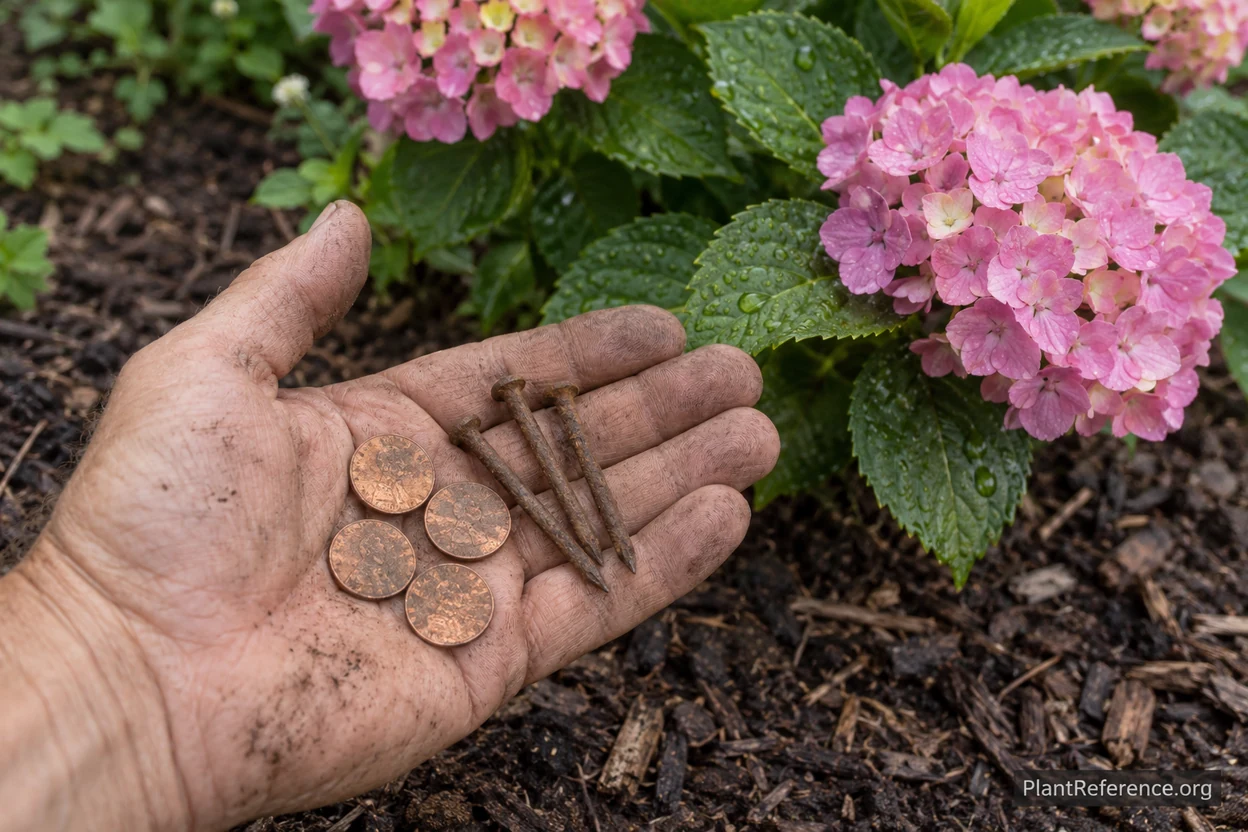
The most persistent myth is that burying pennies or rusty nails turns hydrangeas blue. It does not. Neither metal releases aluminum or changes soil pH in any meaningful way. Coffee grounds have a limited, inconsistent effect on pH, and I would not rely on them as a primary amendment.
Lime and wood ash do the opposite of what you want, raising pH and pushing flowers toward pink. Skip them near blue hydrangeas. And remember that blue-flowered plants fade back toward pink if you stop maintaining soil acidity, especially in regions with alkaline tap water or alkaline soil.
How to Apply Amendments Step by Step
Follow this order so you do not overshoot:
Identify your plant: only 🌿Hydrangea macrophylla and 🌿Hydrangea serrata will change color.
Test soil pH. Your target for blue is 4.5-5.5.
Water the shrub deeply the day before applying any amendment.
Apply the product at the label rate in early spring, as growth begins.
Switch to a low-phosphorus fertilizer through midsummer.
Retest after four to six weeks and adjust only if needed.
Repeat each spring, because soil drifts back toward its natural pH.
Containers need extra care because roots are confined and amendments act quickly in a small volume of mix. Use the lowest label rate, flush the pot periodically, and watch for white crust on the surface, which signals salt buildup; White Crust on Potting Soil: Causes and How to Flush It explains the fix. Pot-specific care is covered in Hydrangeas in Pots: Container Care & Winter Protection.
Timing matters because color is set as flower buds develop. Prune old-wood types only after flowering, as outlined in How to Prune Hydrangeas: Old Wood vs New Wood Guide, so you do not remove the buds you are trying to color. If leaves brown after treatment, check for root burn or sun scorch using Hydrangea Leaves Turning Brown: Causes and Solutions.
Classic cultivars such as 🌿Hydrangea macrophylla 'Nikko Blue' respond readily to acidic soil, and reblooming types such as 🌿Hydrangea macrophylla 'Endless Summer' can also be steered, although cold climates may limit bloom itself. Even with perfect soil, there are years when bigleaf hydrangeas do not flower because of winter or spring damage, so keep expectations realistic.
Frequently Asked Questions
Reading about plants and recognising them are different skills. These three build the second.
- Daily PlantIdentify the day’s mystery plant from a close-up photograph.
- Keyed OutWork a dichotomous key, lead by lead, to name a hidden specimen.
- Name That PlantName a specimen from botanical clues dealt hardest first.
Free to play, no account needed
Tagged with
Helen is an interior plant stylist in Los Angeles who works with restaurants, offices, and residential clients to select and maintain indoor plants. She studied design in college and got into plants when a client asked her to "green up" a mid-century modern home. Helen's expertise sits at the intersection of design and plant care—she thinks about light, scale, texture, and color, but she also knows which plants will actually survive in a given space. She's killed enough fiddle leaf figs in dark corners to know better. Helen maintains her own collection of over 80 houseplants in her apartment and writes about indoor plant selection, styling, and the practical side of keeping plants alive in interior environments.