Image 1 of 5
1 / 5
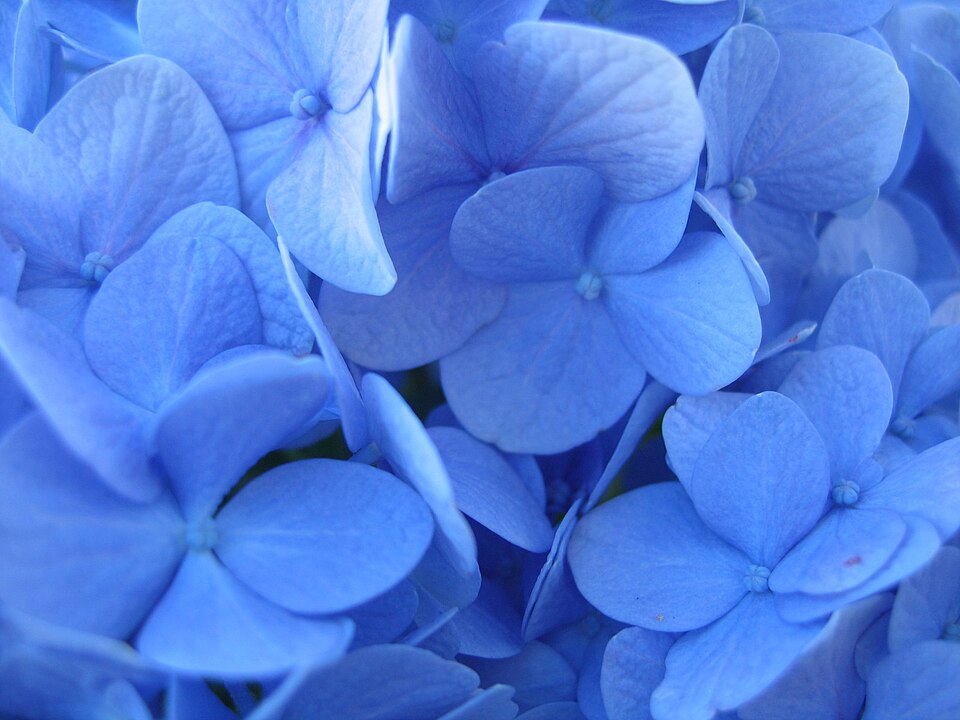
No machine-readable author provided. Shmoopy~commonswiki assumed (based on copyright claims)., no rights reserved (CC0) · Wikimedia Commons
Hydrangea, Genus, macrophylla, Species, 'Nikko Blue', Cultivar,
- Genus & species
- Cultivar
nikko blue hydrangea
Japan; named after Nikko, Japan; selected 1960s
Overview
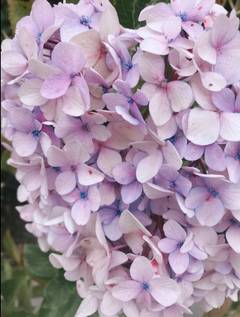
Hydrangea macrophylla 'Nikko Blue' is a rounded deciduous shrub reaching 4–6 feet (1.2–1.8 m) tall with a spread of 4–6 feet (1.2–1.8 m). The cultivar is stocked by most general-purpose nurseries across North America and serves as a default reference cultivar for blue H. macrophylla performance—other blue mophead cultivars are routinely described in commercial literature by comparison to 'Nikko Blue' as the baseline. Dense rounded mophead flower clusters 5–8 inches (13–20 cm) across carry flat single florets in medium to rich blue on acidic soils and shift to pink-mauve on alkaline soils. Individual florets run medium-sized with rounded petals. Glossy dark green broadly ovate leaves 4–8 inches (10–20 cm) long carry the standard species foliage character. Bloom occurs on old wood. Growth rate is moderate to fast. Hardy to zone 6.
Native Range
Hydrangea macrophylla is native to Japan, growing in coastal cliffs and mountain woodlands along the Pacific coast of Honshu and Shikoku. 'Nikko Blue' was selected in the 1960s and named for the city of Nikko in the Tochigi Prefecture of Japan, a region carrying historical significance in Japanese hydrangea cultivation through the temple gardens of the Nikko National Park. The cultivar has since been propagated extensively in North American and European nursery trade.Suggested Uses
Planted in borders, foundation plantings, informal hedges, and containers of at least 7 gallons (26 L) at 4–6 foot (1.2–1.8 m) spacing in zone-6-and-warmer gardens. Broad commercial availability and reliable performance make the cultivar a standard choice for home gardens across the H. macrophylla zone range, and the cultivar carries a proven track record through decades of general garden cultivation. Late spring frost on old-wood flower buds eliminates bloom in some years in marginal climates—newer reblooming cultivars (see 'Penny Mac') handle frost-damaged years better for gardens where flower reliability matters more than the specific 'Nikko Blue' color. Full sun (foliage scorch), dry soils, and zones below 6 are poor fits for the cultivar.How to Identify
Appearance
Size & Dimensions
Height4' - 6'
Width/Spread4' - 6'
Bloom Information
Dense rounded mophead clusters 5–8 inches (13–20 cm) across of flat single florets, medium to rich blue on acidic soils and pink-mauve on alkaline soils, open from June through August. Bloom occurs on old wood, which means the previous year's growth carries the coming season's flower buds through winter. Active bloom duration is 6–8 weeks.
Detailed Descriptions
Flower Description
Medium to rich blue (acid) to pink-mauve (alkaline); flat single florets; mophead 5-8 inchesFoliage Description
Glossy dark green, broadly ovate, 4-8 inchesGrowing Conditions
Sun Requirements
Requires 3-5 hours of direct sunlight daily
• Full Sun: 6+ hours of direct sunlight
• Partial Shade: 3-6 hours of direct sunlight
• Full Shade: Less than 3 hours of direct sunlight
Care & Maintenance
Care Guide
Partial shade in moist humus-rich well-drained soil matches the cultivar's cultivation needs. Hardy to zone 6 (−10°F / −23°C). Reliable blue flower color requires soil pH below 5.5 with available aluminum; aluminum sulfate applications in early spring maintain the acidic conditions that drive blue coloration in gardens where native soil runs closer to neutral. Bloom on old wood means late spring hard frosts after bud break eliminate the year's flowers in marginal zone-6 climates; sheltered northern-exposure siting or protective mulching of the crown reduces the frost-damage risk. Broad commercial availability positions the cultivar as a standard stock H. macrophylla in general-purpose nursery trade.Pruning
Pruning immediately after flowering (August) shapes the shrub without removing the coming year's flower buds, which form on current-season growth after bloom and harden through fall to carry next year's flowers. Spent flower heads and dead wood are removed in this single pruning operation. Hard pruning at any other season removes the next year's flower buds and eliminates bloom.Pruning Schedule
Prune: August
summer
Container Growing
Suitable for container growing
Minimum container size: 7 gallons