Image 1 of 14
1 / 14
Plant Reference
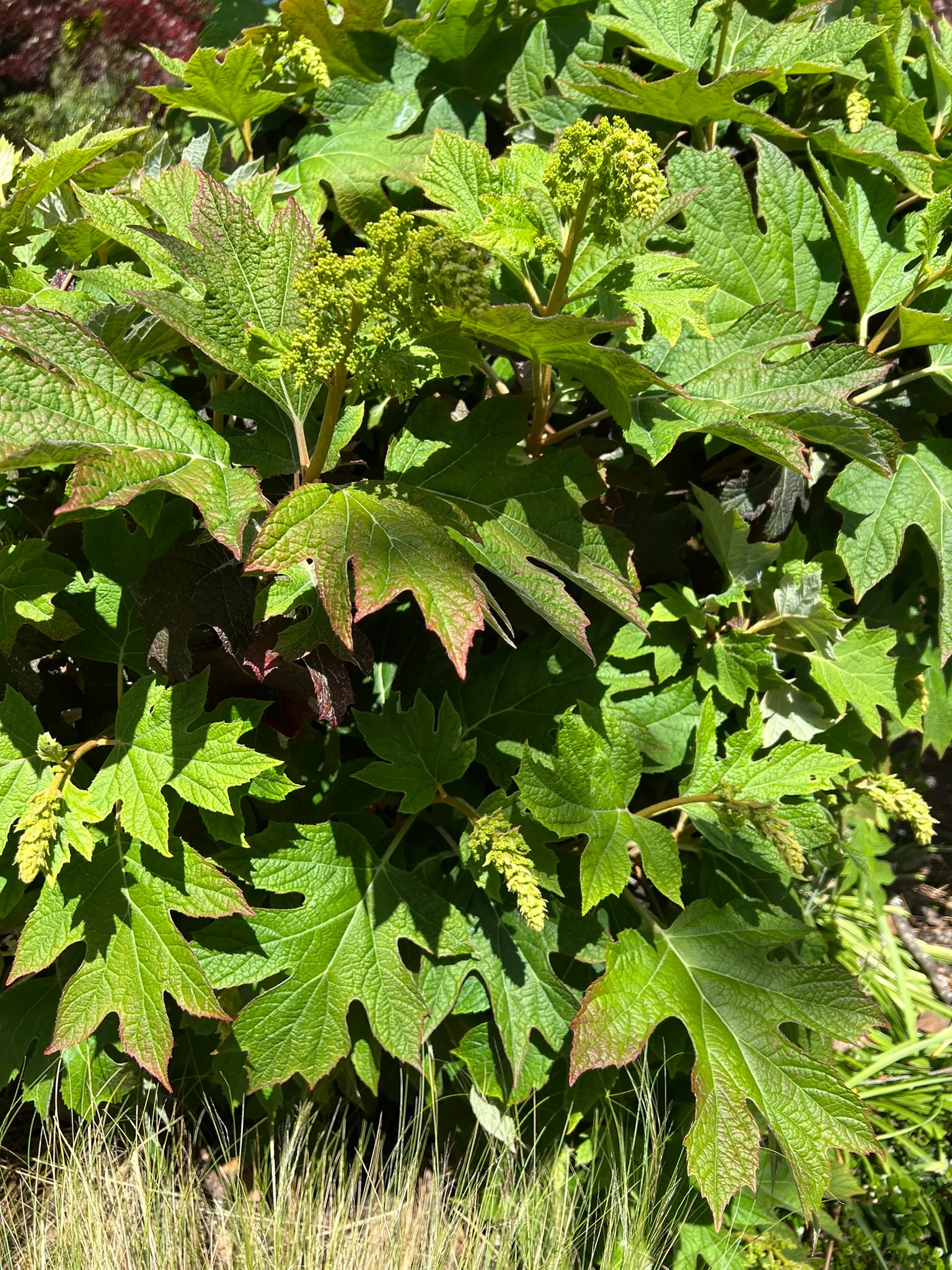
Hydrangea, Genus, quercifolia, Species,
- Genus & species
oak-leaf hydrangea
Southeastern United States — Georgia, Florida, Alabama, Mississippi, Louisiana, Tennessee; stream banks, ravines, and bluffs in rich moist forests
Overview
Hydrangea quercifolia is oakleaf hydrangea (oak-leaf hydrangea), a mounding deciduous shrub growing 4-8 feet (1.2-2.4 m) tall and 4-10 feet (1.2-3 m) wide. White conical flower panicles 6-12 inches (15-30 cm) aging to pink then tan-brown in June-July. Dark green deeply 3-7 lobed (oak-shaped) leaves 4-8 inches (10-20 cm). Turns red, burgundy, bronze, and purple in fall. Peeling cinnamon-brown bark on mature stems. In Hydrangeaceae. Native to the southeastern United States — one of several Hydrangea species native to North America. Flower color is not affected by soil pH. Blooms on old wood — flower buds can be killed in severe winters in zone 5. This cold bud-kill is the primary limitation in northern zones. Suckers from the base to form a colony. More drought-tolerant once established than H. macrophylla. Compact cultivars: 'Pee Wee' and 'Ruby Slippers' (3-4 feet / 0.9-1.2 m). Deer-resistant. Toxic (cyanogenic glycosides). Zones 5-9. Part shade. Growth rate is moderate.
Native Range
Native to the southeastern United States — Georgia, Florida, Alabama, Mississippi, Louisiana, Tennessee. Found along stream banks, ravines, and bluffs in rich moist forests.Suggested Uses
Grown as a specimen shrub, foundation planting, woodland garden, mass planting, and in containers of at least 10 gallons (38 L), spaced 4-10 feet (1.2-3 m). Multiseason interest (flowers, fall color, bark). Native to eastern North America. Compact cultivars for small spaces. Deer-resistant. Toxic. Zones 5-9.How to Identify
Appearance
Size & Dimensions
Height4' - 8'
Width/Spread4' - 10'
Bloom Information
Early to midsummer (June-July). White conical panicles 6-12 inches (15-30 cm) of sterile and fertile florets aging to pink then tan. 4 weeks of bloom. Blooms on old wood. Bee- and butterfly-visited. Dried panicles persist through winter.
Detailed Descriptions
Flower Description
White aging to pink then tan-brown, in conical panicles 6-12 inches (15-30 cm) long composed of sterile and fertile floretsFoliage Description
Dark green, large, deeply 3-7 lobed (oak-shaped), 4-8 inches (10-20 cm) long; turns red, burgundy, bronze, and purple in fallGrowing Conditions
Sun Requirements
Requires 3-6 hours of direct sunlight daily
• Full Sun: 6+ hours of direct sunlight
• Partial Shade: 3-6 hours of direct sunlight
• Full Shade: Less than 3 hours of direct sunlight
Care & Maintenance
Care Guide
Part shade to morning sun (3-6 hours — afternoon shade in zones 7-9). Acidic well-drained soil pH 5.0-6.5. More drought-tolerant than H. macrophylla. Blooms on old wood — do not prune in fall/winter. Flower buds killed in severe zone 5 winters. Suckers to form a colony. Deer-resistant. Toxic. Zones 5-9.Pruning
Prune after flowering (August) if shaping is needed — blooms on old wood. Remove dead stems at the base. Allow suckering to form a colony or remove suckers to maintain a single clump. The peeling cinnamon-brown bark on mature stems is a feature — do not strip.Pruning Schedule
Prune: August
summer
Container Growing
Suitable for container growing
Minimum container size: 10 gallons
Toxicity Warning
Toxic to pets and humansRelated Hydrangea species
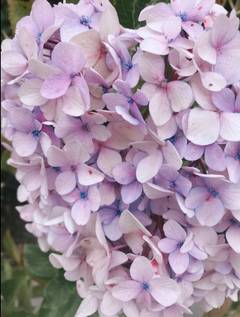 Bigleaf hydrangeaHydrangea macrophylla
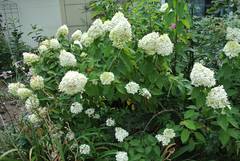
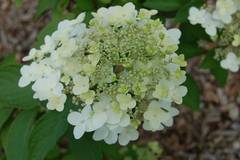 Pee-gee hydrangeaHydrangea paniculata 'Grandiflora'
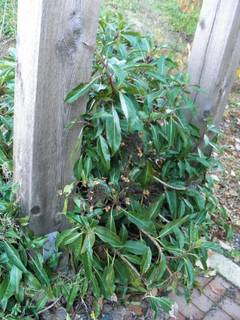 Evergreen climbing hydrangeaHydrangea integrifolia
 Limelight PeeGee hydrangeaHydrangea paniculata 'Limelight'
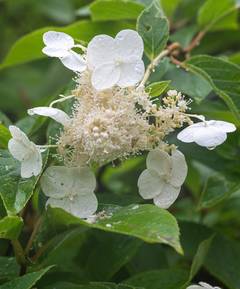 Climbing hydrangeaHydrangea anomala ssp. petiolaris
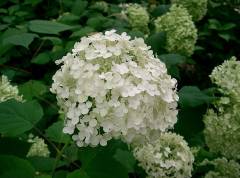 Annabelle hydrangeaHydrangea arborescens 'Annabelle'