Image 1 of 28
1 / 28
Plant Reference
Hydrangea, Genus, anomala, Species, ssp., Subspecies, petiolaris, Subspecies,
- Genus & species
- Subspecies
climbing hydrangea
Japan, Korea, Taiwan, and the Russian Far East including Sakhalin and the Kuril Islands
Overview
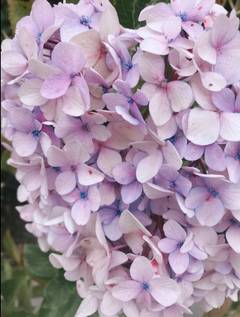
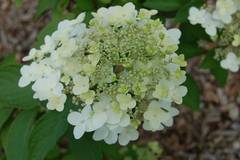
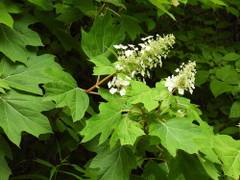
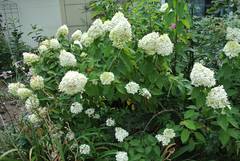
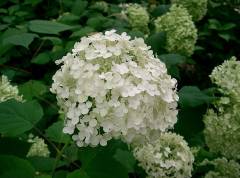
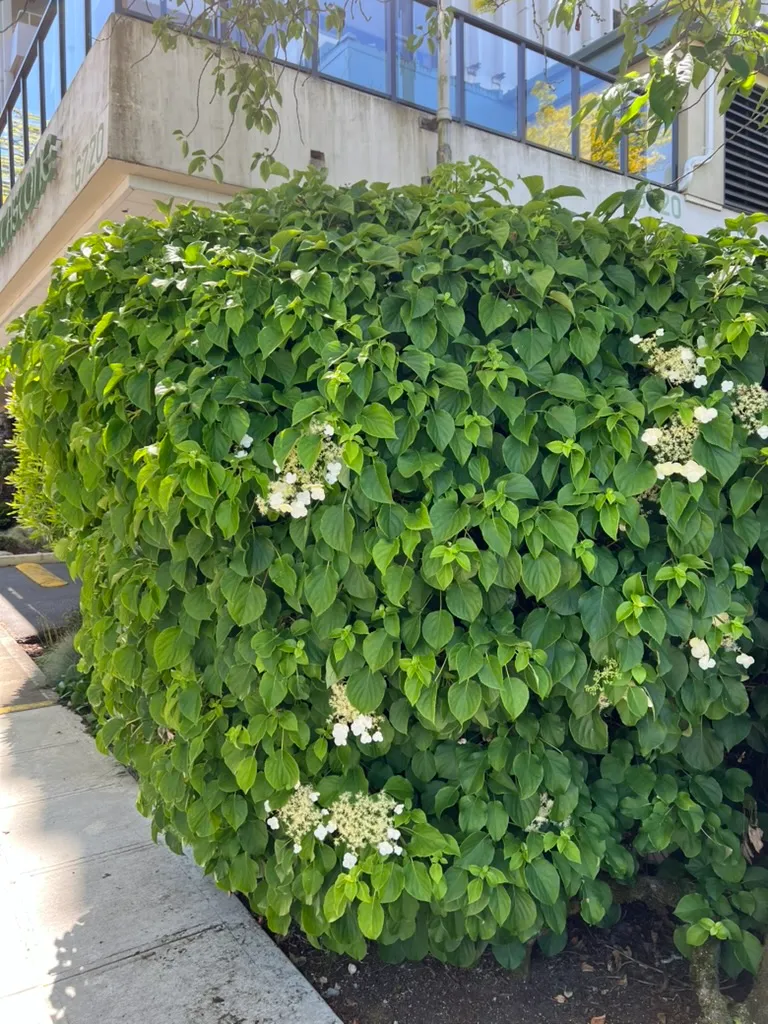
Hydrangea anomala ssp. petiolaris is a deciduous woody climber reaching 30-50 feet (9-15 m) with a lateral spread of 6-10 feet (1.8-3 m). Stems attach by adventitious rootlets that grip masonry, stone, and rough bark without wire or trellis support. Leaves are opposite, broadly ovate, 2-4 inches (5-10 cm) long, with serrate margins and a dark green upper surface that turns yellow before leaf drop. Flat-topped corymbs 6-10 inches (15-25 cm) across open in June and July, carrying small fertile flowers at the centre ringed by sterile white ray florets 1-1.5 inches (2.5-4 cm) wide. Cinnamon-brown bark peels in thin strips on mature stems and stays visible through winter. Growth is slow for the first three to five years after planting, with little vertical extension until the root system establishes; annual extension then reaches 2-3 feet (60-90 cm). Mature stems carry 200-400 pounds (90-180 kg) of wood and foliage and can pull away wooden siding or loose mortar. All parts contain cyanogenic glycosides and cause vomiting and diarrhoea if eaten by cats, dogs, horses, or people. Hardy in USDA zones 4-9.
Native Range
Native to Japan, Korea, Taiwan, and the Russian Far East including Sakhalin and the Kuril Islands. Across that range it climbs the trunks of Cryptomeria japonica, Fagus crenata, and other forest trees in moist temperate woodland from sea level to about 6,000 feet (1,800 m). Populations also occur on shaded rock faces and ravine walls.Suggested Uses
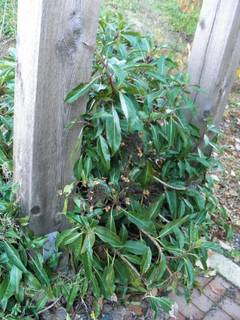
Grown on north- and east-facing masonry walls, stone retaining walls, brick chimneys, and mature tree trunks in shaded gardens. Also used as a ground cover across banks and under high canopy, where unsupported stems spread 6-10 feet (1.8-3 m) and root at intervals. Container culture calls for a minimum of 25 gallons (95 L) of root volume and annual cutting to hold the plant below 10 feet (3 m).How to Identify
Appearance
Size & Dimensions
Height30' - 50'
Width/Spread6' - 10'
Bloom Information
Flowering runs from early June to mid-July in USDA zone 6, shifting two to three weeks earlier in zone 8 and later in zone 4. Individual corymbs hold their sterile ray florets for four to six weeks, fading from white through pale green to tan. Plants raised from seed or cuttings generally produce no flowers until years five to seven. Dried inflorescences stay on the stems into winter.
Detailed Descriptions
Foliage Description
dark green above, paler beneath, turning yellow before leaf dropGrowing Conditions
Sun Requirements
Requires 2-6 hours of direct sunlight daily
• Full Sun: 6+ hours of direct sunlight
• Partial Shade: 3-6 hours of direct sunlight
• Full Shade: Less than 3 hours of direct sunlight
Care & Maintenance
Care Guide
Establishes in partial to full shade with two to six hours of direct sun; leaf margins scorch above 90 F (32 C) where afternoon sun is unbroken. Soil is moisture-retentive loam at pH 5.5-7.0, with 2-3 inches (5-8 cm) of organic mulch held clear of the stem base. Water use runs to about 1 inch (2.5 cm) per week through the first three growing seasons, dropping to supplemental irrigation in drought once established. Nitrogen-heavy feeding produces vegetative extension at the expense of flower buds; a single spring application of a balanced granular fertiliser at 1 pound per 100 square feet (0.5 kg per 9 sq m) is the usual rate. Vertical supports carry 200-400 pounds (90-180 kg) of mature stem and foliage weight, so wooden siding and lime-mortared walls fail under an established plant. Aphids, scale, and powdery mildew occur in still, humid air.Pruning
Flower buds form on wood produced the previous season, so cutting is done immediately after the July flush rather than in late winter. Outward-projecting lateral stems are shortened to 6-12 inches (15-30 cm) from the wall to hold the plant flat against its support. Renovation of a neglected specimen is spread over three years, taking out one third of the oldest stems at ground level each year. Sap contact during cutting causes contact dermatitis in some individuals.Pruning Schedule
Prune: July–August
summer
Container Growing
Minimum container size: 25 gallons