Image 1 of 8
1 / 8
Photo byCommunity
Hydrangea, Genus, macrophylla, Species, 'Endless Summer', Cultivar,
- Genus & species
- Cultivar
endless summer hydrangea
Garden selection; species native to Japan and Korea
Overview
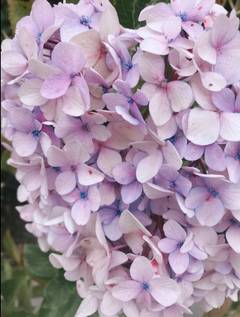
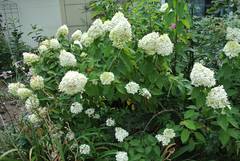
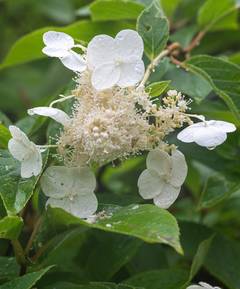
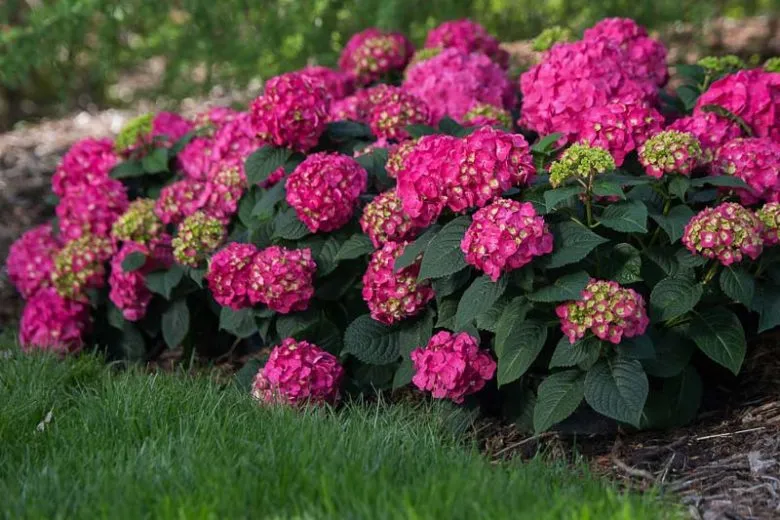
Hydrangea macrophylla 'Endless Summer' is a reblooming bigleaf hydrangea, growing 36–60 inches (90–150 cm) tall and wide. Large mophead flower clusters 6–10 inches (15–25 cm) across change color based on soil pH: blue in acidic soil (pH below 6.0, where aluminum is available to the plant) and pink in alkaline soil (pH above 7.0, where aluminum is bound). Purple flowers occur at intermediate pH values. Adding aluminum sulfate lowers pH toward blue; adding lime raises pH toward pink. Blooms on both old and new wood — standard bigleaf hydrangeas (H. macrophylla) bloom only on old wood, so winter cold that kills flower buds or ill-timed pruning eliminates the season's flowers. 'Endless Summer' produces flowers on current-season growth as well, so even if old wood is damaged, new growth blooms. Flowering extends from early summer through fall (16+ weeks) with deadheading. Morning sun with afternoon shade in hot climates; full sun in cool climates. Heavy water needs — wilts rapidly in dry soil and direct afternoon heat. Mildly toxic if ingested (cyanogenic glycosides in the leaves). Zones 4–9. Prune in late winter by removing only dead or weak stems; avoid removing healthy old wood, which carries the earliest flower buds.
Native Range
The species Hydrangea macrophylla is native to Japan and Korea. 'Endless Summer' was discovered in St. Paul, Minnesota.Suggested Uses
Grown in garden beds, foundation plantings, and containers of 10–15 gallons (40–60 liters). Space 36–60 inches (90–150 cm) apart. Position in morning sun with afternoon shade in zones 7+ to reduce wilt. Suited to acidic soils (pH 5.5–6.5 for blue flowers).How to Identify
Appearance
Size & Dimensions
Height3' - 5'
Width/Spread3' - 5'
Colors
Bloom Information
Detailed Descriptions
Flower Description
BLUE in acidic soil (pH < 6) or PINK in alkaline soil (pH > 7) — the same plant changes color based on soil pH; large mophead flower clustersFoliage Description
Dark green, large, ovate, coarsely toothedGrowing Conditions
Sun Requirements
Requires 3-6 hours of direct sunlight daily
• Full Sun: 6+ hours of direct sunlight
• Partial Shade: 3-6 hours of direct sunlight
• Full Shade: Less than 3 hours of direct sunlight
Care & Maintenance
Care Guide
Morning sun / afternoon shade in hot climates; full sun in cool climates. Keep soil consistently moist — wilts rapidly in dry conditions. Acidic soil (pH 5.5–6.5) for blue flowers; alkaline (pH 7.0+) for pink. Deadhead for reblooming. Prune in late winter — remove only dead or weak stems. Mildly toxic. Zones 4–9.Pruning
Prune in late winter: remove dead, damaged, or weak stems at the base. Do not remove healthy old wood — it carries the earliest flower buds. Blooms on both old and new wood, so even hard pruning does not eliminate all flowers.Pruning Schedule
Prune: March
early spring
Container Growing
Suitable for container growing
Minimum container size: 15 gallons