Hydrangea, Genus, macrophylla, Species, 'Bailmer', Cultivar,
- Genus & species
- Cultivar
endless summer hydrangea
Overview
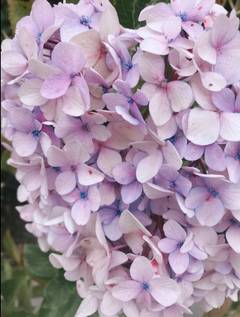
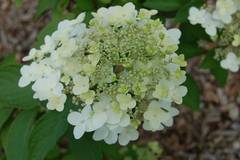
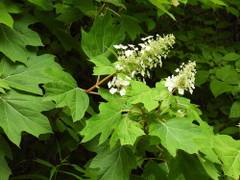
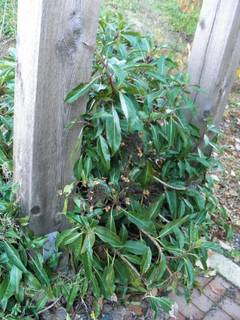
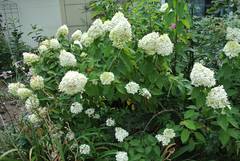
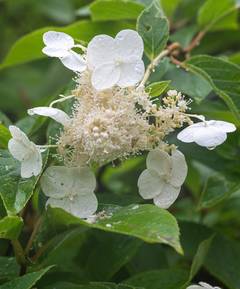
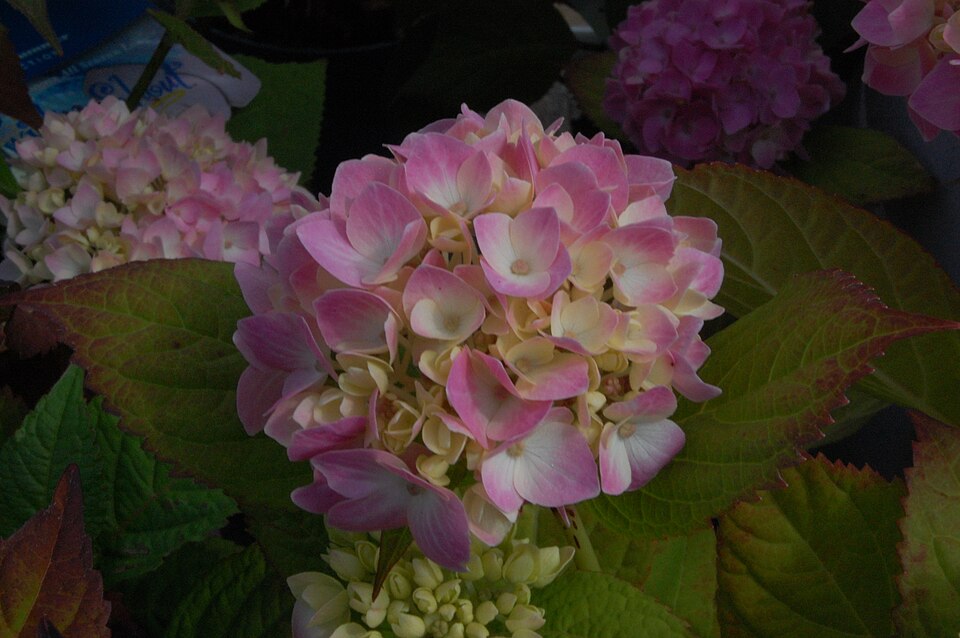
Hydrangea macrophylla 'Bailmer' is a deciduous shrub reaching 3-5 feet (90-150 cm) tall and 3-5 feet (90-150 cm) wide with a rounded mounded habit. Leaves are ovate, 4-6 inches (10-15 cm) long, with serrated margins and a glossy medium-green surface. Flowers form large mophead clusters 6-8 inches (15-20 cm) across, composed of sterile sepals; color shifts with soil pH, producing blue tones at pH 5.0-5.5 with available aluminum and pink tones at pH 6.0-6.5 with low aluminum. Unlike most H. macrophylla, 'Bailmer' produces flowers on both old wood (June bloom) and new wood (July through October), continuing to flower even after stems are killed by late frost. Annual growth is 12-18 inches (30-45 cm); plants reach mature size in 3-4 years. Stem dieback occurs at -10°F (-23°C); plants regrow from the crown but lose the early-season bloom flush in those years. Flower color shifts and fades within 4-6 weeks of opening, transitioning through dusty pink, mauve, and tan as sepals age.
Native Range
Hydrangea macrophylla is native to coastal Honshu and Shikoku, Japan, where it grows in moist woodland edges and coastal slopes from sea level to 5,000 feet (1,500 m) elevation. The species was introduced to European gardens in the late 18th century and has been bred extensively for cut-flower and landscape use. 'Bailmer' was selected in Minnesota in the 1980s and patented in 2003 (US PP15,298) by Bailey Nurseries.Suggested Uses
Planted in mixed borders, foundation plantings, and woodland edges at 4-5 feet (1.2-1.5 m) spacing. Grows in 7-10 gallon (26-38 L) containers with weekly watering and annual fertilization. The repeat-bloom habit allows hedge use in zones 4-5 where H. macrophylla cultivars without rebloom often fail to flower after winter dieback.How to Identify
Appearance
Size & Dimensions
Height3' - 5'
Width/Spread3' - 5'
Bloom Information
Initial bloom from old-wood buds opens in early to mid-June in zones 5-7 and late May in zones 8-9. New-wood reblooming begins in mid-July and continues through first frost in October-November, with the heaviest flush in August. Individual mopheads remain in color for 4-6 weeks before fading. In zones 4 and colder, old-wood bloom is often lost to winter dieback; new-wood bloom from July onward becomes the main flowering window.
Detailed Descriptions
Flower Description
Blue at low pH; pink at higher pHFoliage Description
Medium greenGrowing Conditions
Sun Requirements
Requires 4-6 hours of direct sunlight daily
• Full Sun: 6+ hours of direct sunlight
• Partial Shade: 3-6 hours of direct sunlight
• Full Shade: Less than 3 hours of direct sunlight
Care & Maintenance
Care Guide
Plants establish in 1-2 growing seasons with consistent moisture; water deeply 2-3 times per week during the first summer if rainfall falls below 1 inch (2.5 cm) per week. Mature plants wilt at midday during heat above 90°F (32°C) but recover overnight if soil moisture is adequate. Blue flowers develop at soil pH 5.0-5.5 with available aluminum (aluminum sulfate at 1 lb per 10 sq ft / 0.5 kg per 1 sq m in spring); pH above 6.0 produces pink flowers. Leaf scorch develops in afternoon sun in zones 7 and warmer. Powdery mildew and Cercospora leaf spot occur in still humid air; both are cosmetic. Flower buds are damaged by temperatures below -10°F (-23°C), eliminating old-wood bloom for that season.Pruning
Remove dead stems and cut spent flowerheads to the first pair of strong buds in late winter (February-March). Heavy pruning of live wood reduces the old-wood bloom, which develops on the previous year growth. Stems killed to the ground by winter freeze regrow from the crown and bloom on new wood from July onward. Removal of faded flowers throughout summer redirects energy into new-wood reblooming.Pruning Schedule
Prune: February–March
winter
Container Growing
Suitable for container growing
Minimum container size: 7 gallons