Hydrangea, Genus, arborescens, Species, 'Annabelle', Cultivar,
- Genus & species
- Cultivar
Annabelle hydrangea
Eastern United States (New York to Florida, west to Iowa/Louisiana; moist woodlands, ravines); found near Anna, Illinois
Overview
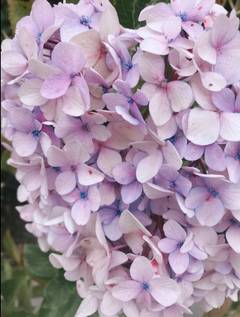
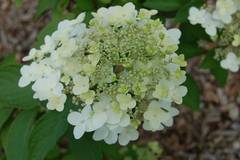
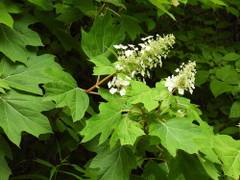
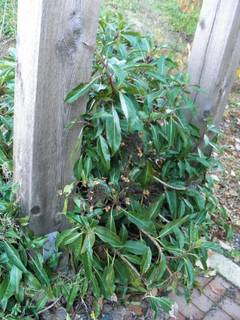
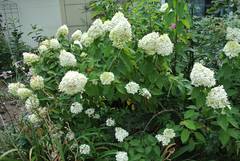
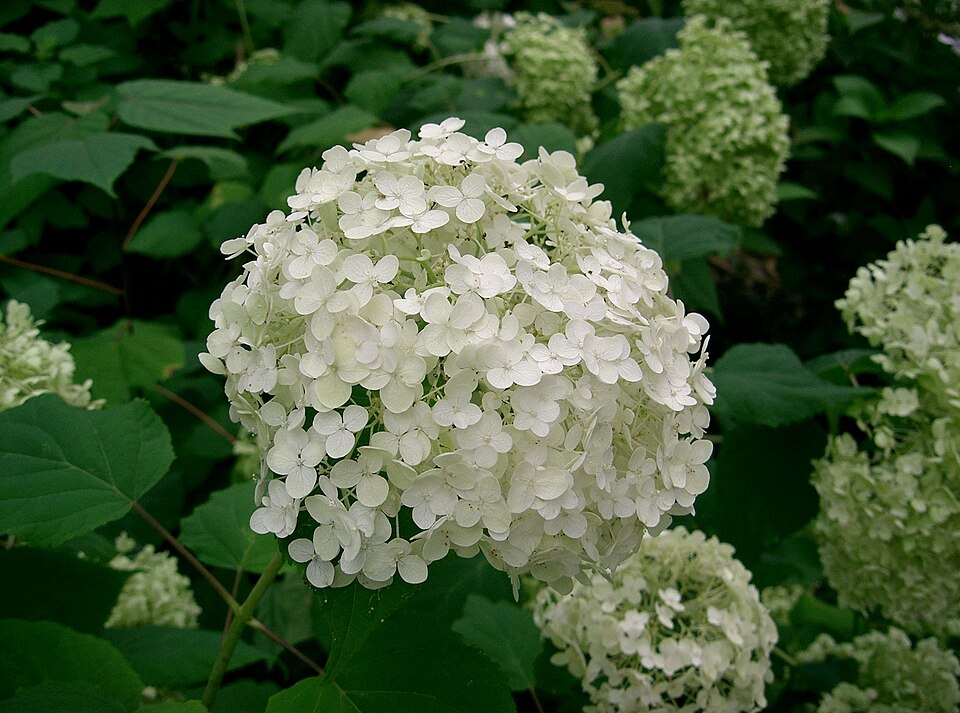
Hydrangea arborescens 'Annabelle' is a rounded deciduous shrub reaching 3–5 feet (0.9–1.5 m) tall with an equal spread of 3–5 feet (0.9–1.5 m). The cultivar carries massive symmetrical mophead flower clusters—corymbs 8–12 inches (20–30 cm) across composed entirely of sterile white florets—that define the cultivar's ornamental value and run through a four-stage color sequence across the bloom season: flower heads open lime-green, mature to pure white, age back to pale green, then dry to tan and persist on the shrub through winter as a secondary dried-flower ornamental season. Bloom runs from June through August on current-season growth, which means the shrub can be cut to the ground every spring without losing any flowering—a pruning flexibility that separates H. arborescens from the old-wood-blooming H. macrophylla hydrangeas. Foliage is medium green, broadly ovate, 3–6 inches (8–15 cm) long with serrated margins. The cultivar was found as a wild selection near Anna, Illinois, in the 1960s and has since become the standard white-flowered smooth hydrangea in North American horticulture. Growth rate is fast. Hardy to zone 3.
Native Range
Hydrangea arborescens is native to the eastern United States, with a native range extending from New York south to Florida and west to Iowa and Louisiana, growing in moist woodlands, ravines, streambanks, and rocky bluffs where partial shade and consistent moisture match the species' ecology. 'Annabelle' was found growing wild near the town of Anna in southern Illinois in the 1960s and was propagated from that original wild specimen; the cultivar has since become the standard white-flowered H. arborescens cultivar in the North American nursery trade and has served as the parent material for subsequent breeding lines including the stronger-stemmed 'Incrediball' selection.Suggested Uses
Planted in borders, woodland edges, and mass plantings at 3–5 foot (0.9–1.5 m) spacing. The massive white flower heads supply a long ornamental display running from June through the following early spring (active summer bloom plus dried-head winter interest). The native eastern-US parentage suits the cultivar to native plant garden themes and naturalistic plantings across the eastern United States. Heavy flower head weight causes stems to flop in rain or with overhead irrigation, so support hoops, staking, or siting in sheltered positions reduces the stem-bending problem in exposed gardens. Exposed windy sites and formal planting styles where flopping stems are unacceptable without active support are poor fits for the cultivar.How to Identify
Appearance
Size & Dimensions
Height3' - 5'
Width/Spread3' - 5'
Bloom Information
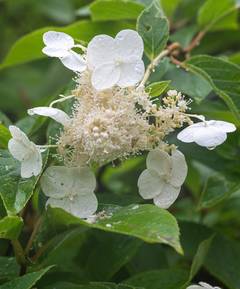
Massive mophead corymbs 8–12 inches (20–30 cm) across open lime-green, mature to pure white, age to pale green, then dry to tan across the June-through-August bloom window. The dried tan heads persist on the shrub through fall and winter and supply a secondary dried-flower season of interest. Active color bloom duration is 6–8 weeks; dried-head persistence extends the ornamental window through 4–6 additional months until spring hard pruning removes the previous season's growth. All flowers are sterile sepals with no fertile center, which reduces pollinator value relative to lacecap hydrangea forms.
Detailed Descriptions
Flower Description
Opening lime-green, maturing pure white, aging pale green, drying tan; mophead 8-12 inches acrossFoliage Description
Medium green, broadly ovate, serrated, 3-6 inchesGrowing Conditions
Sun Requirements
Requires 3-8 hours of direct sunlight daily
• Full Sun: 6+ hours of direct sunlight
• Partial Shade: 3-6 hours of direct sunlight
• Full Shade: Less than 3 hours of direct sunlight
Care & Maintenance
Care Guide
Partial shade to full sun in moist well-drained soil matches the cultivar's cultivation needs. Hardy to zone 3 (−40°F / −34°C). The cultivar tolerates a broad range of soil pH (5.5–7.5) without flower color change, unlike H. macrophylla cultivars where pH shifts flower color between pink and blue. Bloom occurs on current-season wood, so hard pruning in late winter or early spring removes the previous year's growth without affecting the coming bloom season. The massive flower heads (8–12 inches / 20–30 cm) carry significant weight, especially after summer rain, and cause stems to bend or flop to the ground; peony-style support hoops, staking, or hard pruning to encourage stronger short stems reduce the flopping. Harder pruning in spring produces fewer stems carrying larger individual flower heads; lighter pruning produces more stems carrying more but smaller heads.Pruning
Cutting to 12–18 inches (30–45 cm) in late winter or early spring produces the strongest stems carrying the largest flower heads. Alternatively, removing only dead wood produces a taller shrub with more stems and smaller individual heads. Bloom on current-season wood means pruning timing does not affect whether the shrub flowers, only the architecture and size of the display.Pruning Schedule
Prune: February–March
late spring
Container Growing
Suitable for container growing
Minimum container size: 7 gallons