Hydrangea, Genus, macrophylla, Species, 'Merritt's Supreme', Cultivar,
- Genus & species
- Cultivar
Merritt's supreme hydrangea
Japan (species origin; cultivar selected in Pacific Northwest USA)
Overview
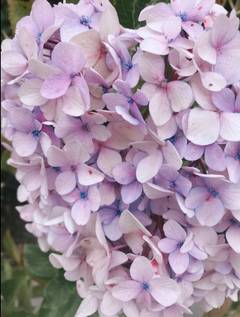
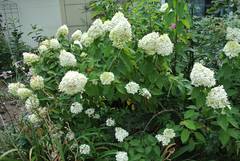
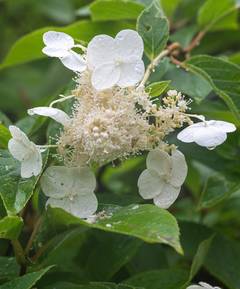
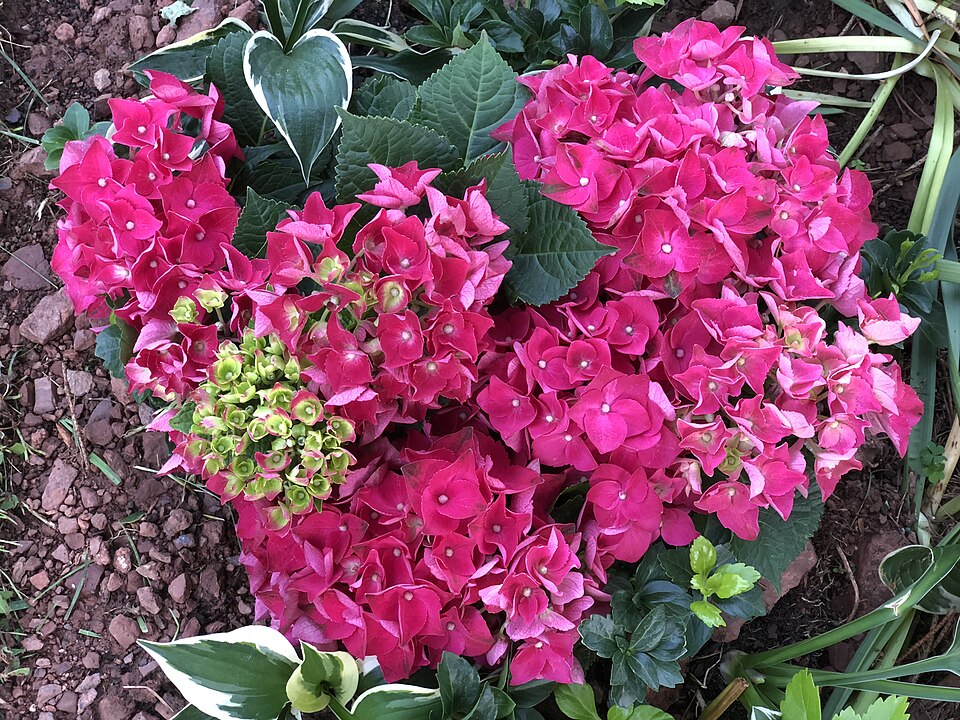
Hydrangea macrophylla 'Merritt's Supreme' is a rounded, vigorous, deciduous shrub reaching 5–7 feet (1.5–2.1 m) tall and 5–7 feet (1.5–2.1 m) wide. The mophead cultivar was selected at Merritt's Nursery in the Pacific Northwest. Flowers are borne in dense, rounded heads 6–10 inches (15–25 cm) across composed of large, flat, single sterile florets 1.75–2.25 inches (4.5–5.7 cm) across, each with four broad, overlapping petals. Sterile floret color is pH-dependent: deep blue at soil pH below 5.5, shifting to deep rose-pink at pH above 6.5. Leaves are broadly ovate, 4–8 inches (10–20 cm) long, glossy dark green, with serrated margins. Stems are 0.3–0.5 inches (8–13 mm) thick at the base and support the large flower heads without staking in most wind conditions, though sustained wind above 25 mph (40 km/h) can cause lodging. Blooms appear on old wood from June through August over 6–8 weeks. Growth rate is rapid, reaching mature size in 3 years. Hardy to USDA zone 6; flower buds can be killed by temperatures below –5°F (–20°C) or late-spring frosts. All parts contain cyanogenic glycosides; ingestion by pets or humans can cause gastrointestinal upset and, in larger doses, more serious systemic effects.
Native Range
Hydrangea macrophylla is native to Japan, occurring in coastal and lower-mountain woodland habitats on the main islands. 'Merritt's Supreme' was selected at Merritt's Nursery in the Pacific Northwest of the United States for large flower heads and vigorous growth.Suggested Uses
Used as a specimen shrub or in partial-shade borders at 5–7 foot (1.5–2.1 m) spacing. The 5–7 foot (1.5–2.1 m) mature size and vigorous growth fit large borders, woodland-edge plantings, and corner foundation placements; the 6–10 inch (15–25 cm) flower heads create a summer feature readable from 30 feet (9 m) away. The shrub does not suit small gardens, tight plantings, full sun in hot climates, or dry soils, and late-spring frost damage reduces bloom the following summer.How to Identify
Appearance
Size & Dimensions
Height5' - 7'
Width/Spread5' - 7'
Bloom Information
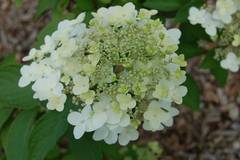
Dense, rounded mophead flower heads 6–10 inches (15–25 cm) across appear from June through August over 6–8 weeks. Each head is composed of large flat single sterile florets 1.75–2.25 inches (4.5–5.7 cm) across in deep blue (acid soil) or deep rose-pink (alkaline). Flowers form on previous season wood.
Detailed Descriptions
Flower Description
Dense mophead 6-10 inches across of large 1.75-2.25 inch flat single sterile florets; deep blue (acid) or deep rose-pink (alkaline)Foliage Description
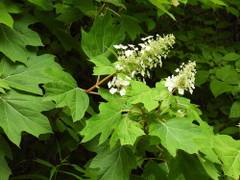
Glossy dark green, broadly ovate with serrated margins, 4-8 inches longGrowing Conditions
Sun Requirements
Requires 3-5 hours of direct sunlight daily
• Full Sun: 6+ hours of direct sunlight
• Partial Shade: 3-6 hours of direct sunlight
• Full Shade: Less than 3 hours of direct sunlight
Care & Maintenance
Care Guide
Grow in partial shade with 3–5 hours of morning or dappled light in moist, humus-rich, well-drained loam or clay at pH 5.0–7.0. The vigorous growth and mature size of 5–7 feet (1.5–2.1 m) call for allocating 7 feet (2.1 m) of bed width and annual fertilization with a balanced fertilizer at 0.5 pound per 100 square feet (2.5 g/m²) in early spring. Water deeply to maintain consistent soil moisture through summer. Apply 2–3 inches (5–8 cm) of organic mulch in spring. Acidify with aluminum sulfate at 1 pound per 10 square feet (0.5 kg/m²) to shift color toward deep blue; add lime to shift toward deep rose-pink. Hardy to USDA zone 6; flower bud damage occurs below –5°F (–20°C) or during late-spring frosts, which reduces bloom the following summer.Pruning
Prune in August after flowering, since flower buds form on old wood over the subsequent autumn. Remove spent flower heads to the first pair of strong buds and thin out congested or weak stems at the base. Hard pruning sacrifices the next summer's bloom and is generally limited to rejuvenation of overgrown plants.Pruning Schedule
Prune: August
summer