Hydrangea, Genus, aspera, Species,
- Genus & species
rough-leaved hydrangea
Himalayas, mainland SE Asia, China (moist mountain forests, 3,000-9,000 ft)
Overview
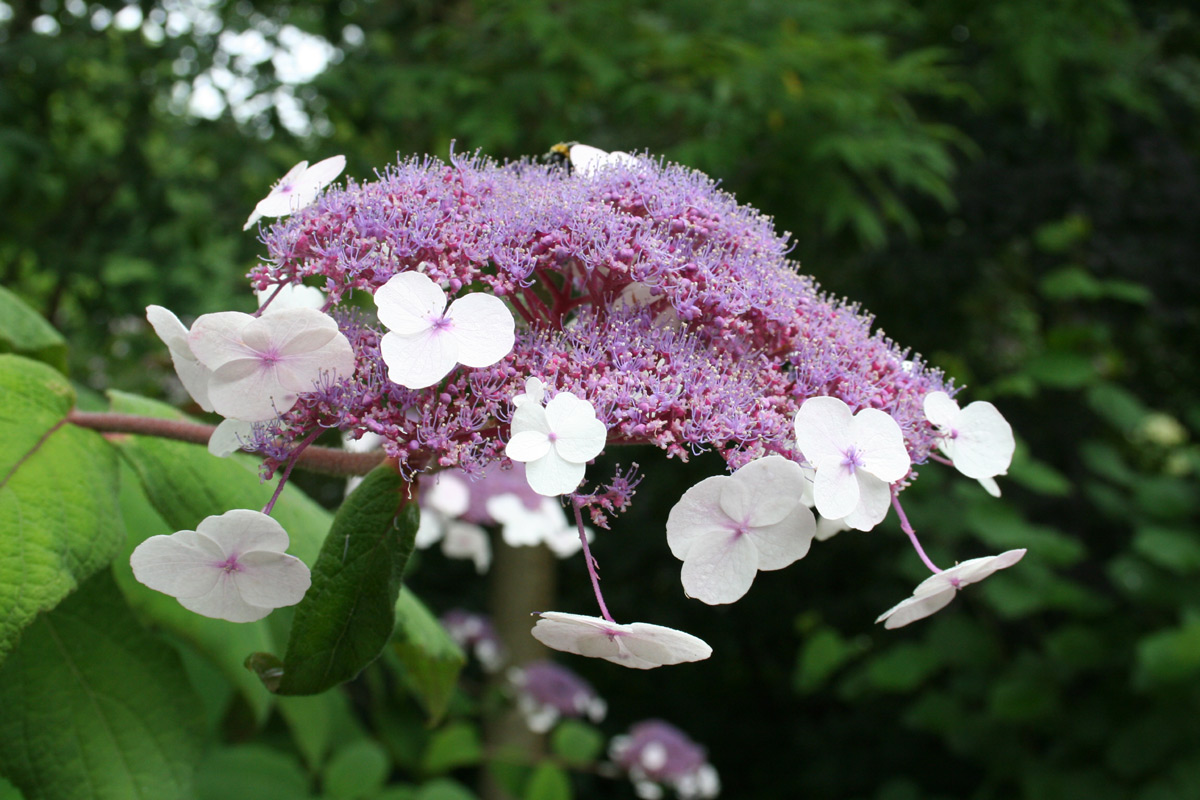
Hydrangea aspera is a large, upright to spreading, deciduous shrub reaching 6–10 feet (1.8–3 m) tall with a spread of 6–8 feet (1.8–2.4 m). This species is distinguished by its rough, hairy (asperous) leaves—broadly lanceolate, 5–10 inches (13–25 cm) long, with a velvety texture on the upper surface and dense pubescence beneath. The lacecap flower heads are 6–10 inches (15–25 cm) across, with an outer ring of white to pale pink-lilac sterile ray florets surrounding a dense center of small, rich purple to violet fertile florets. This two-toned color contrast between the pale rays and dark center is characteristic. Peeling bark on older stems exposes reddish-brown inner bark. Growth rate is moderate. Hardy to zone 6.
Native Range
Hydrangea aspera is native to the Himalayas, mainland Southeast Asia, and China, in moist mountain forests at 3,000–9,000 feet (900–2,700 m) elevation.Suggested Uses
Planted as a specimen or in woodland gardens at 6–8 foot (1.8–2.4 m) spacing. The two-toned lacecap flowers (pale rays + dark purple center) and the rough-textured foliage distinguish this from common garden hydrangeas. The large size requires substantial space. Shelter from wind is essential—the large hairy leaves desiccate in exposed positions. Not suitable for cold, windy, or exposed sites, zones below 6, or positions where late spring frost is frequent.How to Identify
Appearance
Size & Dimensions
Height6' - 10'
Width/Spread6' - 8'
Bloom Information
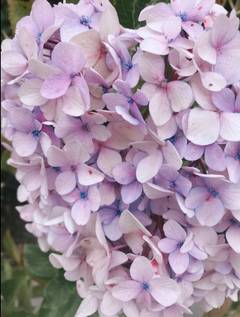
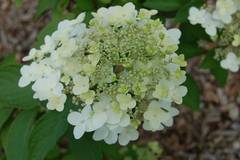
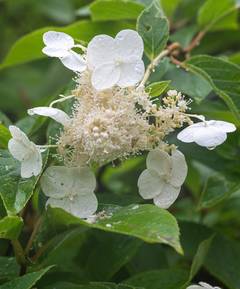
Lacecap corymbs 6–10 inches (15–25 cm) across with white to pale pink-lilac sterile ray florets and dense rich purple to violet fertile florets in the center, from July through August. Bloom duration is 4–5 weeks. Blooms on old wood—late spring frost can damage flower buds.
Detailed Descriptions
Flower Description
Lacecap: white to pale pink-lilac sterile rays + rich purple to violet fertile center; 6-10 inchesFoliage Description
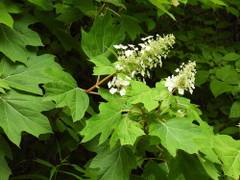
Dark green, velvety rough upper surface, pubescent beneath, broadly lanceolate, 5-10 inchesGrowing Conditions
Sun Requirements
Requires 3-5 hours of direct sunlight daily
• Full Sun: 6+ hours of direct sunlight
• Partial Shade: 3-6 hours of direct sunlight
• Full Shade: Less than 3 hours of direct sunlight
Care & Maintenance
Care Guide
Plant in partial shade in moist, humus-rich, well-drained, acidic to neutral soil (pH 5.5–7.0). Hardy to zone 6. Shelter from cold, drying winds—the large leaves are susceptible to wind damage and late spring frost kills emerging growth and flower buds. Morning sun with afternoon shade is tolerated. The large mature size (6–10 feet / 1.8–3 m) requires space.Pruning
Prune lightly after flowering (August) as blooms form on old wood. Remove dead or damaged wood in spring after new growth emerges. Avoid hard pruning—this removes flower buds for the following year. Old, congested plants can be renovated by removing one-third of the oldest stems annually.Pruning Schedule
Prune: August
summer