Hydrangea, Genus, paniculata, Species, 'Tardiva', Cultivar,
- Genus & species
- Cultivar
Tardiva hydrangea
Japan, China, Russian Far East (Sakhalin; open forests)
Overview
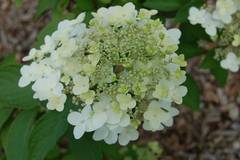
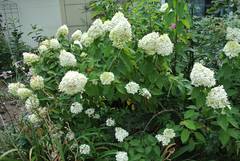
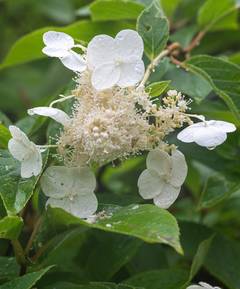
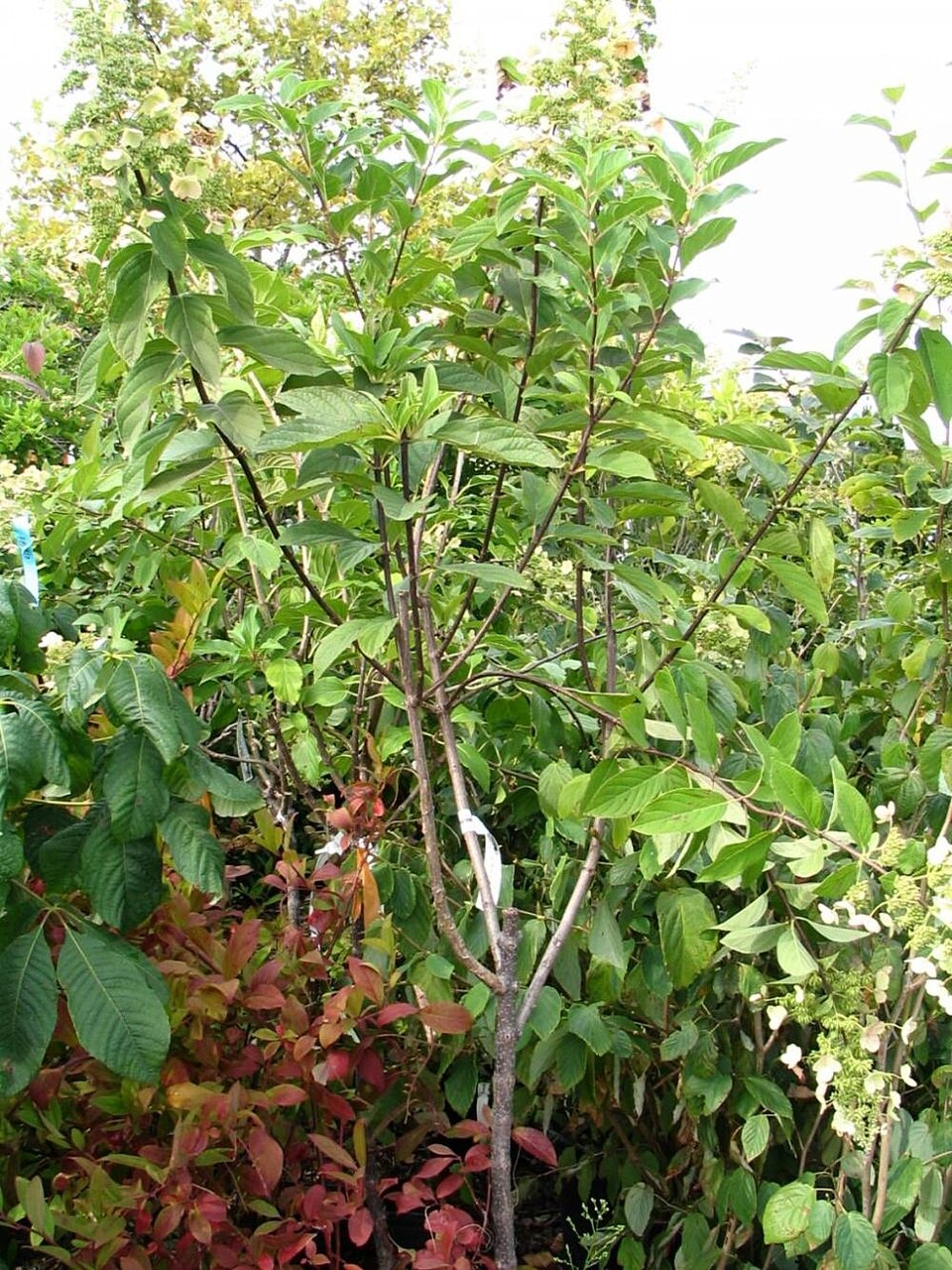
Hydrangea paniculata 'Tardiva' is a large, upright, deciduous shrub or small tree reaching 8–12 feet (2.4–3.6 m) tall with a spread of 6–8 feet (1.8–2.4 m). This cultivar produces conical (panicle-shaped) flower heads 6–8 inches (15–20 cm) long—a distinctly different form from the rounded mopheads and flat lacecaps of H. macrophylla. The panicles are loosely arranged with widely spaced sterile white florets among smaller fertile florets, creating an open, airy structure rather than a dense head. The flowers open white in late August–September (later than most H. paniculata cultivars—hence 'tardiva,' meaning late), aging to pink and then to tan. Flower color is not pH-dependent. The medium green, ovate leaves are 3–6 inches (8–15 cm) long. Blooms on current-season wood. Can be trained as a single-trunk small tree. Growth rate is fast. Hardy to zone 3.
Native Range
Hydrangea paniculata is native to Japan, China, and the Russian Far East (Sakhalin), in open forests and forest margins.Suggested Uses
Planted as a specimen, screen, or trained as a small tree at 6–8 foot (1.8–2.4 m) spacing. The late bloom (August–September) fills a gap when most hydrangeas are finishing. The conical flower form differs from all macrophylla cultivars. Blooms on new wood—reliable flowering in zone 3 without winter bud loss. The large mature size (8–12 feet / 2.4–3.6 m) requires space. Not suitable for small gardens or positions where the large size is problematic.How to Identify
Appearance
Size & Dimensions
Height8' - 12'
Width/Spread6' - 8'
Bloom Information
Conical panicles 6–8 inches (15–20 cm) long, loosely arranged sterile white florets among fertile florets, opening late August–September (later than most H. paniculata). Flowers age from white to pink to tan. Bloom duration is 6–8 weeks. Blooms on current-season wood. Dried heads persist into winter.
Detailed Descriptions
Flower Description
Conical panicles opening white, aging pink then tan; open airy structure; 6-8 inches long; not pH-dependentFoliage Description
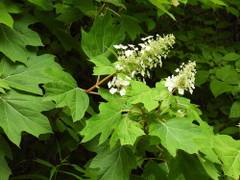
Medium green, ovate, 3-6 inchesGrowing Conditions
Sun Requirements
Requires 4-10 hours of direct sunlight daily
• Full Sun: 6+ hours of direct sunlight
• Partial Shade: 3-6 hours of direct sunlight
• Full Shade: Less than 3 hours of direct sunlight
Care & Maintenance
Care Guide
Plant in full sun to partial shade in average to moist, well-drained soil. Hardy to zone 3—the most cold-hardy hydrangea species. Blooms on current-season wood—can be pruned hard in late winter without losing flowers. More sun-tolerant and drought-tolerant than H. macrophylla. Flower color is not affected by soil pH.Pruning
Prune in late winter to early spring. Blooms on current-season wood, so hard pruning in spring increases flower size. Can be trained as a single-trunk small tree by removing lower branches and selecting a central leader. Cut back previous year's growth to 2–3 buds for largest panicles.Pruning Schedule
Prune: February–March
late spring