Hydrangea, Genus, macrophylla, Species, 'Izu-no-hana', Cultivar,
- Genus & species
- Cultivar
Izu-no-hana hydrangea
Species native to Japan (coastal and mountain woodlands); cultivar selected in Japan (Izu Peninsula origin)
Overview
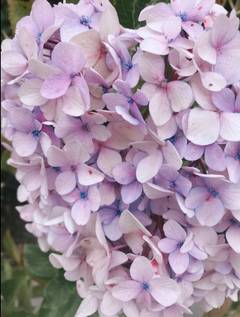
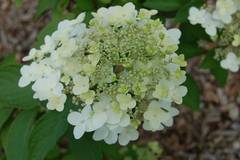
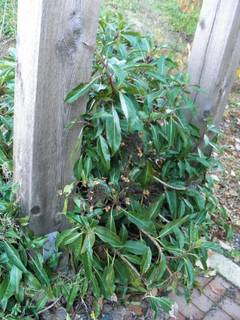
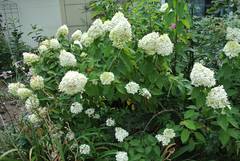
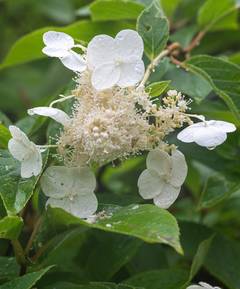
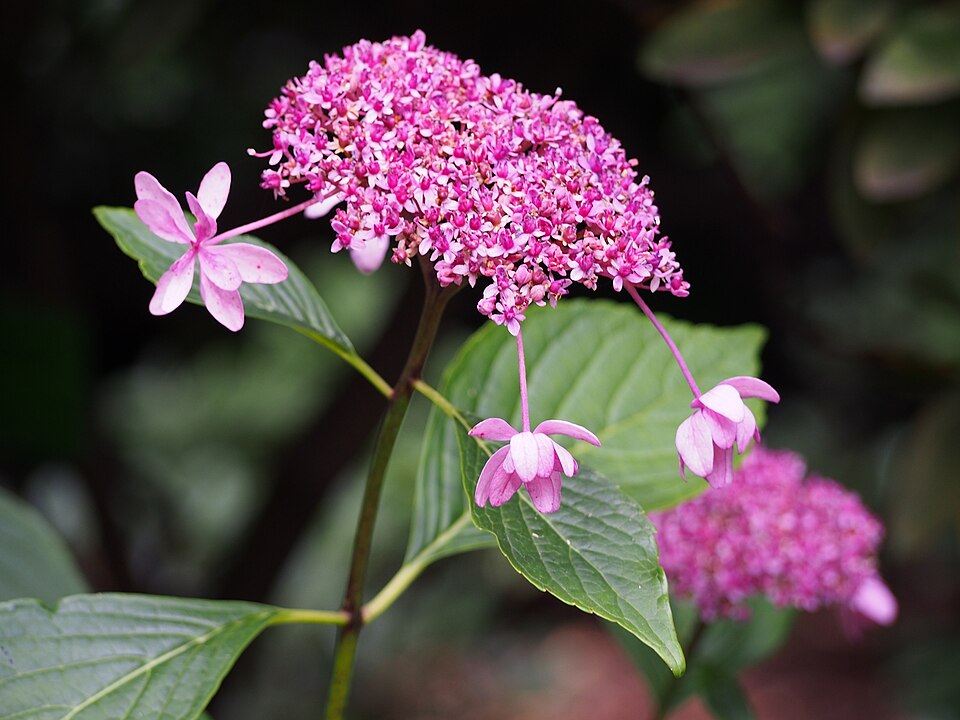
Hydrangea macrophylla 'Izu-no-hana' is a compact, rounded, deciduous shrub reaching 3–4 feet (0.9–1.2 m) tall and 3–4 feet (0.9–1.2 m) wide. This Japanese-bred lacecap cultivar produces flat-topped flower heads 5–7 inches (13–18 cm) across, with double sterile ray florets surrounding a central cluster of small fertile florets. Each ray floret is composed of multiple pointed sepals layered in a star or pinwheel pattern rather than the single rounded sepals typical of most lacecap cultivars. Flower color is pH-responsive: soft blue to blue-purple in acidic soil (pH below 5.5) and pink-mauve in alkaline soil. The glossy, dark green, ovate leaves are 4–6 inches (10–15 cm) long. Flower buds form on old wood. Growth rate is moderate. Hardy in USDA zones 6–9. The old-wood bloom habit is vulnerable to late spring frost damage, and flower display can be reduced or eliminated in years when buds are killed by cold.
Native Range
The species Hydrangea macrophylla is native to Japan, in coastal and mountain woodlands. 'Izu-no-hana' was selected in Japan; the cultivar name translates as 'flower of Izu', referring to the Izu Peninsula.Suggested Uses
Planted in partial-shade borders, mixed shrub plantings, and containers of 5 gallons (19 L) or larger at 3–4 foot (0.9–1.2 m) spacing. The compact mature size suits small gardens and container use where 4–6 foot (1.2–1.8 m) lacecap cultivars would exceed the space. The star-form double rays read most clearly at close range, suiting path-edge and patio positions. Late spring frost can eliminate the flower display for a season, and the species is not suited to full sun, dry soils, or USDA zones below 6.How to Identify
Appearance
Size & Dimensions
Height3' - 4'
Width/Spread3' - 4'
Bloom Information
Produces flat-topped lacecap flower heads 5–7 inches (13–18 cm) across from June through August. Sterile ray florets are double with pointed sepals arranged in a star or pinwheel pattern; ray color is soft blue to blue-purple in acidic soil and pink-mauve in alkaline soil. Small fertile florets occupy the center of each head. Flower buds form on old wood, so bloom depends on overwintered stems surviving late spring frost. Bloom duration is 6–8 weeks.
Detailed Descriptions
Flower Description
Lacecap: double pointed star-shaped sterile rays in soft blue to blue-purple (acid) or pink-mauve (alkaline) surrounding small fertile florets; head 5–7 inches (13–18 cm) acrossFoliage Description
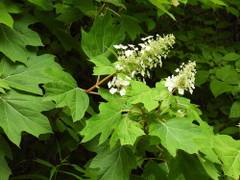
Glossy dark green, ovate, 4–6 inches (10–15 cm) longGrowing Conditions
Sun Requirements
Requires 3-5 hours of direct sunlight daily
• Full Sun: 6+ hours of direct sunlight
• Partial Shade: 3-6 hours of direct sunlight
• Full Shade: Less than 3 hours of direct sunlight
Care & Maintenance
Care Guide
Plant in partial shade in moist, humus-rich, well-drained loam or clay soil. Hardy in USDA zones 6–9. Soil pH controls ray color: aluminum sulfate or sulfur applied in fall and spring shifts rays toward blue; garden lime shifts them toward pink-mauve. Flower buds form on old wood, so a sheltered position away from morning sun and exposed frost pockets protects overwintered stems. Consistent moisture through the growing season supports bloom quality; the species is not drought-tolerant. Mulch 2–3 inches (5–7 cm) deep over the root zone, leaving a gap around the stems.Pruning
Prune immediately after flowering in August by cutting spent heads back to the next pair of healthy buds, and remove dead or winter-damaged wood in early spring. Hard cutbacks remove flower buds for the following year and are not used on old-wood bloomers. The compact habit requires minimal shaping beyond deadheading.Pruning Schedule
Prune: August
summer
Container Growing
Suitable for container growing
Minimum container size: 5 gallons